


 Назад
Назад 

Зміст статті:
Чому автонамети стають популярними
Уявіть ідеальну мандрівку: вдень ви долаєте складні маршрути позашляховиком, а зранку прокидаєтеся серед гір, лісів чи біля віддалених озер. І щоночі — комфортний відпочинок просто на даху вашого авто.
Саме це дає автонамет — швидке та зручне рішення для ночівлі, яке перетворює автомобіль на мобільний дім.
Автокемпінг поєднує свободу подорожей із комфортом: більше не потрібно шукати рівне місце чи миритися з незручностями звичайних наметів — спальне місце завжди готове.
Кому підійде намет на дах авто:
- мандрівникам, які шукають нові маршрути;
- сім’ям, що цінують комфорт у дорозі;
- тим, хто хоче швидко облаштувати табір і відкривати нові краєвиди.
Якщо ви прагнете пригод без компромісів — автонамет стане вашим ідеальним супутником.
Що таке автонамет і як він працює
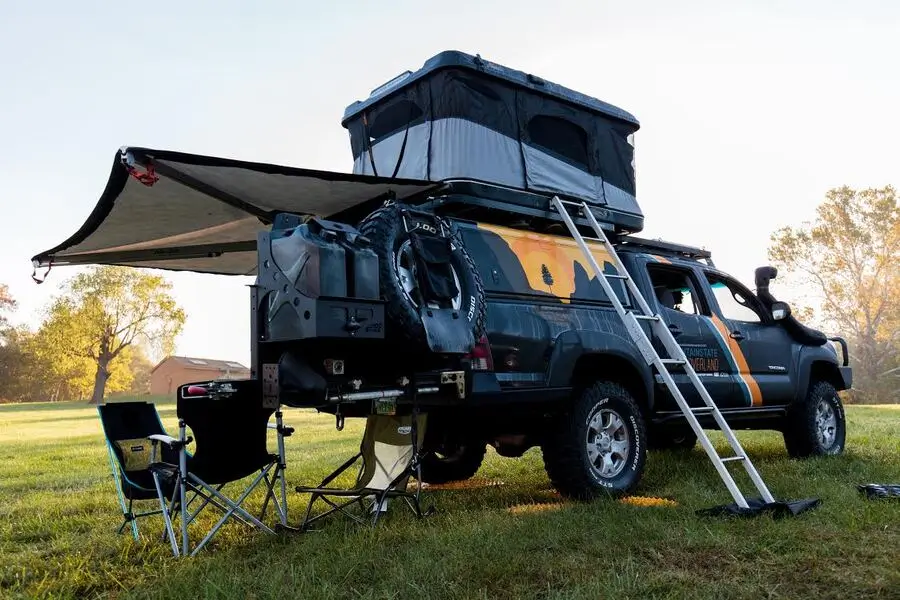
Автонамет (roof top tent) — це сучасне рішення для ночівлі, яке перевертає уявлення про відпочинок на природі. На противагу традиційному намету на землі, він монтується на спеціальні поперечини або на експедиційну платформу, дозволяючи відпочивати над поверхнею землі. Це не просто "палатка на даху", а повноцінне, часто досить просторе і всесезонне спальне місце, що забезпечує незрівнянний комфорт.
Головні переваги — у простоті та швидкості розгортання. Більшість моделей складаються і розкладаються за лічені хвилини. Ця ефективність і легкість трансформації роблять автопалатку ідеальним вибором, що забезпечує швидкий доступ до комфортного відпочинку в будь-якому місці та в будь-який час.
Конструкція намету на дах авто
Секрет популярності наметів на дах криється в продуманій конструкції, що поєднує в собі міцні матеріали, передові інженерні рішення та ергономічний дизайн.
Далі розглянемо основні елементи конструкції та їх особливості.
Каркас
Основа, яка забезпечує форму намету, його вітростійкість, якість простору всередині та швидкість розкладання. Буває двох основних типів — складний (шарнірний) та жорсткий (hard shell).
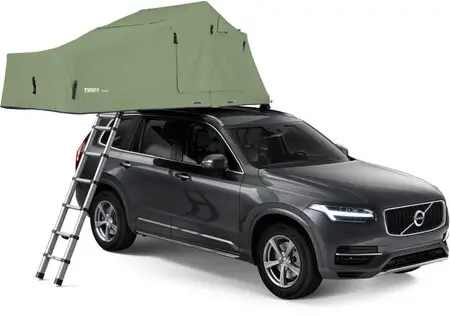
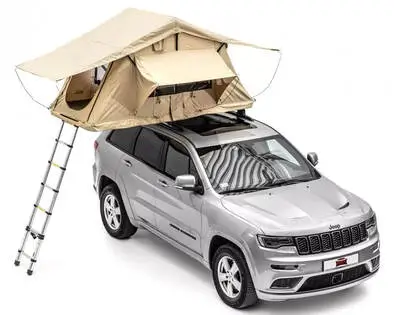
- М’які кемпінгові намети на авто (шарнірні) візуально нагадують туристичні, але встановлюються на платформу на даху машини. Мають алюмінієвий, рідше сталевий, каркас та розкладаються як книжка або розкладачка. Виграють вагою та ціною, але менш вітростійкі. Прикладом може бути Tepui Explorer Autana 3 від Thule або Dragon Winch 4x4.
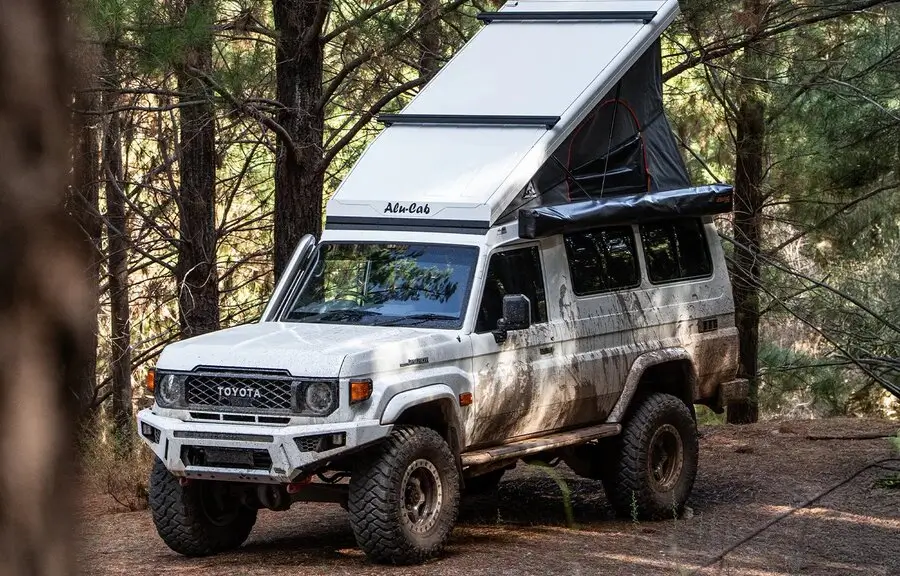
- Газліфтні автонамети (hard shell) для позашляховиків мають жорстку будову, газові амортизатори та алюмінієві внутрішні опори. Дуже швидко розкладаються (10-30 сек), максимально жорсткі та вітростійкі. Alu-Cab Hercules для Toyota Land Cruiser 78 — це ідеальне рішення для складних умов поїздки без компромісів по комфорту.
Крім цього частина каркасу або окремі його складові (драбини, внутрішні опори) можуть мати складну телескопічну будову. Це забезпечує компактність окремих елементів.
При виборі каркасу звертайте увагу на:
- вагу, яка в середньому складає від 40 до 80 кг;
- вітростійкість — моделі з хардшел каркасом будуть стійкіші, ніж з м’яким. Тут варто враховувати умови подорожі та місцевість;
- товщину трубок. Чим товщі, тим міцніша конструкція, але тим більша вага. Найчастіше товщина трубок складає 16-25 мм;
- якість шарнірів. Дешеві петлі можуть розхитуватись після кількох сезонів.
Тент
Зовнішній шар тканини, що захищає від вологи та вітру, має високі показники паропроникності, що попереджає утворення конденсату всередині.
Найпопулярніший матеріал — Polycotton (поліестер + бавовна), відмінно захищає від вологи та “дихає”. Також використовують поліестер, канвас, ripstop nylon.
Важливими критеріями для вибору є:
- вологостійкість вимірюється в мм водного стовпа — чим вищий цей показник, тим краще тент буде тримати вологу. В середньому для автомобільних наметів обирають 4000-6000 мм;
- щільність вимірюється в D (denier) та g/m². Висока щільність тенту забезпечує міцність та зносостійкість;
- захист від UV оптимально вибрати в межах UPF 50+. Тенти з низьким показним будуть швидше руйнуватись під сонячними променями.
Матрац
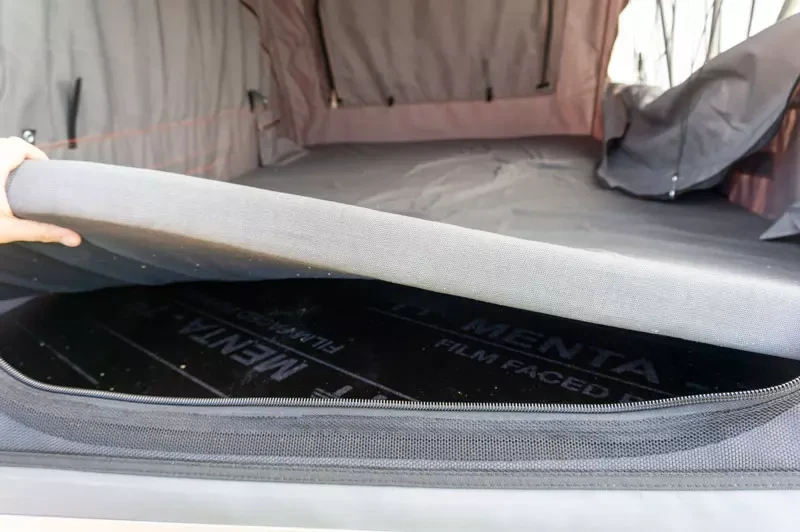
Входить в обов'язкову комплектацію від провідних виробників — Alu-Cab, ARB, Columbus, Dragon Winch, Thule. Матраци для автонаметів зазвичай мають товщину 5–8 см, виготовляються з піни або memory foam, іноді мають самонадувну конструкцію. Їх головна особливість — поєднання комфорту, невеликої ваги та можливості складання разом із наметом. Крім цього на нашому сайті можна окремо купити матрац для автонамету, для цього необхідно знати лише внутрішні розміри палатки.
Драбина
Найчастіше має складну телескопічну або шарнірну конструкцію, виготовлена з алюмінію. До її функцій входить не лише бути сходами в намет на даху, а й слугувати опорою для автопалатки на платформі на стоянках.
При виборі звертайте увагу на тип зєднання елементів, висоту сходинок, антиковзкі накладки на сходинки тощо.
Принцип встановлення на автомобіль
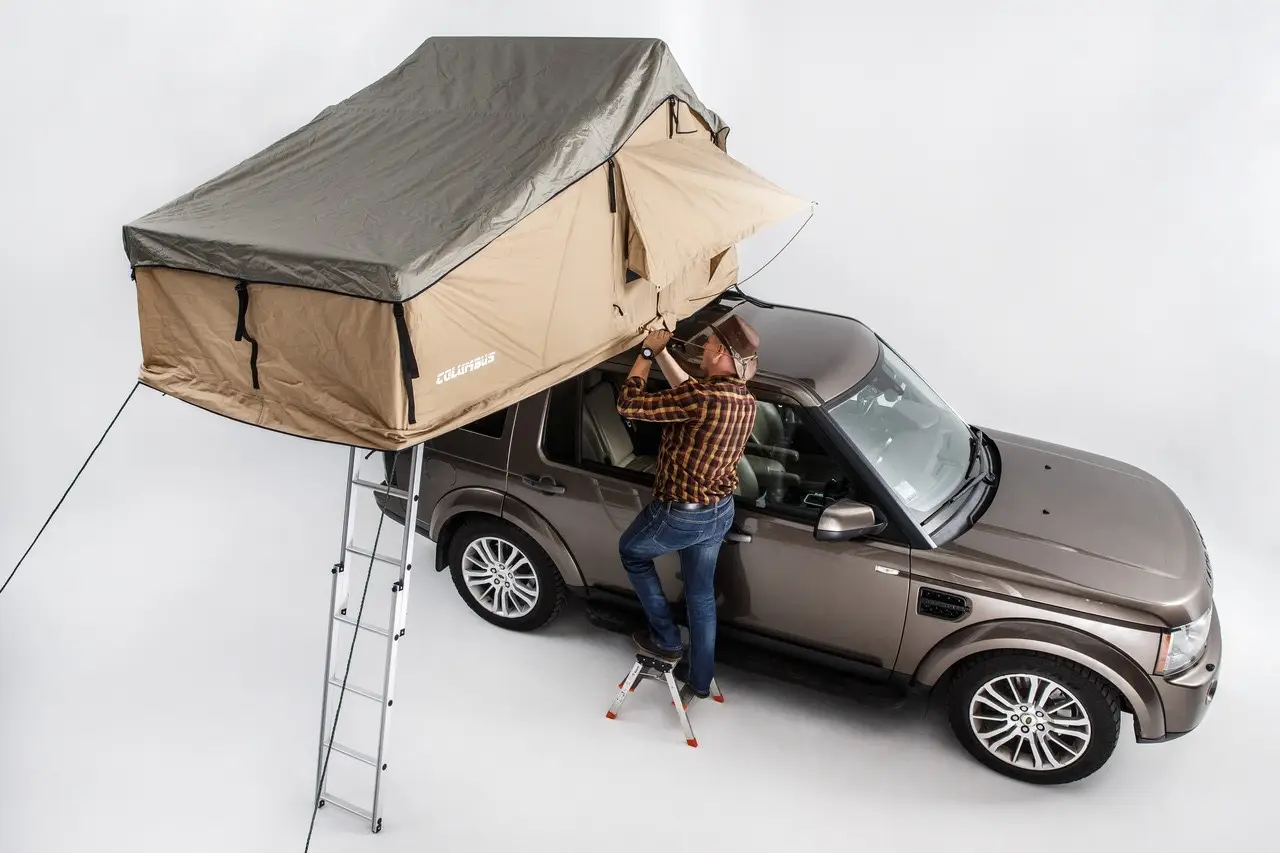
Будь-який кемпінговий автонамет встановлюється на дах автомобіля за допомогою багажної системи — поперечин або експедиційної платформи.
У нижній частині конструкції палатки на дах авто розташована жорстка основа з монтажними рейками, до яких кріпляться болти та притискні кронштейни. Саме вони фіксують намет на багажнику та забезпечують його стабільність під час руху.
Правильне встановлення важливе не лише для безпеки, а й для довговічності конструкції, тому перед монтажем варто перевірити технічні характеристики автомобіля та правильно розподілити вагу на даху.
Основні правила та нюанси установки намету на дах авто
- використання міцних поперечин або експедиційної платформи;
- правильне центрування намету на даху автомобіля: орієнтація намету може бути уздовж авто (краща аеродинаміка, підходить для хардшел наметів) або впоперек (більше спального місця, оптимально для складних моделей);
- рівномірний розподіл ваги між поперечинами забезпечує правильне навантаження не тільки на дах, але й на осі;
- надійне затягування болтів і кронштейнів;
- перевірка допустимого навантаження на дах автомобіля;
- контроль кріплень після перших кілометрів поїздки.
Даховий намет кріпиться не безпосередньо до даху, а до багажної системи, тому важливо правильно обрати її тип. Найчастіше використовують:
- поперечини (roof bars) — найпоширеніший варіант для легкових авто та кросоверів;
- експедиційну платформу — жорсткий багажник, який рівномірно розподіляє навантаження і підходить для важчих наметів;
- рейлінги з поперечинами — стандартне рішення для багатьох SUV та універсалів.
Також перед покупкою намету на позашляховик потрібно враховувати розміри даху: палатка має повністю спиратися на поперечини, не виступати за контури автомобіля та не заважати відкриванню багажника. Якщо ці умови виконані, автомобіль можна безпечно використовувати для встановлення автонамету.
Як обрати автонамет на дах авто
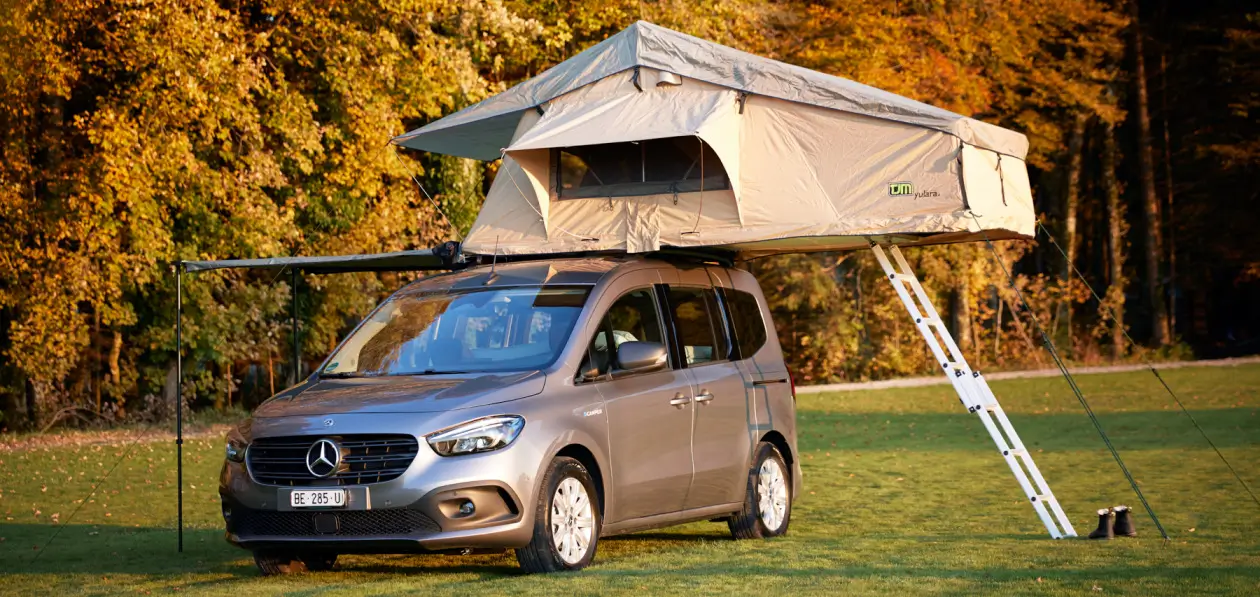
Щоб правильно обрати автонамет і не переплатити, зверніть увагу на ключові параметри:
- Тип конструкції: м’який — дешевший і легший; жорсткий (hard shell) — швидко розкладається і стійкий до вітру;
- Вага: має відповідати допустимому навантаженню даху авто;
- Розмір: залежить від кількості людей і габаритів автомобіля;
- Матеріал тенту: водостійкість від 4000 мм і захист UV;
- Сезонність: для подорожей цілий рік краще обирати всесезонні моделі.
Такий підхід допоможе обрати автонамет під ваш автомобіль і умови подорожей без зайвих витрат.
Чи підходить автомобіль для встановлення автонамету
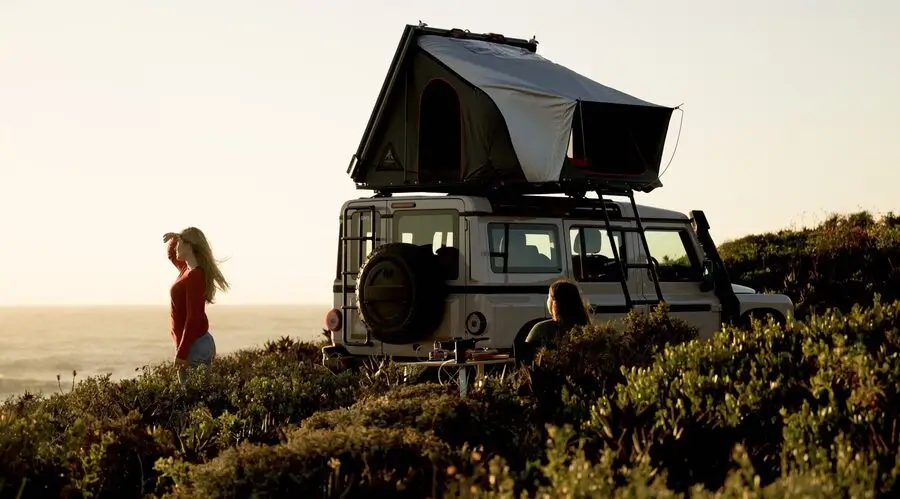
Перед монтажем автонамету важливо переконатися, що автомобіль технічно підходить для такого спорядження.
Основні параметри:
- допустиме навантаження на дах;
- тип багажної системи;
- розміри даху.
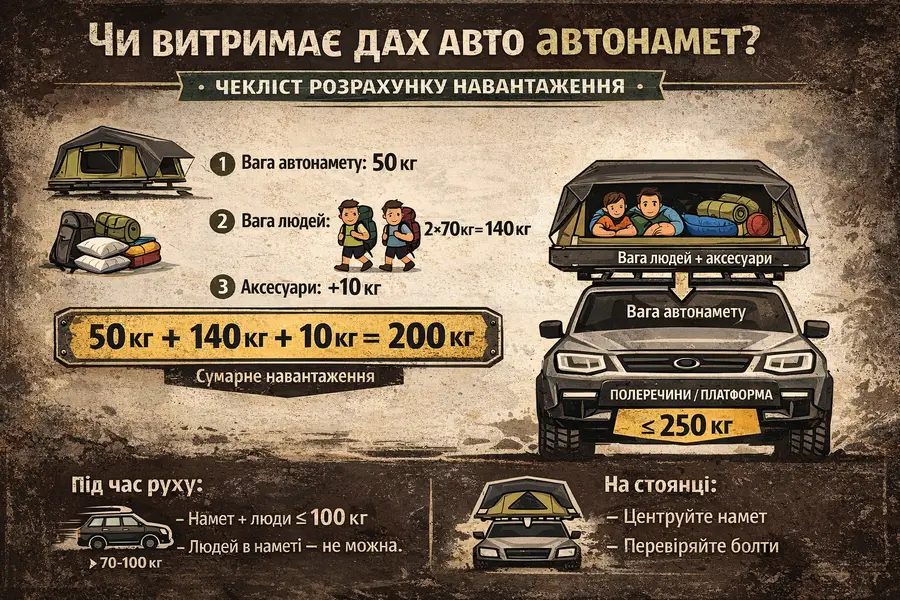
У технічних характеристиках автомобіля вказується динамічне навантаження — максимальна вага, яку дах може витримувати під час руху (зазвичай 50–100 кг).
Для перевірки використовують просту формулу:
Вага автонамету + вага багажника ≤ допустиме навантаження даху
Наприклад:
55 кг (намет) + 15 кг (поперечини) = 70 кг
Якщо допустиме навантаження даху становить 75 кг — установка буде безпечною.
На стоянці враховується статичне навантаження, яке значно більше:
Статичне навантаження = вага намету + вага людей + спорядження.
Переваги автонаметів у подорожах
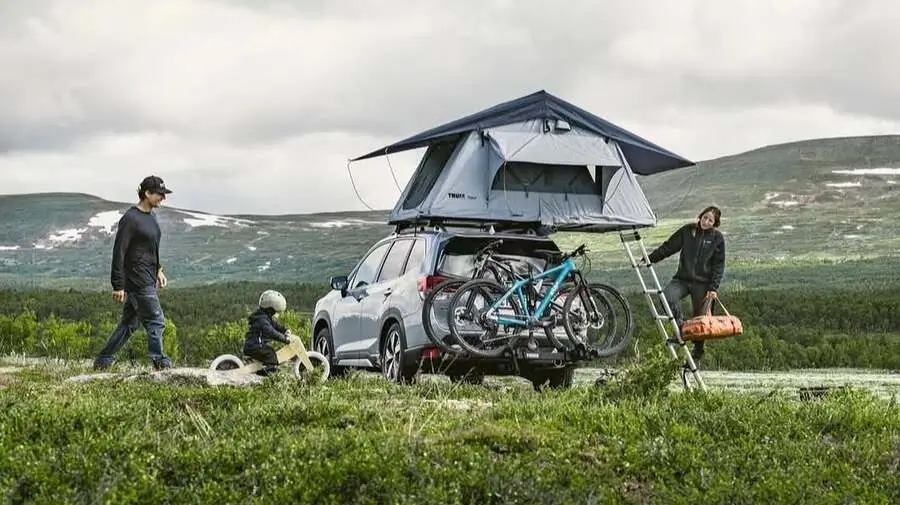
- Швидке встановлення табору. Більшість моделей розкладаються за 1–3 хвилини без складних інструментів. Це дозволяє швидко облаштувати місце для ночівлі навіть після довгого дня в дорозі. Наприклад, експедиційний намет Alu-Cab Gen 3.1 розкладається за лічені секунди завдяки газовій амортизації.
- Комфортний сон над землею. Спальне місце знаходиться на платформі над автомобілем, тому ви не контактуєте з холодною або нерівною поверхнею. У більшості моделей передбачений вбудований матрац, що робить сон значно комфортнішим. Також в наметах передбачена вентиляція, а в деяких моделях від Alu-Cab навіть підігрів.
- Захист від вологи та комах. Тканина автомобільних наметів має водовідштовхувальні властивості, а вентиляційні вікна оснащені москітними сітками. Це дозволяє залишатися в сухості та захищає від комах навіть у вологому або лісовому середовищі. Окремі виробники пропонують купити додатковий захист від вологи, наприклад Thule Tepui Weatherhood Kukenam 3.
- Мобільність у подорожах. Автонамет завжди знаходиться на автомобілі, тому вам не потрібно шукати спеціальні місця для встановлення табору. Ви можете зупинитися практично будь-де, де дозволена стоянка, і швидко підготувати місце для відпочинку.
Ваша пригода починається з правильного вибору
Автонамет — це не просто частина спорядження, це ваш квиток до безмежної свободи подорожей. Він відкриває нові можливості для дослідження найвіддаленіших куточків, дозволяючи прокидатися в оточенні дикої природи, не відмовляючись від затишку.
Щоб ваша наступна подорож була по-справжньому комфортною та безтурботною, важливо зробити правильний вибір спорядження. Ми розуміємо, наскільки це важливо, тому у Vnedorognik.ua зібрали широкий асортимент наметів на дах авто та аксесуарів, які відповідають найвищим стандартам якості та надійності.
Наші консультанти готові поділитися експертними знаннями, щоб допомогти вам зорієнтуватися у різноманітті моделей та підібрати рішення, що ідеально відповідатиме вашому автомобілю та індивідуальним потребам.
Зробіть крок назустріч новим враженням – адже з правильно підібраним автонаметом від нас, ваша наступна подорож стане незабутньою історією, яку захочеться переживати знову і знову.


 414
414
 2хв
2хв 


