


 Назад
Назад 





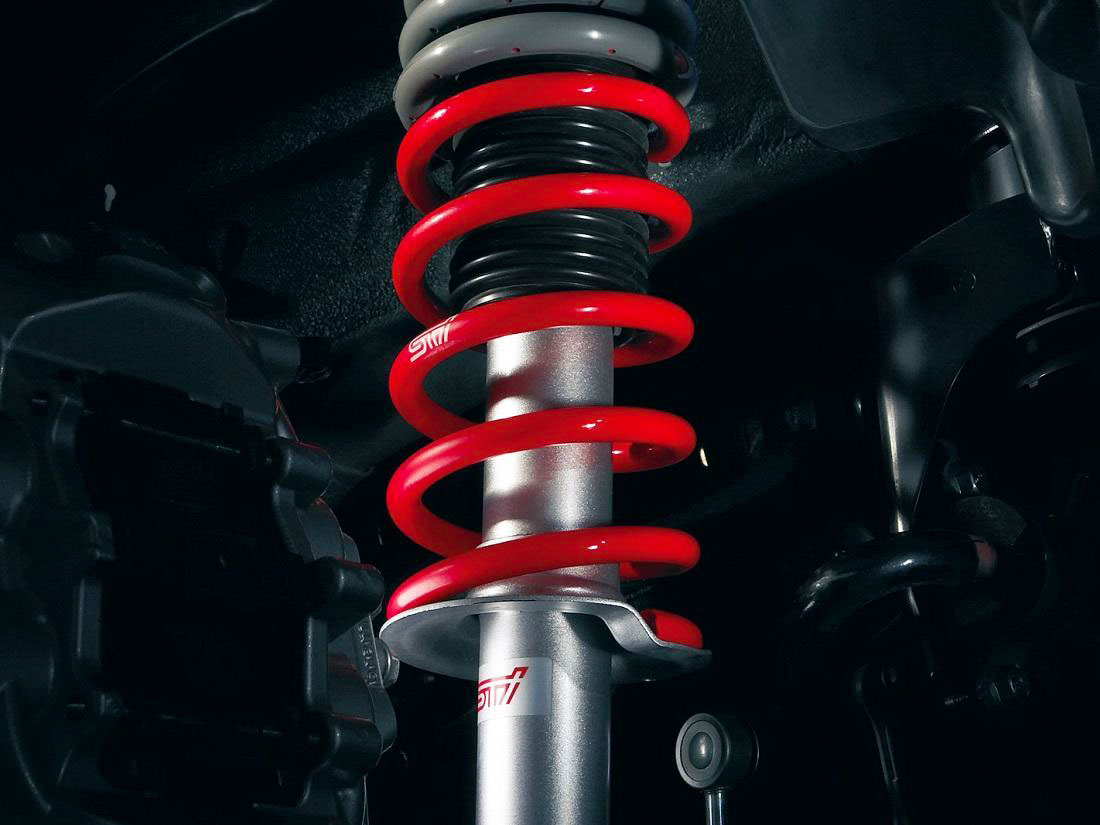
Практично кожного автовласника турбує одне і теж запитання - коли ж потрібно здійснювати заміну амортизатора і чи потрібно взагалі. У даній статті ми не тільки відповімо на нього, а й докладно розберемо основні ознаки зменшення продуктивності амортизатора. Тож, почнімо:
Як визначити несправність амортизатора
Бувалі автолюбителі виділяють два види факторів несправності амортизаторів - явні і поведінкові. Перші - ті зміни в конструкції, які можна визначити візуально, другі - проявляються при русі автомобіля, їх, так би мовити, «можна відчути на собі». Розглянемо більш детально кожен з них.
Візуальні ознаки пошкодженої стійки:
- Протікає масло.
- Зношені сайлентблоки.
- Пошкоджений амортизатор - тріщини, викривлений корпус, пошкоджені болти.
- Корозія опори пружини.
Поведінкові фактори виходу з ладу амортизатора:
1. Повздовжні нахили автомобіля.

2. Розгойдування при розгоні.

3. Жорсткість, тряска при русі.
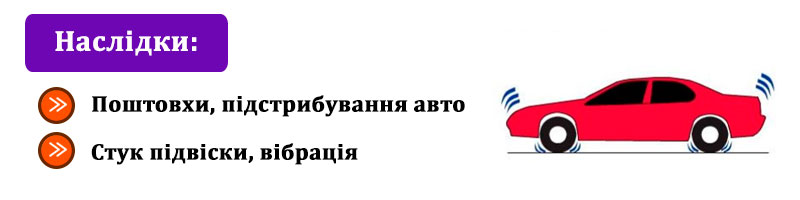
4. Відхилення від прямого шляху.
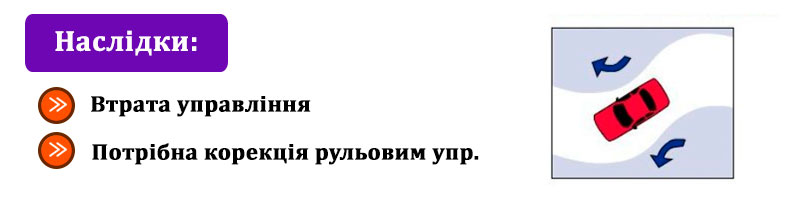
5. Крен кузова (розгойдування).

6. Пробої підвіски.
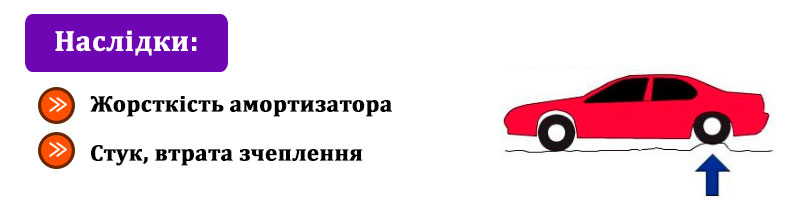
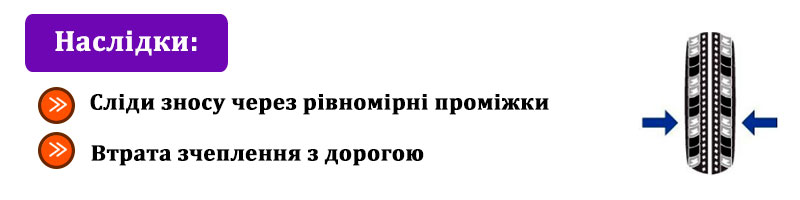
7. Зношення шин.
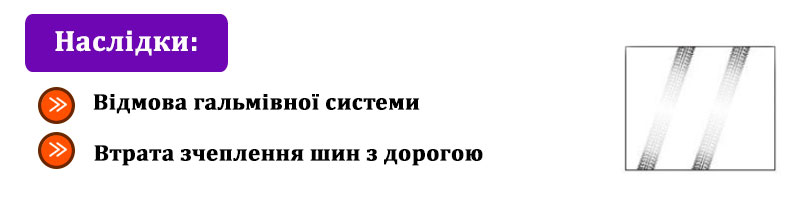
8. Втрата зчеплення.
Коли міняти амортизатор
Слід знати, що амортизатор, як і всі деталі авто, схильний до зношування. Багато виробників рекомендують перевіряти дану конструкцію через кожні 20-30 тис. км. пробігу. Що стосується заміни - приблизний термін зносу амортизатора становить 60-100 тис. км. На даному етапі рекомендуємо ретельніше оглянути пристрій і при необхідності замінити.
Якщо ж Ви хочете максимально продовжити термін роботи амортизатора, експерти нашого інтернет-магазину радять дотримуватися наступних правил:
| Операція | Після кожної експлуатації | Наприкінці сезону | Щорічно |
| Ретельне очищення зони буфера стиску | Так | Так | Так |
| Зовнішня очистка | Так | Так | Так |
| Перевірка штока на пошкодження або корозію | Перевірка | Перевірка /Заміна | Перевірка /Заміна |
| Перевірка герметизуючої головки на витоку або ослаблення установки | Перевірка | Перевірка | Перевірка |
| Перевірка всіх кріпильних елементів на предмет ослаблення затяжки | Перевірка | Перевірка | Перевірка |
| Перевірка шарнірів опор | Перевірка | Перевірка | Перевірка |
| Заміна масла, поршня, кільця, обслуговування внутрішніх деталей, перевірка тиску масла | Кожні півроку або рік залежно від умов використання (проводить авторизована ремонтна служба) | ||
Як замінити амортизатор: покрокове керівництво
Купівля нового амортизатора ще не гарантує ефективну роботу автомобіля. Навіть найякісніша стійка може вийде з ладу при неправильній установці. Тому, якщо ви не довіряєте працівникам автосервісу і вирішили замінити амортизатор власноруч, пропонуємо дотримуватися наступної покрокової інструкції:
1. Відкрутіть гвинти кріплення кришки повітряного фільтра і витягніть фіксатори.
2. Відкрутіть кріплення вакуумного датчика і від'єднайте від нього коннектор.
3. Від'єднайте хомут кріплення патрубка подачі повітря і, власне, сам патрубок.
4. Зніміть кришку повітряного фільтра і накрийте патрубок подачі повітря серветкою з мікрофібри, щоб уникнути попадання в систему пилу і бруду.
5. Очистіть і трохи ослабте кріплення верхньої опори амортизаційної стійки.
6. Підніміть передню частину автомобіля і закріпіть на підставках.
7. Відкрутіть болти кріплення колеса.

8. Очистіть кріплення датчика ABS і гальмівного шланга.
9. Від'єднайте електропровідність і гальмівний шланг від кронштейна на амортизаційній стійці.
10. Очистіть кріплення тяги стабілізатора до амортизаційної стійки і поворотного кулака. Зніміть тягу з пристрою.
11. Відверніть нижнє кріплення стійки амортизатора до поворотного кулака і підіпріть поворотний кулак за допомогою гідравлічної стійки.
12. Вийміть болти кріплення і від'єднайте поворотний кулак від амортизаційної стійки.
13. Відкрутіть верхнє кріплення опори стійки.

14. Вийміть амортизатор.
15. Встановіть новий амортизатор в колісну арку.
16. Угвинтіть верхнє кріплення опори стійки амортизатора. Не затягуйте.

17. Обробіть посадочне місце стійки на поворотному кулаці і його кріплення (використовуйте щітку по металу). Закріпіть конструкцію.
18. Встановіть болти кріплення. Приберіть опору з-під поворотного кулака. Затягніть нижнє кріплення стійки.

19. Закріпіть стійку стабілізатора поперечної стійкості на амортизаційній стійці.
20. Підключіть кріплення кабеля датчика ABS до стійки. Закріпіть на ній шланг гальмівної системи.
21. Очистіть посадочне місце колісного диска (використовуйте мідне мастило) і затягніть верхнє кріплення опори стійки.
22. Підключіть конектор датчика витрати повітря і закрутіть
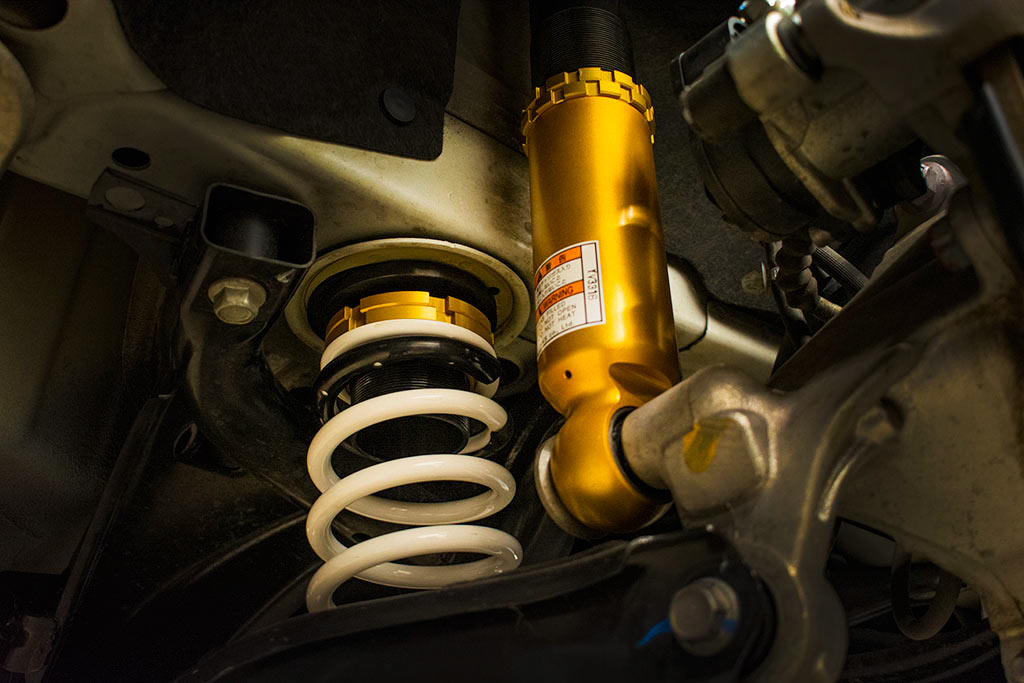
Амортизатор - досить потрібний пристрій, який прослужить максимально довго при правильному і дбайливому використанні. Важливу роль відіграє і якість продукції. Купуйте тільки ліцензовані стійки в перевірених магазинах.
Що стосується заміни - в цій справі краще не затягувати, а відразу змінити проблемні вузли, щоб потім не здійснювати ремонт амортизатора власними руками або не шукати найближчий автосервіс.


 613
613
 4хв
4хв 


