


 Назад
Назад 

Купівля електромобіля — це крок у майбутнє, але реалії українських електромереж іноді повертають нас у суворе сьогодення. Стрибки напруги, «просідання» мережі ввечері або різкі імпульси можуть не просто зупинити зарядку, а й пошкодити дорогий інвертор чи бортовий зарядний пристрій вашого Tesla, Nissan Leaf чи Audi e-tron.
Давайте розберемося, як вибрати стабілізатор для зарядки електромобіля, щоб ваш «залізний кінь» завжди був готовий до виїзду, а ви спали спокійно.
Чому електромобілю потрібен «охоронець»?
Сучасні електрокари — це, по суті, великі комп'ютери на колесах. Більшість штатних зарядних пристроїв мають вбудований захист, але він працює за принципом «все або нічого»: якщо напруга виходить за межі (наприклад, нижче 180В або вище 250В), зарядка просто вимикається.
Ви розраховуєте вранці виїхати з повним баком, а знаходите машину «голодною». Гірше того, постійні мікрострибки поступово випалюють електроніку. Саме тому якісний стабілізатор — це не розкіш, а необхідний додаток до розетки.
Головні критерії вибору
1. Потужність (Найважливіший пункт!)
Стандартна домашня зарядка споживає близько 3.6 кВт (16А). Швидші однофазні станції можуть «тягнути» 7.4 кВт (32А).
- Золоте правило: Потужність стабілізатора повинна бути на 30% вищою за потужність зарядки.
- Якщо зарядка на 3.5 кВт — беріть стабілізатор на 5 кВт.
- Якщо на 7 кВт — вам потрібен апарат на 9-10 кВт. Запас потрібен для того, щоб стабілізатор не працював на межі можливостей і не вимикався при падінні вхідної напруги.
2. Тип стабілізатора
Не всі стабілізатори однаково корисні для електрокара:
- Релейні: Дешеві, але повільні. При перемиканні ступенів виникає мікропауза, яку чутлива електроніка авто може сприйняти як помилку.
- Сервопривідні: Плавно регулюють напругу, але мають рухомі частини, які зношуються, і працюють занадто повільно для різких стрибків.
- Симісторні/Тиристорні (Оптимальний вибір): Швидкі, безшумні та надійні. Вони миттєво реагують на зміни в мережі. Це «золота середина» для приватного будинку.
- Інверторні (Double Conversion): Найкраще, що придумало людство. Вони перетворюють змінний струм на постійний, а потім знову на ідеальний змінний з ідеальною синусоїдою. Дорого, але для преміальних електрокарів — ідеально.
- Секрети монтажу та експлуатації
Перш ніж вибрати стабілізатор для зарядки електромобіля, перевірте свою проводку. Немає сенсу ставити потужний прилад, якщо до розетки веде тонкий дріт, який гріється.
- Заземлення: Це критично! Більшість електромобілів (особливо Tesla та Renault Zoe) просто не почнуть заряджатися, якщо стабілізатор або розетка не мають якісного заземлення.
- Місце встановлення: Стабілізатор виділяє тепло. Не закривайте його в глухих шафах. Обирайте провітрюване приміщення або гараж.
- Наскрізний режим (Bypass): Корисно, якщо стабілізатор вийде з ладу — ви зможете пустити струм напряму, поки прилад в ремонті.
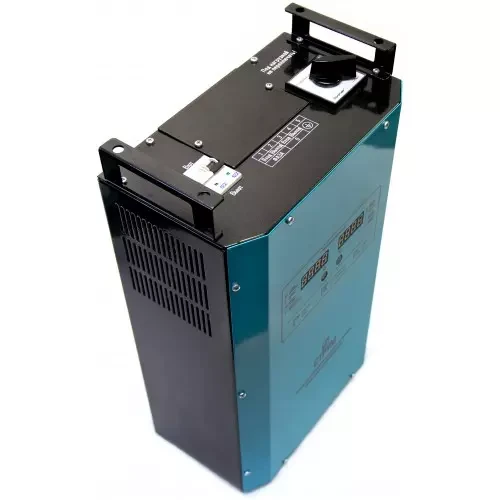
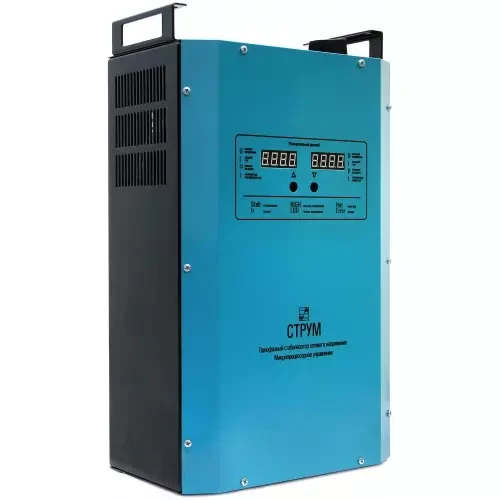
Популярні стабілізатори
Порада від Vnedorognik.ua
Якщо ви часто подорожуєте і заряджаєтесь у випадкових місцях (готелі, гостьові будинки), зверніть увагу на переносні компактні моделі. Але для постійного домашнього використання ми рекомендуємо стаціонарні настінні рішення.
Не економте на «запобіжнику» для машини, вартість якої в десятки разів вища за ціну стабілізатора. Обирайте симісторні або інверторні моделі з гарним запасом потужності — і ваш електромобіль віддячить вам довгою службою батареї.
Потрібна допомога у виборі обладнання для вашого позашляховика чи електрокара? Заходьте в каталог Vnedorognik.ua — у нас є все для впевнених подорожей!





 486
486


 4хв
4хв 


