


 Назад
Назад 

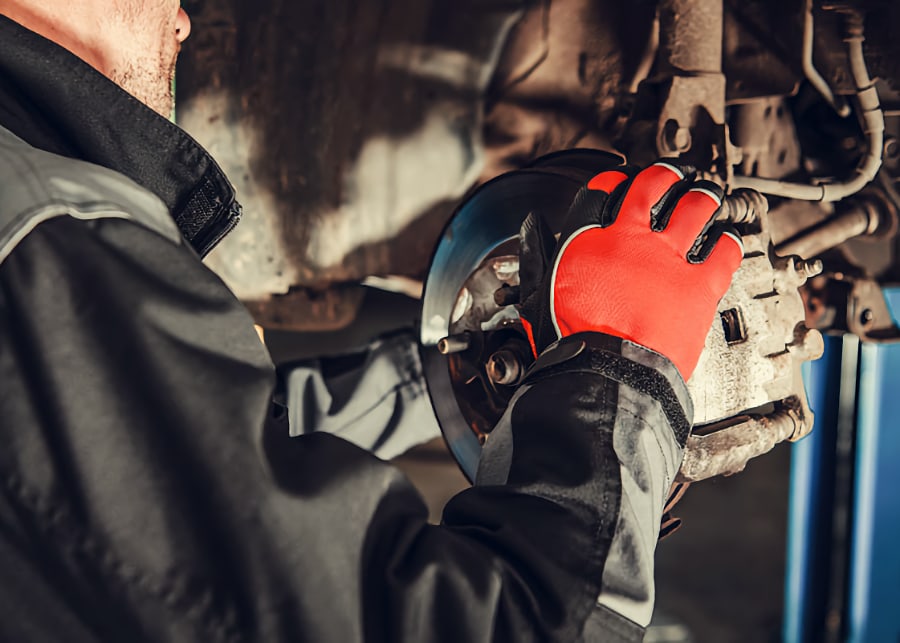
Гальмівна система автомобіля - це найважливіша складова вашої безпеки за кермом. Сотні тисяч аварій у всьому світі відбуваються через відмову гальм. Щоб убезпечити себе та оточуючих, варто регулярно стежити за технічним станом гальмівної системи вашого авто та обслуговувати її згідно з рекомендаціями виробника.
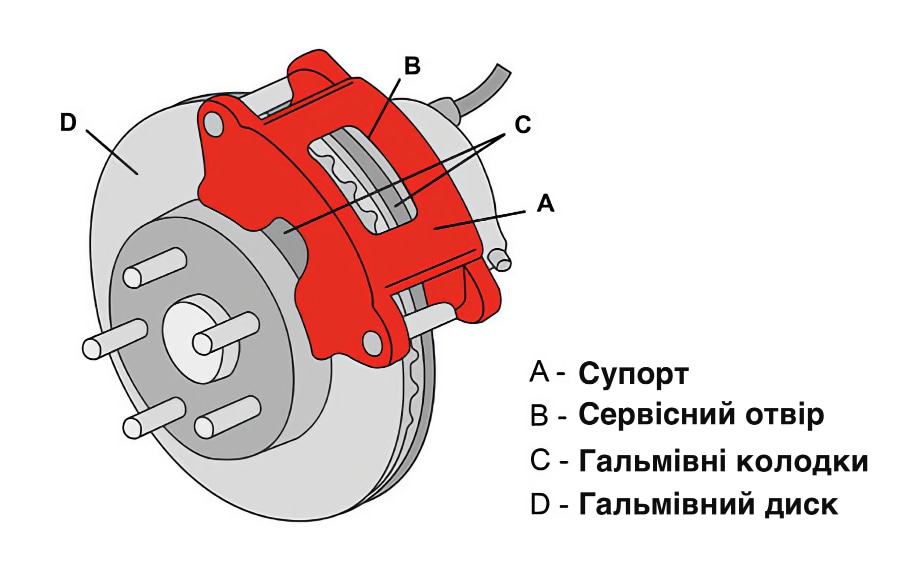
Гальмівна система практично всіх автомобілів складається з наступних компонентів:
- Гальмівні трубопроводи. Спеціальна рідина використовується в гідравлічних системах передачі тиску від педалі до гальма. Вона зберігається в головному циліндрі та надходить до супортів через гальмівні магістралі.
- Гальмівні колодки - притискаються до диску та створюють тертя, необхідне для уповільнення та зупинення автомобіля. Вони можуть бути виготовлені з металу, кераміки або органічного матеріалу та бути вентильованими або невентильованими.
- Гальмівні диски - мають форму кола і прикріплені до колеса, приймаючи кінетичну енергію і перетворюючи її на теплову, яка потім поглинається і розсіюється.
- Супорта - притискають гальмівні колодки до дисків, щоб уповільнити і зупинити автомобіль.
Коли міняти гальма?
Якщо ви не знаєте точний пробіг вашого автомобіля, загальне правило полягає в тому, щоб проводити огляд гальмівної системи щорічно або кожні 30000 - 50000 км. Терміни заміни колодок становлять 15000 – 30000 км, а диски слід міняти кожні 80000 – 120000 км.
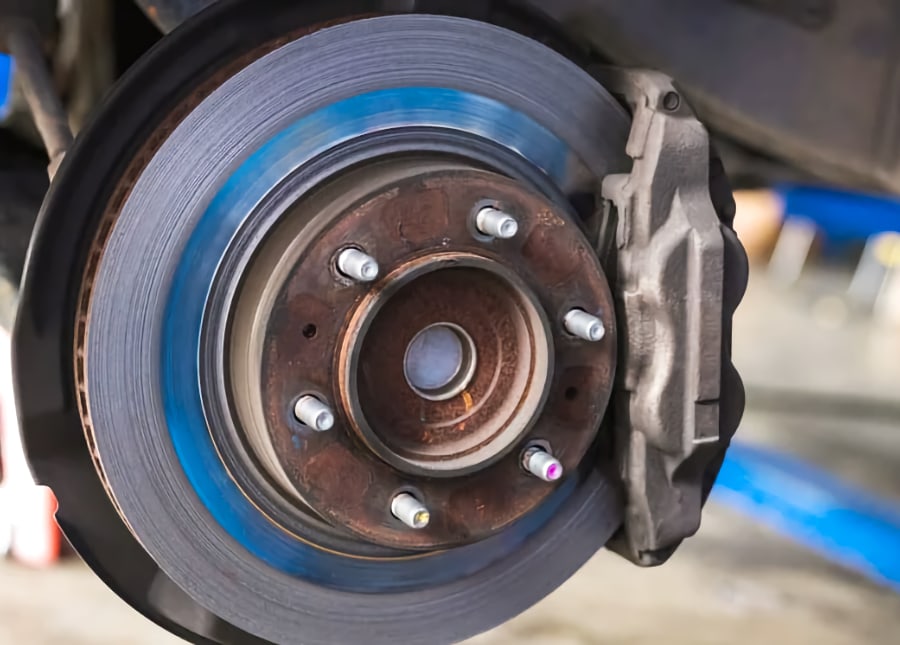
Цифри можуть змінюватися в залежності від того, як ви керуєте автомобілем. Якщо ви перевозите важкі вантажі або проводите багато часу в пробках, ваші гальма зношуватимуться набагато швидше ніж в автомобілі, що використовується для їзди по шосе. Крім того, якщо ви активний водій, часто і сильно гальмуєте, компоненти зношуватимуться значно швидше.
Як визначити знос гальмівних дисків?
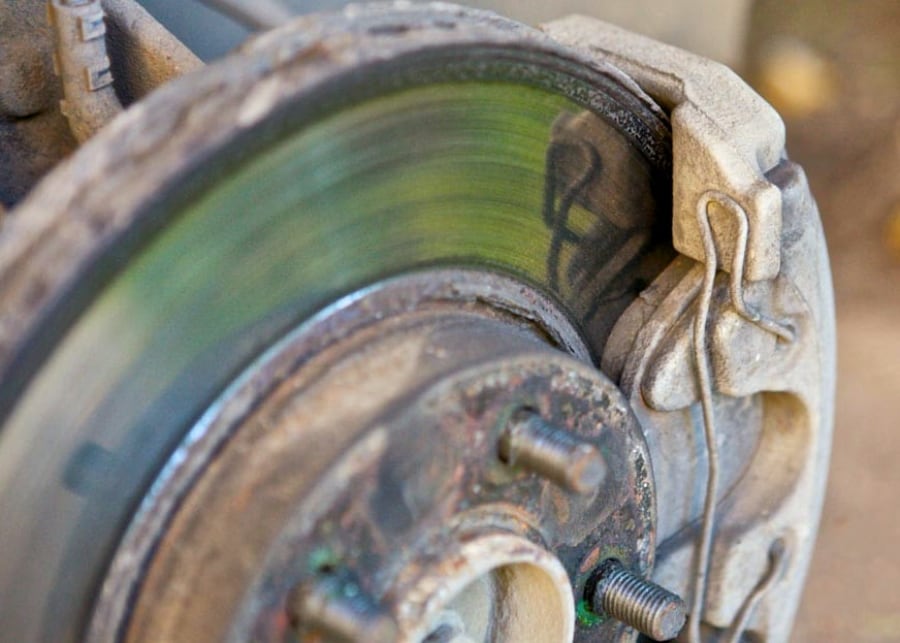
Як водій, в першу чергу ви можете відчути у процесі керування що з вашими гальмами щось не так. Якщо ви помітите одну з цих ознак, то швидше за все ваші гальмівні диски сильно зношені:
- при натисканні на педаль гальма є сильні вібрації;
- регулярне биття педалі у процесі гальмування;
- металевий скрип, який може змінювати тональність по мірі обертання коліс.
Це неявні, але чіткі ознаки того, що слід якнайшвидше провести діагностику гальмівної системи та замінити зношені компоненти.

Якщо у вас є можливість зняти колесо, демонтувати колодки, супорт і оглянути всю поверхню гальмівного диска, можна визначити проблему без поїздки в сервіс. Щоб дізнатися ступінь зносу гальмівного диска, існує кілька методів:
Перевірити контрольні мітки - виробники, як правило, наносять спеціальні проточки, за станом яких можна визначити ступінь зношування диска. Якщо в зоні контакту диска з колодкою мітка повністю зникла, варто замінити деталь на нову.
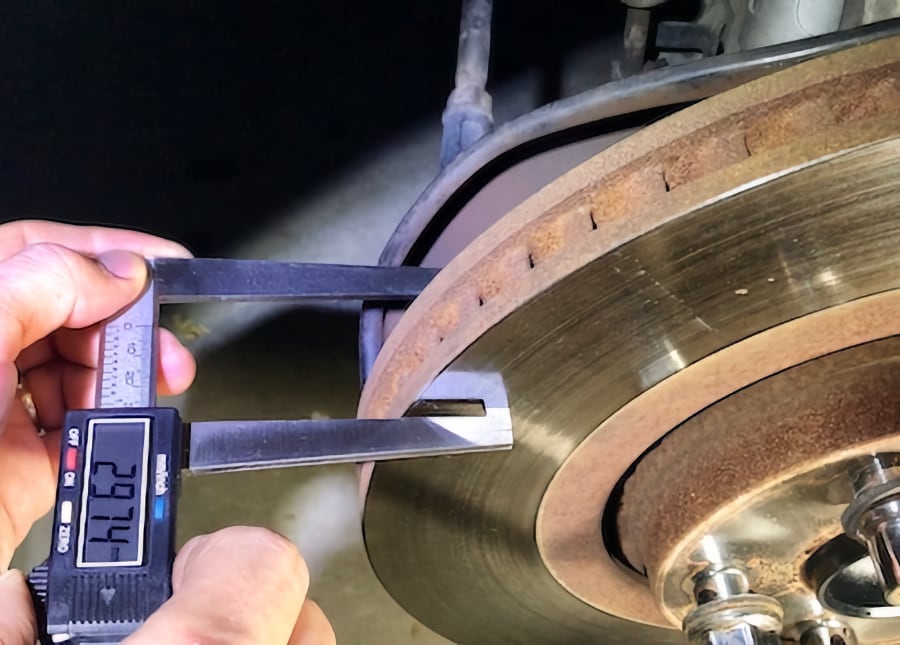
Виміряти товщину диска. Зробити це можна за допомогою штангенциркуля. Але яка має бути товщина гальмівного диска? У посібнику з використання у більшості випадків можна знайти мінімально допустимі значення товщини кромки гальмівного диска.
Оглянути деталь на зразок механічних пошкоджень. Відчутні тріщини (більше 1 мм), сколи, борозни та інші типи деформації можуть призвести до руйнування диска у разі сильного гальмування. Гальмівні диски із серйозними дефектами не допускаються до використання.
Визначити биття диску. У сервісі можна використовувати мікрометр, яким можна визначити амплітуду биття гальмівного диска. Якщо значення перевищують 100 мікрон, такий диск у процесі використання створюватиме помітні вібрації, швидше зношуватиме гальмівні колодки та погіршить ефективність гальмування.
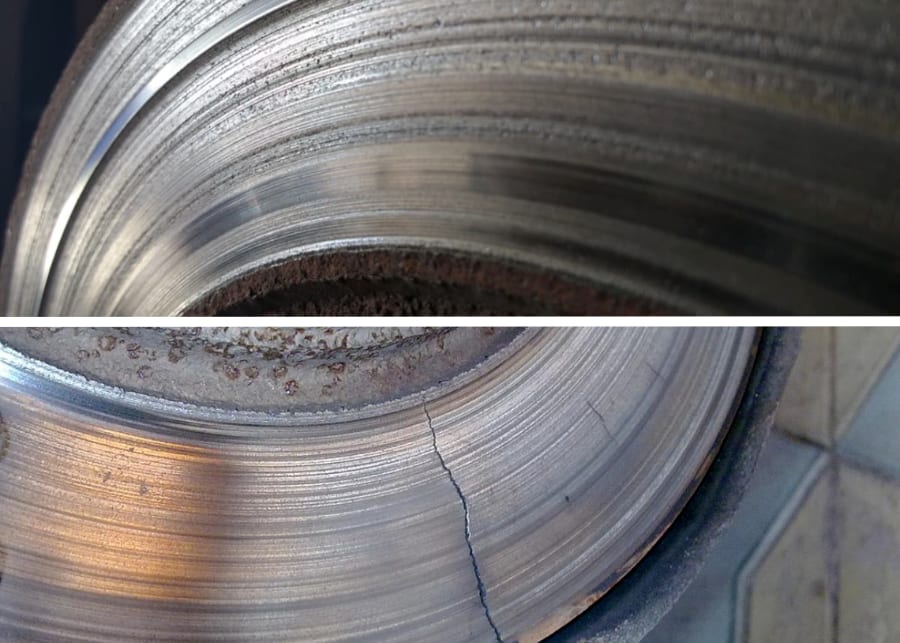
Якщо у вашого автомобіля спостерігаються якісь із цих ознак, слід замінити погані компоненти системи. Це не тільки підвищить вашу безпеку за кермом авто, а й дозволить заощадити на ремонті у разі виходу диска з ладу або заміні гальмівних колодок, які при роботі із зіпсованим диском зношуватимуться швидше.
Яка ціна заміни гальмівних дисків?
Вартість ремонту гальм буде сильно залежати від моделі вашого автомобіля та якості обраних запчастин. Але для приблизної оцінки витрат на ремонт ви можете відкрити каталог гальмівних дисків для свого автомобіля та оцінити вартість деталей. Фахівці сервісних центрів радять при заміні дисків змінювати і гальмівні колодки, оскільки їх зношування може знизити ефективність роботи системи гальмування.
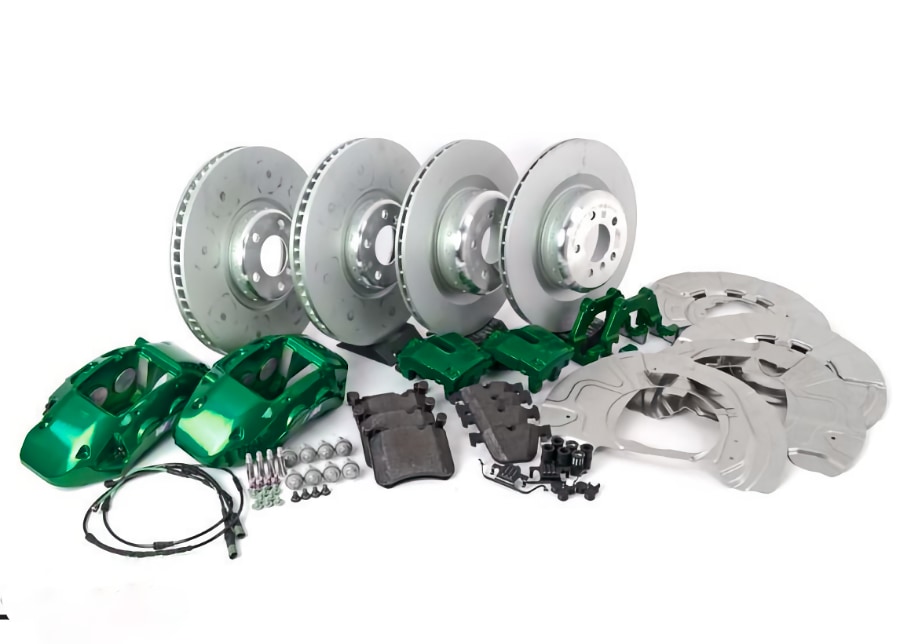
Ціна робіт із заміни цих деталей в Україні коштує в діапазоні від 30 до 100 доларів за один диск. А вибрати якісні запчастини для гальмівної системи позашляховика, пікапа або інших транспортних засобів ви можете у каталозі Vnedorognik. У нашому інтернет-магазині надано широкий список якісних та оригінальних деталей за приємними цінами з доставкою по Україні.





 589
589
 2хв
2хв 


