


 Назад
Назад 

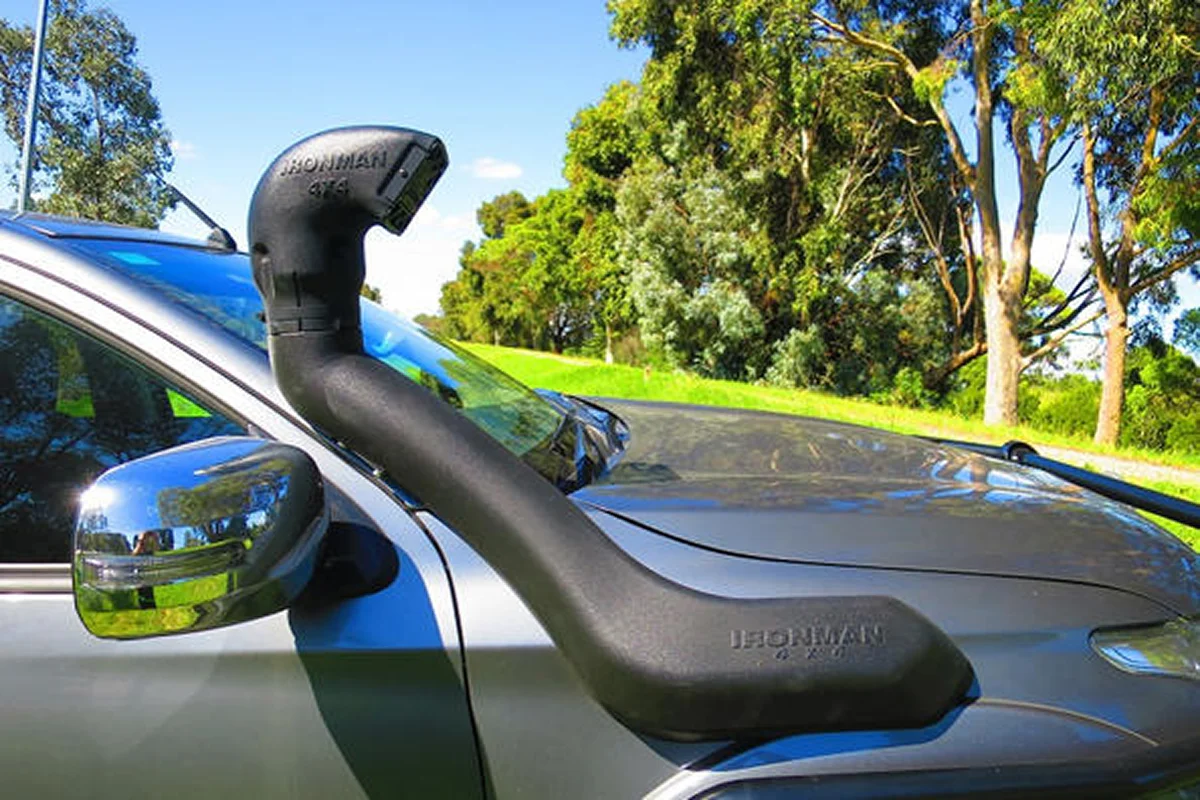
Коли бачиш позашляховик із пластиковим «хоботом», що тягнеться вздовж стійки лобового скла, перша думка зазвичай одна: «О, цей хлопець збирається штурмувати річки по дах». Більшість початківців сприймають шноркель на авто як такий собі перископ для підводного човна. Мовляв, якщо я не планую форсувати глибокі броди, то й ця «труба» мені ні до чого.
Але давайте на чистоту: скільки часу за всю «кар'єру» джипа він реально проводить у воді? 1%, можливо 2%? Насправді, рішення купити шноркель — це не про екстремальні запливи. Це про те, чим дихає ваш мотор щодня. На Vnedorognik.ua ми часто кажемо клієнтам: якщо ви плануєте виїжджати далі асфальту, зовнішній повітрозабірник потрібен вам не для води, а для чистого повітря.
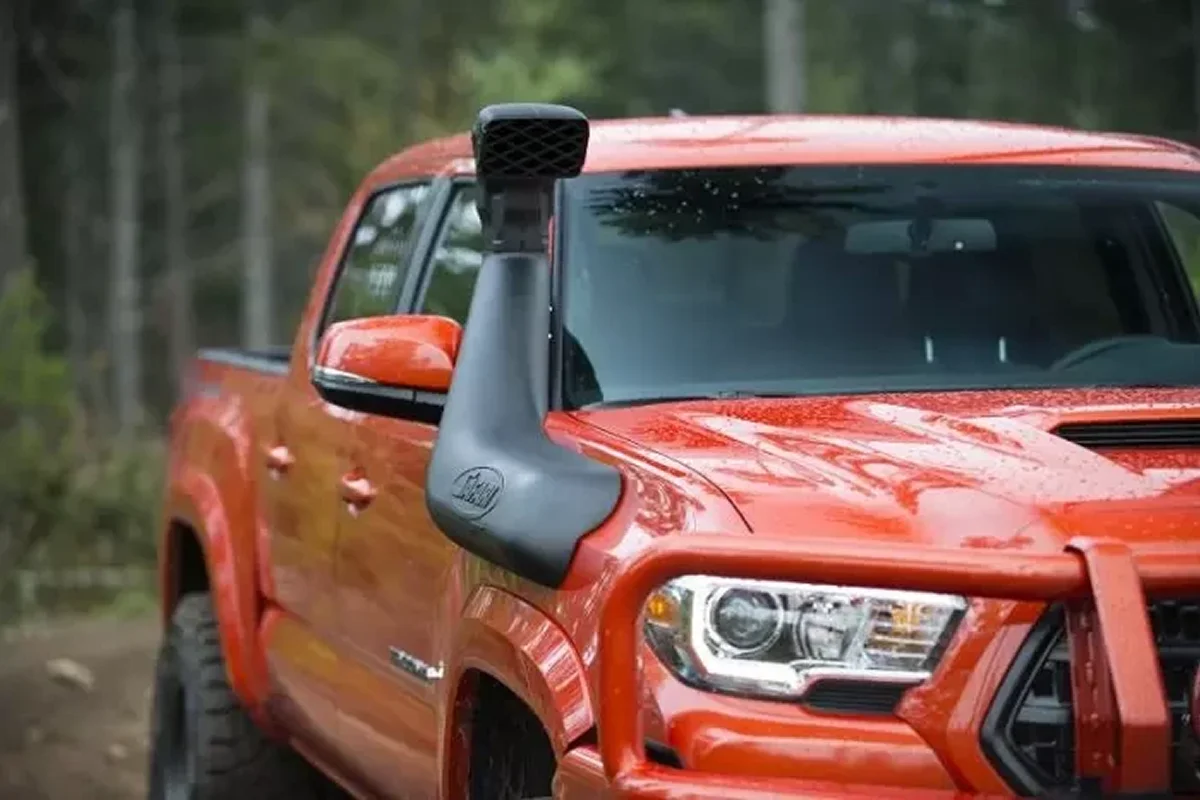
Пиловий «мішок»: головний ворог під капотом
Згадайте будь-який виїзд колоною по ґрунтовці влітку. Попереду йде «батя» на підготовленій машині, а ви — за ним у густій, рудій хмарі пилу. Що в цей момент робить ваш двигун? Він відчайдушно намагається висмоктати повітря з підкапотного простору.
А під капотом зараз — справжня піщана буря. Штатний повітрозабірник зазвичай розташований десь у районі фари або під крилом. Це саме те місце, де концентрується найважчий, найбрудніший пил та пісок.
Що відбувається далі?
Повітряний фільтр забивається за одну поїздку. Ви можете міняти його щотижня, але це лише боротьба з наслідками, а не вирішення проблеми.
Абразивний знос. Найдрібніші частинки пилу все одно проходять крізь папір фільтра. Вони потрапляють у циліндри, працюючи як наждак. Результат — передчасна «капіталка» двигуна, якої можна було уникнути, якщо вчасно встановити якісний шноркель.
Висока точка забору повітря переносить «легені» авто на висоту 2 метрів. Там повітря значно чистіше, розрідженіше і, що важливо, холодніше.
Холодне повітря = краща тяга
Це фізика, яку ми часто ігноруємо при виборі тюнінгу. Під капотом працюючого позашляховика температура може сягати 80–90 градусів. Гаряче повітря має меншу щільність, а отже — містить менше кисню. Двигуну доводиться «напружуватися», щоб видати ту саму потужність.
Коли ви вирішуєте встановити шноркель, ви подаєте в камеру згоряння прохолодний потік ззовні. Двигун починає дихати «на повні груди», суміш згорає ефективніше, а ви відчуваєте кращий відгук на педаль газу та навіть невелику економію пального.
«Ефект пилотяга» та рух у колоні
Якщо ви їдете в експедицію, де більше ніж три машини, шноркель (ціна якого значно нижча за ремонт двигуна) стає питанням виживання авто. Коли ви рухаєтесь у хвості, ваша машина працює як потужний пилотяг. Встановлення системи зі спеціальною насадкою-циклоном (така кругла «каструля» нагорі) дозволяє відсіяти до 90% великого пилу ще до того, як він дійде до фільтра. Пил просто викидається назовні під дією відцентрової сили.
А як же захист від гідроудару?
Звісно, гідроудар — це страшний сон джипера. Одне невдале потрапляння в калюжу на швидкості, хвиля через капот, ковток води в штатний вхід — і ваш двигун перетворюється на нерухому купу металу. Професійний шноркель Safari або Bravo дає право на помилку. Він дозволяє не панікувати, коли калюжа виявилася глибшою, ніж здавалося з вікна.
Порада від Vnedorognik.ua: тюнінг має бути розумним
Ми бачили багато «самопальних» труб з водопровідного пластику, які тріскаються на першій гілці. Справжній фірмовий аксесуар має бути:
- Міцним: З лінійного поліетилену низької щільності (LLDPE), який не боїться ударів об дерева.
- Герметичним: Погано встановлена система — це гірше, ніж її відсутність, бо вона створює ілюзію безпеки.
- Правильно розвернутим: У дощ або сніг верхній «гусак» краще розвертати назад, щоб не забивати систему опадами.
Не сприймайте цей елемент як прикрасу для суворих джиперів. Це «легені» вашого автомобіля. Якщо ви хочете, щоб ваш мотор прослужив сотні тисяч кілометрів без проблем — дайте йому дихати чистим повітрям.




 451
451

 3хв
3хв 


