


 Назад
Назад 

У разі руху транспортного засобу на повороті, кожне колесо обертається з дещо різною швидкістю. Це пов'язано з тим, що дистанція, пройдена зовнішніми колесами, трохи довша від шляху внутрішніх. Для цього необхідно мати пристрій диференціала в автомобілі.
Як працює диференціал автомобіля? Детально про це далі.
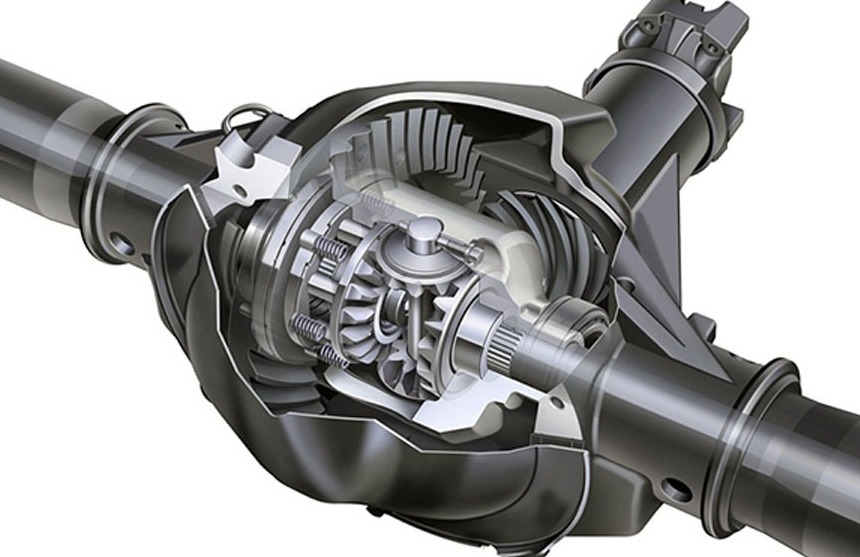
Диференціал автомобіля принцип роботи, призначення
Призначення - регулювання швидкості провідних колес.
Карданний вал обертає шестерні, які передають потужність на півосі для переміщення коліс. Хитрість в тому, що шестерні дозволяють полуосям і, отже, колесо обертатися з різною швидкістю.
Принцип роботи
Відбувається розподіл крутного моменту двигуна на два виходи, кожен з яких обертається з різною швидкістю.
Якщо одна шина втрачає контакт з дорогою, протилежна їй також відчуває зниження тягового зусилля. У гіршому випадку машина застрягне, і одне колесо буде вільно крутитися, а друге з кращим зчепленням не забезпечує необхідний крутний момент, щоб авто зрушило з місця. Сьогоднішні протибуксирувальні системи відшкодовують прослизання колеса гальмами.
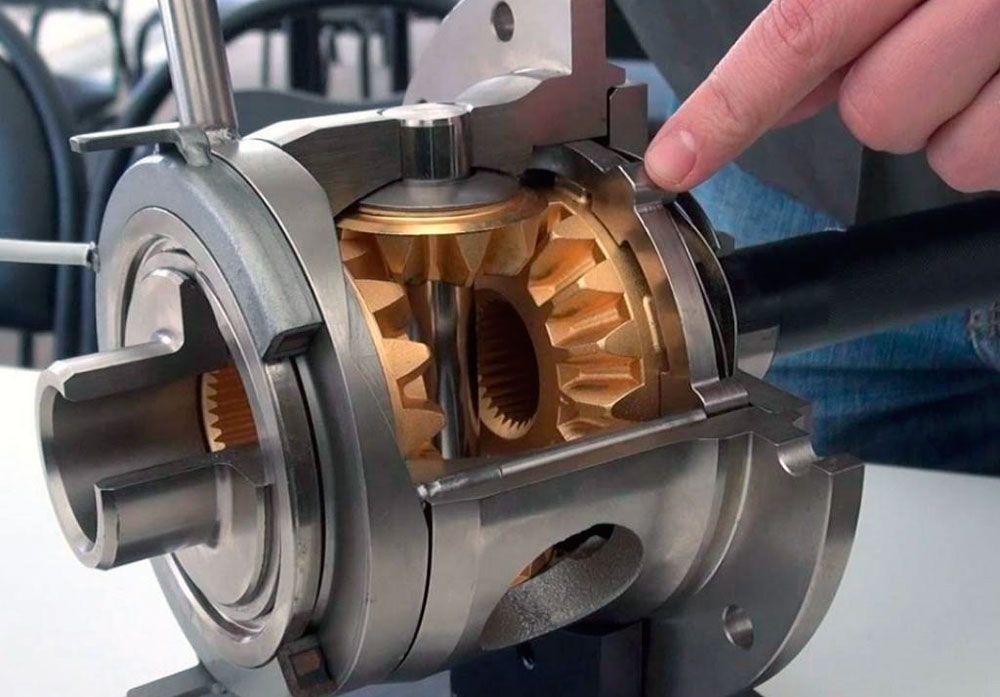
Принцип роботи полягає у відпуску одного автоколеса і передачі всієї потужності «колесу найменшого опору». Це логічний метод на твердих, рівних поверхнях. Але коли справа доходить до їзди по бездоріжжю, виникають проблеми.
Тут допоможе потужне блокування диференціального механізму. При її включенні, будь то заводський стандарт або післяпродажна доопрацювання, він «блокується» і починає поступово управляти обома колесами. Це дозволяє не тільки продовжувати шині без тяги крутитися в надії отримати зв'язок з дорогою, але і приводить в рух іншу, що має хороший контакт з поверхнею.
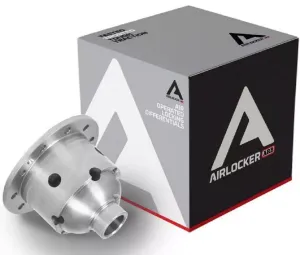
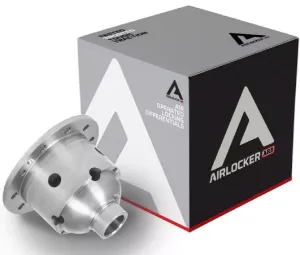
Що таке блокування диференціала в автомобілі?
Дія: підключення автоколеса крутяться з однаковою швидкістю. На піску, бруді і снігу тягове зусилля продовжує надходити на шину з більш високим зчепленням.
У незаблокованому стані поводиться як відкритий диференціальний пристрій. Його блокування на поверхні з високим контактом, наприклад, на сухому асфальті, ускладнює поворот авто і може привести до вибуху трансмісії.
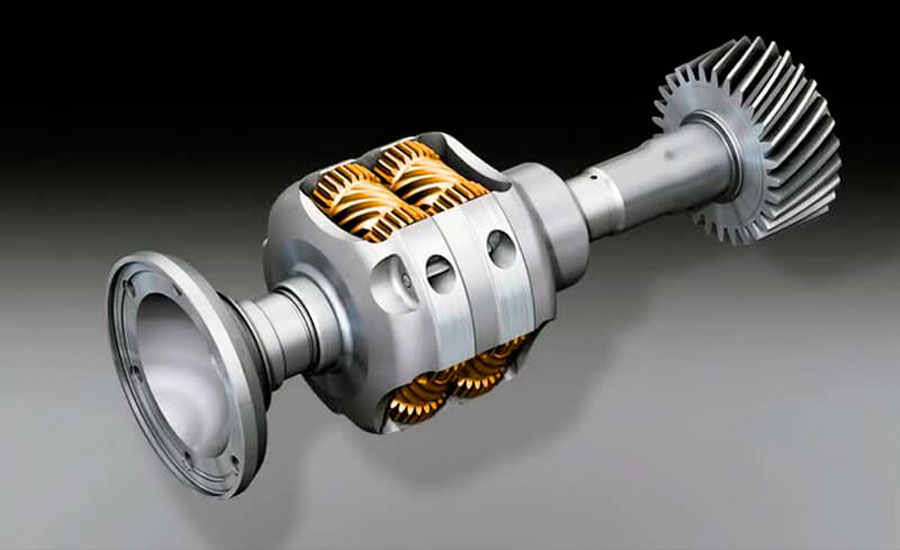
Різновиди диференціальних механізмів
- Підвищеного тертя. Поєднує в собі концепції відкритого і заблокованого, більшу частину часу працює як відкритий, а потім автоматично починає блокуватися при виникненні пробуксовки. Блокування може бути досягнуто за допомогою в'язкої рідини, зчеплення або складної зубчастої передачі. Слабке місце: є реактивними, що не блокуються доти, поки не відбудеться пробуксовка.
- Робота диференціала автомобіля з електронним управлінням. Блок зчеплення з електронним керуванням пропонує реостатний контроль між відкритим і повністю заблокованим режимами з регулюванням, виробленої сотні разів в секунду. Наприклад, якщо комп'ютер визначає занадто велику надлишкову обертальність під час повороту, він може збільшити блокування для стабілізації автомашини. Недоліки: тягове зусилля зміщено в бік більш повільного автоколеса.
- З вектором крутного моменту. Використовуючи додаткові зубчасті передачі для розгону піввісь, пристрій точно регулює тягове зусилля, що передається на кожне провідне колесо. Це створює момент, який уповільнює або прискорює поворот транспортного засобу. Важкі, складні і дорогі, а також призводять до невеликого зниження витрати палива.
Диференціальний механізм продовжує термін служби шин, мінімізуючи їх знос під час поворотів.












 398
398
 1хв
1хв 


