


 Назад
Назад 

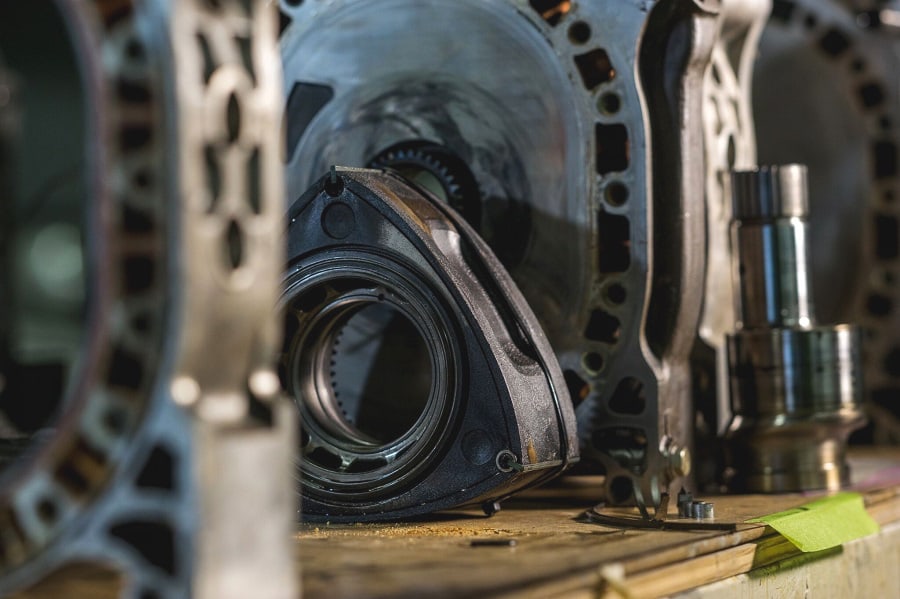
Ви коли-небудь хотіли дізнатися більше про ці дивні роторні двигуни Ванкеля? Ось наше повне керівництво по одному з коли-небудь створених найбільш суперечливих двигунів.
Не дивлячись на те, що роторному двигуну Ванкеля вже понад 60 років, його концепцію досі часто розуміють неправильно. Якщо ви провели якийсь час в автомобільному інтернет-просторі, то знаєте, що роторні двигуни мають репутацію ненадійних. Однак, як ми зараз покажемо, ця репутація не зовсім справедлива. Хоча, не зрозумійте нас неправильно, є й інші недоліки, про які варто знати. Але перш ніж перейти до цього, давайте введемо вас у курс справи й розповімо, що таке роторний двигун Ванкеля...
Зміст:
- Як працює роторний двигун Ванкеля?
- Історія роторних двигунів Ванкеля
- Асоціація Mazda з роторними двигунами Ванкеля
- Переваги роторних двигунів Ванкеля
- Недоліки роторних двигунів Ванкеля
- Економічність та екологія
Як працює роторний двигун Ванкеля?
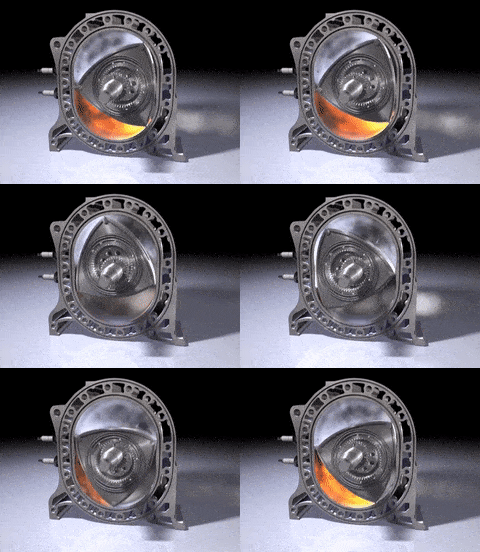
Впуск
Як випливає з назви, у роторних двигунах Ванкеля замість поршнів використовуються вигнуті трикутні ротори. Вони розташовані вертикально у корпусі овальної форми й обертаються навколо вихідного вала. Коли ротор обертається, він створює повітряні кишені, що коливаються, між собою і стінками корпусу в різних місцях по внутрішньому периметру корпусу. Вакуум у цих кишенях втягує повітря і паливну суміш у корпус. Вважайте це еквівалентом такту впуску поршневого двигуна.
Згоряння
Після чого друга "вершина" трикутного ротора закриває шлях повітряно-паливної суміші, коли вона проходить повз впускний отвір. У міру того, як ротор продовжує обертатися, простір між ним і стінкою корпусу зменшується. У результаті цього повітряно-паливна суміш притискається до стінки протилежного боку корпусу. Є певна частина стінки, де стиснення буде максимальним під час циклу обертання ротора, і там ви знайдете пару свічок запалювання. Вони підпалюють сильно стиснуту суміш повітря і палива, і вуаля, відбувається згоряння.
Вихлоп
Міні-вибух від згоряння приводить у рух ротор, продовжуючи його цикл. У міру того як ротор продовжує обертатися навколо корпусу, його перший пік незабаром зустрінеться з вихлопним отвором. Коли пік проходить повз отвір, він відкриває канал для виходу вихлопних газів. І ось він, повний цикл згоряння роторного двигуна.
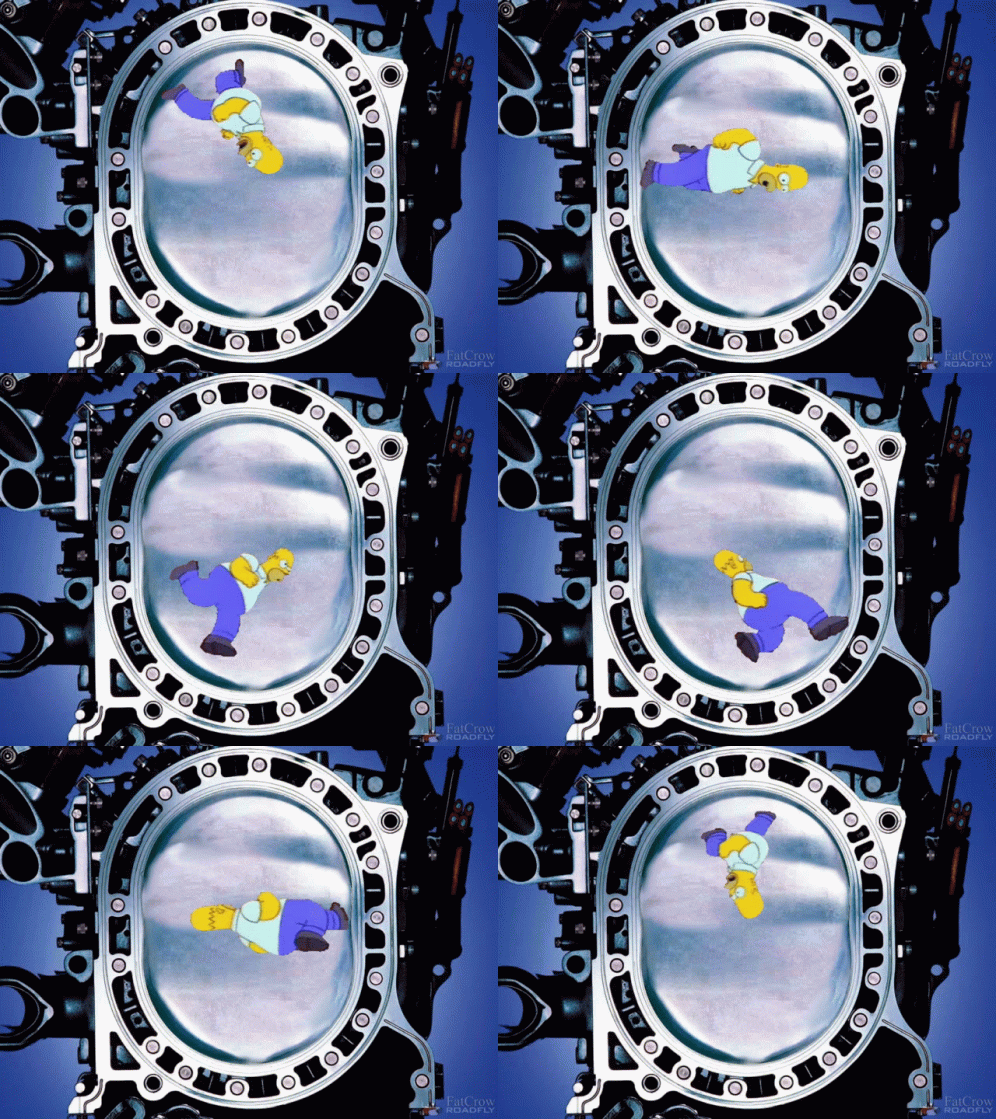
Насправді конструктори збільшили розміри ротора і його корпусу таким чином, що поки відбувається процес вихлопу, третя вершина ротора вже опиниться біля впускного отвору, втягуючи ще одну порцію повітряно-паливної суміші. І так, цикл триває, приводячи в рух ротор, який, своєю чергою, приводить у рух "ексцентриковий вихідний вал" (по суті, колінчастий вал), що передає енергію двигуна далі трансмісією до коліс.
Історія роторних двигунів Ванкеля
Якщо ви запитаєте ентузіастів з якими автомобілями у них найбільше асоціюються роторні двигуни, то з великою ймовірністю вони дадуть відповідь, що зі спортивними автомобілями RX компанії Mazda. Однак японська марка не була першою, хто застосував роторну технологію у своїх серійних автомобілях. Цієї честі удостоївся нині неіснуючий німецький бренд NSU.
Німецьке походження
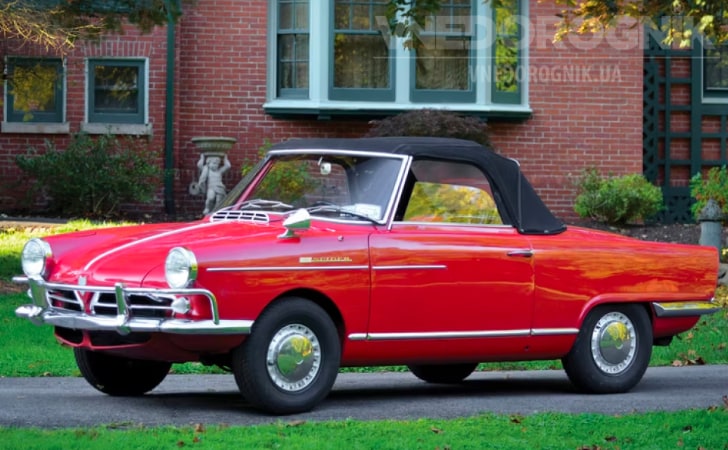
У 1950-х роках у компанії NSU працював інженер на ім'я Фелікс Ванкель, і, як випливає з назви, саме йому першому спала на думку ідея роторного двигуна Ванкеля. З огляду на складність процесу розробки, перший автомобіль із роторним двигуном з'явився лише 1964 року: NSU Spider. За цим дводверним родстером незабаром пішов седан NSU Ro80, і за першим враженням Ro80 завоював безліч шанувальників. Ба більше, у 1968 році він навіть став європейським автомобілем року.
Втім, як це часто буває з новаторськими технологіями, у конструкції ранніх роторних двигунів незабаром стали проявлятися недоліки. Це призвело до досить короткого терміну служби Ro80, що фактично призвело до загибелі NSU загалом.
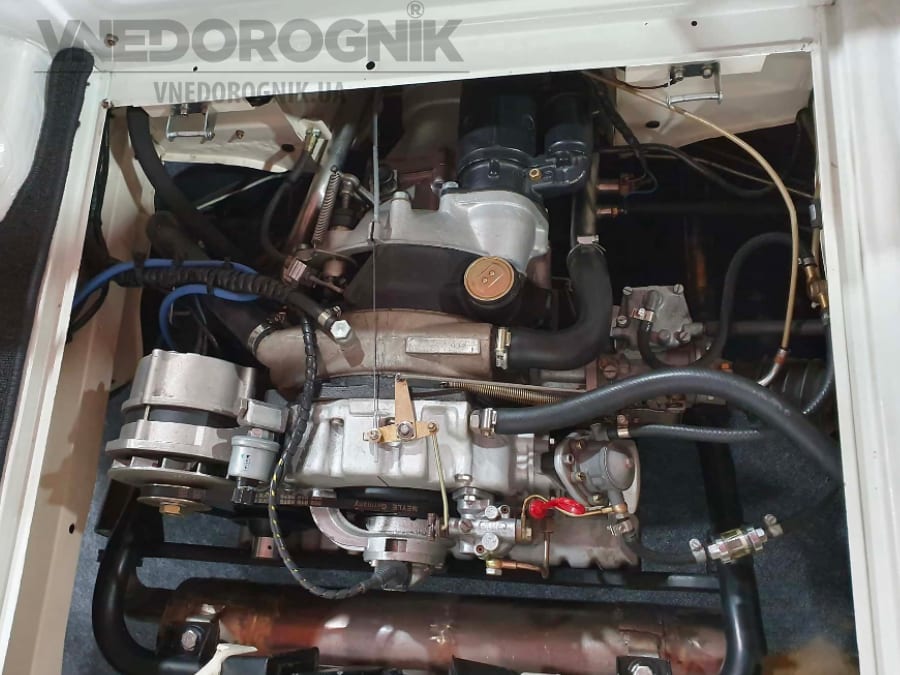
Було б не дивно, якби історія роторного двигуна на цьому закінчилася. Однак, незважаючи на кончину NSU, Mazda вирішила перейняти цю технологію та інвестувати у Ванкеля та його ідеї.
Асоціація Mazda з роторними двигунами Ванкеля
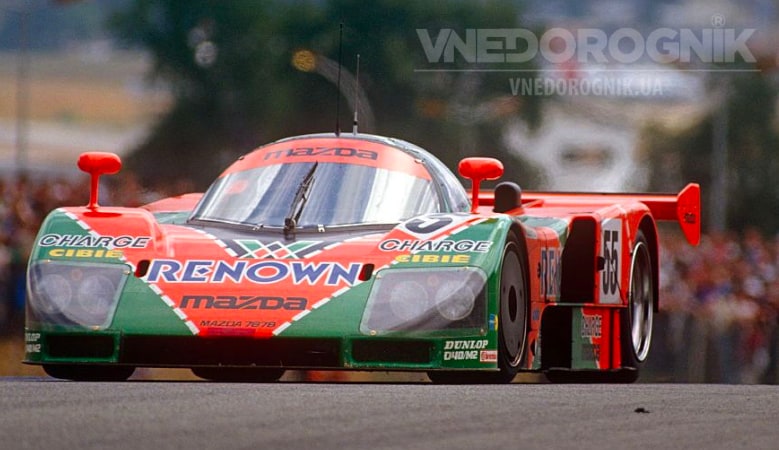
Решта цієї історії, я впевнений, буде знайома багатьом із вас. Це підприємство, яке в кінцевому підсумку призвело до створення компанією Mazda лінійки спортивних автомобілів RX, найвідоміших моделей RX-7 і RX-8. RX-7, зокрема, є справжньою автомобільною іконою. На трасі перше покоління перемогло у виснажливих перегонах "24 години Ле-Ман" (доволі великий подвиг для автомобіля з репутацією "ненадійного"), а пізніші моделі стали іконами модифікації та тюнінгу.
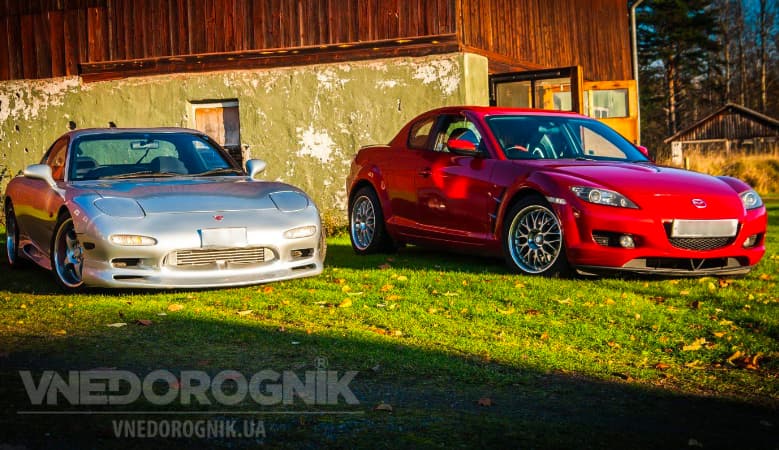
Ці RX-7 і RX-8 використовують двороторну конструкцію, відому ентузіастам як двигун "13B". Два ротори розташовані на 180 градусів один від одного, що означає, що вони доповнюють один одного в процесі циклу згоряння. Іншими словами, щойно пік одного ротора входить і проходить стадію згоряння, другий ротор опиняється трохи позаду, готовий узяти на себе навантаження, коли перший ротор переходить до вихлопу.
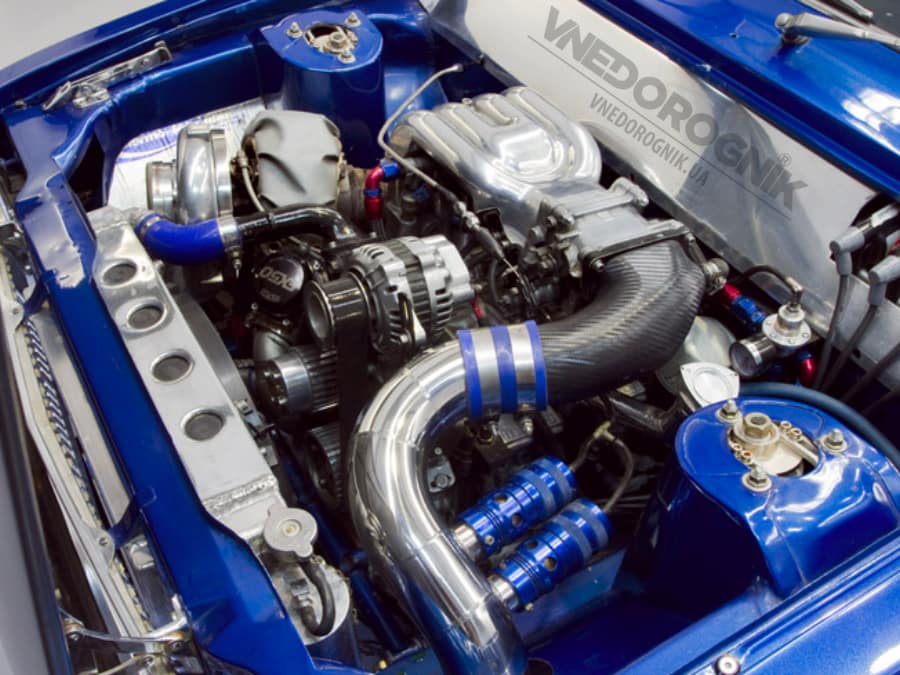
У рідкісних випадках можна також придбати 3- і 4-роторні двигуни Ванкеля для отримання додаткової потужності. Більша кількість роторів означає менший час між стадіями згоряння кожного ротора, що забезпечує плавну і потужну подачу енергії. Чотирироторні двигуни в минулому зазвичай встановлювали на гоночні автомобілі, зокрема, на Mazda 787B, яка здобула абсолютну перемогу в Ле-Мані. Однак у наші дні ми починаємо бачити екстремальні тюнерські збірки з цими майже міфічними чотирироторними двигунами "20B".
Переваги роторних двигунів Ванкеля
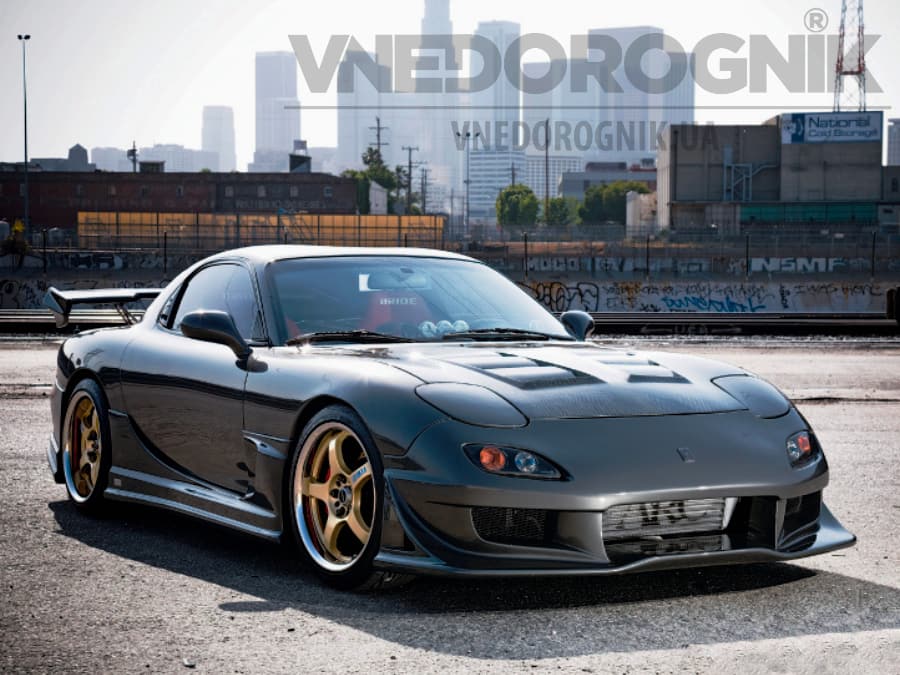
Існує безліч причин, крім простого фактора новизни, чому деякі люди люблять ці роторні двигуни. Для початку, один ротор ефективно виконує роботу трьох поршнів: впуск, згоряння і вихлоп відбуваються практично одночасно. На практиці це означає більшу потужність відносно невеликого та легкого двигуна.
Ще однією відмінною особливістю роторних двигунів Ванкеля є те, що їхні ротори рухаються лише в одному напрямку. Таким чином, порівняно з уривчастими зворотно-поступальними рухами поршневих двигунів, здорові роторні автомобілі матимуть набагато плавніший запуск і передачу потужності під час руху. Ба більше, відсутність зворотно-поступальних мас означає, що роторні двигуни можуть розвивати дуже високі оберти без особливих проблем.
| Переваги двигуна Ванкеля: |
|---|
| Компактний розмір і мала вага |
| Низька вібрація та плавність роботи |
| Висока продуктивність для свого розміру |
| Мала кількість рухомих частин у простій конструкції |
Недоліки роторних двигунів Ванкеля
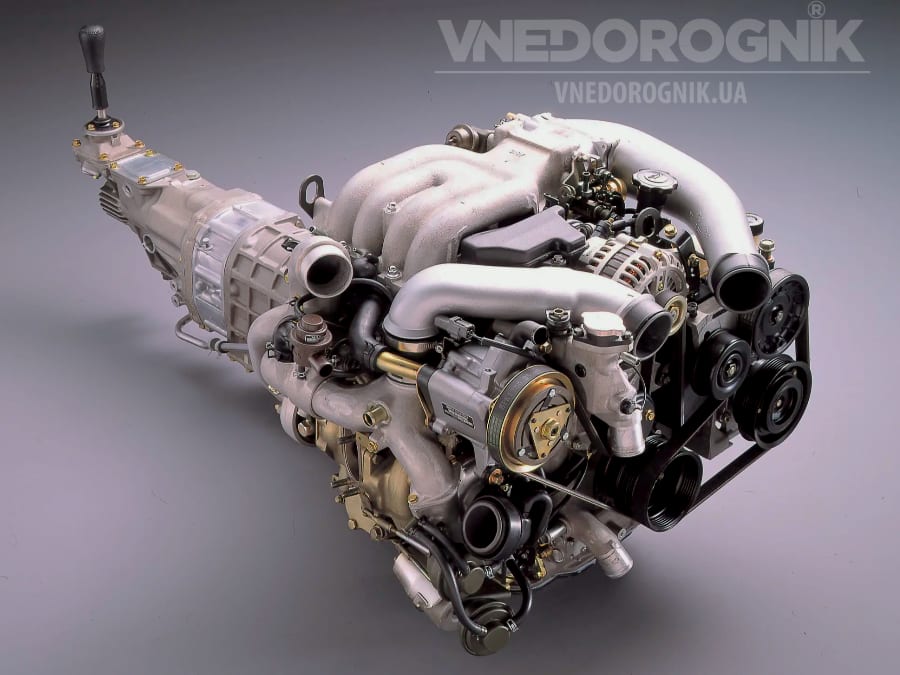
Звичайно, ми не збираємося вдавати, що роторні двигуни ідеальні. Зрештою, є причина, через яку вони так рідко зустрічаються.
Механічні недоліки
У перші дні існування NSU, коли Ro80 почали "вмирати як мухи", Ванкель зрозумів, що вакуумні камери, які створюються під час кожної частини циклу згоряння, можуть втрачати компресію через погане ущільнення ротора. Додавання апексних ущільнень, звісно, значно допомогло розв'язати цю проблему, але Ванкелю при цьому довелося шукати вихід із проблеми нагрівання.
Якщо процеси впуску, згоряння і вихлопу відбуваються в одному корпусі, у підсумку виходить, що частини ротора і стінки корпусу досягають дуже різних температур. І, як вам розкажуть уроки фізики в середній школі, метали можуть злегка змінювати форму за різних температур. Тому в сценарії, який покладається на ідеальну герметизацію між ротором і стінками корпусу, це може бути проблематично. Для пом'якшення цієї проблеми компанія Wankel ввела "рубці" охолодження по периметру стінок корпусу, але в кінцевому підсумку цю проблему не можна вирішити ідеально. Фізика просто не дозволить цього зробити.
Більше того, у процесі циклу згоряння виникає величезна кількість тертя, коли ротор проходить повз стінки корпусу. Тому роторні двигуни п'ють моторне мастило, як алкоголіки на Октоберфесті, що означає, що вони потребують набагато ретельнішого технічного обслуговування порівняно зі звичайними автомобілями з поршневим двигуном. Можливо, саме звідси і виникає основний аргумент про ненадійність. Серед власників RX було чимало тих, хто не знав про жорсткіші вимоги цих автівок або ставився до них байдуже. Якщо ними нехтувати, то не мине багато часу, як ваш ротор вийде з ладу.
| Недоліки двигуна Ванкеля: |
|---|
| Порівняно зі звичайними двигунами, нижча ефективність використання палива |
| Неповне згоряння призводить до підвищених викидів в атмосферу |
| Часта заміна ротора збільшує витрати на технічне обслуговування |
| Висока робоча температура та обмежений крутний момент |
Економічність та екологія
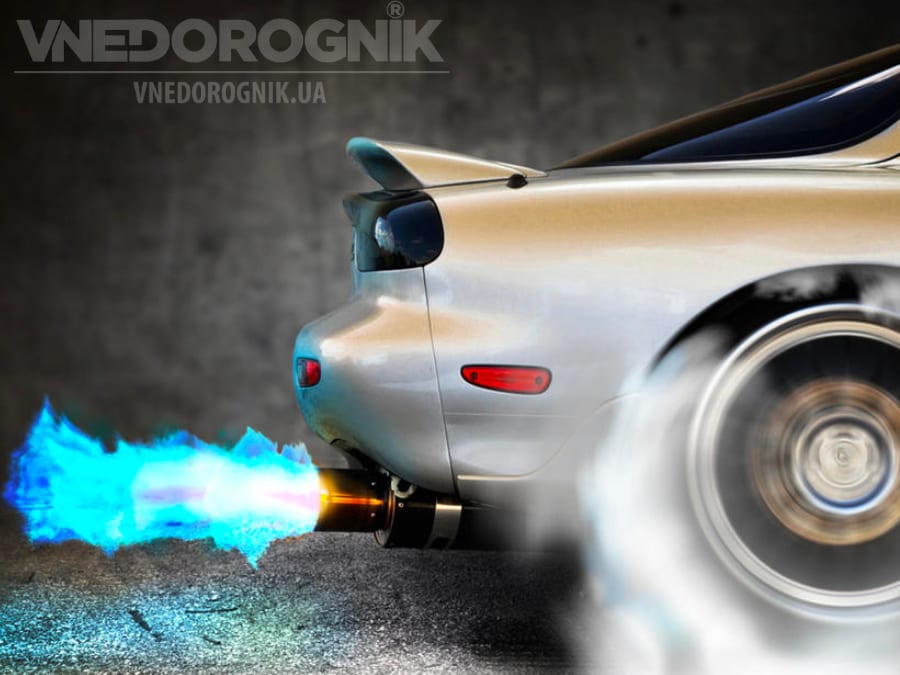
Це ще не все, що погано в роторних двигунах Ванкеля. Порівняно з поршневими двигунами, вони не володіють кращою тепловою ефективністю, завдяки химерній формі простору, в якому відбувається згоряння. У результаті незгоріле паливо часто потрапляє до вихлопної системи, що призводить до зворотних спалахів і не найкращих показників витрат палива.
Тепер переходимо до екологічних проблем. Більше згорілої оливи означає більше викидів із вихлопної труби, а це погана новина для здоров'я нашої планети. Насправді, екологічні норми - це велика частина причини, через яку Mazda RX-8 припинила своє існування на початку 2010-х років. Зрештою, Mazda просто не змогла знайти спосіб привести викиди вихлопних газів роторного двигуна у відповідність до стандартів "Євро-5".
Висновок
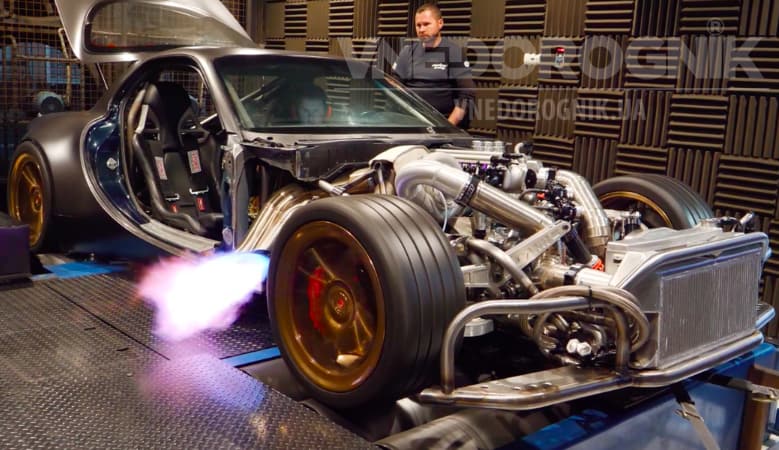
Отже, роторний двигун Ванкеля має масу переваг з точки зору продуктивності. Більш висока питома потужність, плавна подача крутного моменту і відносна невагомість - всі це характеристики сподобаються таким автолюбителям, як ми з вами.
Але інтернет не зовсім не правий. У цих двигунів дійсно є "ахіллесові п'яти", і для того, щоб вони прослужили якомога довше, вам доведеться ставитися до їхнього обслуговування більш серйозно, ніж до будь-якого іншого автомобіля. Проте, для деяких людей це ціна, яку варто заплатити за задоволення, яке ви отримаєте, сівши за кермо.
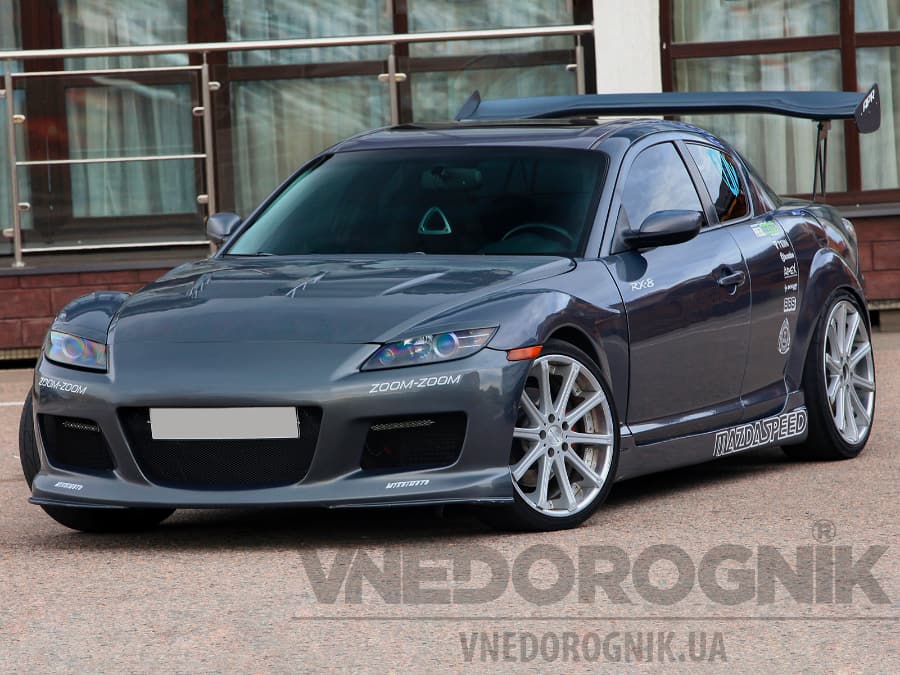
До того ж, хоча RX-8 припинив своє існування у 2012 році, схоже, що у роторних силових агрегатів все ще є майбутнє, незважаючи на їхню десятирічну перерву. Закони про викиди заблокують створення будь-яких майбутніх повноцінних роторних моделей, проте Mazda щойно оголосила про свої наміри використати роторну технологію як гібридний розширювач діапазону EV. Тож, хто знає, можливо, в нашому електрифікованому майбутньому знайдеться місце для відродженого спорткара RX...




 519
519
 7хв
7хв 


