


 Назад
Назад 

Зміст
- Як класифікуються автомобілі
- Найпопулярніші типи кузова автомобіля
- Класифікація автомобілів за розміром
- Класифікація автомобілів за призначенням
- Класифікація автомобілів за ціновим діапазоном
- Класифікація автомобілів за двигуном та паливом
- Класифікація автомобілів за характеристиками
Якщо ти автолюбитель або прагнеш вибрати авто для своїх потреб, тобі напевно цікаво, які типи автомобілів існують та який з них краще підійде саме для тебе. Офіційна поява першого автомобіля з двигуном внутрішнього згоряння датується 1886 роком. За більш ніж століття цей вид транспорту пройшов довгий шлях розвитку. І оскільки автомобіль є одним з найважливіших винаходів усіх часів, давай дізнаємося про нього все, що можемо.
Прочитавши цю статтю, ти дізнаєшся про найпопулярніші типи автомобілів, трохи історії та який типу кузова буде для тебе найкращим.
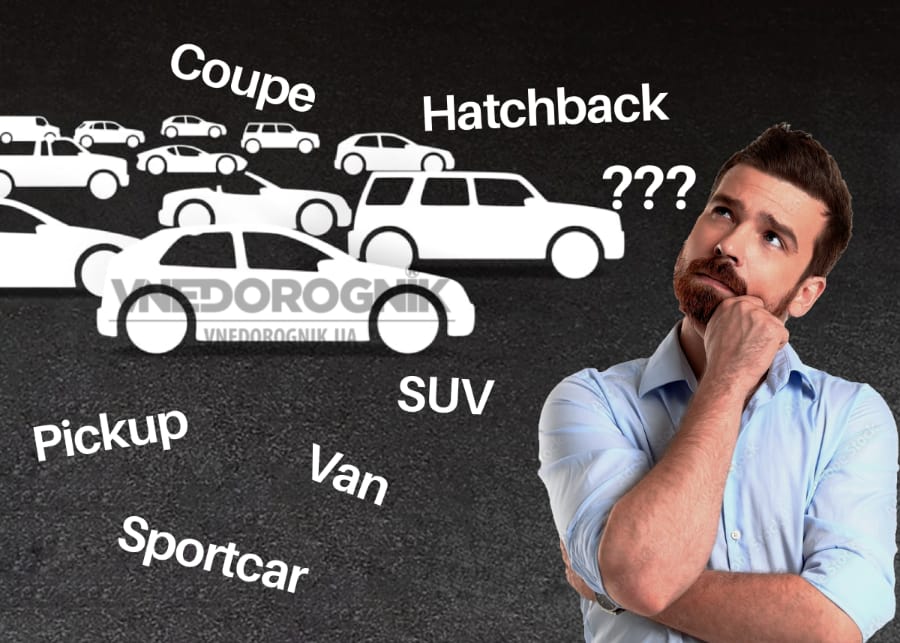
Як класифікуються автомобілі
Цей список типів автомобілів не є вичерпним, але він включає в себе найпоширеніші способи класифікації автомобілів. Май на увазі, що автомобіль не обмежується однією категорією транспортного засобу.
Чим більше ти розберешся в класифікаціях автомобілів, тим краще зрозумієш галузь в цілому і те, які типи або моделі автомобілів найкраще тобі підходять.
Найпоширеніші класифікації автомобілів:
За стилями кузова
Автомобілі збираються, проектуються та конфігуруються по-різному, що призводить до різного досвіду водіння. Стилі кузовів і призначення автомобілів нерозривно пов'язані між собою.
Наприклад, купе і хетчбек мають абсолютно різні можливості, переваги і недоліки.
- За розміром
Одного лише розміру автомобіля недостатньо для того, щоб вирішити, який автомобіль купити, але це однозначно варто взяти до уваги. Цей текст допоможе зрозуміти, чи потрібен тобі дорожній «лайнер», або ж буде достатньо міської «малолітражки».
- За призначенням
Кожна модель автомобіля була створена або налаштована з певною метою. Наприклад, якісь автомобілі призначені для перегонів, а інші — для комфортного перевезення людей.
Деякі автомобілі люди ніколи не будуть водити кожного дня, тому що їхнє призначення не відповідає їхньому стилю життя.
- За ціновим діапазоном
Всі автомобілі вписуються в шкалу доступності. Існують різні класифікації автомобілів для будь-якого бюджету. Автовиробники створюють як недорогі моделі для масового споживача, так і надтехнологічні флагмани.
- За двигуном та паливом
У наш час автомобільні силові установки не обмежуються тільки бензиновими ДВЗ. Дизель, газ, водень, гібридні та електричні авто — автотранспорт невпинно еволюціонує і пропонує водіям нові можливості.
- За продуктивністю
Деякі автомобілі створюються виключно для швидкості, керованості та зовнішнього вигляду. Автовиробники не завжди були першовідкривачами спортивних автомобілів і черпали ідеї від пересічних вуличних гонщиків.
Які найпопулярніші типи кузовів автомобілів
Седан
Седани — це класичні сімейні автомобілі. Цей тип автомобілів має чотири двері, випускається в декількох розмірах і характеризується конфігурацією з трьома секціями. Тобто двигун, салон і вантажний відсік є окремими просторами. Це класичний тип кузова, який зазвичай пропонує відносно просторий салон, місткий багажник та рівномірний розподіл ваги, що добре для керованості. Toyota Camry — це типовий представник седану.
Купе
Традиційно купе вважається спортивним автомобілем з двома дверима і двома рядами сидінь. На відміну від седана, тут заднім пасажирам пропонується мінімум простору і комфорту. Привабливість цього транспортного засобу полягає в елегантному зовнішньому вигляді та швидкості. Деякі автовиробники вважають свої чотиридверні автомобілі купе через їхню похилу лінію даху. Проте це визначення не є загальноприйнятим серед автолюбителів. Купе найкраще підходять для бездітних водіїв і пар. Audi A5 є представником купе.
Універсал
Уявіть собі седан, якому збільшили вантажну секцію і об’єднали з салоном. Це і буде універсал. Зазвичай універсали і седани будують на однаковому шасі, тому вони досить схожі за поведінкою на дорозі. Цей кузов дозволяє скласти задні сидіння і отримати купу простору всередині. Audi RS6 — це представник типу універсалів (У Audi моделі цього типу мають назву Avant).
Позашляховик (SUV)
Незалежно від того, чи збираєтеся ви подорожувати по бездоріжжю, чи вам потрібен додатковий простір для салону та вантажу, позашляховики задовільнять обидві вимоги. Позашляховик має високий дорожній просвіт, повний привід і великий багажний відсік як в універсала. Зазвичай вони мають в основі металеву раму, до якої кріпиться кузов. Така конструкція найкраще підходить для бездоріжжя. Яскравий приклад — Toyota Land Cruiser. Існують і моделі з несучим кузовом замість рами, тобто у яких усі елементи конструкції кріпляться безпосередньо до кузова. Наприклад, Jeep Grand Cherokee.
Цей клас авто підійде тим, хто хоче багато подорожувати в місця, де дуже погані або взагалі відсутні дороги. А щоб позяшляховик точно зміг проїхати всюди, доопрацюй його разом з магазином Vnedorognik.ua. Тут ти можеш купити посилену підвіску, офроудні бампери, лебідки і багато іншого для усіх популярних моделей позашляховиків.
Кросовер або паркетник (CUV)
CUV, також відомий як кросовер або компактний позашляховик, є проміжною ланкою між повноцінним позашляховиком і міським легковиком. Він має просторий салон і багажник, гарну керованість і високий кліренс, що чудово покращує оглядовість. Також кросовер потішить кращою економією пального, ніж у позашляховика. Але він розрахований тільки на легке бездоріжжя і не підходить для жорстких умов. Mazda CX-5 є кросовером.
Хетчбек
Кузов хетчбек є компактнішим за седан і універсал. Характеризується малим багажником, який майже не виступає за межі задніх коліс. Хетчбек називають 3-дверним або 5-дверним автомобілем через двері багажника, які піднімаються вгору, щоб відкрити вантажний відсік. Чому б просто не купити CUV? Хетчбек більш спортивний, ніж кросовер, завдяки низькому центру тяжіння, має бюджетну ціну і простий в обслуговуванні. Volkswagen Polo є різновидом хетчбека.
Кабріолет
Виграшна особливість кабріолета — це дах, що здатний зніматися чи автоматично складатися. Дах може бути жорстким або м'яким. Салони кабріолетів часто двомісні. Стильний кабріолет точно не підійде для людини з сім’єю, але може стати ідеальним автомобілем вихідного дня.
Пікап
Якщо тобі потрібна робоча конячка, зверни увагу на такий тип легкового автомобіля, як пікап. По суті, це позашляховик, тільки з відкритим вантажним відсіком, який також називають кузовом. Ця особливість робить пікап максимально універсальним транспортним засобом. Наприклад, на кузов можна встановити кунг, перетворивши пікап на фургон. Або ролет, який в закритому положенні захистить повсякденний вантаж від бруду, а в згорнутому не буде заважати перевозити великогабаритні речі.
Кабіна пікапа вміщує від двох до шести осіб. Такі авто можуть долати пересічену місцевість, перевозити і буксирувати важкі вантажі так часто, як тобі потрібно. Пікапи бувають легкі та важкі. Mitsubishi L200 — це відомий представник класу пікапів.
Фургон
Ці великі авто призначені для перевезення великої кількості людей або вантажу. Замість багажника в них є велика площадка позаду, і вони можуть перевозити 20 осіб або декілька тон вантажу. Фургони широко використовуються для сімейних поїздок, як маршрутні таксі та в комерційних цілях.
Як класифікуються автомобілі за розміром
Мікрокари або Кей кари
Кей кари — це найменші за розміром автомобілі. Ці транспортні засоби не набули популярності в США, але в інших частинах світу, таких як Японія, Індонезія та Європа, їх люблять. Ці автомобілі мають крихітні двигуни, вміщують двох людей і мають три або чотири колеса.
Субкомпакти та компактні автомобілі
Субкомпактні та компактні авто забезпечують базові потреби водіїв. Навіть коли ці автомобілі зовсім нові, вони доступні за ціною для більшості водіїв. Салон і багажний відсік цих типів автомобілів не відрізняються особливою місткістю, але вони чудово підходять для паркування в місті та економно витрачають паливо. Субкомпактні та компактні автомобілі - чудовий вибір для одиноких людей, які живуть у місті.
Середньорозмірні та повнорозмірні автомобілі
Середньорозмірні автомобілі — це середня ланка, тобто не надто маленькі і не надто великі. Повнорозмірні автомобілі - це найбільші седани, які ви можете придбати. Середньорозмірні та повнорозмірні розміри також застосовуються до позашляховиків.
Подовжені автомобілі (LWB)
Цей тип розміру зарезервований для преміум седанів, позашляховиків та пікапів. Такі автомобілі пропонують максимальну кількість простору для повсякденних справ водія.
Як автомобілі класифікуються за призначенням
Сімейні автомобілі
Автомобільна промисловість, коли говорить "сім'я", зазвичай має на увазі двох дорослих, які доглядають за декількома дітьми. З огляду на це, будь-який автомобіль з достатнім простором для зростаючої сім'ї вважається сімейним автомобілем. Мінівени, позашляховики та повнорозмірні седани - це транспортні засоби, спеціально створені для сімей. Такі автомобілі оснащені інформаційно-розважальними системами, безліччю відсіків, кількома рядами сидінь тощо.
Спортивні авто
Спортивні підготовлені автомобілі призначені для змагань. Вони мають потужні двигуни, виняткову керованість і вражаючий зовнішній вигляд. Цей тип автомобілів не для пересічного водія, що пояснює їхню високу ціну — подумайте про 40 000 доларів тільки за один двигун. Щоб правильно керувати гоночними автомобілями, потрібно пройти курси та отримати багато практики на спеціально відведених для цього місцях — треках.
Комерційні автомобілі
Комерційний транспорт допомагає людям вести бізнес, тобто людина або компанія отримує гроші за перевезення товарів або людей. Вантажні та пасажирські мікроавтобуси, пікапи та фургони — це комерційні транспортні засоби, які використовуються для важких умов експлуатації і можуть бути налаштовані за вашим бажанням.
Концепти
Ці типи автомобілів — це ідея, втілена в життя, але не вироблена в масовому масштабі. Автовиробник представляє її громадськості щоб оцінити реакцію та показати своє бачення. Вони вирішують, чи буде прототип автомобіля запущений у виробництво, чи продовжуватиметься його вдосконалення, або ж відмовляться від задуму. Ці транспортні засоби є радикально нетрадиційними за технологією, дизайном і корисністю.
Шоу-кари
Будь-який автомобіль з дивовижною кастомізацією, рідкісний або суперунікальний може стати шоу-каром. На ньому не їздять, а виставляють на показ. Наприклад, шанувальник Ford Mustang Shelby першого покоління може купити такий автомобіль і зберігати його або виставляти на автошоу.
Екзотичні автомобілі
Екзотичні автомобілі не мають собі рівних за характеристиками, комфортом і вражаючим зовнішнім виглядом. Цей тип автомобілів існує в обмеженій кількості, коштує від $100 000 і вище, і вимагає астрономічно високих витрат на обслуговування. Технічне обслуговування та запчастини для таких автомобілів коштують від $8 000, і це лише за мінімальними цінами. Ferrari та Lamborghini є найбільш поширеними екзотичними автомобілями.
Позашляховики
Позашляховик — це найкращий тип автомобіля для їзди по бездоріжжю завдяки своїм шинам, повнопривідній трансмісії та винятковій системі підвіски. Ці автомобілі мають багато можливостей для комфортного пересування по пересічній, болотистій, кам'янистій та крутій місцевості.
Лімузини
Для розкоші замовте лімузин або… Лімузин. Це розтягнуті автомобілі з перегородкою між водієм і пасажирами. Лімузини мають безліч функцій, які забезпечують максимальну розкіш, наприклад, прохолодні напої, м'які шкіряні сидіння та високоякісну стереосистему.
Військові транспортні засоби
Військовий автомобіль створений для бою з декількома шарами броні. Цей тип транспортних засобів здатен витримувати вибухи та кулі, перевозячи солдатів та вантажі. Ці транспортні засоби оснащені озброєнням для захисту солдатів під час нападу ворога.
Як класифікуються автомобілі за ціновим діапазоном
Розкішні автомобілі
Автомобілі з потужними характеристиками, максимальним комфортом, новітніми технологіями та плавним ходом — це автомобілі класу «люкс». Салон розкішного автомобіля оздоблений різними видами розкішних матеріалів, таких як замша та шкіра. Вам сподобаються сидіння з підігрівом та 4-сторонньою підтримкою попереку, що забезпечують оптимальний комфорт. Люди з високим рівнем доходу їздять на розкішних автомобілях. Страховий внесок на розкішні автомобілі зазвичай вищий, оскільки їх ремонт і заміна коштують дорого.
Автомобілі економ-класу
Авто цього класу доступні багатьом. Ціни на сам транспортний засіб і його технічне обслуговування роблять ці автомобілі легкими для бюджету. Цей тип автівок не завжди оснащений усіма наворотами, але він без проблем доставить вас з пункту «А» в пункт «Б». Вживані та сертифіковані автомобілі з пробігом також є чудовими економічними автомобілями. Вживані автомобілі — це транспортні засоби, які не були щойно випущені з виробництва.
Як класифікуються автомобілі за двигуном та паливом
Транспортні засоби на бензині
Бензин — це легкозаймиста речовина, що отримується з нафтопродуктів. Сьогодні це найпоширеніший вид палива, на якому пересуваються мільярди автомобілів кожного дня. Проте схоже на те, що нові типи двигунів починають витісняти бензинові та дизельні.
Дизельні автомобілі
Дизельні автомобілі використовують двигун внутрішнього згоряння, що працює на дизельному паливі — більш густому, ніж бензин. Замість того, щоб використовувати іскру, як бензинові ДВЗ, дизельні стискають повітря до гарячого стану і впорскують паливо, щоб викликати горіння. Дизельні двигуни мають вищий ККД, ніж бензинові, тому вони часто використовуються у комерційних транспортних засобах.
Автомобілі на природному газі
Цей тип палива користується популярністю через свою низьку ціну порівняно із бензином і дизелем. А також газ згорає більш екологічно. Конструктивно автомобілі з газо-балонним обладнанням дуже близькі до бензинових. Але процес заправки такого авто потребує дотримання більш суворих правил безпеки, ніж для рідкого палива.
Електромобілі
Замість того, щоб перетворювати хімічну енергію в механічну, електромобілі перетворюють електроенергію в механічну за допомогою двигуна. Електромобілі стають все більш популярними серед виробників, оскільки запаси викопного палива вичерпуються. Крім того, цей тип транспортних засобів працює на чистій, зеленій енергії.
Гібридні автомобілі
Гібридні автомобілі працюють на електродвигуні, двигуні внутрішнього згоряння та рекуперативному гальмуванні. Цей тип автомобілів є ще однією альтернативою для водіїв, які хочуть мати транспортний засіб, що зменшує їхній вуглецевий слід та вартість пересування. Деякі гібридні автомобілі є плагінами (з гібридною установкою, що підключається), а деякі ні. Детальніше про усі види гібридів можеш дізнатися в нашій статті.
Автомобілі на альтернативному паливі
Електромобілі на паливних елементах (FCEV) перетворюють водень в електрику, яка перетворюється на механічну енергію. Замість вихлопних газів цей тип автомобілів випускає водяну пару, що є більш безпечним для навколишнього середовища.
Як класифікуються автомобілі за характеристиками
Спорткари
Спортивний автомобіль — це, як правило, купе або кабріолет з двома сидіннями і крутим зовнішнім виглядом. Ці автомобілі дорогі та мають великі потужні двигуни. Спортивні автомобілі також мають відмінну керованість, що робить їх чудовими на поворотах.
Маслкари (Muscle cars)
Мускул-кари з’явилися в США в 1960-х роках і досі залишаються досить популярним класом авто. Початкова філософія цього класу — це відносно недороге авто з простою конструкцією, яке має масивний потужний двигун і спортивний зовнішній вигляд, зазвичай кузов купе. У наш час ці авто стали більш технологічними і дорогими, але вони все ще доступніші за справжні спортивні авто.
Родстери та спайдери
Обидва типи автомобілів є різновидами кабріолетів. Ці транспортні засоби походять з епохи коней і карет. Тоді так називали маленькі двомісні кінні екіпажі без постійного даху. Наразі цими словами можуть називати як звичайні кабріолети з жорстким або м'яким дахом, так і класичні родстери, які замість даху і бокових вікон мають окремий брезентовий тент, який пристібається вручну.
Хот-роди
Хот-род — це автомобілі 1920–1930-х років, радикально модифіковані для швидшої їзди. Зазвичай в них встановлюють величезний потужний двигун від більш спортивного авто, який навіть не влізає під капот. Через що більшість хот-родів мають відкритий моторний відсік. Ці модифікації робили не автовиробники, а самі власники авто. Чи то самостійно в гаражі, чи то у спеціалізованих майстернях. На сьогодні це окремий історичний і культурний рух.
Драгстери
Драгстер — це різновид спеціалізованого гоночного автомобіля, який побудований виключно для перегонів по прямій, спортивної дисципліни під назвою драг-рейсінг. Цей тип автомобілів має витягнутий одномісний кузов з відкритими маленькими колесами спереду та величезними ззаду. Двигун та трансмісія також розташовані в задній частині. Потужність таких авто рахується тисячами кінських сил і вони, очевидно, непридатні для використання на дорогах загального користування.





 210
210
 4хв
4хв 


