


 Назад
Назад 

Нормальне функціонування двигуна внутрішнього згоряння неможливе без якісних мастильних матеріалів. Тому заміна оливи є звичною рутиною для кожного автомобіліста. Однак серед автомобілістів досі немає консенсусу з приводу питання, чи можна змішувати моторні оливи.
Однозначної відповіді тут немає, але якщо виникла така потреба, насамперед потрібно звернути увагу на характеристики мастила. А саме:
- виробник;
- базова основа оливи;
- в'язкість.
Чи можна змішувати моторні оливи: мінеральну і синтетичну
Залежно від базової основи мастило буває:
- мінеральне;
- напівсинтетичне;
- гідрокрекінгове;
- синтетичне.
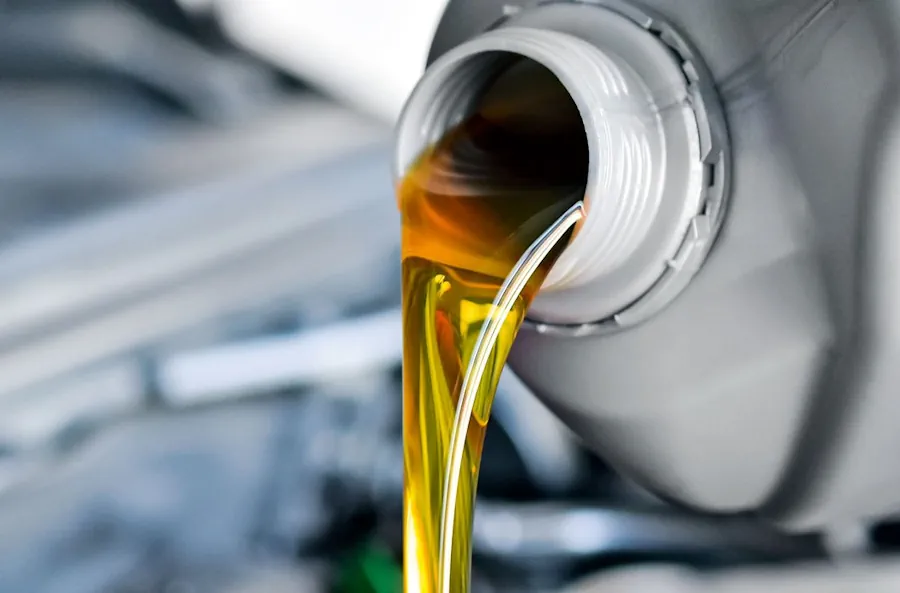
Вже до цієї основи виробники додають різні присадки і таким чином домагаються від рідини потрібних характеристик. І передбачити, як вся ця "хімія" реагуватиме між собою, дуже складно. Тому це дуже ризикована затія, яка, найімовірніше, призведе до поломки автомобіля. Краще заливати в двигун продукти з однією основою.
Що стосовно в'язкості?
В'язкість (або тягучість) є одним із ключових параметрів моторної оливи. Якщо не заглиблюватися в технічні подробиці, то змішування олив різної в'язкості допустимо. Але як було сказано вище, краще вибрати рідину з такою ж базою.
При цьому майте на увазі, що під час додавання продукції нижчої за класом в'язкість суміші в моторі буде знижуватися. На це також впливає пропорція нового і старого масла. Тому ви маєте бути впевнені, що отримана суміш все ще підходить вашому автомобілю.
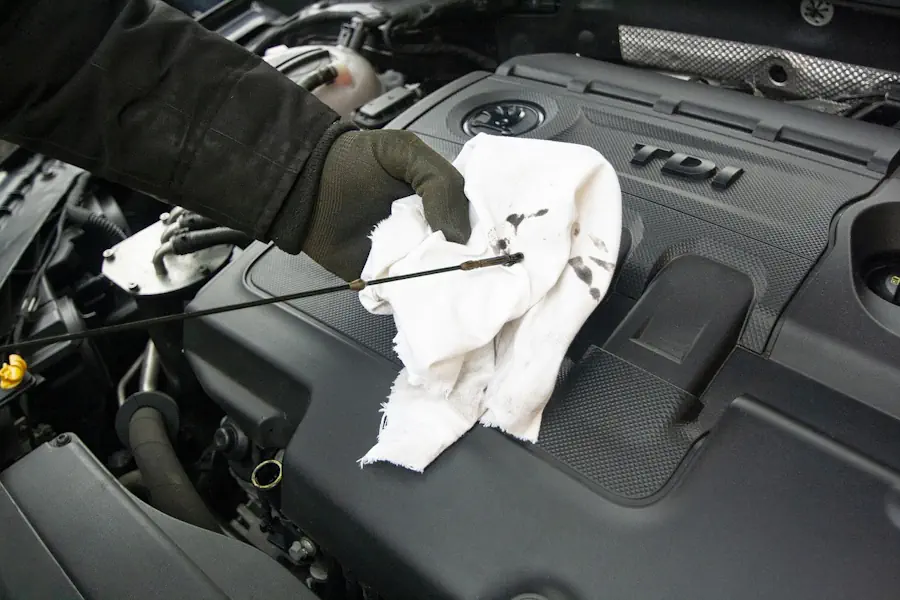
Після прочитання цієї інформації може здатися, що цілком можна змішувати оливи різних виробників. Головне, щоб основа і в'язкість збігалися. Але все не так однозначно.
Чи можна змішувати оливи різних виробників
Найчастіше виробники ПММ заявляють, що їхні оливи не можна змішувати з іншими. Серед автомобілістів популярна думка, що насправді бренди просто намагаються прив'язати до себе побільше споживачів. До того ж у реальному житті не завжди можливо дотримуватися цього правила.
Наприклад, у процесі експлуатації автомобіля легко може виникнути ситуація, коли в мотор потрібно терміново долити оливу, але під рукою немає такої самої. Змішування не уникнути і якщо водій просто вирішив перейти на іншу марку. Навіть якщо повністю злити мастило і промити двигун, у ньому все одно будуть залишки старої рідини.
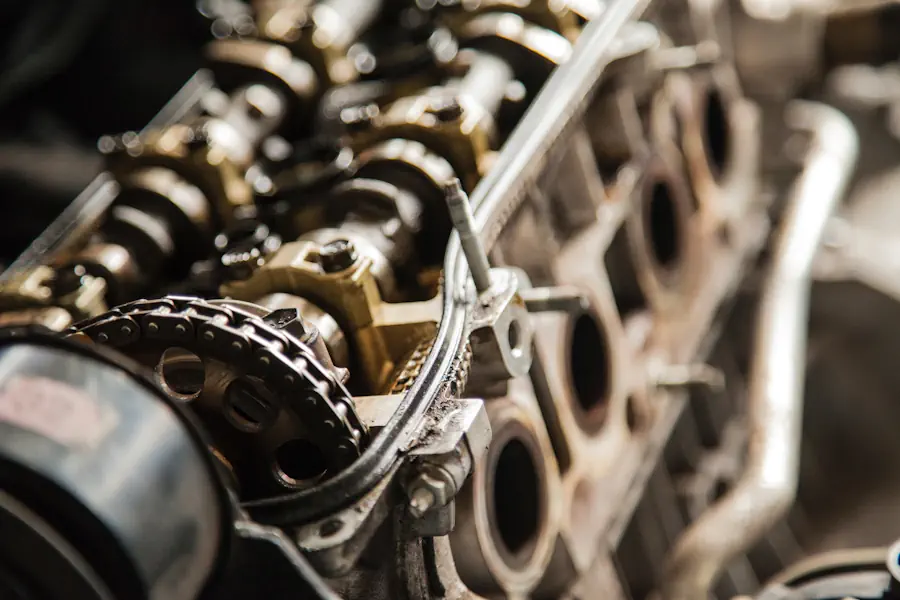
Насправді це тільки рекомендації, офіційних заборон від брендів немає. Річ у тім, що світові виробники повинні дотримуватися стандартів: ACEA для країн Європи та API для США.
Завдяки цьому в екстрених випадках допускається змішування сертифікованих олив різних виробників. Такого "коктейлю" вистачить на те, щоб доїхати в спокійному режимі до СТО. Однак для повноцінної експлуатації автомобіля він не підійде.
Часто оливи в рамках одного бренду навіть краще сумісні між собою, ніж з аналогами від інших компаній. Тому в перспективі все одно краще зробити повну заміну. І завжди потрібно прагнути до того, щоб олива в моторі була максимально однорідною.





 627
627
 2хв
2хв 


