


 Назад
Назад 

Сервісне обслуговування рідко містить таку процедуру, як чищення паливного бака. Зазвичай він експлуатується до моменту, поки не почнуться збої в роботі транспортного засобу. Але важливо пам'ятати, що усунення наслідків більш витратна і дороге заходи.
Чому важливо чистити бак?
Засмічений бак може привести до:
- збоїв в роботі мотора;
- ускладненому запуску двигуна після тривалого простою;
- утворення засмічень в фільтрах і паливних форсунках;
- втрати герметичності через сильного ураження іржею.
Також забруднення можуть негативно відбитися на роботі паливної системи. Щоб дізнатися, як почистити паливний дизель або бензин, потрібно спочатку визначитися з видом забруднення.
Вода
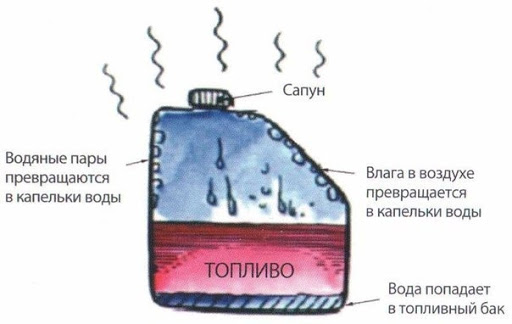
Це найпоширеніший тип забруднення. Вода є дуже небезпечною для автомобіля. Потрапляє вона в паливну систему через розбавлене пальне. Також вода може конденсувати з повітря, що знаходиться в баку. Через більшої ваги, в порівнянні з паливом, вона осідає на дно. Після цього поширюється по паливній системі. Особливо небезпечна ця рідина взимку - через низьку температури вона замерзає і створює перешкоду. Також вода активує корозійні процеси.
Як почистити паливний бак від води? Існує кілька способів. Перший варіант - використання метилу, етилу або ізопропілов. Використовуваний продукт повинен бути чистим, не містити домішок. На бак в 50 літрів потрібно близько 0,5 літра спирту. Якщо мотор дизельний, то спирт замінюється машинним маслом. Спирт з'єднується з водою, формуючи палаючу суміш.
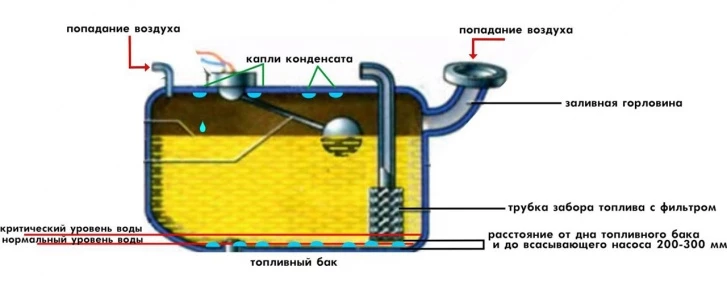
Другий варіант більш витратний - потрібно злити все паливо і повністю просушити бак. Найпростіше це зробити на автомобілях із зливним отвором. В іншому випадку буде потрібно паливна рампа.
Ще один спосіб - хімічні розчини, звані влагоудалітелямі. Придбати їх можна в автомагазинах. Влагоудалітелі усувають вологу і допомагають боротися з корозією. Важливо вибирати перевірені склади.
Інші забруднення
Опади, бруд потрапляють в бак переважно з палива низької якості. Вони осідають на дно і поступово виводять з ладу паливну систему.
Як промити паливний бак дизель і бензин в даному випадку? Для промивки будуть потрібні засоби для чищення або мильний розчин. Якщо є зливний отвір, демонтаж бака не обов'язковий. Але краще його зняти - це підвищить якість очищення.
Мильний розчин або засіб для чищення заливають через горловину, після чого потрібно ретельно потрусити бак. В якості альтернативи допускається застосування води під напором. Після зливу води процедура повторюється. Це роблять поки вона не буде чистою. Далі в бак заливають трохи палива і зливають. Тепер залишається висушити бак і він готовий до подальшої експлуатації.
Іржа
Іржа з'являється з-за присадок в паливі, мутного осаду, води. Також їй сприяє застосування агресивних влагоудалітелей.
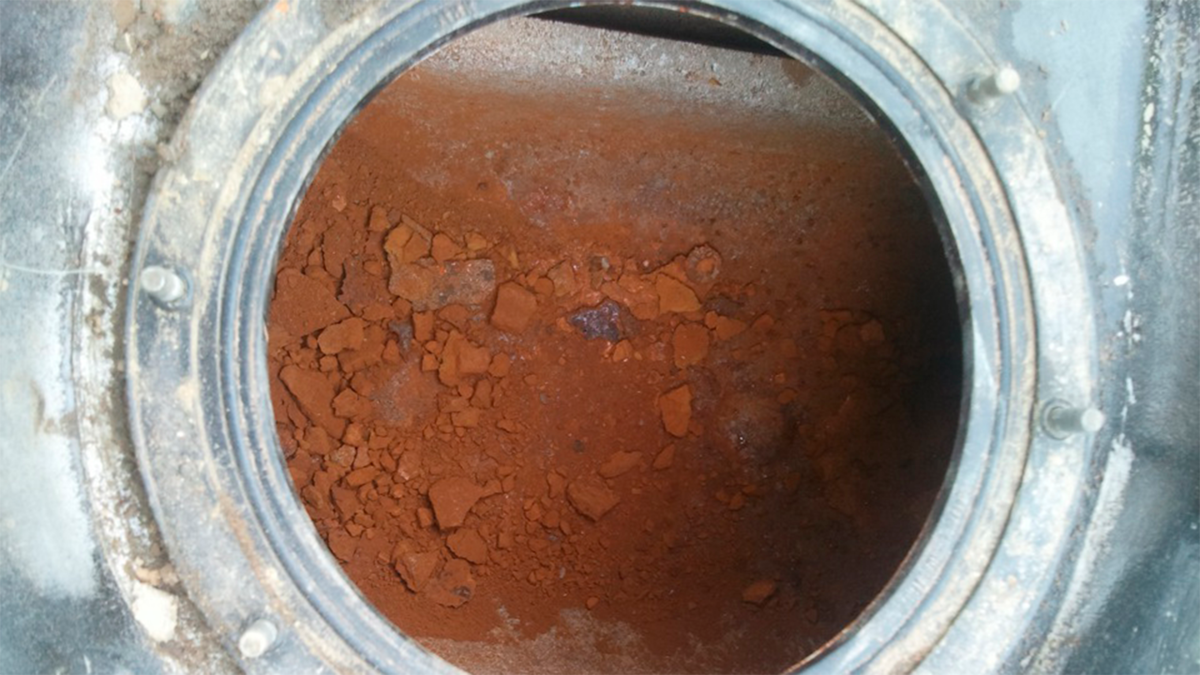
Як почистити паливний бак від іржі:
- Використовуючи сильний напір води. З його допомогою можна видалити великі пластівці і несильний наліт. Посилити ефект представляється можливим за рахунок додавання в бак дрібних гайок або дроби.
- Застосовуючи спеціальні реагенти. Зазвичай для боротьби з іржею використовується ортофосфорна кислота, ацетон або інші перетворювачі корозії.
- Методом електролізу. До нього вдаються в запущених випадках. Процедура є небезпечною, тому краще довіряти її фахівцям.
Чистка бака за допомогою спеціальних перетворювачів проводиться в засобах індивідуального захисту та в вентильованому приміщенні. Бак знімається, після чого в нього заливають гарячу воду або гас, бензин (при сильному забрудненні). Бак потрібно сильно потрясти і злити рідину. Процес повторюють кілька разів.
На наступному кроці бак просушується феном і в нього заливають хімічний реагент. Його розводять у воді згідно з інструкцією. Бак знову добре трясуть і залишають на час, періодично повторюючи процедуру.
Як промити паливний бак від реагенту? Спочатку в нього заливають розчин соди (100 грам на 10 літрів води). Після цього потрібно змити залишки соди водою і провести якісну сушку. Тепер бак можна встановити на місце.
Профілактичні заходи
Щоб не допускати утворення серйозних забруднень, рекомендується чистити паливну ємність з певною періодичністю. Захистити бак допомагає обробка стінок епоксидною смолою, використання антикорозійних присадок. Також слід заправлятися на перевірених АЗС. Не рекомендується заливати паливо в бак у вологу погоду. Якщо без цього не обійтися, то потрібно доливати доверху.
Сподіваємося зазначені рекомендації, як промити паливний бак авто, будуть корисні.





 622
622
 2хв
2хв 


