


 Назад
Назад 

У двигуні внутрішнього згоряння для нормальної роботи постійно повинні бути доступні чисте повітря і чисте пальне. Паливо, яке ви заливаєте в бак, не завжди чисте, і будь-які забруднення, що потрапляють із бензину або дизеля в двигун, можуть спричинити серйозні проблеми для здоров'я та роботи вашого мотора. Зокрема, у дизельних двигунах парафін може застигати у неякісному паливі через перепади температури та утворювати осад на дні бака.
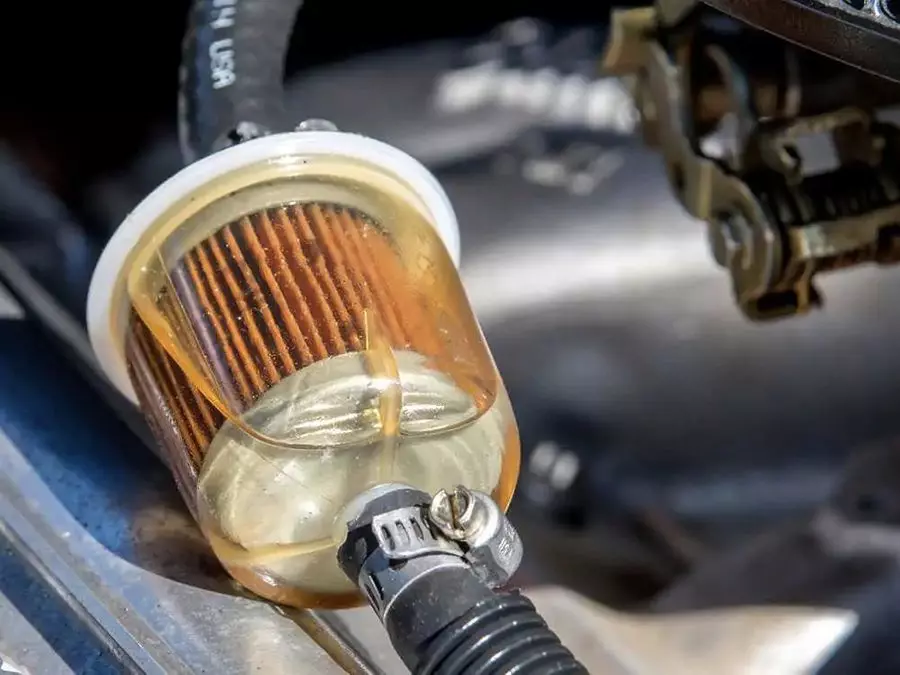
Паливний фільтр присутній у будь-якому автомобілі з двигуном внутрішнього згоряння, щоб забезпечити максимальну чистоту палива, запобігаючи проблемам, які можуть викликати несподіване або прискорене зношування паливної системи та камери згоряння. Це важливо для всіх автомобілів, але особливо дизельних двигунів. У багатьох автомобілях паливний фільтр – це деталь, яку необхідно регулярно замінювати відповідно до графіка технічного обслуговування вашого автомобіля.
У цій статті ви дізнаєтеся про те, що це паливний фільтр, як він працює, як часто його потрібно міняти і як визначити, коли час встановити свіжий, чистий фільтр.
Навіщо потрібен паливний фільтр?
Паливний фільтр складається з двох частин: фільтруючого елемента та корпусу. Конструкція може кардинально відрізнятися: поширені змінні паливні фільтруючі елементи, рядні фільтри і фільтри, що нагвинчуються. У корпусі знаходиться елемент, що фільтрує, має мікроскопічні отвори, через які проходить тільки чисте відфільтроване пальне. Він також захоплює та утримує частинки, такі як іржа, бруд або будь-які інші забруднюючі речовини, які не можуть пройти через фільтрувальний елемент. Це допомагає запобігти потраплянню сміття в циліндри двигуна через форсунки. Через фільтр можуть пройти тільки частинки, досить дрібні, щоб не спричинити таких проблем, як засмічення паливних форсунок.
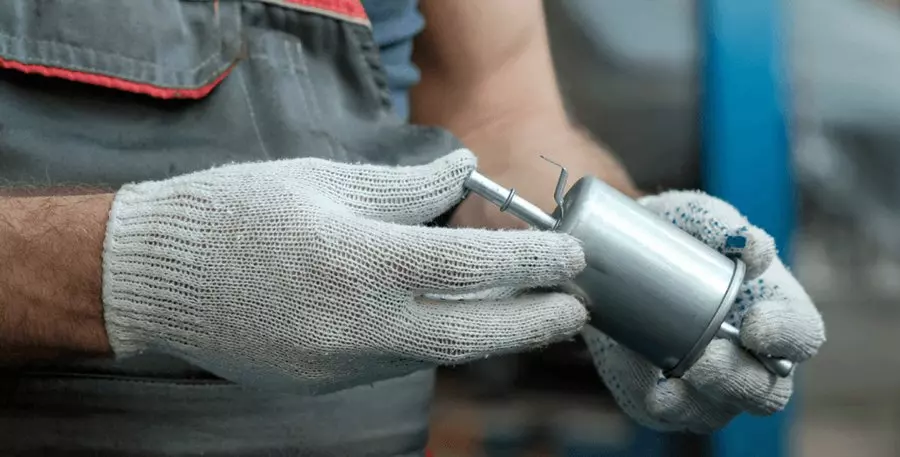
Паливні фільтри бувають різних конструкцій для різних автомобілів та двигунів. Деякі конструкції мають впускну та випускну камери, розділені фільтрувальним елементом у герметичному корпусі. Інші можуть мати іншу конструкцію залежно від конкретних особливостей системи подачі пального у двигуні.
Як працює паливний фільтр?
Коли бензобак вашого автомобіля заповнюється пальним, будь-які відкладення чи забруднення, змішані з ним, проходять через паливну форсунку, перш ніж потрапити до кінцевого пункту призначення – циліндри двигуна вашого автомобіля – де вони згоряють у процесі згоряння у вигляді вихлопних газів.
Однак, якщо ці забруднення являють собою великі частинки, особливо абразивні, вони можуть призвести до серйозних пошкоджень найважливіших компонентів вашого автомобіля, включаючи клапани, поршні, стінки циліндрів і багато іншого. Це призведе до пошкодження деталей з часом через знос. Це також може вплинути на ефективність використання пального, оскільки паливні форсунки можуть бути закупорені, створюючи нерівномірне розпилення, яке є менш ефективним для виробництва потужності. Ваш двигун також може працювати погано через осічку, якщо нагар перешкоджає нормальному закриттю клапанів або розпорошенню пального форсунками.
Як часто змінюють паливний фільтр?
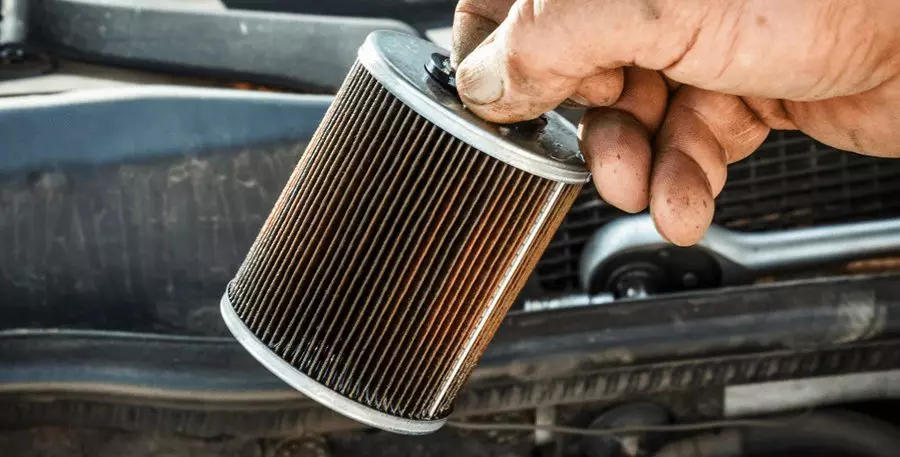
Коли йдеться про заміну паливного фільтра автомобіля, загальна рекомендація полягає в тому, щоб робити це кожні 20000-30000 км. Однак це число може змінюватись залежно від декількох факторів, таких як тип автомобіля, як часто ви на ньому їздите і де ви його експлуатуєте. Крім того, це залежить від типу паливного фільтра, яким оснащено ваш автомобіль. Хорошою практикою може бути заміна паливного фільтра при кожній заміні мастила.
Екологічні чинники впливають інтервал. Наприклад, люди, які живуть у районах з екстремальними погодними умовами або курними дорогами, повинні замінювати паливний фільтр частіше, ніж ті, хто не живе в таких районах. При похолоданні пальне, особливо дизельне, стає більш в'язким і тече повільніше, тому йому важче пройти через частково забруднений фільтр.
Важливо також відзначити, що деякі автомобілі оснащені вбудованими нагадуваннями про необхідність технічного обслуговування, які попередять вас, коли настане час заміни. Після отримання попередження слід якнайшвидше замінити паливний фільтр.
Ще один спосіб визначити, коли може настати час заміни, це візуальний огляд старого паливного фільтра. Якщо є ознаки витоку палива чи запах бензину, його слід замінити.
До інших факторів належать:
Вік вашого автомобіля. У старих машинах в паливному баку часто накопичується сміття та бруд, які перемішуються та вимагають фільтрації з більшою швидкістю, ніж у більш нових автомобілях.
Де ви їздите. Міська їзда часто означає менший пробіг на рік, але аналогічна кількість відфільтрованого та спаленого пального. Зазвичай їзда на шосе є швидшою. 30 000 км – це середній показник.
Заміна паливного фільтра дизель. На автомобілях з дизельними моторами багато автовласників запитують “Як часто міняти паливний фільтр на дизелі?” І так, на авто з "важким" пальним слід проводити заміну фільтра кожні 15-20 тис. км. Крім цього, звертайте увагу на паливо, що заправляється в автомобіль (по можливості). Якщо воно брудне, то варто частіше проводити заміну цього елемента, щоб не допускати його засмічення.
У паливних фільтрах із прозорим корпусом та змінним елементом можна побачити бруд або скупчення всередині.
Чи всі паливні фільтри потребують заміни?
У деяких автомобілях паливний фільтр не підлягає обслуговуванню. У таких автомобілях на паливному насосі зазвичай встановлений сітчастий фільтр, який запобігає потраплянню сміття та бруду в бак. Таким чином, вони не потребують заміни у рамках планового технічного обслуговування, як інші автомобілі.
Ознаки того, що ваш паливний фільтр потребує заміни
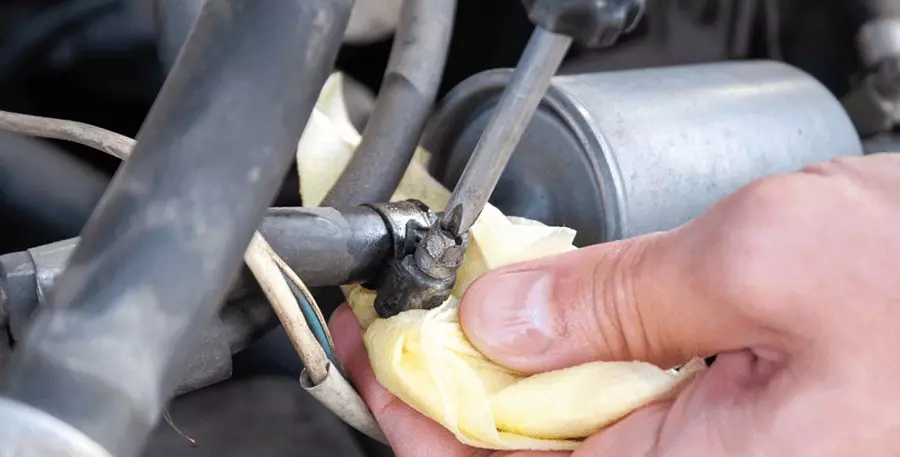
Симптоми поганого паливного фільтра часто збігаються з іншими проблемами подачі палива або запалювання, тому більшість ознак проблеми не є винятковими. Тим не менш, вони можуть направити вас у правильному напрямку та допомогти визначити винуватця. Ознаки забрудненого або засміченого паливного фільтра включають:
- Осічки двигуна, що супроводжуються загорянням лампочки Check Engine Light.
- Нерівний хід.
- Уповільнення при розгоні та зниження потужності.
- Заглухання під час руху або на холостому ході.
- Зниження економії пального.
- Проблеми із запуском двигуна.
- Виразний запах пального у вихлопній трубі або поблизу паливного фільтра.
Щоб визначити, що паливний фільтр несправний, почніть з огляду його корпусу на предмет витоків через тріщини, ослаблені фітинги або корозію. Потім проскануйте бортову діагностичну систему на наявність кодів помилок, які свідчать про неякісне пальне.
Проведіть тест-драйв автомобіля та послухайте двигун: чи не видає він незвичайних звуків.
З появою будь-якого з цих симптомів слід замінити паливний фільтр. Це недороге профілактичне обслуговування, і якщо причина симптомів у ньому, його легко усунути. Якщо ж причина не в ньому, то нічого поганого в тому, що новий паливний фільтр вже встановлений, щоб ви могли продовжити діагностику проблеми.
Заміна паливного фільтра
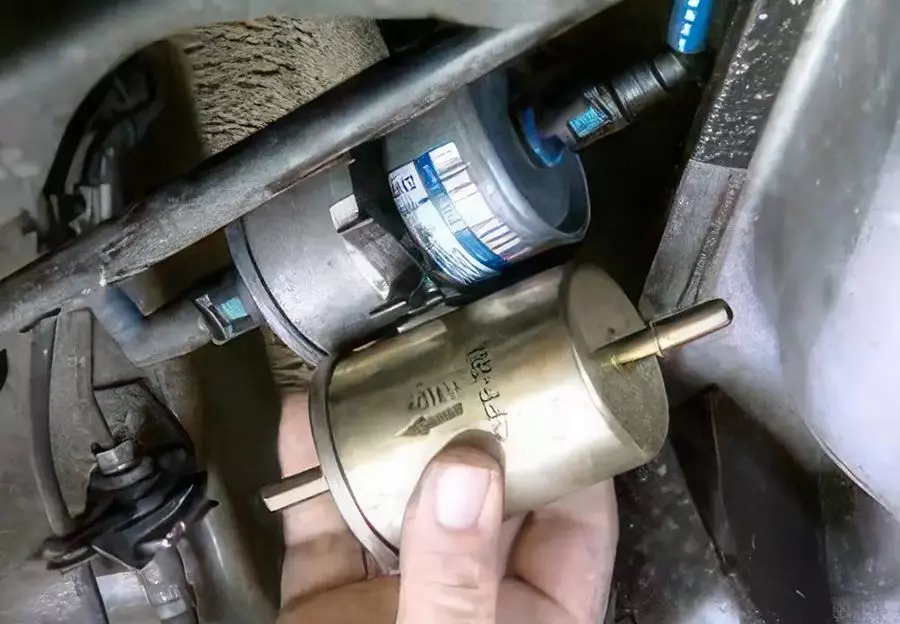
Спосіб заміни паливного фільтра залежить від типу вашого автомобіля. У багатьох бензинових двигунів паливний фільтр встановлений на шасі між паливним баком та двигуном, і зняти його з паливопроводів можна за допомогою гайкового ключа кількох звичайних розмірів. Багато дизельних двигунів паливний фільтр знаходиться під капотом і виглядає як великий масляний фільтр з різьбленням.
Ключ або ремінь для масляного фільтра може послабити його, щоб його можна було відкрутити та встановити новий.
Інформацію про інтервал обслуговування паливного фільтра та його місцезнаходження найкраще шукати у посібнику з експлуатації автомобіля, що було надано при покупці. Як би не було встановлено ваш паливний фільтр, поставте під нього уловлювач для збору палива, що витікає, і затягніть новий фільтр відповідно до специфікації, вказаної в посібнику з обслуговування.
Висновок
Для багатьох автомобілів заміна паливного фільтра є плановим технічним обслуговуванням, яке при регулярному виконанні дає довготривалі переваги. Якщо про нього не дбати, ви почнете відчувати симптоми, які можуть поставити під загрозу здоров'я та роботу двигуна. Його заміна – досить простий процес, а запчастини зазвичай мають цілком прийнятну ціну.





 416
416
 1хв
1хв 


