


 Назад
Назад 

Зміст статті:
- Швидкий вибір: що підійде саме вам
- Газові пальники: компактність і мінімальна вага
- Газові плити: комфорт як на домашній кухні
- Інтегровані системи: швидкість і ефективність
- Порівняння варіантів: що обрати для своїх задач
- Як вибрати обладнання під свої задачі і не помилитися
- Висновок: що обрати саме вам
Після довгої дороги або покатух по бездоріжжю швидко розумієш: холодні бутерброди і чай з термосу — це не їжа. Тут і стає в нагоді газовий пальник — щоб закип’ятити воду чи швидко розігріти щось гаряче. Але цим вибір не обмежується: туристична газова плита дає більше можливостей для повноцінного приготування, а інтегрована система приготування їжі виручає, коли важлива швидкість і економія газу.
У цій статті розберемо, що і на чому готувати, який варіант краще під різні сценарії та як обрати рішення, яке має бути обов'язковим у вашому спорядженні. А також поділимось своїм досвідом з використання газового обладнання – адже приготування їжі в поході може бути зручним та практичним.
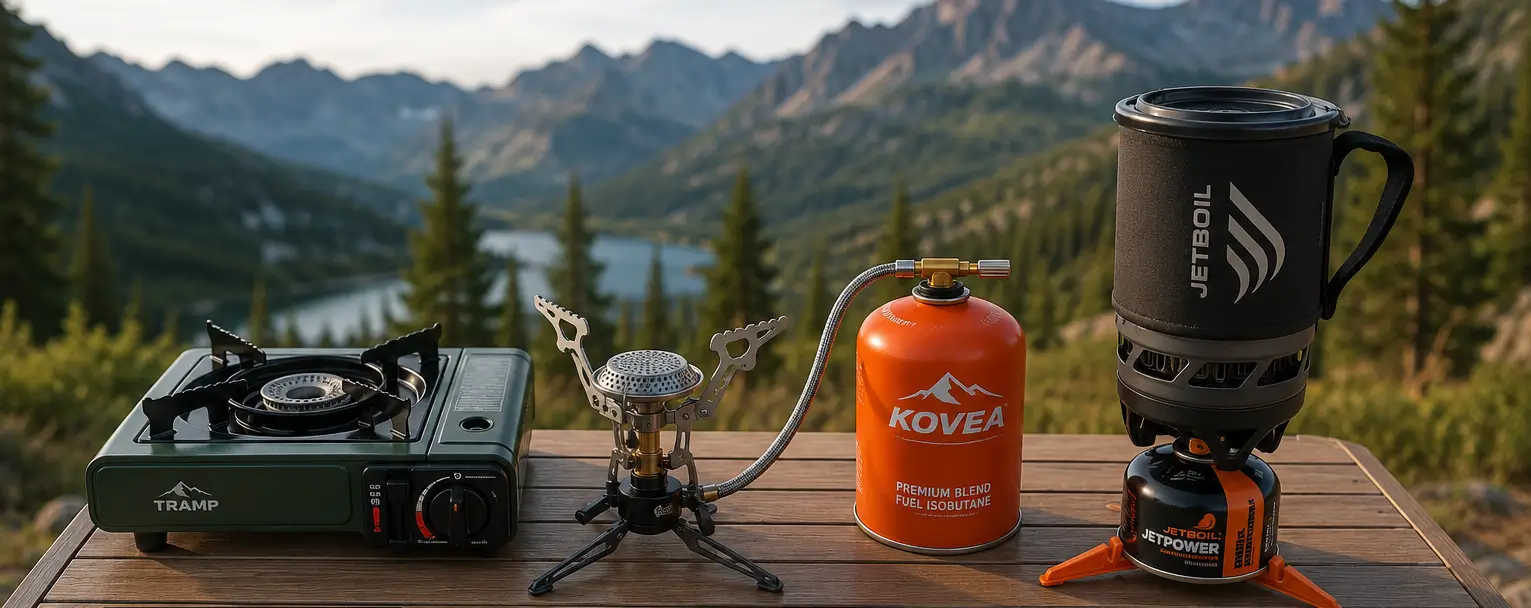
Швидкий вибір: що підійде саме вам
Щоб не витрачати час на порівняння і не купити зайве, орієнтуйтесь на свій формат поїздок і задачі:
- Потрібна компактність, мінімальна вага і просте приготування – беріть газовий пальник;
- Плануєте готувати на кількох людей і хочете більше комфорту – обирайте газову плиту туристичну;
- Важлива швидкість, економія газу і мінімум дій - підійде інтегрована система приготування їжі.
Не впевнені у виборі? Нижче — детальний розбір кожного варіанту з реальними плюсами і обмеженнями.
Газові пальники: компактність і мінімальна вага
Газові пальники — це найпростіший спосіб отримати гарячу їжу там, де її зазвичай немає. Мінімум місця в багажнику або в рюкзаку — і ви вже не залежите від заправок чи сухих перекусів. Це ідеальне рішення для коротких виїздів, походів або ситуацій, коли важлива мобільність.
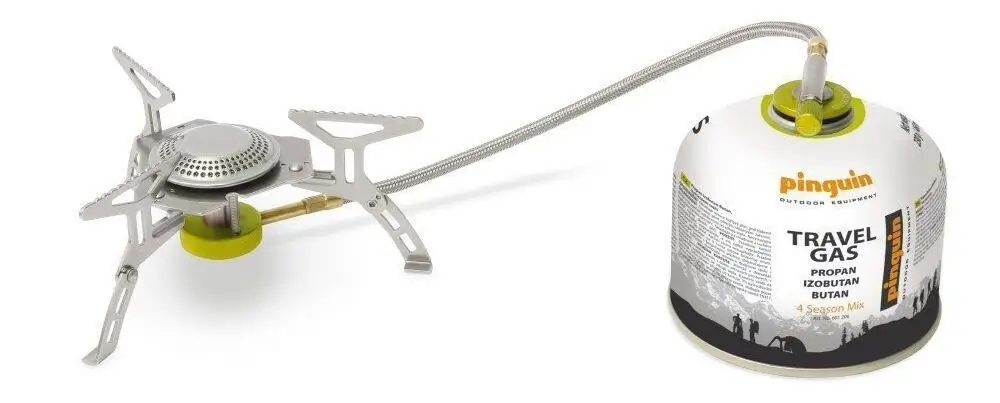
За конструкцією туристичний газовий пальник буває двох типів:
- Набалонні — накручуються прямо на балон. Максимально компактні, швидко розкладаються і майже не займають місця; прикладом може бути титановий BRS-3000T.
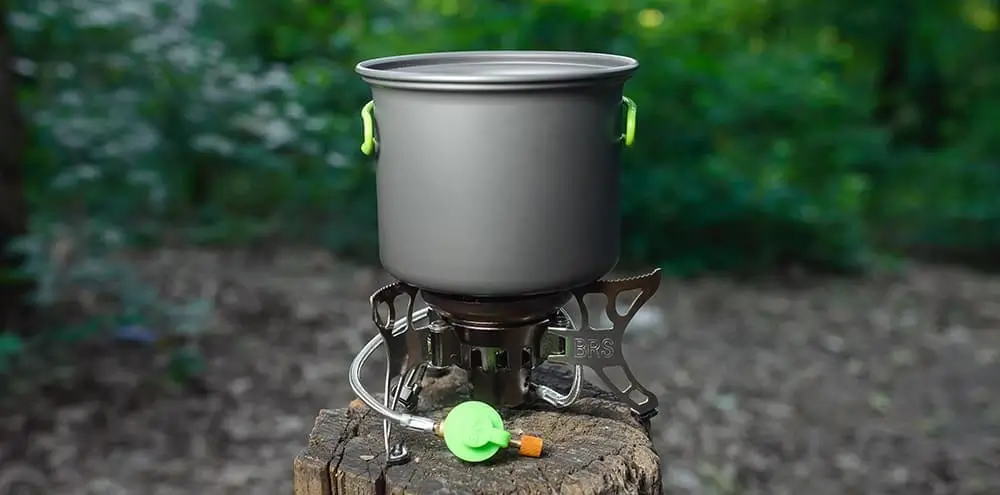
- З виносним балоном — балон підключається через шланг. Дає кращу стійкість, зручніше для готування і стабільніше працюють у вітряну погоду, можна використовувати зі сковорідками, каструлями, готувати на 3-5 осіб. Пальник BRS-73 швидко кипятить воду і дає можливість використовувати великий посуд для приготування.
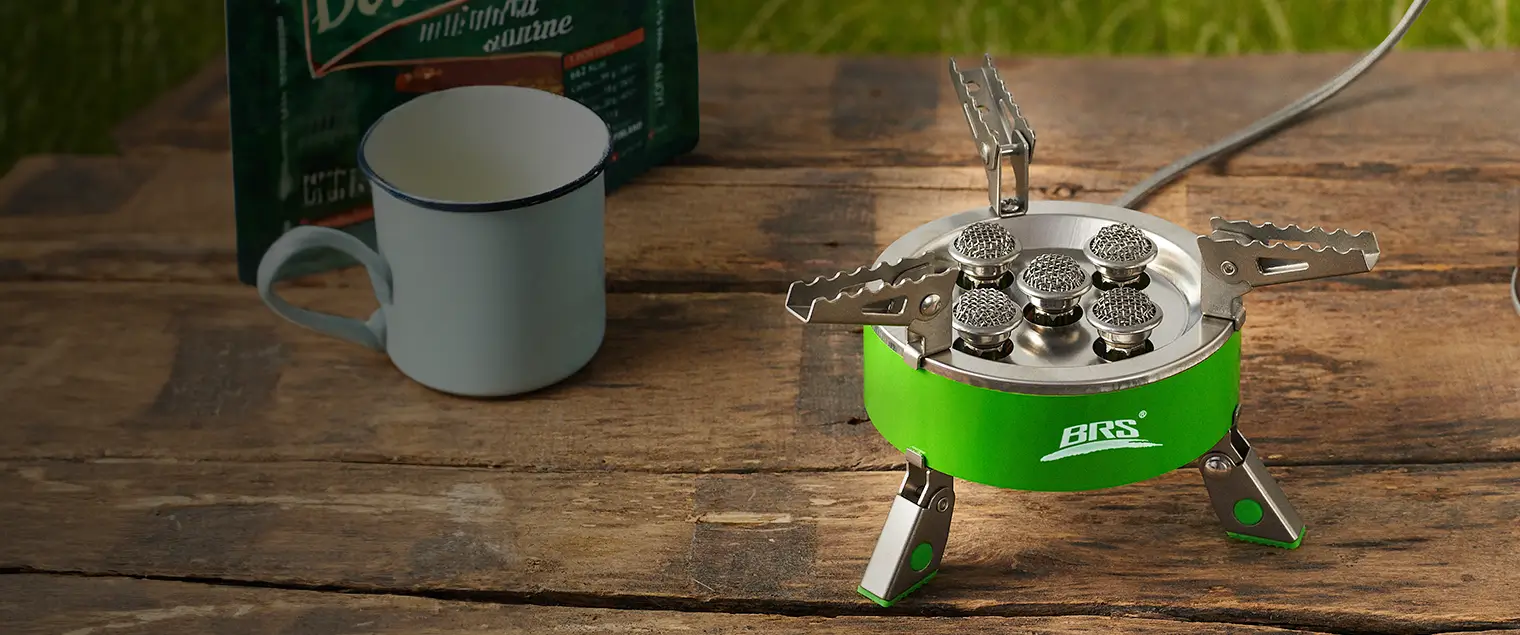
Переваги газових пальників
- мінімальна вага і компактність — легко взяти навіть “про всяк випадок”;
- швидкий запуск — дістав, підпалив, готуєш;
- універсальність для базових задач: кава, гаряча вода, прості страви;
- доступна ціна у порівнянні з іншими рішеннями.
Можливі обмеження
- менша стійкість, особливо у на балонних моделей;
- чутливість до вітру без додаткового захисту, але тут в нагоді може стати вітровий екран;
- не найкращий варіант для складного чи тривалого приготування або для великих компаній.
Якщо вам важливо мати компактне і завжди готове рішення “на всяк випадок в багажнику” — газовий пальник закриває цю задачу краще за будь-який інший варіант.
Газові плити: комфорт як на домашній кухні
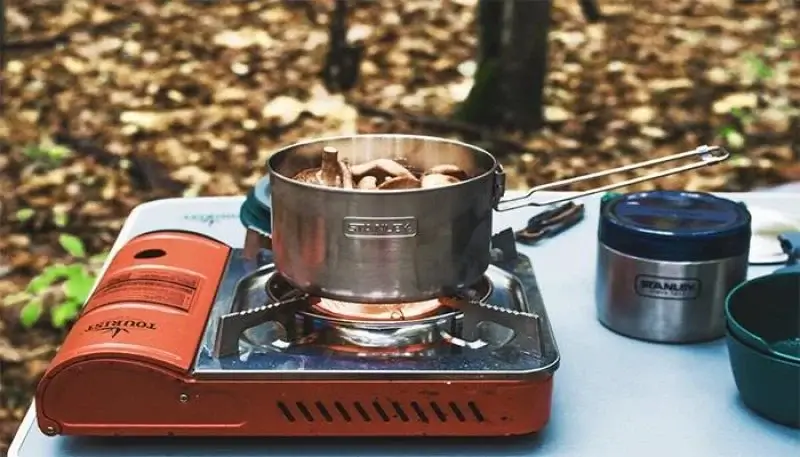
Газова плита туристична — це вибір для тих, хто не хоче підлаштовуватись під обмеження. У автоподорожах і на кемпінгу вона дає те, чого бракує пальнику: стабільність, контроль сили полум’я і можливість готувати повноцінні страви, а не лише кип’ятити воду. По суті, це компактна кухня, яку ви берете з собою.
На відміну від пальників, плита не залежить від балансу балона чи рівності поверхні — її легко встановити і використовувати навіть у польових умовах.
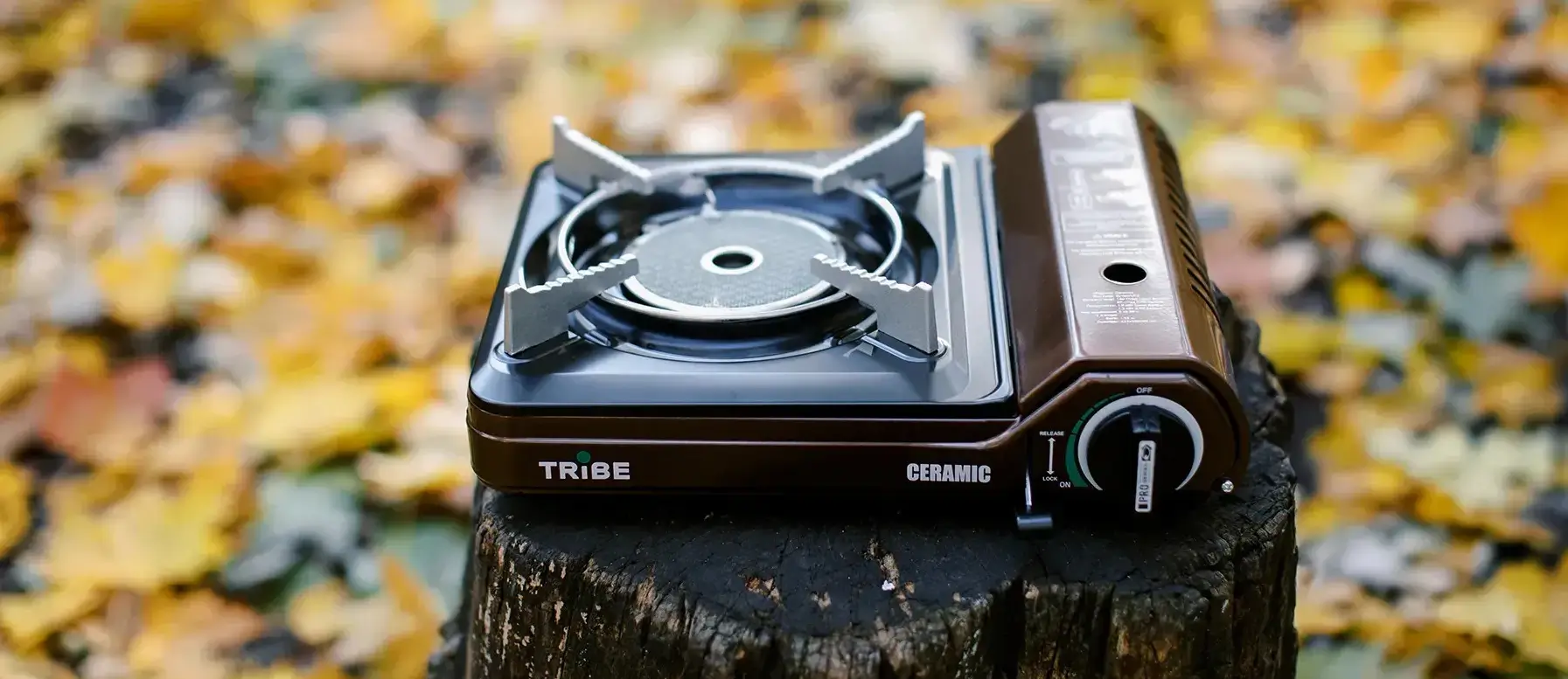
Переваги газових плит
- висока стабільність — зручно готувати навіть у великому посуді;
- комфорт у використанні — як звична кухня;
- підходить для кількох людей або сім’ї, на великі компанії краще обирати газові плити для кемпінгу на 2 або 3 конфорки;
- можливість готувати не лише прості страви, а й повноцінні “кулінарні історії” завдяки можливості регулювання сили полум'я та великим конфоркам;
- більше гастрономічного задоволення в подорожах — без компромісів у їжі.
Можливі обмеження
- більші габарити і вага;
- займає місце в авто або спорядженні;
- повільніша у розгортанні, ніж пальник.
Якщо для вас важливо не просто перекусити, а нормально поїсти в дорозі — туристична газова плита туристична дає рівень комфорту, який пальник просто не може забезпечити.
Інтегровані системи: швидкість і ефективність
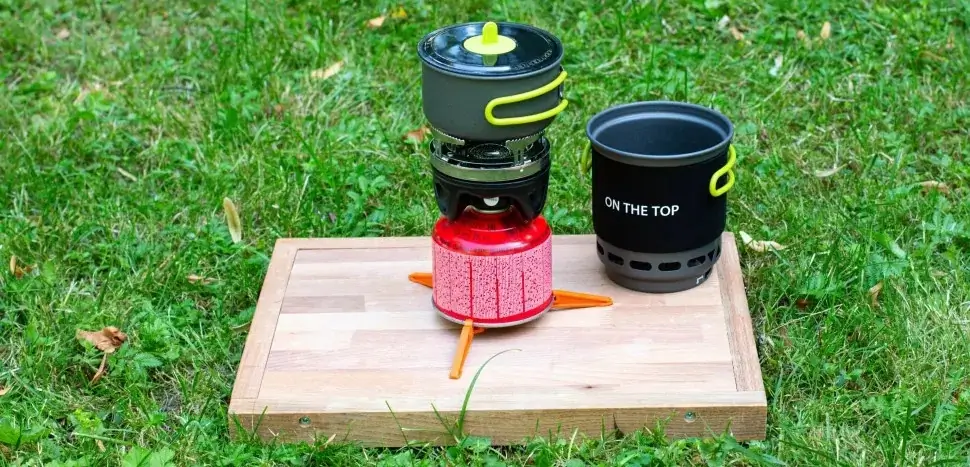
Інтегрована система приготування їжі — це конструкція, де пальник, теплообмінник і посуд працюють як єдине ціле. Всі елементи підігнані один до одного, тому тепло не “губиться”, а використовується максимально ефективно. По суті, це рішення для тих, хто хоче отримати результат швидко і без зайвих налаштувань.
На практиці це означає: дістав, зібрав за хвилину, закип’ятив воду швидше, ніж на класичному пальнику, і витратив менше газу. Останнє – дуже важливо під час тривалих подорожей, адже брати з собою велику кількість газових балонів незручно.
Переваги інтегрованих систем
- дуже швидке кип’ятіння води — швидше, ніж у звичайних пальників і часто ефективніше за плити; наприклад, пальник Pinguin Spider доводить 0,5 л води до закипання за 3 хв, тоді як Jetboil Flash всього лиш за 100 сек;
- економія газу завдяки теплообміннику;
- стабільна робота у вітряну погоду завдяки вбудованому вітрозахисту;
- компактність у складеному вигляді (все складається в один модуль) як матрьошка;
- мінімум дій — ідеально для швидких зупинок або ранкової кави.
У чому вони виграють
- порівняно з пальниками — швидші, ефективніші і менш чутливі до вітру; інтегровані системи Jetboil і аналоги від інших брендів відмінно себе показали в походах та на кемпінгах;
- порівняно з плитами — значно компактніші і швидші в підготовці.
Можливі обмеження
- обмежений функціонал — найкраще підходять для кип’ятіння води та простих страв, хоча є певні модулі, які мають регулювання сили полум'я та перехідники для використання окремого посуду;
- менша універсальність у виборі посуду;
- вища ціна у порівнянні з газовими пальниками.
Інтегрована система приготування їжі — це про швидкість, ефективність і мінімум зайвих рухів, коли потрібно зробити все “тут і зараз”.
Порівняння варіантів: що обрати для своїх задач
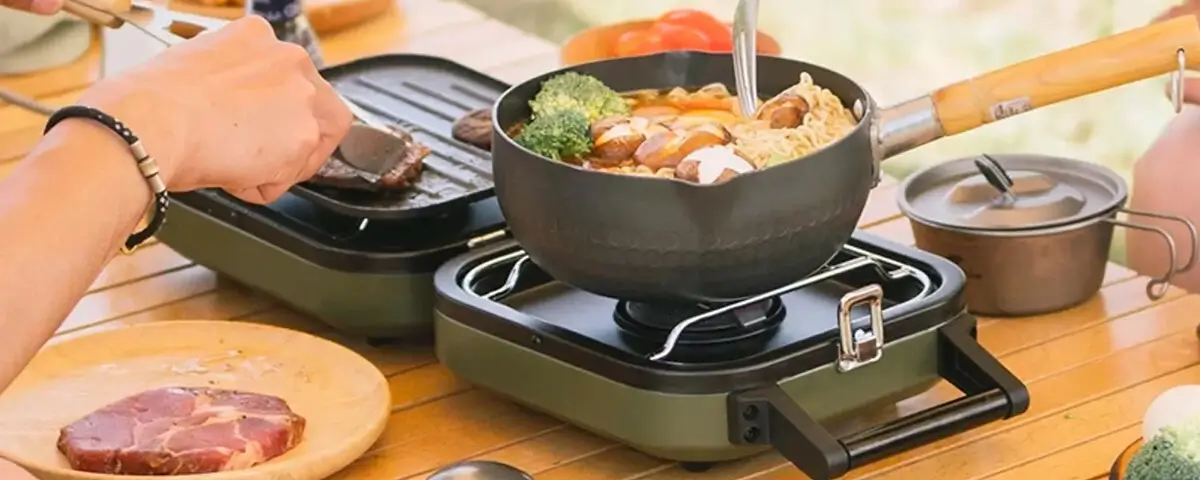
Щоб зробити правильний вибір, варто оцінювати не окремі характеристики, а ефективність у реальних умовах. Різні рішення оптимізовані під свої сценарії, тому ключові параметри — це комфорт, швидкість і доцільність використання в дорозі. Нижче — стисле порівняння, яке допоможе швидко зорієнтуватись.
| Критерій | Газовий пальник | Туристична газова плита | Інтегрована система приготування їжі |
| Вага і компактність | ⭐⭐⭐⭐⭐ | ⭐⭐ | ⭐⭐⭐⭐ |
| Зручність приготування | ⭐⭐ | ⭐⭐⭐⭐⭐ | ⭐⭐⭐ |
| Швидкість | ⭐⭐⭐ | ⭐⭐ | ⭐⭐⭐⭐⭐ |
| Економія газу | ⭐⭐⭐ | ⭐⭐ | ⭐⭐⭐⭐⭐ |
| Універсальність | ⭐⭐ | ⭐⭐⭐⭐⭐ | ⭐⭐ |
| Стійкість | ⭐⭐ | ⭐⭐⭐⭐⭐ | ⭐⭐⭐⭐ |
| Ціна | ⭐⭐⭐⭐⭐ (доступні) | ⭐⭐⭐ (середній сегмент) | ⭐⭐ (дорожчі) |
Підсумовуючи:
- Газовий пальник — обираємо коли важлива вага і маєте мінімальний бюджет;
- Газова плита туристична — це баланс між комфортом і ціною, але мінус по вазі та габаритах;
- Інтегрована система приготування їжі — інвестиція у швидкість і ефективність.
Як вибрати обладнання під свої задачі і не помилитися
Проблема більшості покупок — не в якості спорядження, а в невідповідності задачам. Щоб цього уникнути, варто відштовхуватись не від “що популярніше”, а від того, як саме ви подорожуєте. Далі пропонуємо основні пункти, по яким варто пройтись, перед тим як купити газове спорядження для кемпінгу
Визначте формат поїздок
- Для піших походів важливі мінімальна вага та компактність, тому газові пальники та інтегровані системи;
- Для автоподорожей та кемпінгів важливий комфорт та стабільність, тому газові пальники з виносним балоном та туристичні плити на газу;
- Для коротких виїздів – швидкість і простота, тому набалонні пальники та системи по типу Jetboil.
Оцініть кількість людей
- На 1–2 особи вистачить компактних рішень
- 3 і більше – тоді краще одразу брати щось стабільніше і продуктивніше
Зверніть увагу на ключові характеристики
- Потужність — впливає на швидкість приготування;
- Витрата газу — важлива для довгих поїздок та піших походів;
- Тип газового балона — сумісність і доступність, не всюди за кордоном є різьбові балони;
- Захист від вітру — критично для відкритих локацій та високогір'я.
Типові помилки, яких варто уникати
- брати компактне рішення для великої компанії;
- обирати габаритне обладнання “про всяк випадок”;
- ігнорувати умови використання (вітер, поверхня, температура);
- не враховувати реальну частоту використання.
Орієнтуйтесь на свої сценарії, а не на універсальні поради — тоді спорядження буде працювати, а не лежати без діла.
Висновок: що обрати саме вам
Якщо звести все до простого вибору, логіка виглядає так:
- Газовий пальник — коли важлива компактність, мінімальна вага і базові задачі
- Газова плита туристична — коли потрібен комфорт і можливість нормально готувати в дорозі
- Інтегрована система приготування їжі — коли на першому місці швидкість і ефективність
Ключове — не універсальність, а відповідність вашим поїздкам. Те, що ідеально працює в поході, може бути незручним у кемпінгу, і навпаки.
Якщо залишились сумніви — це нормально. Наші експерти допоможуть підібрати оптимальний варіант під ваші задачі, пояснять нюанси і підкажуть, що дійсно варто брати. Ви можете отримати консультацію і швидко оформити покупку без зайвих витрат часу.
Обирайте спорядження під свій формат подорожей з магазином Vnedorognik.ua — і тоді кожна зупинка буде не просто паузою, а повноцінним відпочинком з гарячою їжею.





 933
933
 4хв
4хв 


