


 Назад
Назад 


Оскільки гальмівні колодки і диски можуть бути досить дорогими запчастинами, цілком логічно прагнути отримати від них повну віддачу і великий термін служби. Якщо колодки зношуються до такої міри, що металева опорна пластина треться об гальмівний диск, то диски, безумовно, потребують заміни. Крім цього, поїздки з такою несправністю може призвести до пошкодження гальмівних супортів, якщо їх поршні надто сильно висунулися в процесі стиснення гальмівних колодок, фрикційна частина яких закінчується.
Ми зібрали кілька ознак, які допоможуть вам розпізнати симптоми різноманітних проблем і зрозуміти коли різні компоненти гальмівної системи зносилися та потребують заміни.
Зміст:
- Скрегітливий шум
- Металеве пищання
- Загоряється індикатор зносу колодок
- Клацаючий шум після натискання або відпускання гальм
- Виникає вібрація гальм лише при зниженні швидкості
- Автомобіль тягне в один бік під час гальмування
- Педаль гальма натискається занадто легко
7 ознак що час змінити гальма:
1. Скрегітливий шум
Скрегітливий шум під час натискання на гальмо насправді викликаний високочастотною вібрацією металевих дисків, барабанів або опорних пластин гальмівних колодок. Надлишкова корозія, що утворюється з часом на неконтактних ділянках зовнішнього периметра гальмівних дисків і барабанів, є основною причиною, оскільки іржа є більш пухкою та менш щільною за своєю природою, а отже, більш схильною до виникнення резонансу.
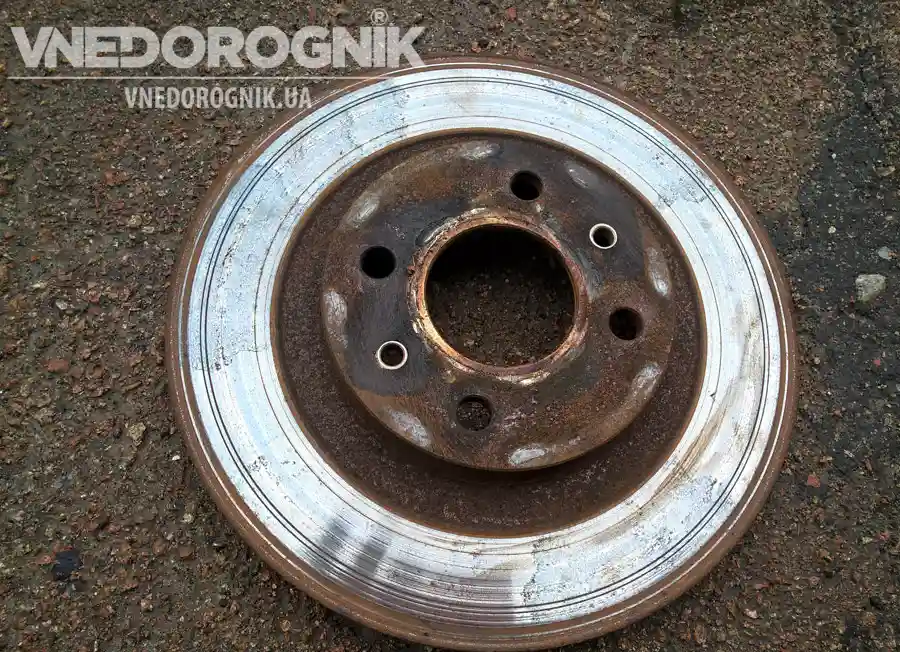
Іншим джерелом такого шуму є кромка, яка утворюється вздовж зовнішнього краю поверхні диска, оскільки гальмівні колодки не стикаються з цією областю. Ця кромка стає більш вираженою в міру зносу і набуває форми сковороди. Іноді кромка стає досить вираженою, щоб викликати контакт із гальмівними колодками, які не мають фаски (закруглених кутів), що призводить до неприємного вереску. Екстремально низькі температури зовнішнього повітря, що спричиняють невелике стиснення роторів, можуть посилити цей ефект, а сильне нагрівання гальм під час інтенсивного використання може призвести до розширення металу, що також спричиняє контакт там, де його не було б у звичайних умовах.
2. Металевий писк
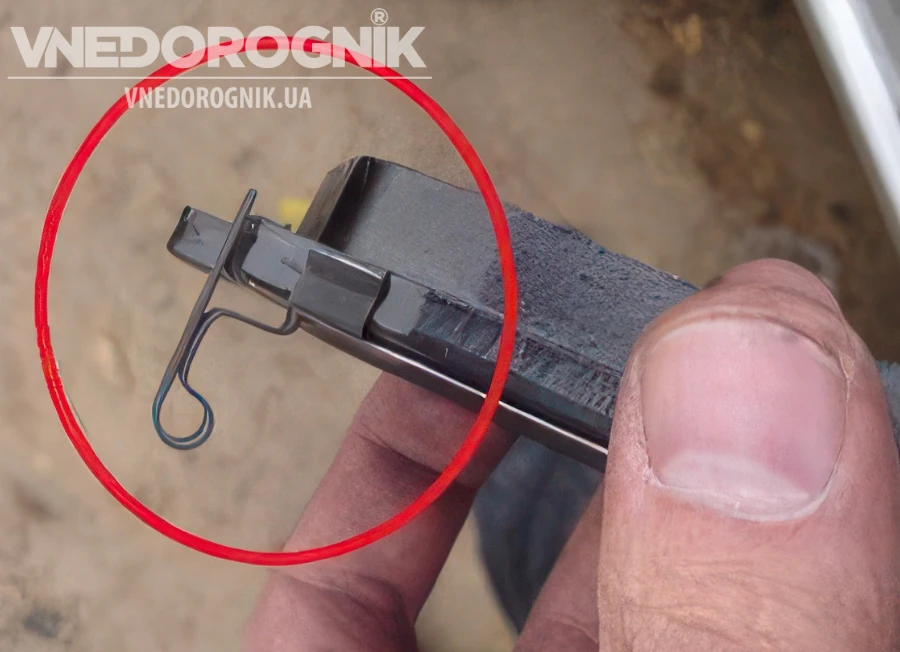
Його можна почути коли зношені до металу гальмівні колодки здавлюють диск. Деякі виробники поміщають невеликі металеві виступи в нижню частину гальмівних колодок. Коли колодки зношуються і стають тонкими, ці виступи стикаються з ротором (диском), створюючи металевий скрегітливий звук, який попереджає водія про те, що час замінити колодки.
При товщині, що залишилася в 3 мм, у вас залишилося небагато часу. При товщині 1 або 2 мм пора призначати поїздку в сервіс або замовляти деталі, щоб мати їх напоготові до дати, коли з'явиться неприємний шум від гальмування металевої основи колодок.
Хоча визначення товщини гальмівних колодок на око - гарний спосіб тримати ситуацію під контролем, важливо пам'ятати, що є зовнішні колодки на боці ротора, які ви можете легко побачити, та внутрішні колодки на іншій стороні ротора, яких не видно без зняття колеса або підлазіння під нього.
3. Загоряється індикатор зносу колодок
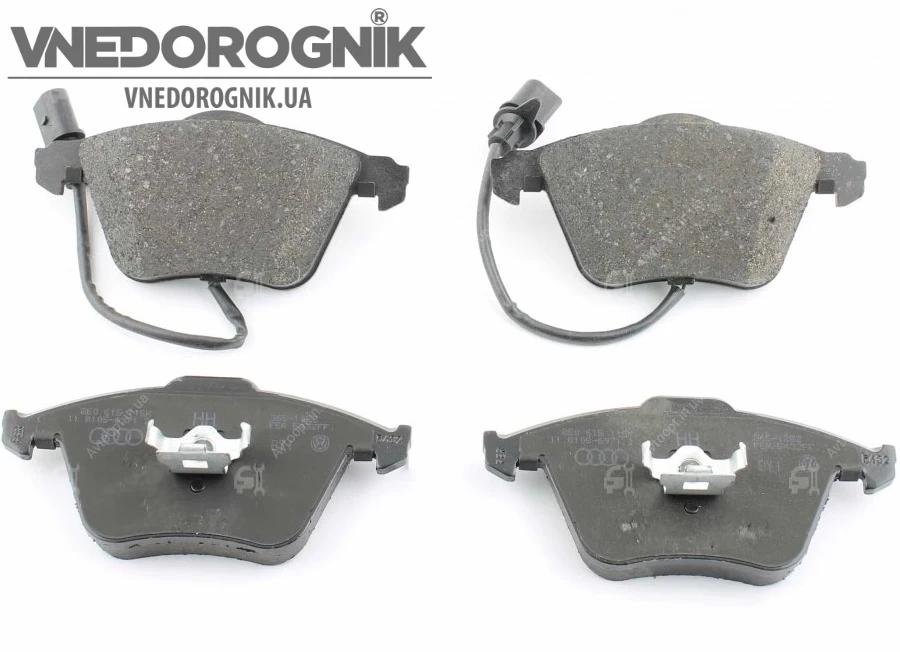
Більшість сучасних автомобілів (від 2000 року випуску) оснащені датчиками, вбудованими в матеріал колодки. Коли нова гальмівна колодка завтовшки 12 мм зношується до залишкового ресурсу приблизно 3 мм, металевий датчик зазвичай оголюється і вступає в контакт із диском. У результаті контакту металу з металом виникає пищання (звукова індикація), а на нових автомобілях може спрацьовувати електронний датчик і спалахувати попереджувальна індикація (електронний індикатор).
4. Клацаючий шум після натискання або відпускання гальм
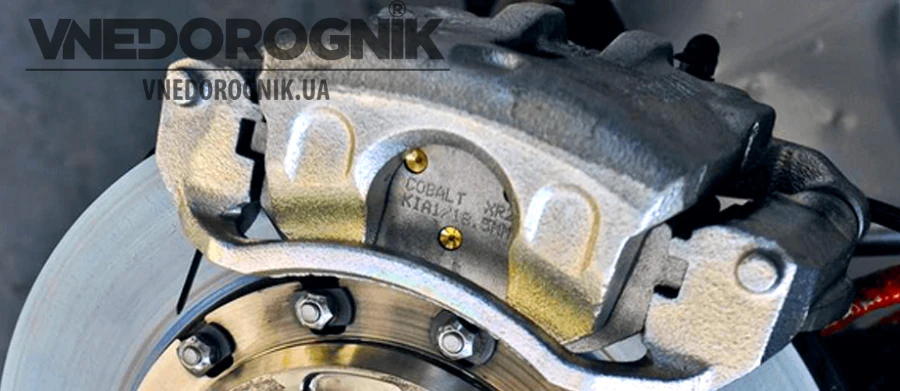
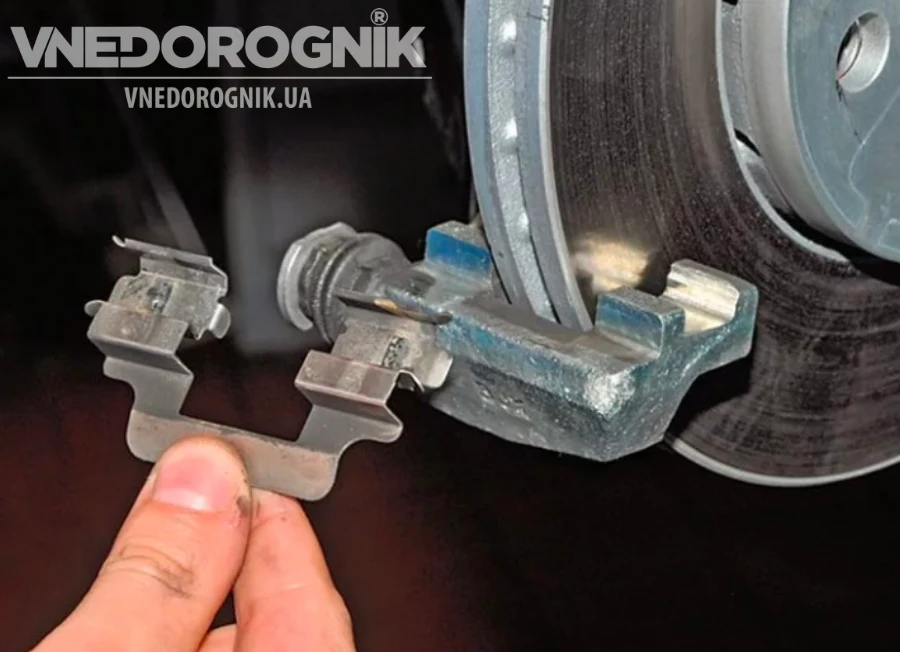
Це вказує на неправильне зміщення гальмівних колодок. Небезпеки їх падіння з автомобіля немає, але оскільки колодки перебувають під тиском між супортом і гальмівним диском, вбудовані "протидребезгові" затискачі фіксують колодки на місці.
З часом сталь, з якої виготовлено ці пластини, може стати крихкою і зламатися, даючи змогу гальмівній колодці вільно переміщуватися у своєму гнізді, створюючи вібрацію і клацаючі звуки під час гальмування. Якщо гальмівні колодки досить стерті щоб це сталося, найімовірніше, вони потребуватимуть швидкої заміни, оскільки при такій експлуатації зношення цих елементів гальмівної системи буде нерівномірним.
5.Вібрація виникає тільки при зниженні швидкості
У більшості випадків тремтіння (вібрація) є результатом того, що диски деформуються подібно до того, як деформується стара вінілова платівка. При кожному обертанні колеса деформована частина гальмівного диска штовхає колодки з боку в бік. Ця вібрація передається від гальмівних супортів безпосередньо через ступиці коліс, осі, підрамники підвіски та через сам кузов автівки.
Примітка: швидкий спосіб переконатися, що вібрація походить від передніх дисків - якщо рульове колесо також вібрує в унісон з гальмами. Вібрація, яка відчувається тільки на сидінні, зазвичай вказує на те, що деформовані задні диски.
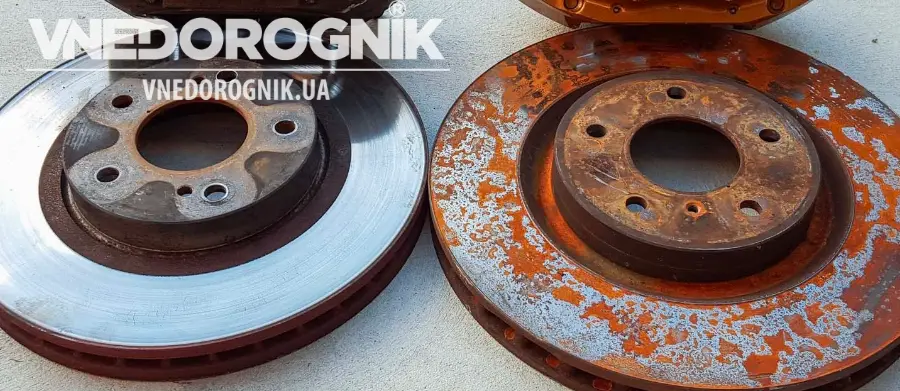
Вібрація диска може бути спричинена корозією, що утворюються на поверхні, коли автомобіль тривалий час перебуває у вологому середовищі та не використовується.
Ще однією причиною вібрації є утворення теплових плям або глазурі на поверхні диска після того, як сполуки заліза в роторі змінюють свій склад через сильне та багаторазове нагрівання.
Щоб позбутися вібрації, кромки або плям, диски можуть бути зняті з автомобіля і відшліфовані з обох сторін на спеціальному токарному верстаті. Оскільки процес шліфування передбачає видалення значної товщини по всій поверхні ротора, важливо знати, яка мінімальна товщина гальмівного диска встановлена виробником автомобіля. Це точка, в якій диск все ще містить достатньо металу для поглинання і розсіювання тепла без деформації або руйнування. Якщо після повторного шліфування товщина виявиться меншою за мінімальну, його необхідно замінити - головним чином тому, що він незабаром знову деформується.
6. Автомобіль тягне в один бік під час гальмування
Це відбувається коли гальма з низки причин притискаються до одного боку автомобіля сильніше, ніж до іншого:
- Найчастіше це викликано тим, що супорти (або колісні циліндри для барабанних гальм) зазнали корозії та перестали правильно рухатися, щоб чинити тиск на гальмівні колодки.
- Таке явище також може бути спричинене витоком гальмівної рідини на поверхню диска або барабана. Оскільки гальмівна рідина не призначена для змащення, вона утворює липку поверхню, що створює більше тертя і змушує супорт з одного боку автомобіля гальмувати сильніше, ніж з іншого.
- Також цей ефект можуть спричинити гальмівні клапани, які регулюють тиск гальмівної рідини в системі, але вірогідність цього нижча. У такому разі їх слід прочистити та замінити.
7. Педаль гальма натискається занадто легко
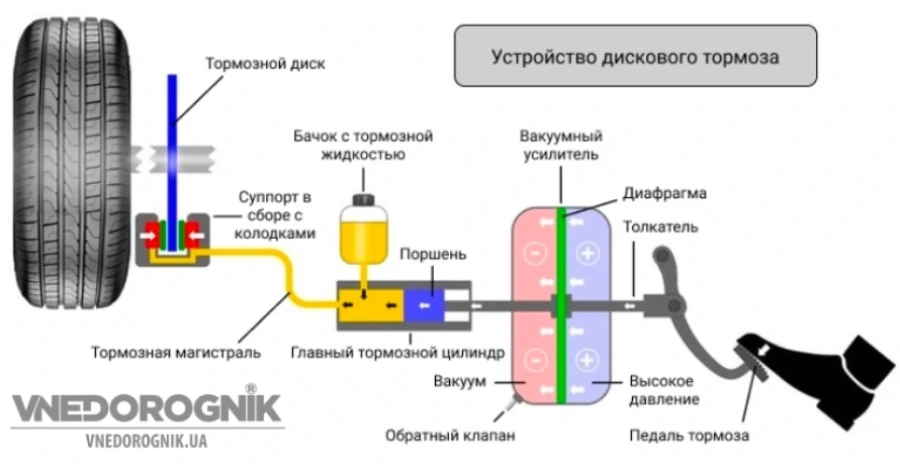
Якщо педаль гальма провалюється в підлогу, значить, компресія гальмівної рідини не створюється належним чином через витік десь у системі. Якщо видимий витік гальмівної рідини не може бути виявлено на жодному з коліс або вздовж гальмівних магістралей, то, найімовірніше, проблема в головному циліндрі, розташованому під капотом.
Головний циліндр містить поршні, які штовхають рідину через гальмівні магістралі до гальм усіх чотирьох коліс. Найчастіше внутрішні ущільнення стають непридатними, і рух рідини всередині головного циліндра зменшується без видимих витоків.
Якщо педаль гальма натискається з великими труднощами, значить, несправний підсилювач гальм. За будь-якого з цих сценаріїв потрібна негайна допомога, і автомобіль слід відбуксирувати в ремонт!
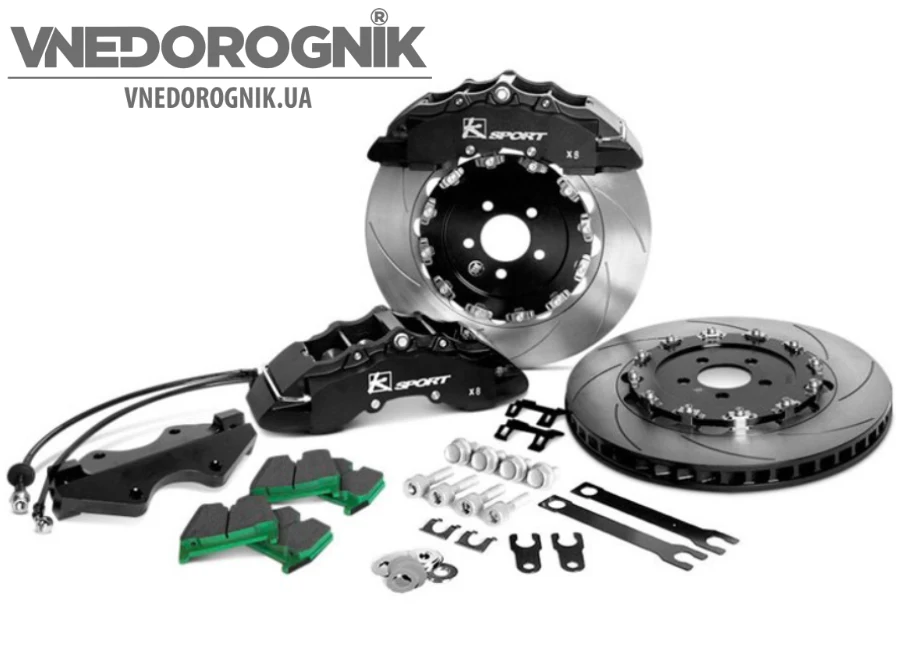
Якщо ви вирішили, що настав час замінити гальмівне обладнання, Vnedorognik пропонує повний асортимент компонентів OEM класу, а також орієнтовані на продуктивність купити запчастини для гальмівної системи, такі як супорти, диски, колодки гальмівні та комплекти гальм, які можна легко встановити замість наявних.


 1,238
1,238

 1хв
1хв 


