


 Назад
Назад 

Зміст статті:
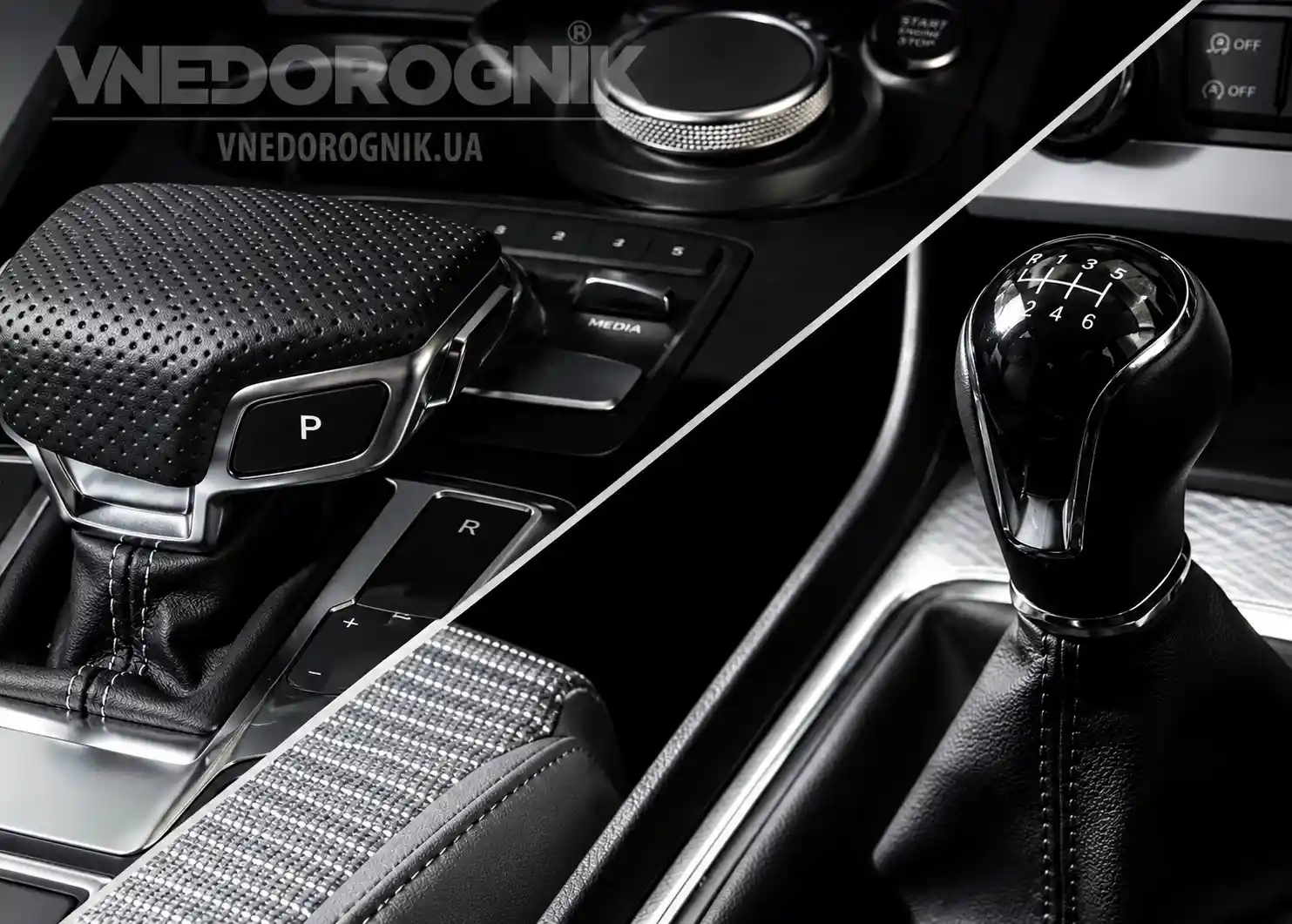
Терміни «трансмісія» або «коробка передач» (КПП) знайомі кожному автомобілісту, проте далеко не всі розуміють принципові технічні відмінності між їхніми сучасними типами. У будь-якому транспортному засобі, оснащеному двигуном внутрішнього згоряння (ДВЗ), трансмісія виступає ключовим вузлом, що визначає динаміку, економічність та комфорт керування. У цій статті ми детально розберемо найпопулярніші види автомобільних коробок передач, їхні переваги, недоліки та принципи роботи.
Що таке трансмісія та як вона працює?
Трансмісія — це складний механічний або гідромеханічний вузол, головне завдання якого полягає в перетворенні та передачі крутного моменту від колінчастого вала двигуна до ведучих коліс. Вона дозволяє адаптувати швидкість обертання двигуна до реальних умов руху, забезпечуючи оптимальну тягу.
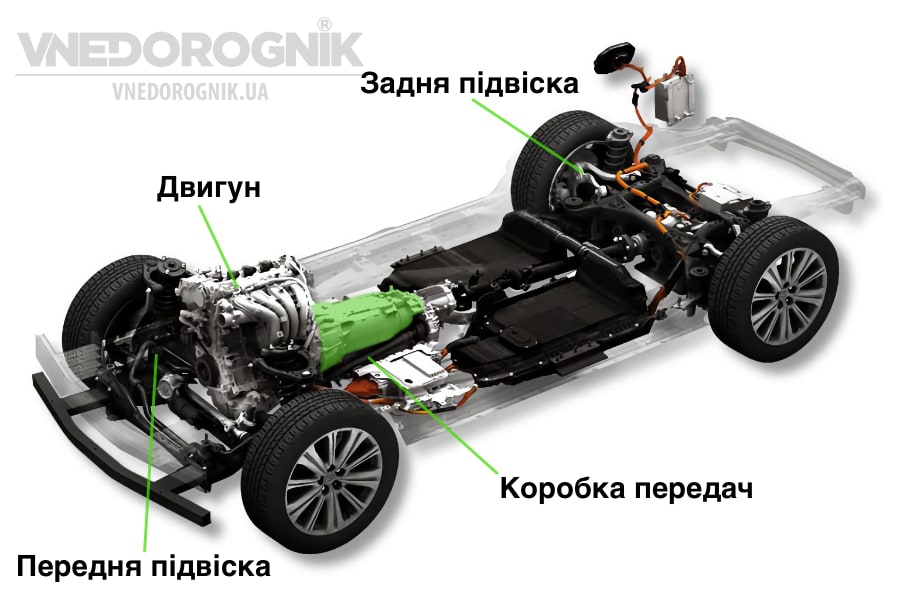
Уявіть собі автомобіль без коробки передач. У такому разі ведучі колеса оберталися б синхронно з колінвалом. Керувати такою машиною було б неможливо: вона б миттєво зривалася з місця при запуску двигуна, а для повної зупинки доводилося б його глушити. Крім того, двигун постійно працював би на межі своїх можливостей, що призвело б до катастрофічної втрати динаміки та колосальної витрати пального.
Наявність КПП вирішує ці проблеми: вона дозволяє двигуну працювати в оптимальному діапазоні обертів, розширює швидкісний діапазон автомобіля та дає можливість безпечно зупинятися, використовуючи нейтральну передачу. Нейтраль (через механізм зчеплення або гідротрансформатор) фізично розриває зв'язок між мотором і колесами. Це робить трансмісію абсолютно незамінною системою для будь-якого авто з ДВЗ.

За понад століття розвитку автомобільної інженерії було створено десятки варіацій КПП. Глобально їх можна поділити на дві основні категорії: механічні та автоматичні. Останні десятиліття ознаменувалися стрімким технологічним стрибком саме автоматів. Нижче ми наводимо експертний огляд основних типів трансмісій, щоб допомогти вам зробити усвідомлений вибір.
1. Механічні коробки передач (МКПП)
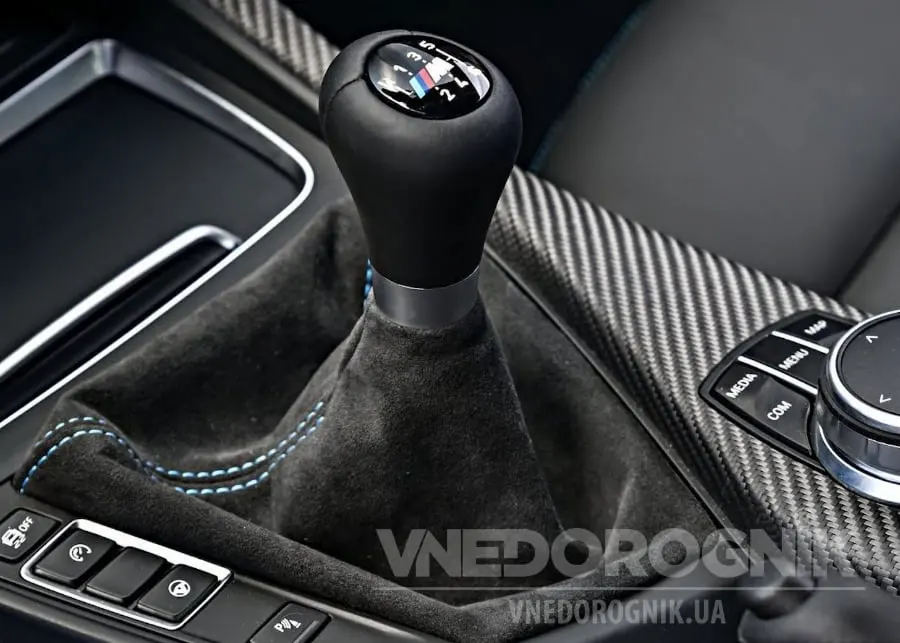
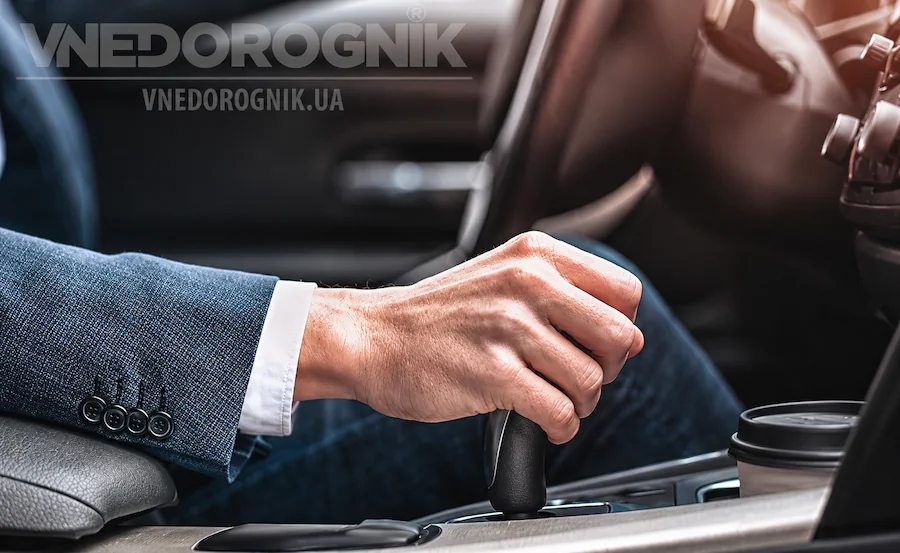
Класична механіка — це «стара школа», яка супроводжує автомобілі з моменту їхньої появи. Процес керування повністю лежить на водієві: необхідно витиснути педаль зчеплення (від'єднавши трансмісію від маховика двигуна), вручну перевести важіль на потрібну передачу та плавно відпустити педаль. Водіння на «механіці» вимагає концентрації, ідеальної координації рухів обох ніг та відчуття обертів двигуна.
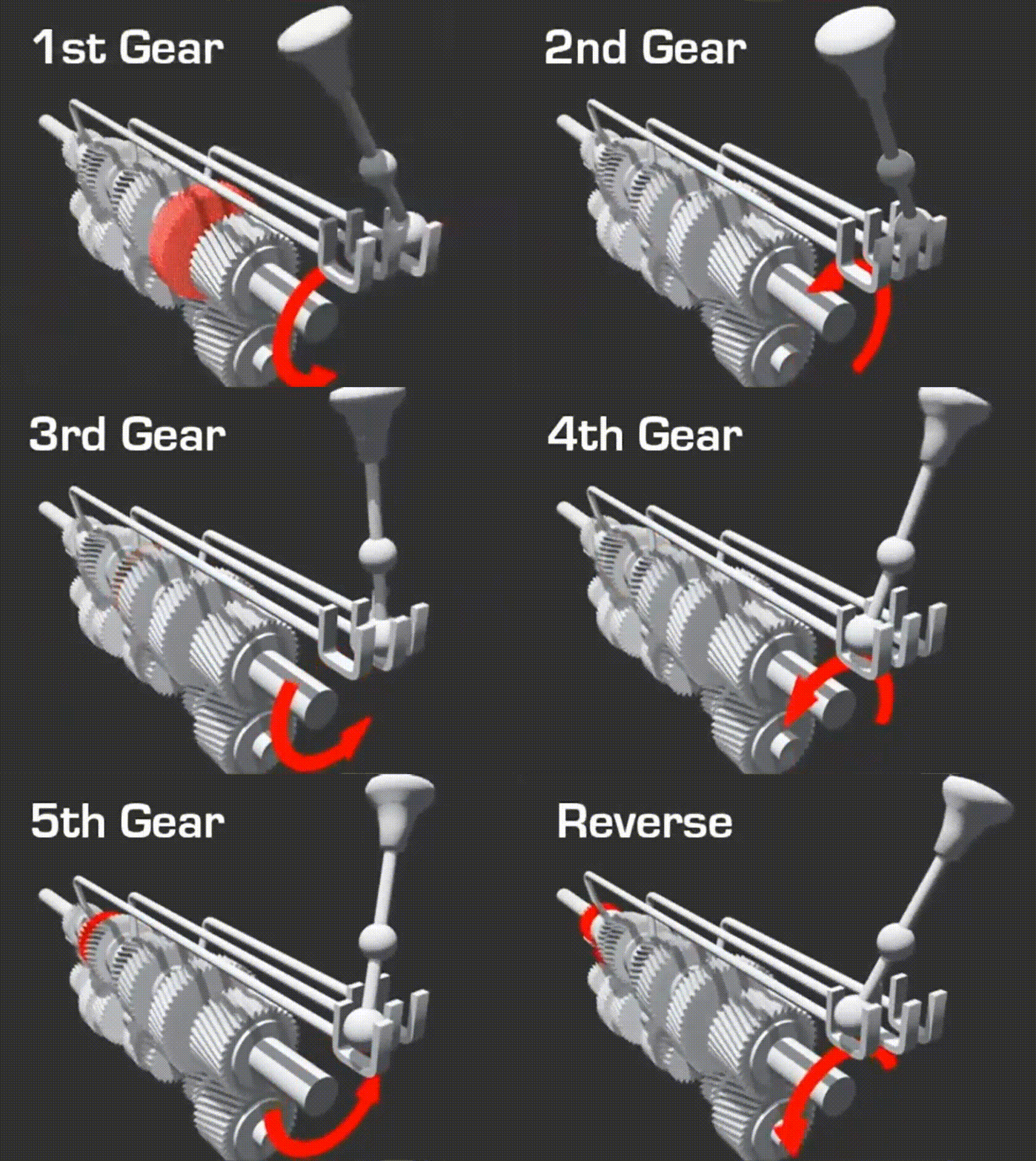
Головні переваги МКПП: абсолютний контроль над поведінкою автомобіля, висока надійність під екстремальними навантаженнями (що критично важливо для важких позашляховиків на бездоріжжі) та простота обслуговування. Автоентузіасти досі цінують механіку за безпосередній зв'язок з машиною. Проте, з огляду на комфорт та швидкість перемикання, які пропонують сучасні автомати, частка автомобілів з МКПП на ринку невпинно скорочується.
2. Автоматичні коробки передач (АКПП)
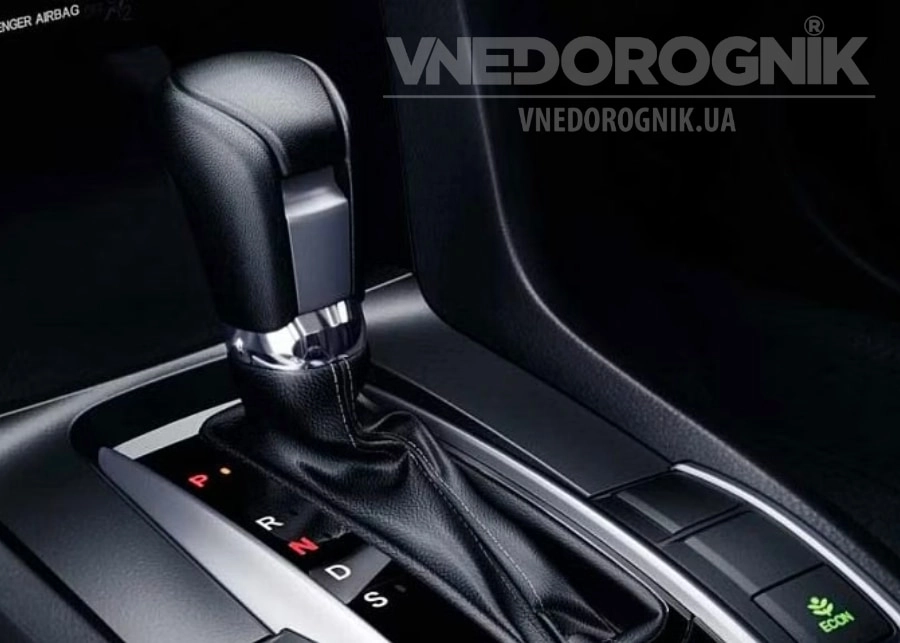
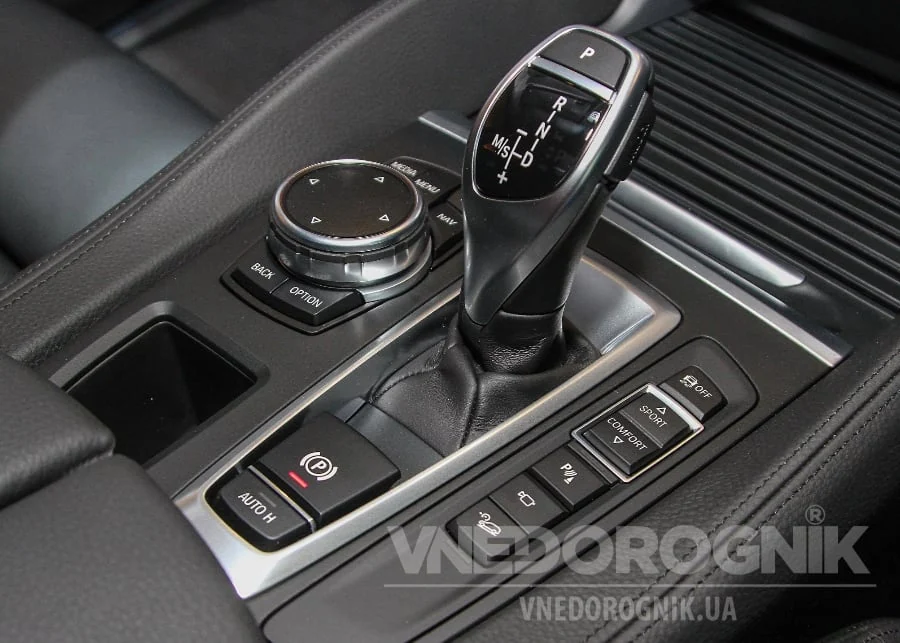
Автоматичні (гідротрансформаторні) коробки передач, які з'явилися ще в 1940-х роках, сьогодні є світовим стандартом. Принцип роботи класичного «автомата» максимально дружній до користувача: достатньо перевести селектор у режим «D» (Drive), і система самостійно змінюватиме передавальні числа. Відсутність педалі зчеплення робить рух у заторах або на складних ділянках значно комфортнішим.

Технічно АКПП є вкрай складним механізмом з розвиненим електронним управлінням. Замість звичного диска зчеплення тут використовується гідротрансформатор, який передає крутний момент за рахунок тиску робочої рідини (ATF). Це забезпечує надзвичайно плавне перемикання. Головні козирі автоматичної трансмісії — комфорт, захист двигуна від перевантажень та висока витривалість сучасних версій.
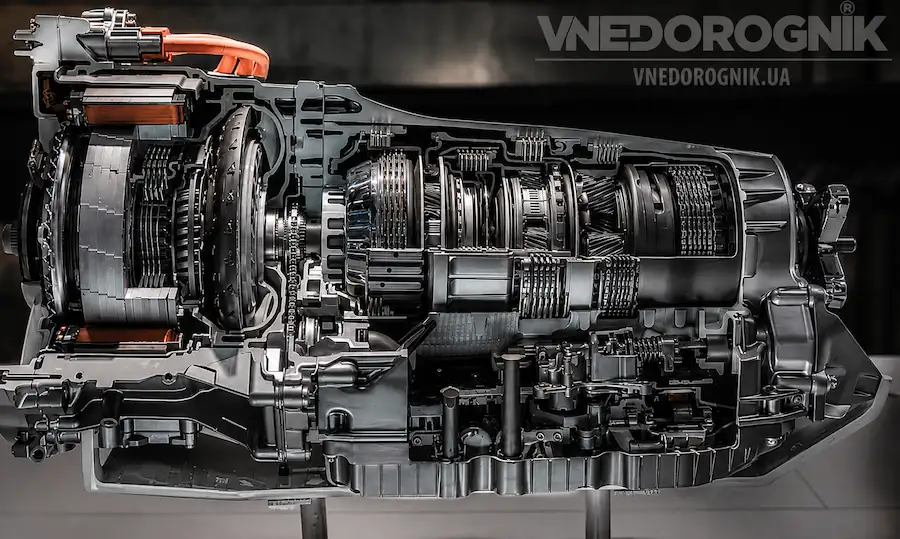
Якщо перші автомати мали лише 2-3 ступені, то сучасні флагманські коробки налічують 8, 9 або навіть 10 швидкостей. Велика кількість передач дозволяє утримувати двигун у зоні максимального крутного моменту, що різко підвищує економічність та динаміку. Завдяки високій міцності гідротрансформаторні автомати є безальтернативним вибором для рамних позашляховиків та авто, що тягнуть важкі причепи. Більшість моделей також пропонують режим ручного перемикання («Тіптронік»).
3. Безступінчасті коробки передач (Варіатори / CVT)
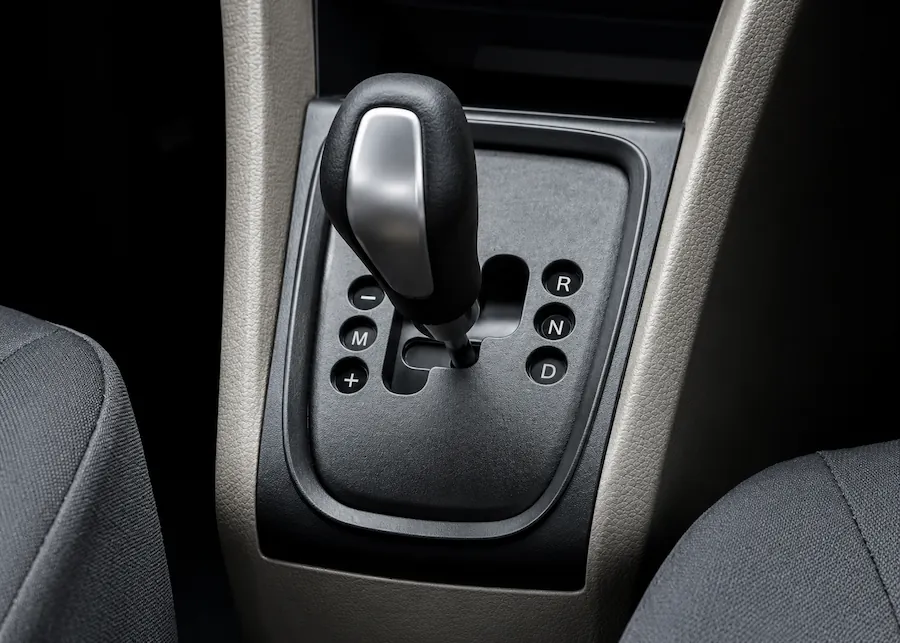
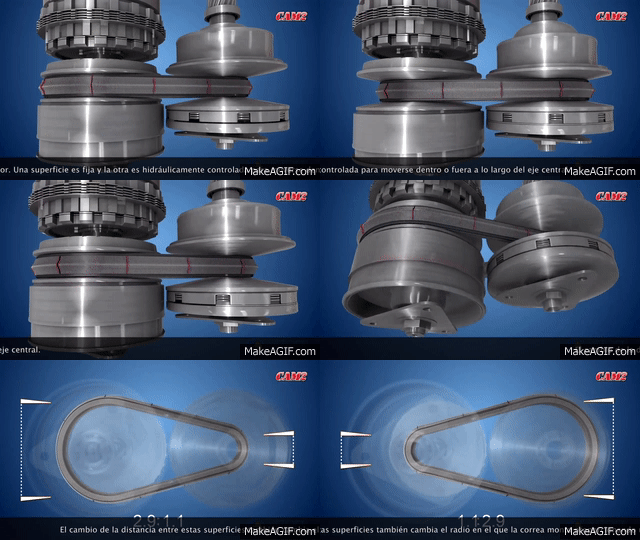
Варіатор (CVT) класифікується як автоматична трансмісія, оскільки виключає участь водія у процесі перемикання. Однак його конструкція докорінно інша. Найпоширеніший клинопасовий варіатор складається з двох розсувних шківів (ведучого та веденого), з'єднаних міцним металевим ременем або ланцюгом. Залежно від обертів та навантаження, конуси шківів зближуються або віддаляються, плавно змінюючи радіус обертання ременя. Тут немає фіксованих передач взагалі — передавальне число змінюється безперервно, що гарантує відсутність будь-яких ривків.
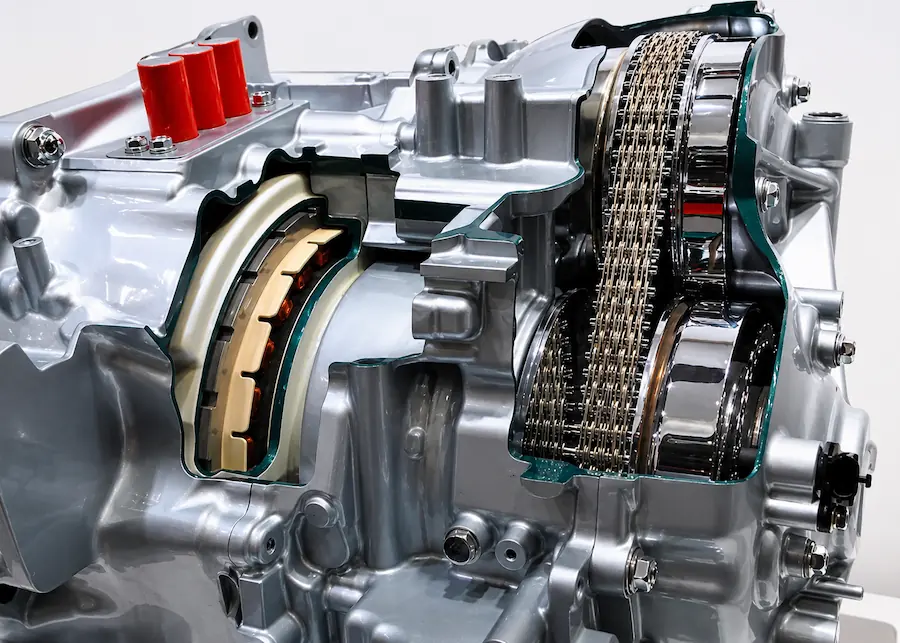
Сильні сторони CVT: ідеальне використання потужності двигуна (мотор працює на оптимальних обертах при прискоренні), плавний хід та паливна економічність. Проте є і вагомі мінуси. Варіатори категорично не люблять різких стартів, довгого буксування в багнюці та буксирування важких вантажів — ремінь може проковзувати, залишаючи задири на шкивах. Тому CVT — це ідеальне рішення для міських кросоверів, скутерів та гібридів (як-от Toyota Prius), але не для серйозного оффроуду.
4. Трансмісії з подвійним зчепленням (DCT / DSG)
Преселективна коробка (DCT або DSG) — це справжній інженерний шедевр, що поєднує динаміку механіки зі зручністю автомата. По суті, це дві механічні коробки в одному корпусі. Одне зчеплення відповідає за парні передачі (2-4-6), інше — за непарні (1-3-5). На відміну від класичного автомата, тут немає гідротрансформатора, який «з'їдає» частину потужності. Поки ви розганяєтеся на першій передачі, друга вже увімкнена і чекає лише замикання другого зчеплення. Результат — перемикання займає долі секунди.
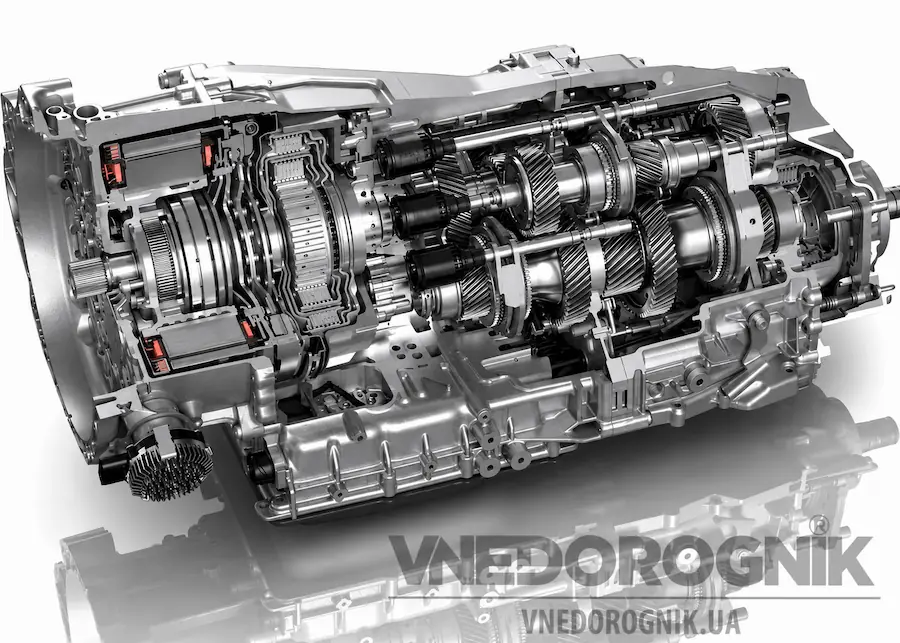
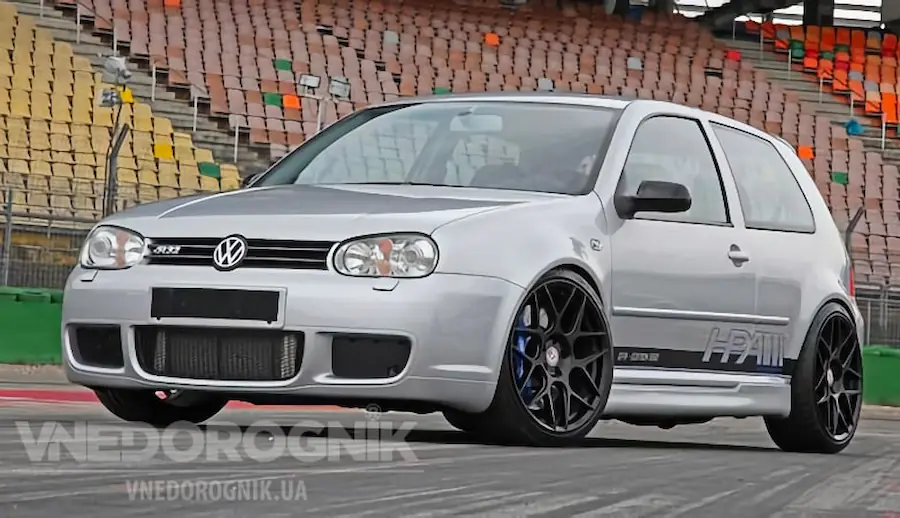
Справжній бум технології почався після 2003 року, коли Volkswagen презентував свою коробку DSG на моделі Golf MK4 R32. Сьогодні DCT масово ставиться як на компактні міські авто, так і на гіперкари. Її головні переваги — блискавичне перемикання (особливо при використанні підрульових пелюсток) та відмінна динаміка. Недоліком є складність конструкції та потенційно дороге обслуговування при агресивній експлуатації.
5. Секвентальна (Послідовна) коробка передач
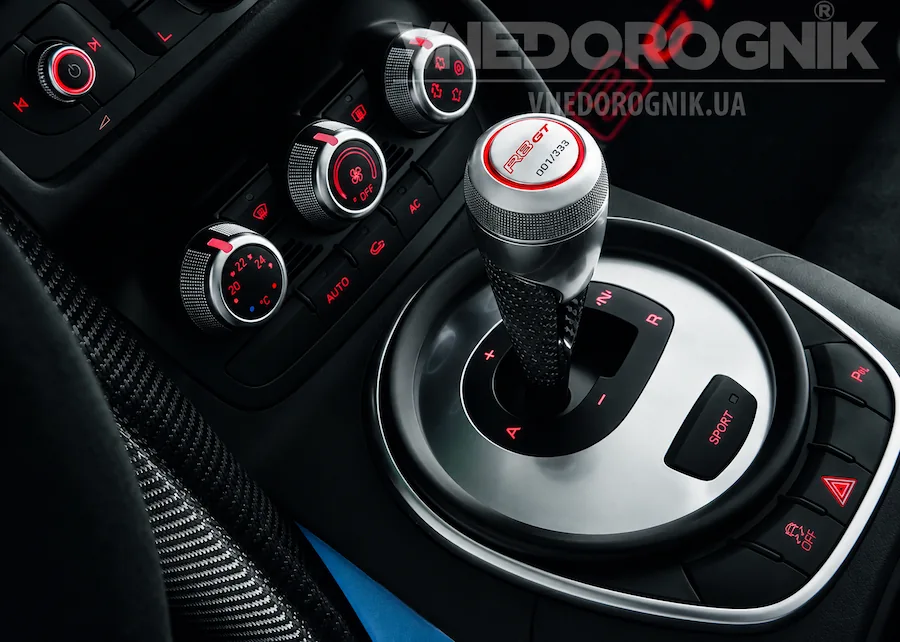
Секвентальна КПП — це вибір професійного автоспорту. Її конструкція оптимізована для безжальних умов гоночного треку. Тут є зчеплення, проте водій використовує його лише один раз: для рушання з місця. Усі подальші перемикання відбуваються жорстким рухом важеля (або пелюсток) виключно вперед або назад, без скидання газу. Жодних синхронізаторів — лише прямозубі шестерні та кулачкові муфти.
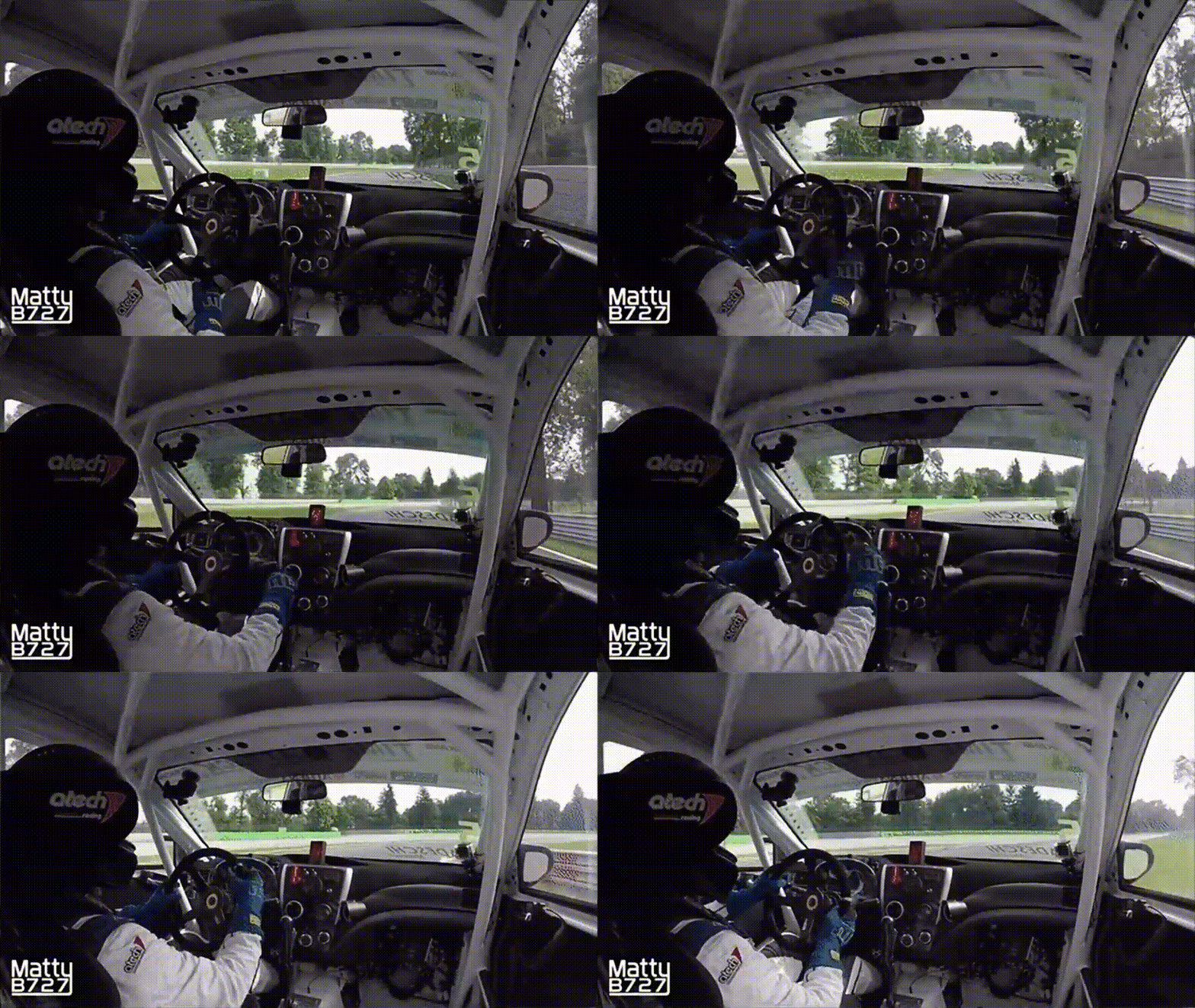
У цивільних автомобілях такі коробки практично не зустрічаються через високу вартість, шумність роботи та специфіку управління. Особливість секвентальної коробки полягає в тому, що передачі можна перемикати строго послідовно (1-2-3-4 і так само вниз). Ви не можете перестрибнути з 5-ї одразу на 2-гу передачу, як це дозволяють зробити механіка або класичний автомат під час обгону (кік-даун).
6. Роботизовані трансмісії (Напівавтоматичні / АМТ)
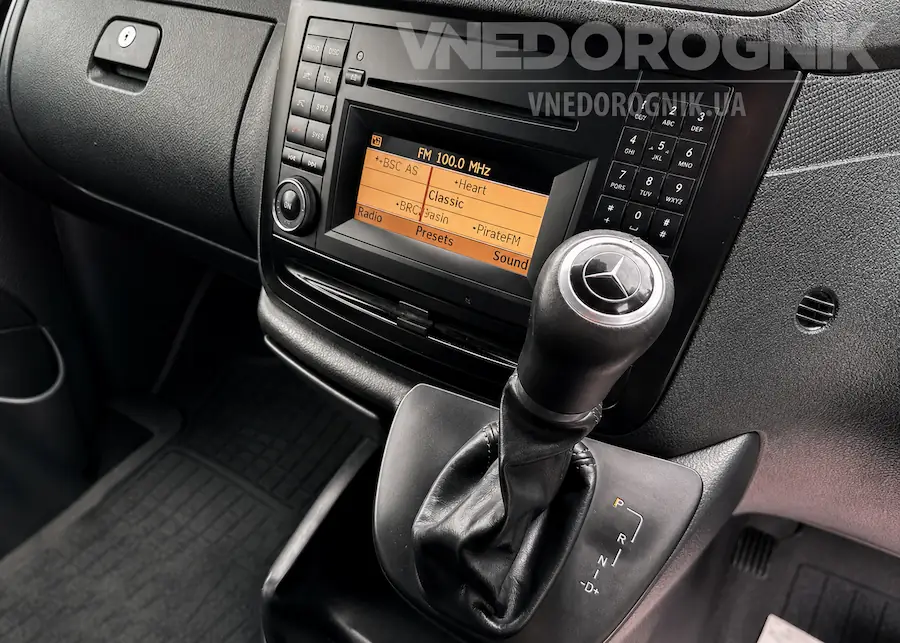
Звичайний «робот» (не плутати з DCT) — це спроба об'єднати надійність та дешевизну механіки з комфортом автомата. Конструктивно це звичайна механічна КПП, на яку встановили сервоприводи (актуатори). Електроніка сама витискає зчеплення і пересуває вилки перемикання передач.
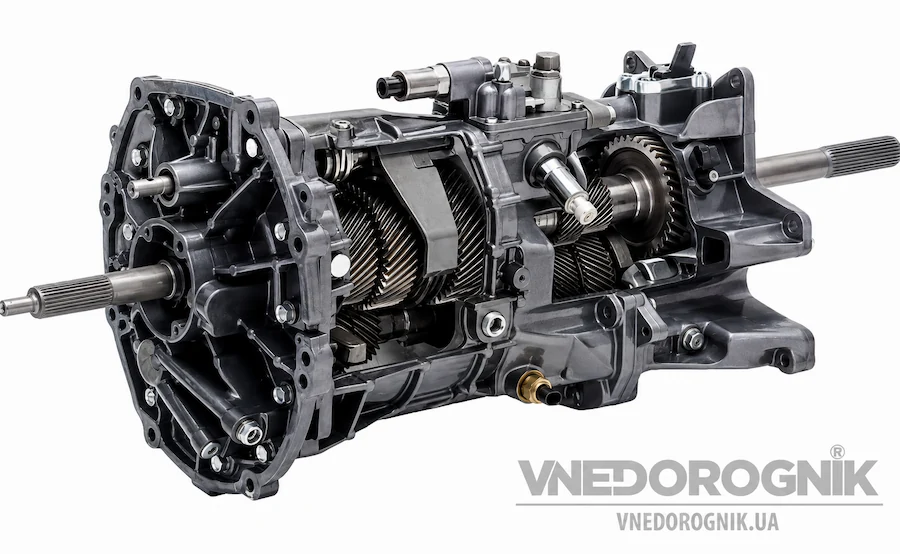
На практиці цей експеримент виявився не надто вдалим. Більшості «роботів» з одним зчепленням притаманні «кльовки» при перемиканнях, задумливість і смикання в заторах. Вони вимагають звикання: щоб перемикання було плавним, водієві доводиться інтуїтивно скидати газ, як і на звичайній механіці. Сьогодні цей тип трансмісії вважається застарілим і майже повністю витіснений варіаторами та коробками з подвійним зчепленням.
Що чекає на коробки передач у майбутньому? Ера складних механічних шедеврів поступово добігає кінця. Зі вступом у силу жорстких екологічних стандартів Euro-7, виробники змушені форсувати перехід на наступний тип автомобільних двигунів — гібридні та повністю електричні силові установки (де класична багатоступенева КПП здебільшого не потрібна взагалі). Тому експерти сходяться на думці: автомобілі епохи Euro-7, ймовірно, стануть останнім поколінням, що дозволить відчути справжній механічний драйв та прямий зв'язок з автомобілем через звук та динаміку перемикання передач.




 630
630
 2хв
2хв 


