


 Назад
Назад 

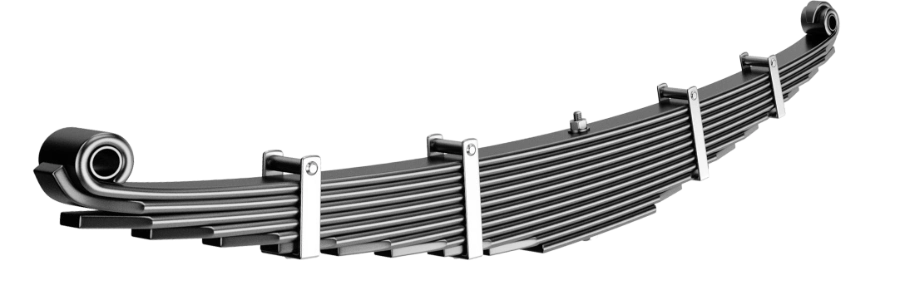
Ресори застосовують уже дуже давно, задовго до винаходу автомобілів. Вони виготовляються зі сталі та схожі на дуги, підтримуючи вагу автомобіля й утримуючи вісь на місці.
Автовиробники, які прагнуть поліпшити ходові якості легких легкових автомобілів, розробили монолистові ресори. Оскільки ці ресори найтовстіші в центрі і найтонші на кінцях, створюється змінна жорсткість (як у пружин), і вони підтримують вагу автомобіля й утримують вісь на місці. У підсумку, використання таких ресор покращує якість поїздки на невеликих автомобілях і забезпечує м'яку їзду, допомагаючи керувати автомобілем на крутих поворотах.
Наразі існує два найбільш популярних типи ресор: однолистові та багатолистові. Перші використовуються для невеликих автомобілів, а багатолистові - для більших транспортних засобів. Але яка різниця між ними та які ще ресори можуть бути?
У цій статті ви дізнаєтеся:
- Як влаштована ресорна підвіска?
- Переваги ресор у підвісці
- Недоліки ресорної підвіски
- Які існують види ресор?
- Як визначити знос ресор?
- Як обслуговувати ресори?
Як влаштована ресорна підвіска?
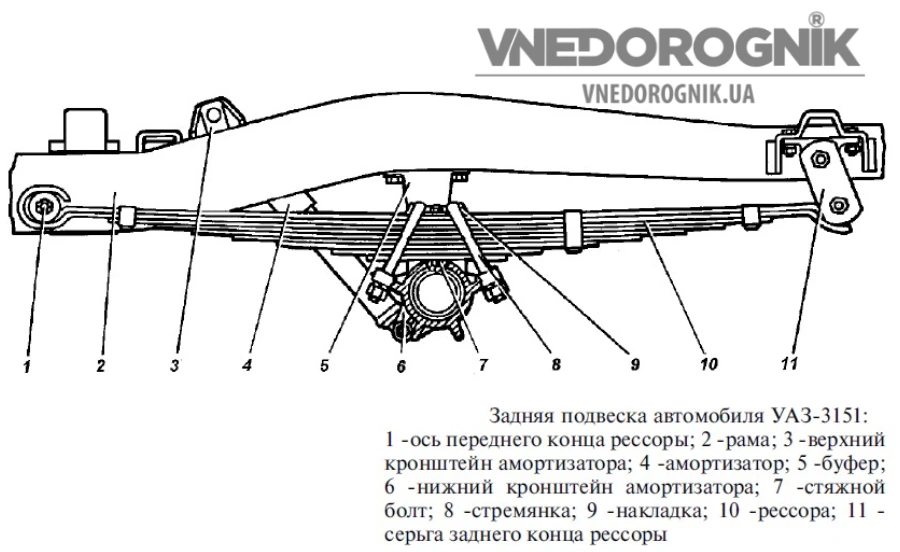
Центральні сталеві листи відповідають за кріплення підвіски до мосту автомобіля, а закінчення листів з'єднуються з рамою машини за допомогою шарнірів або сережок.
Деякі системи підресорювання мають тільки один металевий лист, а не кілька, саме такі системи використовувалися в середині минулого століття в США. Ці системи були встановлені на автомобілі марки Ford, і тільки за кілька років дана система стала популярною в європейських автовиробників.

При зустрічі з перешкодою ресорні листи трохи згинаються, гасячи всі коливання, що виникли в результаті наїзду. Якщо листів кілька, то велике навантаження припадає на нижню ресору, тому її роблять коротшою, домагаючись найменшого згину. Верхні ресори, навпаки, роблять довшими, щоб домогтися більшої гнучкості та гасити коливання, що залишилися після нижніх листів.
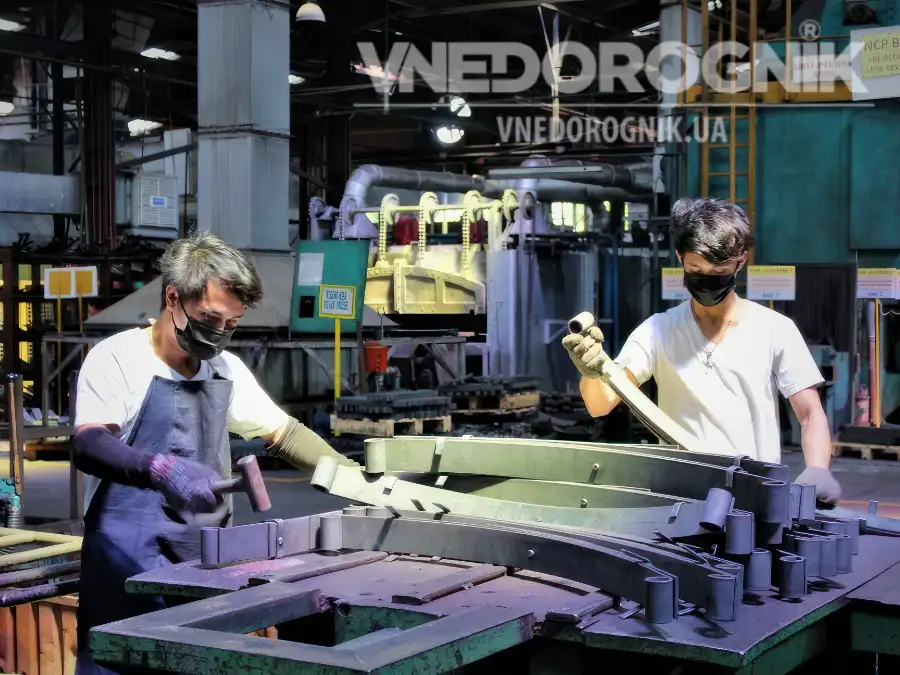
Сьогодні ресори використовуються в пікапах, позашляховиках і великих вантажівках. Вони встановлюються спереду, ззаду, уздовж рамних балок або поперечно на різних типах підвіски.
Переваги ресор у підвісці:
- прості та мають менше рухомих частин, які можуть зношуватися;
- утримують задню вісь на місці, тому немає необхідності в складних механізмах підвіски;
- при великій вазі розподіляють навантаження по шасі автомобіля більш рівномірно порівняно з пружинами або торсіонними балками.
- тертя між декількома листами під час їхнього ковзання допомагає гасити природний ефект відскоку ресор вгору-вниз, що робить їзду стабільнішою та знижує навантаження на амортизатори.
Недоліки ресорної підвіски:
- коли листи ресор кріпляться безпосередньо до задньої осі, крутний момент, що виникає під час різкого розгону або гальмування, може призвести до прокручування осі. Це призводить до вібрації та значного присідання задньої частини автомобіля. Таке кріплення також вимагає більш жорстких пружин, що знижує рівень комфорту при їзді, який могли б забезпечити більш м'які пружини.
- така конструкція забезпечує дуже малу регульованість і не підходить для тюнінгу підвіски, тому що регулювання можливе тільки шляхом зміни кількості аркушів у пакеті ресори або зміни складу матеріалу з метою зміни характеристик міцності та гнучкості. Наприклад, в Chevrolet Corvette T56 (5 покоління) використовуються пластикові ресори, армовані волокном.
Які існують види ресор?
- Багатолистова
- Монолистова
- Напівеліптична
- Четвертьеліптична
- Трьохчетвертьеліптична
- Повноеліптична
- Поперечна
За кількістю листів:
- Багатолистова ресора
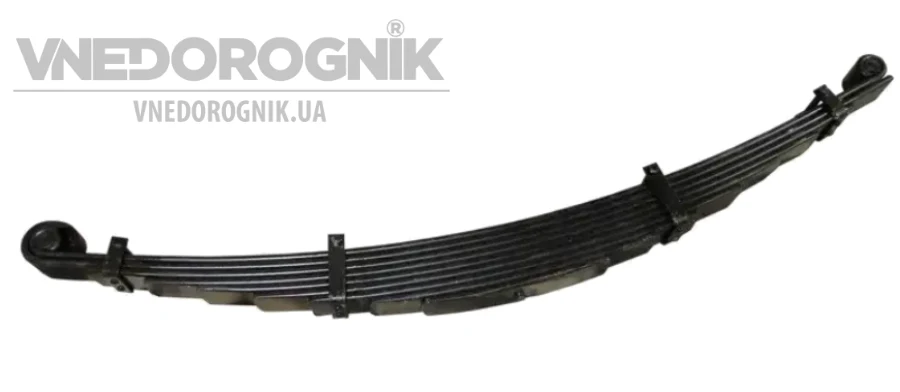
Найпоширенішим типом є багатолистова ресора, яка складається з більш ніж однієї металевої пластини або листа. Ці пластини укладаються одна на одну, причому найдовша частина знаходиться зверху. Через найтовстішу частину вставляється центральний болт, який утримує пластини разом. Стандартні компоненти мають від трьох до п'яти стулок, але можна знайти і з більшою кількістю.
Багаторазове листя підвищує жорсткість пружини. Додаткова підтримка призводить до збільшення вантажопідйомності, тому такі ресори підходять для автомобілів великої вантажопідйомності. Але будьте обережні під час використання ресор із занадто великою кількістю листя, оскільки це може призвести до надмірної жорсткості та спричинити некомфортну їзду.
- Монолистова ресора
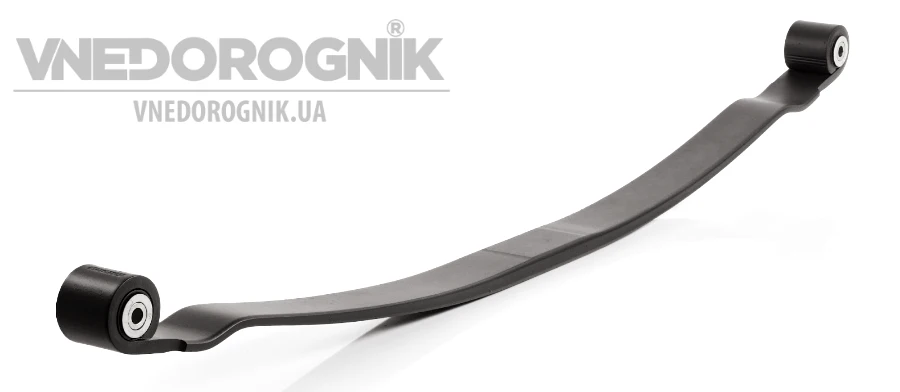
Інший тип - монолистова ресора, виготовлена з одного листа металу. Вони мають товсту центральну частину і звужуються до країв - для забезпечення підтримки, як і багатолистові ресори. Вони використовуються здебільшого на легких автомобілях.
За формою листової ресори:
- Напівеліптична ресора
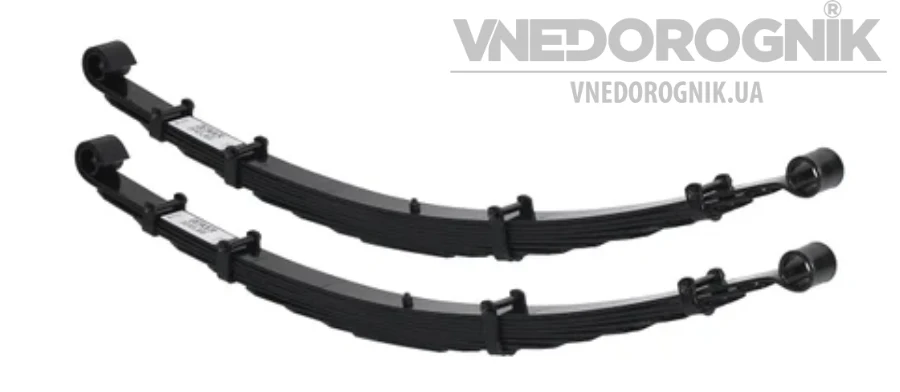
Це найпоширеніший тип із перелічених тут. Вона складається з декількох листів однакової ширини різної довжини, включаючи верхній і найдовший лист, який називається "головним листом". Вони кріпляться до рами автомобіля і дужок. Напівеліптичні ресори встановлюються на передній і задній осі багатьох транспортних засобів, в основному на задню вісь легкових автомобілів. Вони доступні за ціною, служать довго і не потребують частого ремонту.
- Четвертьеліптична ресора
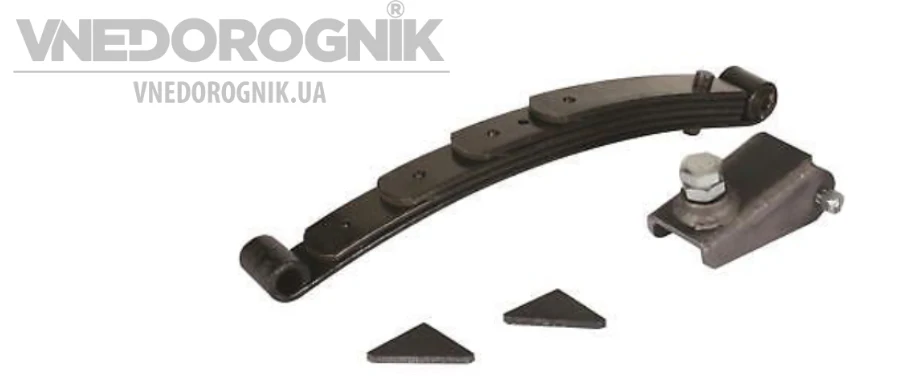
Цей тип за конструкцією схожий на напівеліптичну ресору, але вони використовуються переважно на старих автомобілях. Відмінною особливістю цього компонента підвіски є те, що це тільки половина напівеліптичної ресори. Один кінець кріпиться до бічної частини рами за допомогою болта, а інший кінець з'єднується з передньою віссю. Такий тип ресори також називається консольним.
- Тричетвертна еліптична ресора
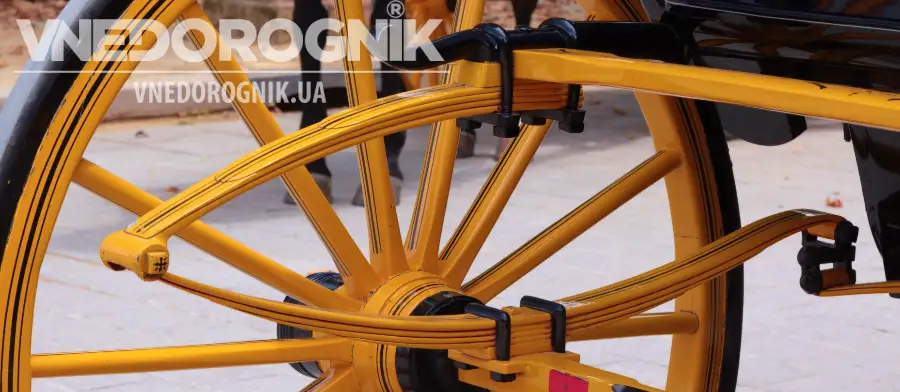
Якщо об'єднати напівеліптичну ресору і чвертьеліптичну, то вийде тричетвертна еліптична ресора. Чвертьеліптична частина розташовується поверх осі і кріпиться до рами автомобіля. Напівеліптична ресора з одного боку з'єднана з рамою через дужку, а інший кінець прикріплений до чвертьеліптичної ресори.
Додавання додаткової половини цього компонента підвіски забезпечує додаткову підтримку. Тричетвертна еліптична ресора популярна на старих автомобілях.
- Повноеліптична ресора
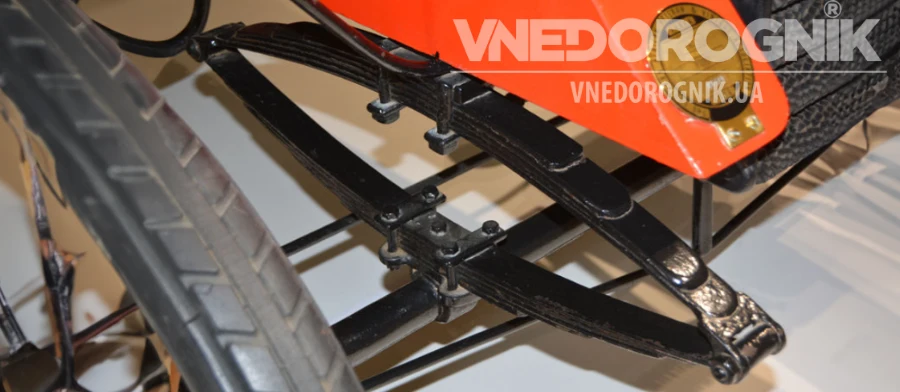
Це комбінація двох напівеліптичних ресор, які з'єднуються одна навпроти одної, створюючи форму, схожу на овал. Вони кріпляться до рами автомобіля і до осі. Оскільки під час стиснення обидві ресори прогинаються однаково сильно, дужки ресор не використовуються.
Повноеліптичні ресори в основному використовуються в старих автомобілях. У наш час вони зустрічаються рідко, оскільки не забезпечують правильне вирівнювання осі.
- Поперечна ресора
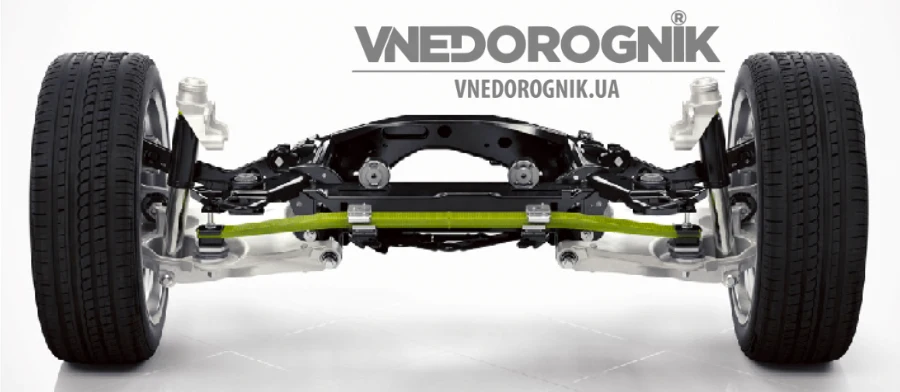
Цей тип ресори дуже схожий на напівеліптичну ресору. Єдина відмінність полягає в тому, що вона перевернута, тому найдовший лист знаходиться внизу. Вона кріпиться від кожного колеса, а не над ними. Середня або найтовстіша частина кріпиться через U-подібний болт. Вони також в основному використовуються в старих автомобілях, часто в незалежних підвісках.
Як визначити знос ресор?
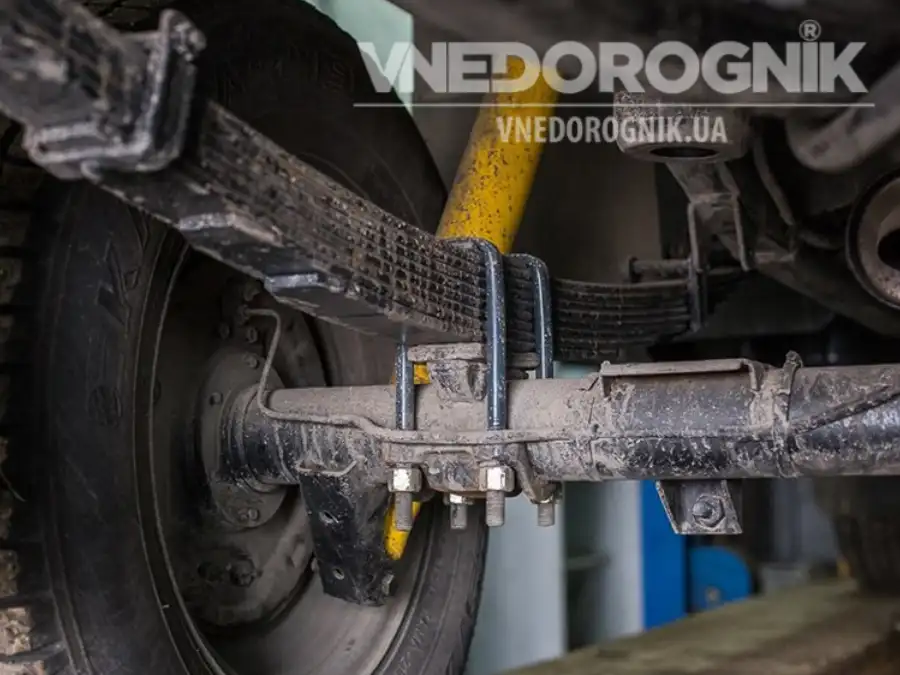
При зношуванні, ресори втрачають свою пружність і починають просідати. У підсумку - висота автомобіля знижується. Якщо у вас є підозри що ресора зношена, рекомендується самостійно виміряти висоту і порівняти її зі специфікаціями виробника. Знижена висота і втрата відскоку ресор можуть призвести до таких ускладнень, як просідання автомобіля на нерівностях, що шкідливо для компонентів підвіски і всього автомобіля загалом.
Крім вищесказаного, ресори можуть з часом обзаводитися тріщинами і корозією. Коли гумові втулки в вушках ресор і дужках висихають, їзда може стати більш жорсткою. Підібрати кріпильні елементи для ресор можна за цим посиланням.
Як обслуговувати ресори?
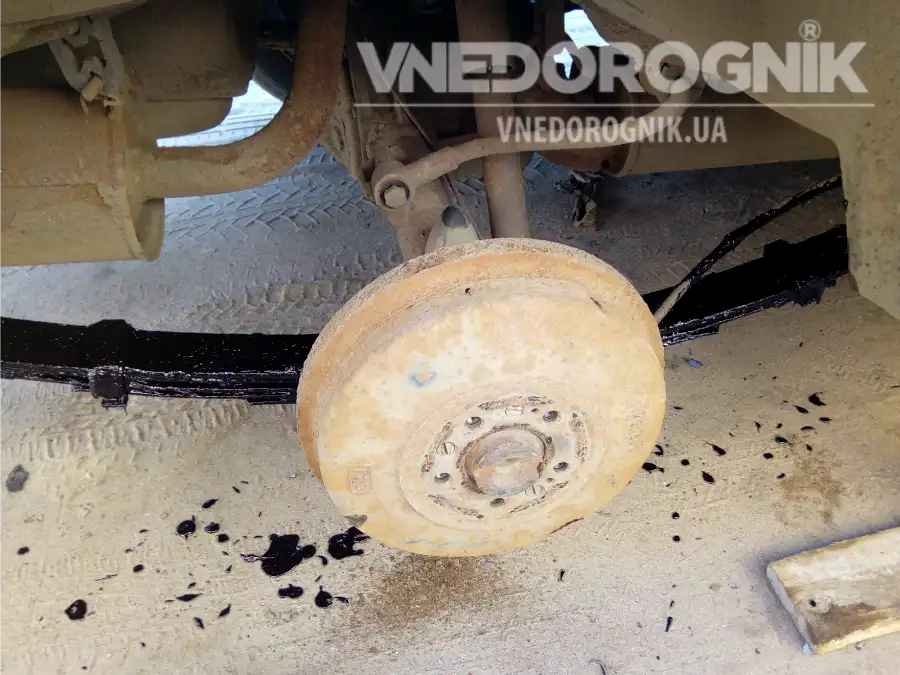
Коли водій тільки купив ресори і встановив, останнє, про що він хоче думати – ремонт і їх обслуговування. Але краще з останнім пунктом не лінуватися і не ігнорувати необхідність періодично перевіряти стан ресор на автомобілі.
Ці прості дії допоможуть значно збільшити термін служби підвіски:
- Слідкуйте за станом втулок, встановлених на передньому кріпленні ресор. Заявлений їхній ресурс становить 50 000 км, але він може змінюватися в менший бік залежно від місцевості їзди, стилю водіння та інших чинників;
- Періодично перевіряйте стан болтів і гайок. Від вібрації найміцніші з'єднання поступово відпускаються і розкручуються. Перед виїздом оцініть, як закручені болти, підтягніть їх для гарантії. Зазвичай рекомендують виконувати це кожні 7 000 – 10 000 кілометрів пробігу;
- У задньому вушку, де ресора перебуває в плаваючому положенні, важливо регулярно міняти мастило. Пил, забруднення, вода його псують, тому треба періодично додавати нового мастила. Щоб його додати, треба потужним ломом або монтуванням відігнути пластину ресори та змастити простір, що відкривається при цьому. Але будьте обережні, щоб не нашкодити собі, зокрема, пальцям.
- В якості змащувальних матеріалів можна використовувати: солідол, літол, графітове мастило і т.п.


 359
359

 14хв
14хв 


