


 Назад
Назад 


Коли справа доходить до вибору ліфта автомобіля, багато комплектів посиленої підвіски включають або амортизатори, вже налаштовані на ваш конкретний автомобіль і застосування, або можливість модернізації амортизаторів. Наша служба підтримки клієнтів часто отримує запитання щодо різних типів амортизаторів і відмінностей у їх характеристиках. Цей блог покликаний допомогти відповісти на ці запитання заздалегідь.
Зміст:
- Для чого потрібні амортизатори?
- Однотрубні амортизатори
- Двотрубні амортизатори
- Регульовані амортизатори
- Койловери
- Bypass амортизатори
Для чого потрібні амортизатори
Амортизатори роблять саме те, що випливає з їхньої назви: вони поглинають поштовхи та удари від дорожнього покриття. Це проста концепція, але різні типи амортизаторів, способи їх виготовлення і те, чому одні працюють краще за інші, можуть перетворитися на складну науку, яка могла б стати курсом у коледжі з розуміння амортизаторів. На щастя, у цьому тексті ми почнемо з основ, а потім заглибимось у більш детальні відомості про амортизатори в інших статтях нашого блогу.
Однотрубні амортизатори
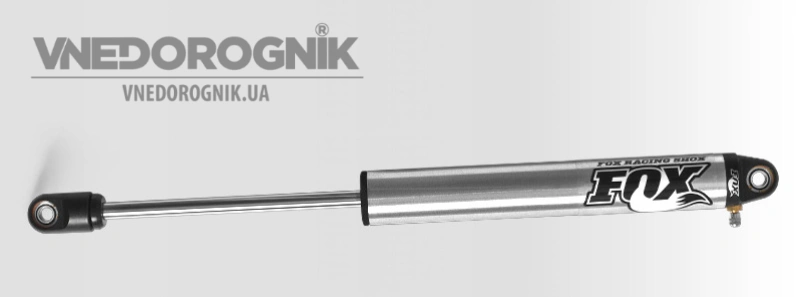
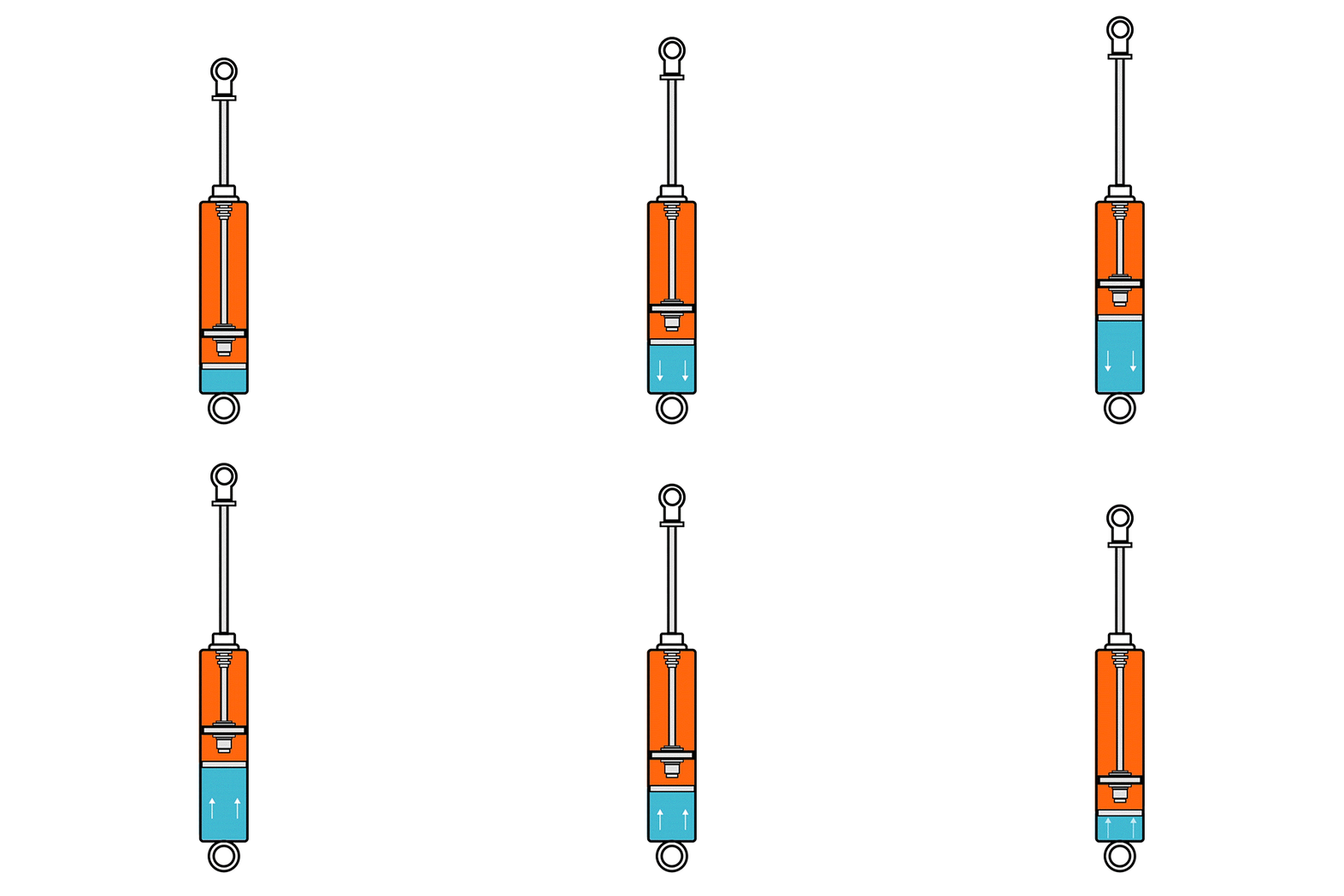
Один із найпоширеніших типів амортизаторів, що використовуються в підвісках, називається однотрубним або монотрубним. Уперше він був розроблений 1954 року компанією Bilstein. Монотрубний амортизатор має один поршень. З одного боку поршня знаходиться гідравлічне масло. З іншого боку - газ під тиском (зазвичай азот). Гідравлічна рідина уповільнює рух шини і колеса вгору і вниз, гасить сили від ударів і розсіює теплову енергію. Газ під тиском також допомагає гасити та поглинати удари.
Двотрубні амортизатори
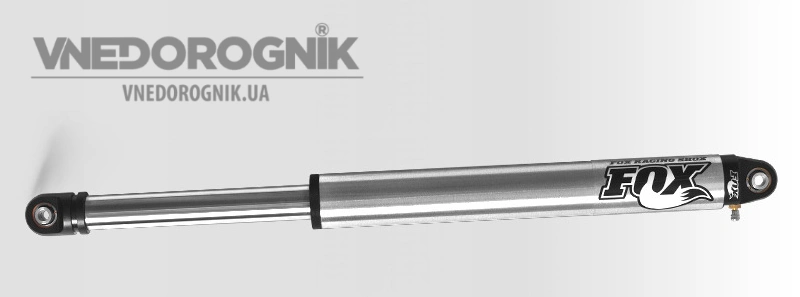
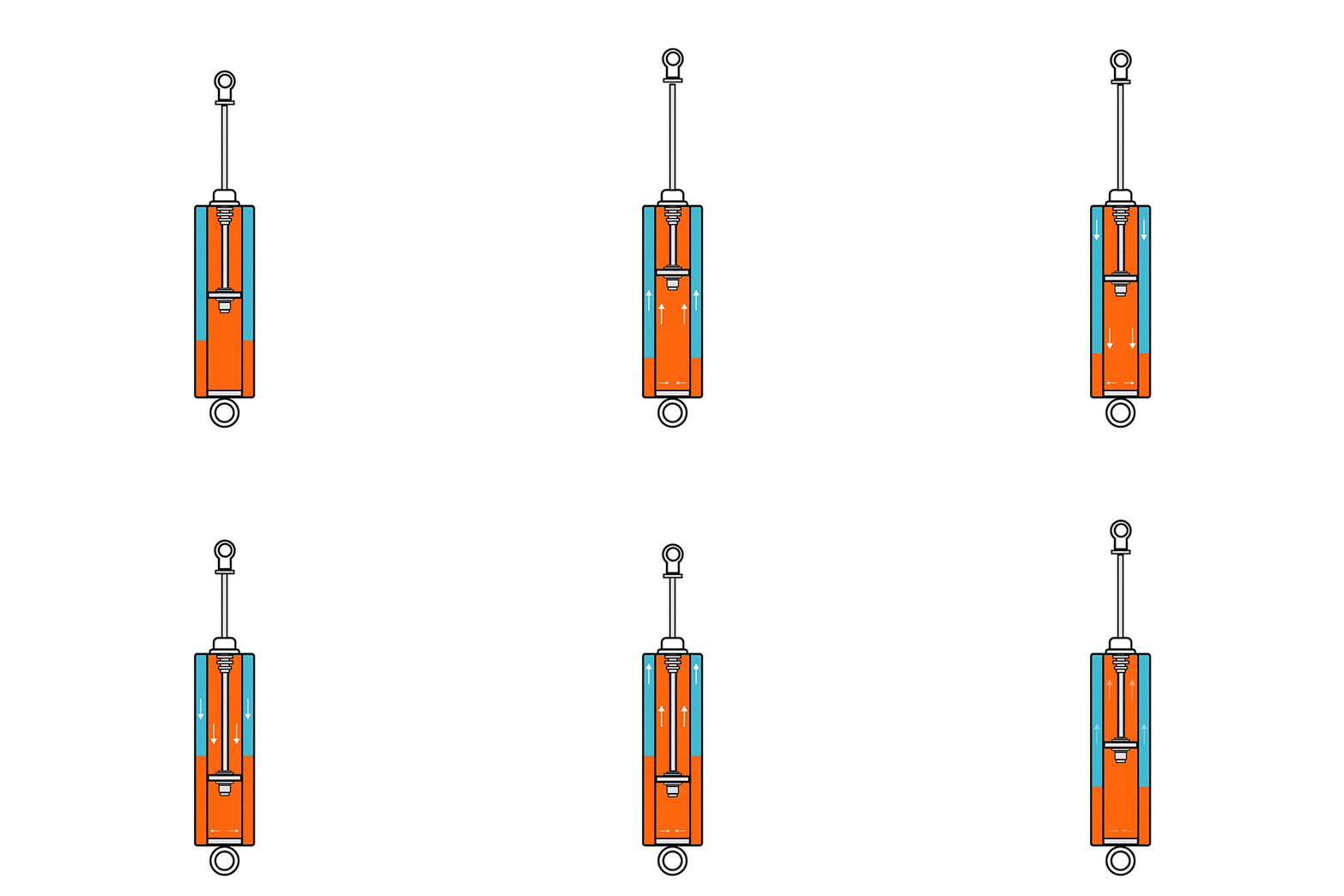
На відміну від першого виду, двотрубний амортизатор - це менш продуктивний варіант однотрубного амортизатора, який частіше зустрічається в легкових і вантажних автомобілях, не орієнтованих на високі експлуатаційні характеристики. Двотрубні амортизатори коштують дешевше за однотрубні, але двотрубна конструкція дає змогу газу змішуватися з гідравлічною рідиною, створюючи в мастилі бульбашки повітря, звані кавітацією, які можуть спричинити більш вільний рух поршня. Це робить амортизатор практично безкорисним, і це явище називається "затуханням амортизатора".
Але сьогодні багато виробників застосовують технології щоб боротися з кавітацією і вивести продуктивність двотрубних амортизаторів, не задираючи при цьому ціну. Наприклад, рекомендуємо звернути увагу на посилені двотрубні амортизатори Ironman (з технологією що майже повністю нівелює кавітацію - FoamCell), що користуються неабиякою популярністю серед оффроад-тюнерів.
Але все таки їх надійність і продуктивність поступається іншим типам амортизаторів, і компанії, що виробляють підвіски для позашляховиків, використовують посилені однотрубні амортизатори або bypass амортизатори, які життєво важливі для позашляхових характеристик, щоб шини притискалися до землі, а підвіска була під вашим контролем.
Регульовані амортизатори з виносним резервуаром
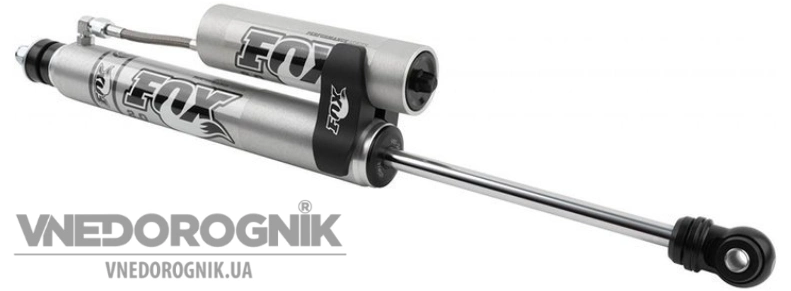
Модернізація амортизаторів часто охоплює встановлення регульованих однотрубних амортизаторів, які мають зовнішній резервуар, з'єднаний із корпусом амортизатора гумовим шлангом. За допомогою диска амортизатора можна регулювати положення поршня, забезпечуючи більш плавну їзду по дорогах або покращуючи позашляхові характеристики.
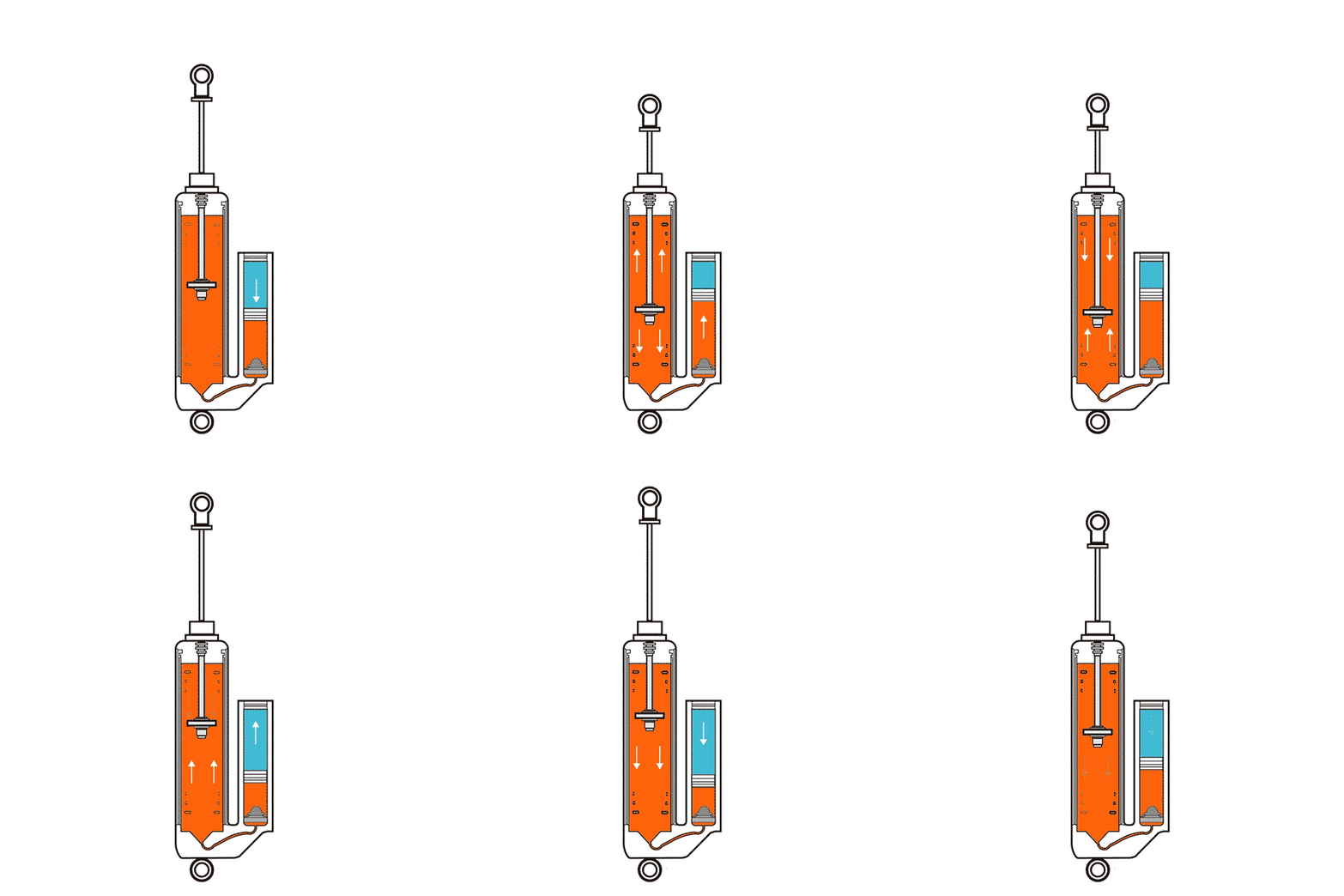
Зовнішній резервуар дає змогу амортизатору зберігати більше оливи для кращого поглинання та розсіювання тепла. Розмір корпусу амортизатора і матеріал з якого він виготовлений також важливі. Твердий анодований алюміній краще відводить тепло, ніж сталь, і менше схильний до іржі. Більший корпус амортизатора вміщує більше рідини і має велику площу поверхні для кращого розсіювання тепла. Він також може мати більший шток поршня, який з меньшою ймовірністю зламається в екстремальних умовах.
Койловери
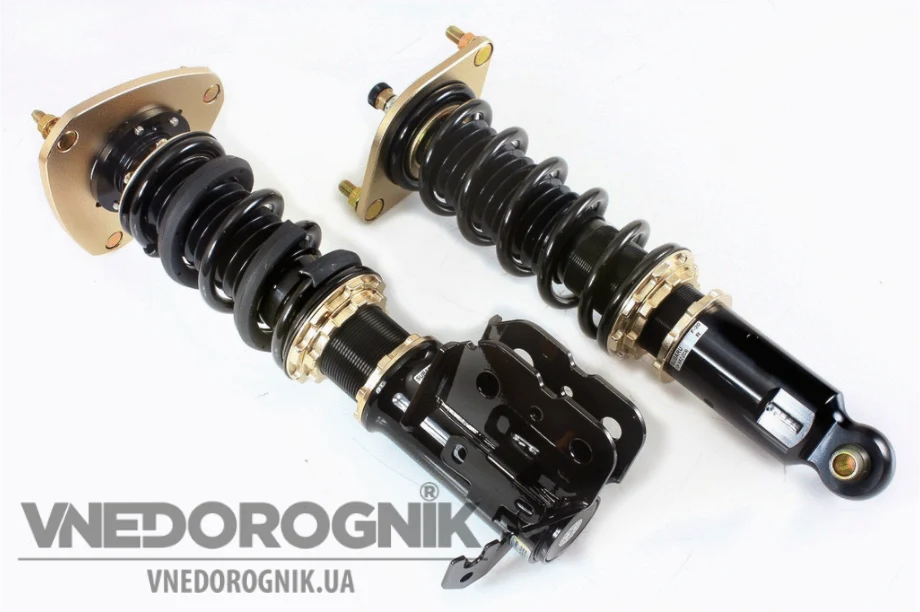
Існує також так званий амортизатор із пружиною (Койловер). Корпус такого амортизатора складається з точок кріплення для спіральної пружини, щоб отримати єдиний амортизатор і пружину, тобто 2 в 1. Це дає змогу зробити амортизатор компактнішим, коли простір може бути проблемою, а також дає більше можливостей для налаштування переднатягу пружин.
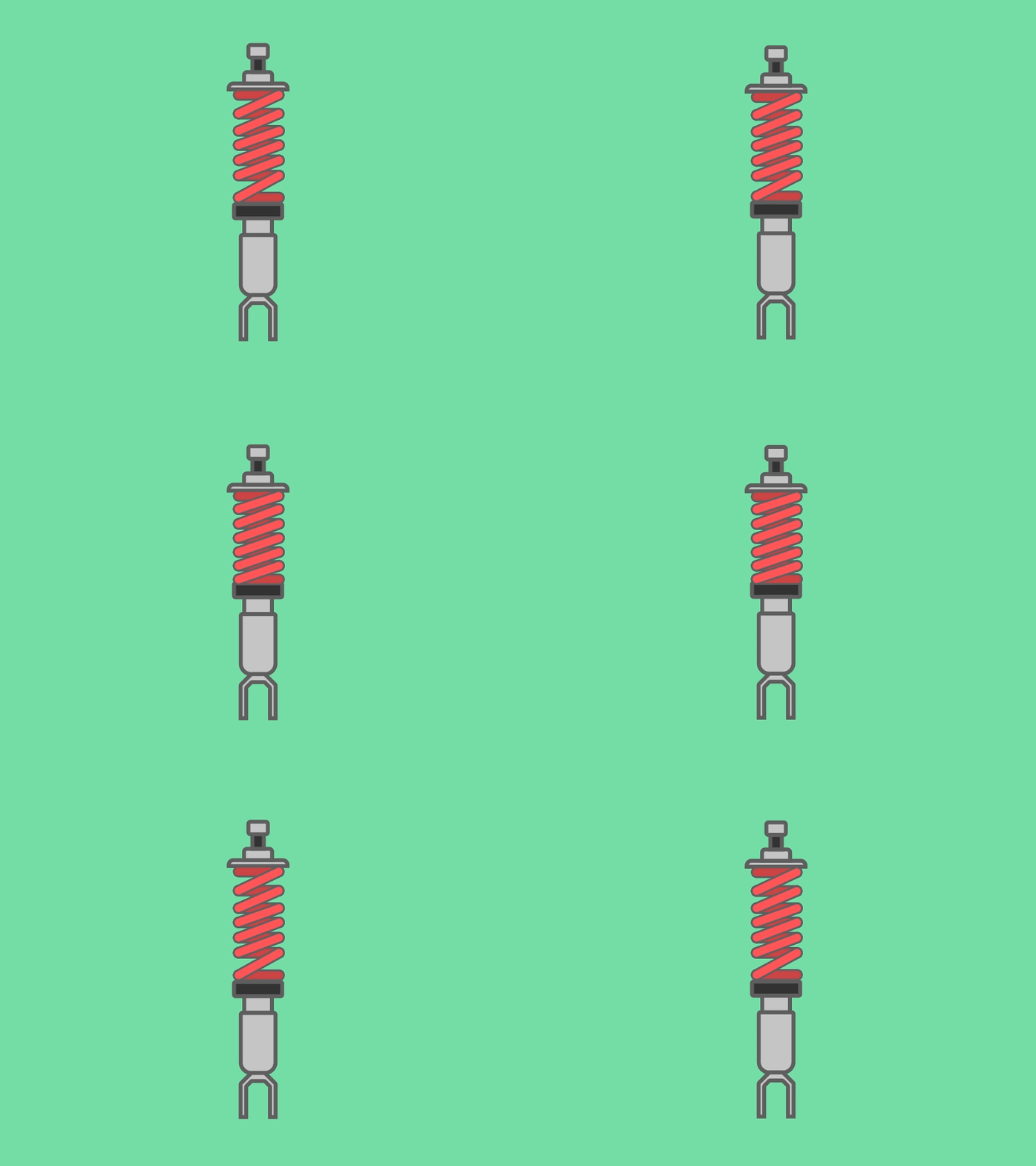
Амортизатори типу Coilover пропонуються в різних варіантах ходу ланок з варіантами кріплення кручених пружин з налаштовуванням. Самі амортизатори також зазвичай являють собою монотрубні амортизатори і можуть мати виносний резервуар.
Bypass (Обвідні) амортизатори
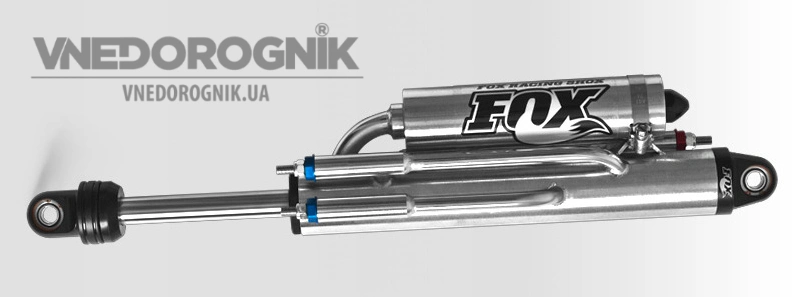
Одним з найбільш ефективних типів амортизаторів є обвідний (Bypass) амортизатор. Цей тип спеціально розроблено для високопродуктивних позашляховиків завдяки своїй винятковій здатності розсіювати тепло. Обвідні амортизатори часто є основними амортизаторами для трофейних вантажівок, ралійних машин та інших автомобілів, призначених для швидкої їзди пересіченою місцевістю.
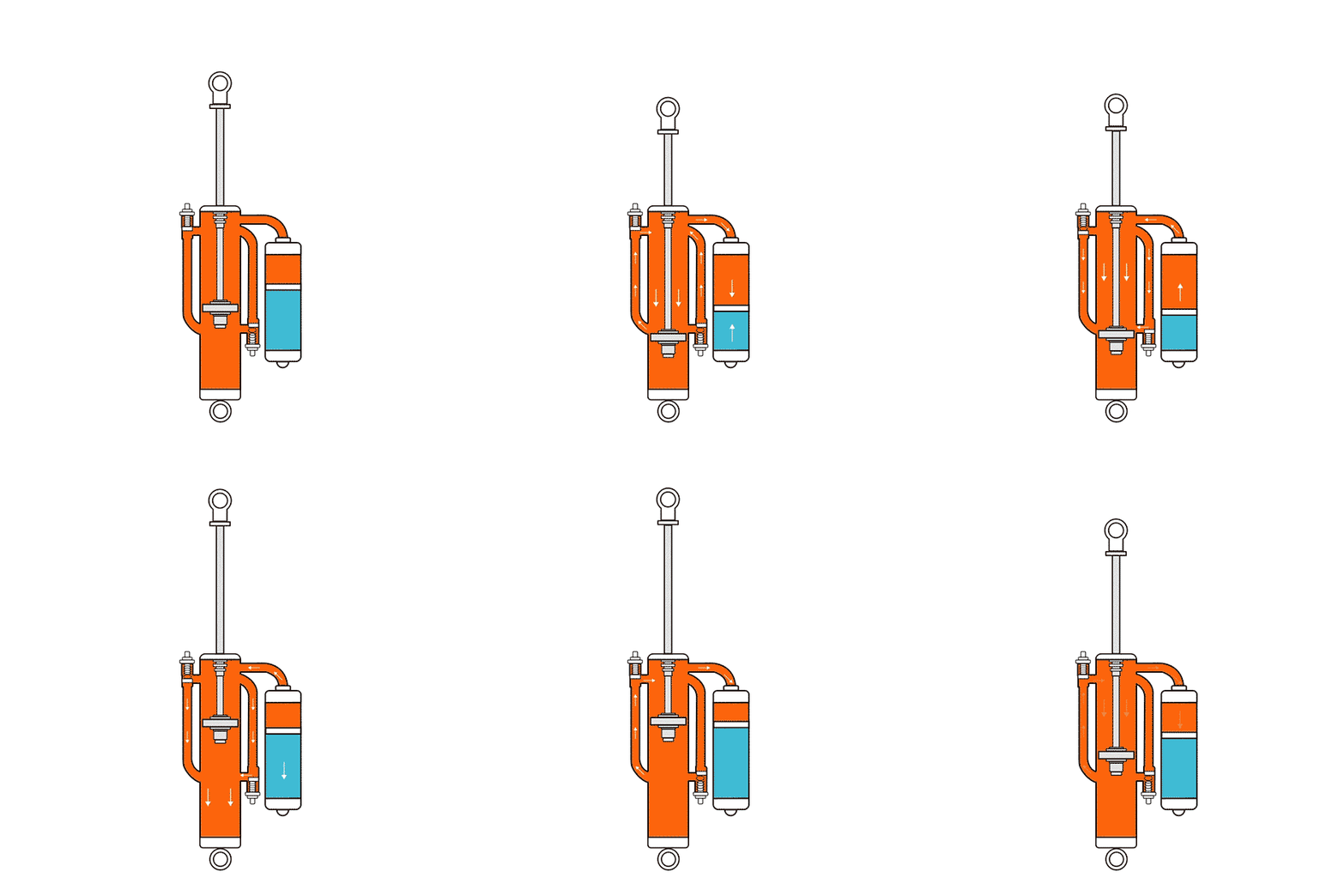
Вони також пропонують величезну кількість регулювань, даючи вам змогу домогтися саме тієї їзди і продуктивності, яку ви хочете для свого автомобіля. Крім того, якщо ви повністю не зруйнуєте амортизатор в процесі експлуатації, bypass-амортизатор можна відновити, що в кінцевому підсумку заощадить вам гроші.

Коли ви робите ліфт підвіски позашляховика і маєте можливість модернізувати підвіску автомобіля, зверніть увагу на підбір амортизатора, адже від цього залежатиме якість їзди та продуктивність підвіски під час високих навантажень у "бойових" умовах.
Підписуйтесь на наші соцмережі




 324
324
 4хв
4хв 


