


 Назад
Назад 

Зміст:
- У чому різниця між системами приводу?
- Передній привід (FWD)
- Задній привід (RWD)
- Постійний повний привід (4WD)
- Підключаємий повний привід (AWD)
- Яка система приводу підходить вам?
Одним з основних рішень при купівлі автомобіля є вибір трансмісії. На ринку сьогодні ви без проблем зможете підібрати авто з будь-якою трансмісією, від передньопривідної до повнопривідної.
Можливо, ви знайомі з різними трансмісіями або їхніми абревіатурами - FWD, RWD, AWD, 4WD. Але чи знаєте ви різницю між двоколісним і повним приводом? А як щодо відмінностей між повним і неповним приводом? Прочитавши нашу статтю про системи приводу, ви отримаєте інформацію, необхідну для усвідомленого вибору правильного автомобіля для своїх потреб.
У чому різниця між системами приводу?
Ведуча трансмісія вашого автомобіля працює в поєднанні з двигуном для передачі потужності на колеса. Передній привід (FWD), задній привід (RWD), постійний повний привід (4WD) і підключаємий повний привід (AWD) - це найпоширеніші типи трансмісій.
Передній привід (FWD)
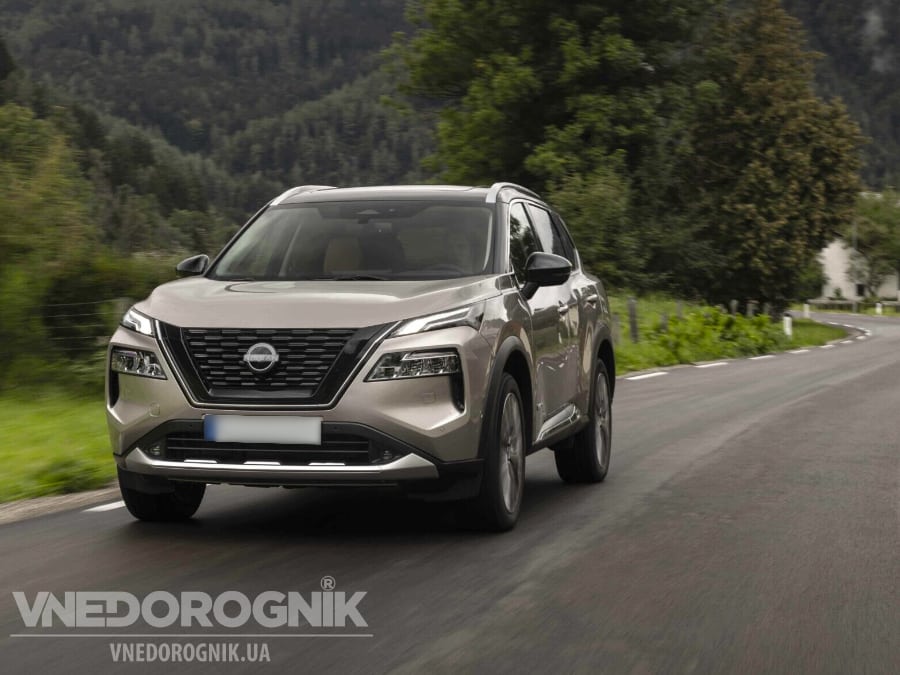
Системи з переднім приводом приводять у рух більшість автомобілів на дорогах сьогодні. Рух забезпечується передніми колесами. Задні колеса просто рухаються за передніми. Усі компоненти трансмісії розташовані в передній частині автомобіля, що збільшує тягу на передніх колесах. Передньопривідні автомобілі, як правило, мають меншу вагу, що допомагає поліпшити економію палива. Приміром, на фото зображено Nissan X-Trail з переднім приводом.
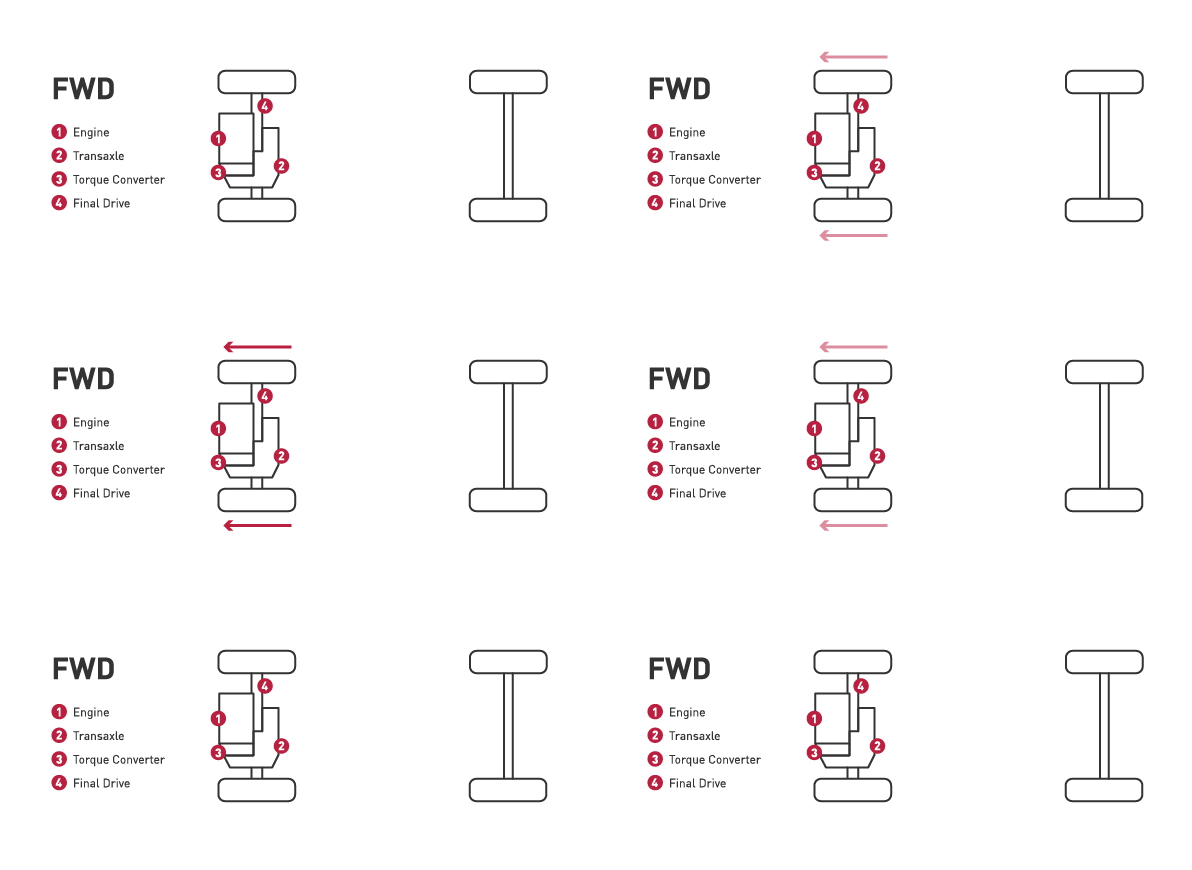
Переваги передньопривідних автомобілів:
- Меньша кількість деталей означає нижчу вартість автомобіля та витрат на ремонт.
- Мала вага допомагає автомобілю досягти більшого пробігу на одному баку палива.
- Краще зчеплення з дорогою у порівнянні з системою заднього приводу.
- Якщо більша частина ваги приходиться на передні колеса, вони мають хороше зчеплення з дорогою за будь-яких обставин.
- Меньш агресивна керованість - добре для нових і обережних водіїв.
Недоліки:
- Не надто ефективні в умовах низького зчеплення з дорогою, наприклад, на гравійному покритті та під час ожеледиці.
- Важка передня частина ускладнює керування на високих швидкостях або з важкими вантажами.
- Може викликати недостатню обертальність, коли передні колеса втрачають зчеплення з дорогою і автомобіль зносить за межі повороту.
Задній привід (RWD)
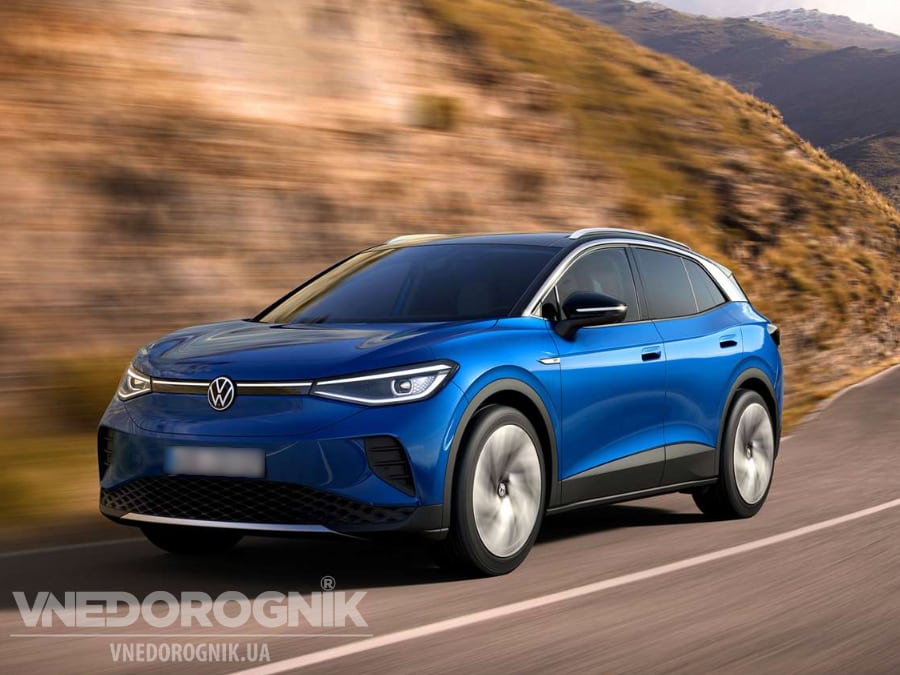
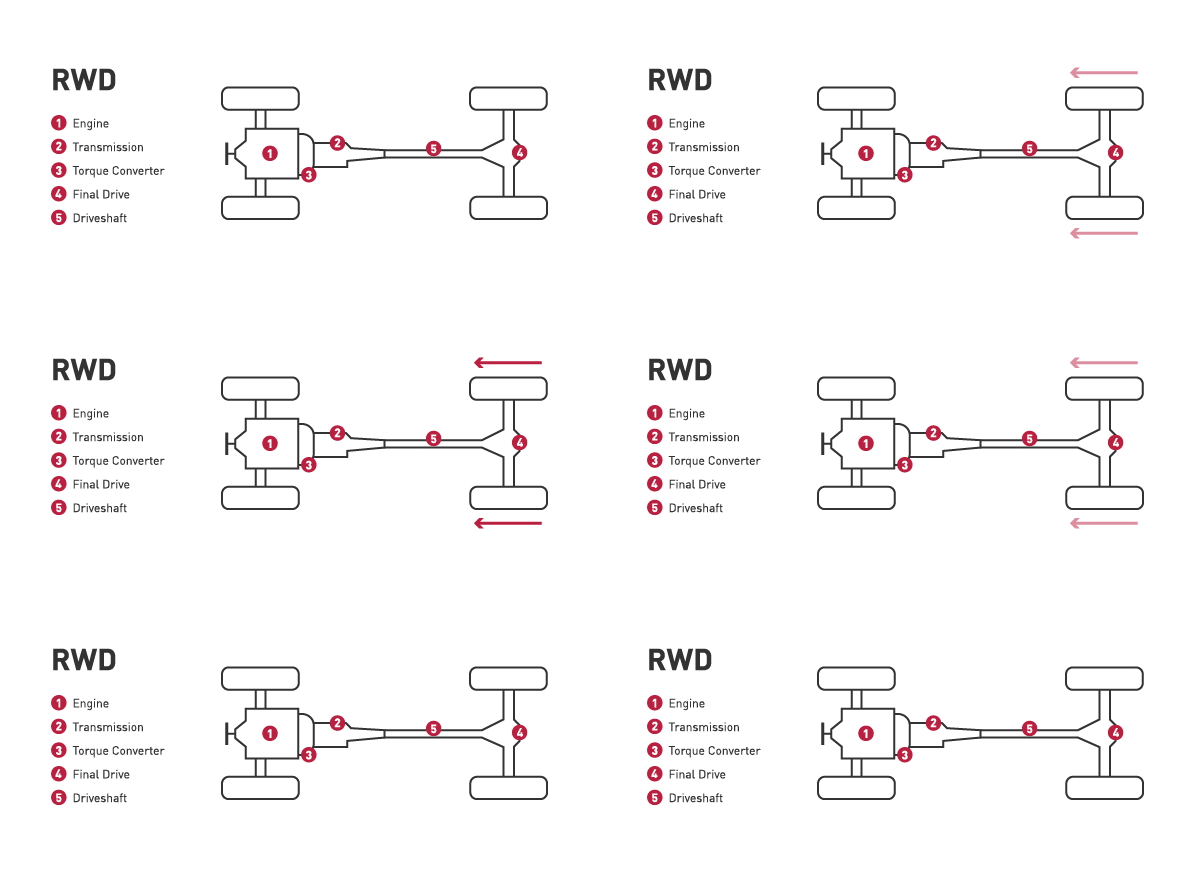
Система заднього приводу, яка колись була промисловим стандартом, покладається на задні колеса для передачі потужності. Задній привід зазвичай використовується на вантажівках і потужних автомобілях, він забезпечує необхідне зчеплення з дорогою при великих навантаженнях і оптимальну керованість на потужних автомобілях. Одним із недоліків заднього приводу є зниження зчеплення на слизькій дорозі - задньопривідні автомобілі не дуже підходять для сніжного клімату. Як приклад задньопривідного авто, на фото ви можете побачити Volkswagen ID.4.
Переваги задньопривідних автомобілів:
- Відмінна керованість.
- Ефективне гальмування.
- Швидке початкове прискорення.
- Прекрасно підходить для динамічної їзди.
Недоліки:
- Не підходить для зимової погоди - погане зчеплення на снігу та покритій льодом поверхні.
- На мокрій дорозі зчеплення з дорогою ще гірге ніж у передньопривідних авто.
Постійний повний привід (4WD)
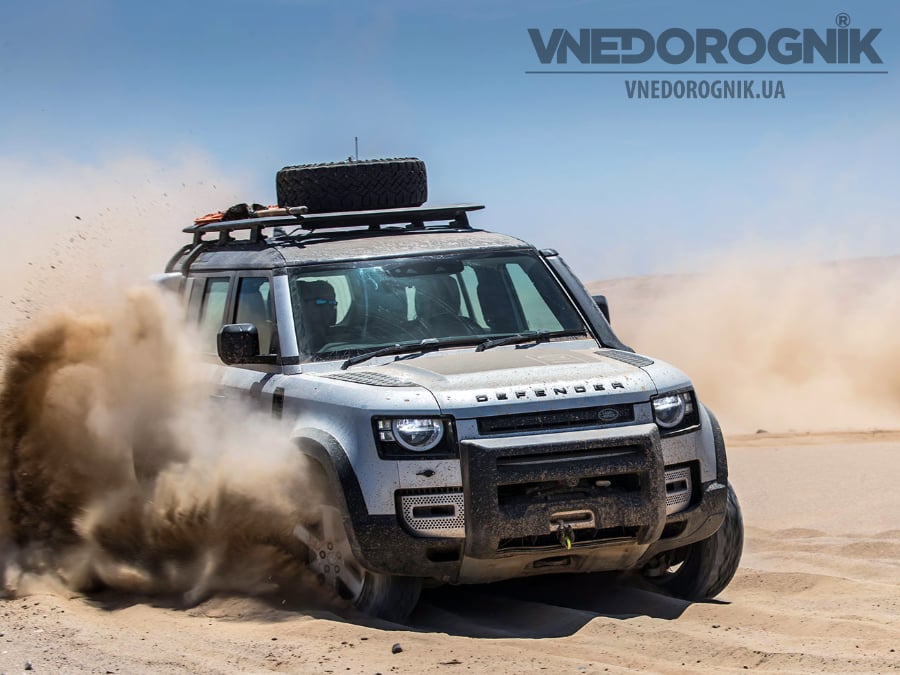
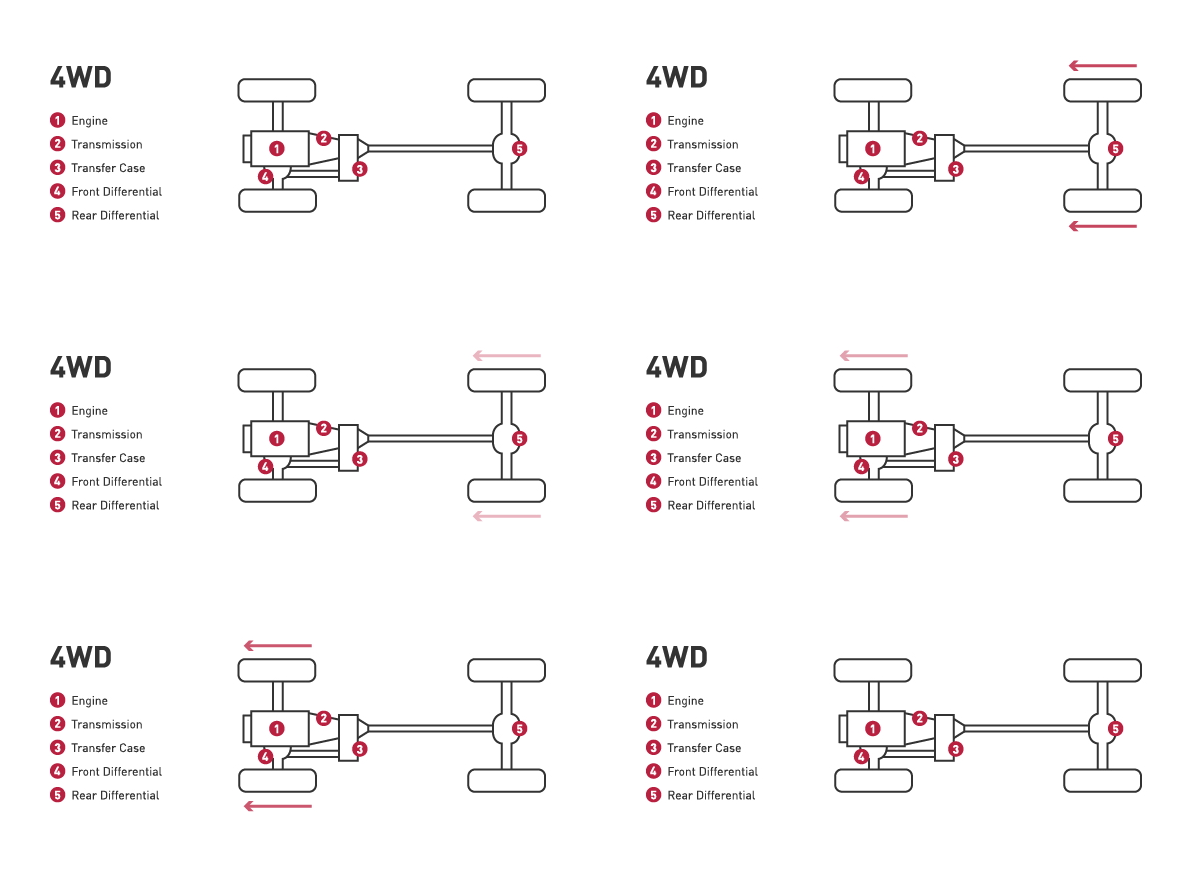
Повний привід включає в себе два карданних вали і роздавальну коробку для передачі потужності на всі чотири колеса. Сучасні системи повного приводу можуть бути як повнопривідними, так і неповнопривідними. У системі повного приводу автомобіль автоматично перемикається між двома і чотирма колесами, а в системі неповного приводу водієві доводиться вручну вмикати повний привід. Система 4WD особливо ефективна в умовах сильного снігу та бездоріжжя. На фото зображено Land Rover Defender із системою повного приводу.
Переваги:
- Відмінно справляється з буксируванням причепів або важких вантажів.
- Ідеально підходить для серйозного бездоріжжя, подолання перешкод і бруду.
- Здатна долати глибокий сніг.
- Забезпечує необхідне зчеплення для підйому на круті пагорби.
Недоліки:
- Дорожча ніж FWD і RWD за рахунок додаткових деталей.
- Зменшений пробіг на одному баку пального через важчу трансмісію та більшу кількість деталей.
- Приходиться пам'ятати про ввімкнення системи часткового приводу.
Підключаємий повний привід (AWD)
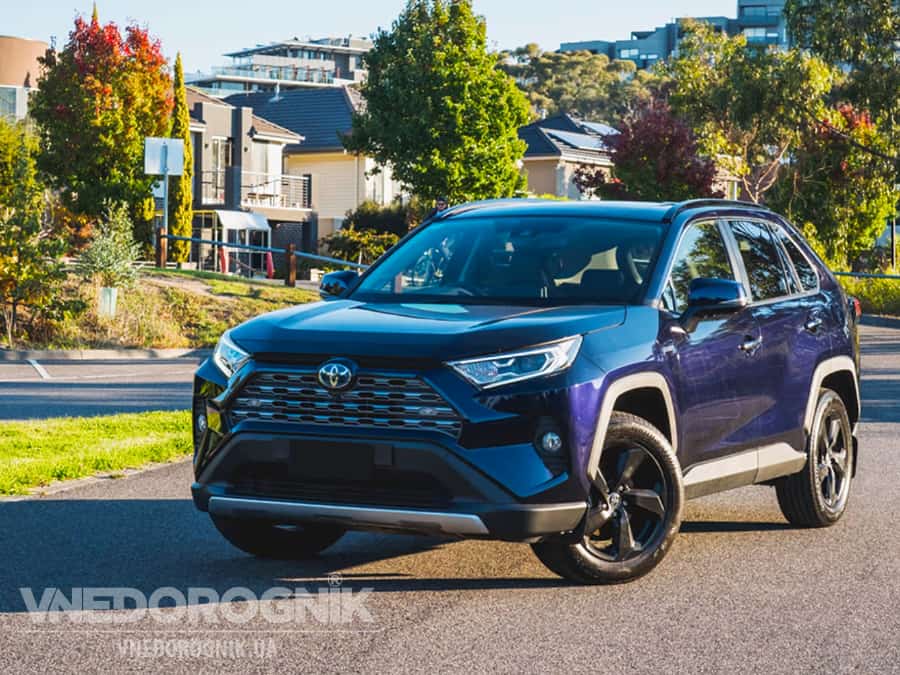
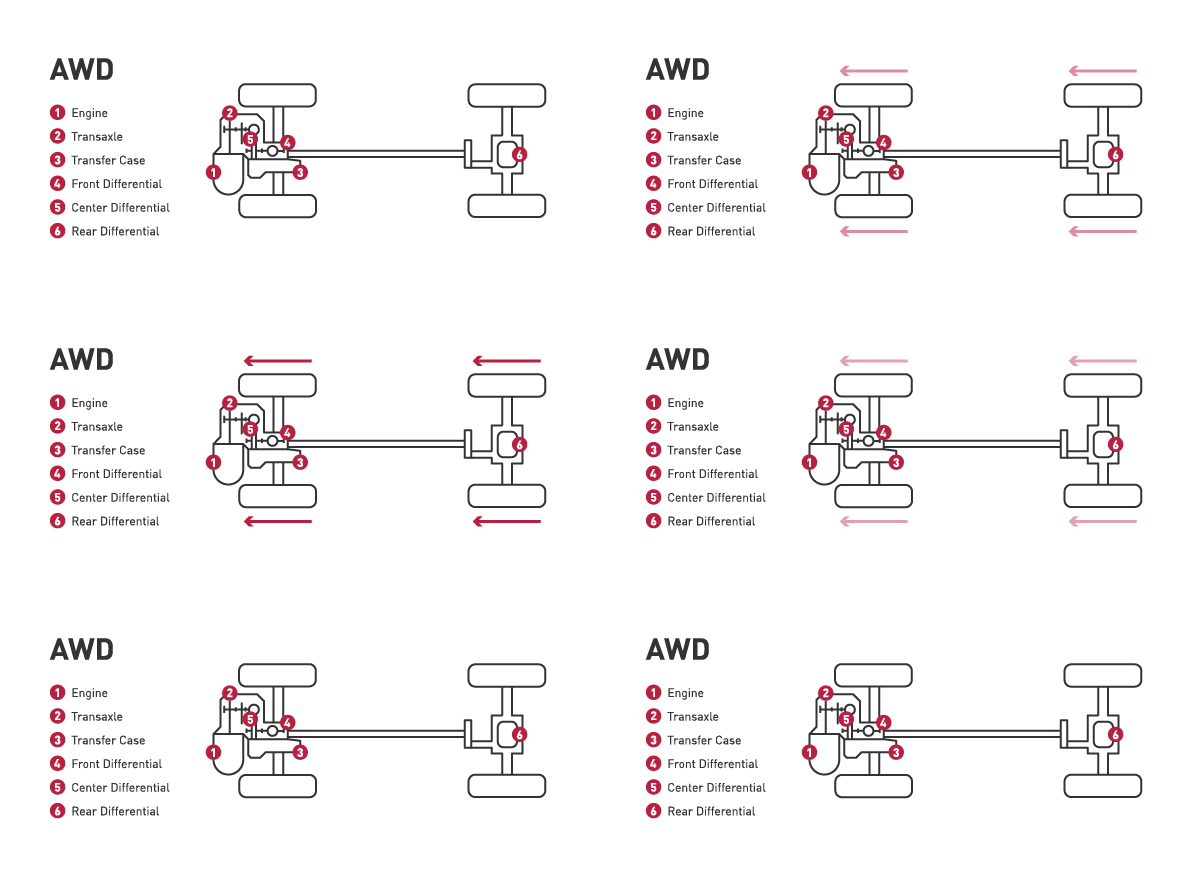
У системах AWD потужність також передається на всі чотири колеса автомобіля. Більшість систем AWD завжди ввімкнені і використовують датчики для визначення того, яке колесо має бути ведучим. Але майте на увазі, що системи бувають різні, і деякі з них більшу частину часу працюють у режимі 2WD, переходячи в режим 4WD тільки в тому разі, якщо датчики фіксують що автомобіль втрачає зчеплення з дорогою. На фотографії показано кросовер Toyota Rav 4 із системою під'єднуваного повного приводу.
Переваги:
- Покращені характеристики розгону та керованості.
- У більшості випадків краще зчеплення на снігу та мокрій дорозі порівняно з моноприводними автомобілями.
- Система завжди увімкнена - вам не потрібно думати про підключення чи відключення повного приводу.
Недоліки:
- Дорожчі у порівнянні з моноприводними системами за рахунок більшої кількості деталей.
- Автомобіль має більшу вагу, що призводить до погіршення економічності автомобіля.
- Вартість ремонту може бути вищою, ніж у повнопривідних (4WD) і задньопривідних (RWD) автомобілів за рахунок розумної системи і складних механізмів.
Яка система приводу підходить вам?
Щоб визначити яка трансмісія має стояти у вашому наступному автомобілі, враховуйте як клімат, у якому ви пересуваєтеся, так і звички водіння. Передній привід ідеально підходить для теплого клімату і регіонів з невеликими снігопадами. Задній привід (RWD) може надати вам бажані результати, якщо для вас важливі продуктивність і керованість автомобіля. Ви можете розглянути варіант підключаємого повного приводу якщо живете в регіоні з помірними снігопадами. AWD може забезпечити вам зчеплення з дорогою, необхідне для подолання снігу, що випав за ніч.
Повний привід (4WD) може підійти тим, хто мешкає в районах із рясними снігопадами, любить їздити бездоріжжям або буксирувати великі причепи. Підвищена прохідність дає змогу легше долати важкопрохідну місцевість, пробиратися через глибокий сніг і буксирувати причіп.


 941
941
 3хв
3хв 


