


 Назад
Назад 

Найбільшим автомобільним захопленням останніх десяти-двадцяти років є позашляховики та кросовери. Цей сегмент з'явився, коли автовиробники встановили постійний дах на свої пікапи і додали більше сидінь. Хоча позашляховик не такий практичний або зручний для роботи порівняно з пікапом, він відкрив абсолютно новий світ можливостей.
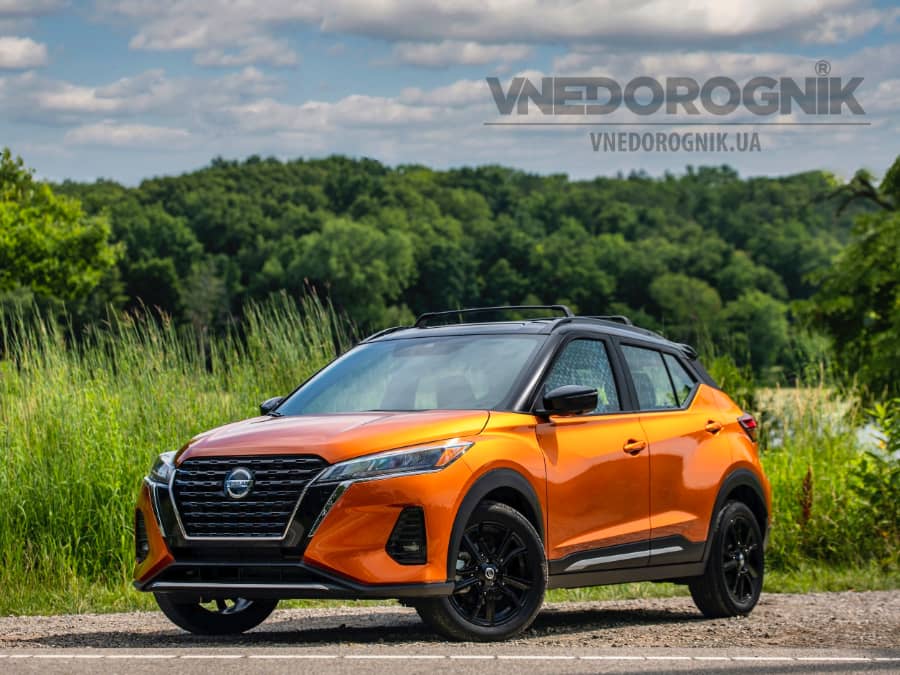
Наприкінці 1990-х років компанія BMW представила свою першу модель позашляховика у вигляді X5. Відтоді майже кожен автовиробник випустив хоча б одну таку модель, а деякі повністю відмовилися від седанів та хетчбеків і тепер випускають тільки пікапи та позашляховики. З такою переаовненістю ринку й перевищенням попиту над пропозицією, чимало виробників забули про практичний аспект позашляховика, який полягав у комфортному і водночас міцному прохідному автомобілі, на користь дешевшої і простішої у виробництві машини зі збільшеним дорожнім просвітом. Це особливо помітно на прикладі кросоверів бюджетного класу, створених на базі хетчбеків і MPV - багато хто з них мають тільки передній привід. Такий вибір трансмісії жахливий для початкового призначення автомобіля й повністю руйнує основну ідею позашляховика.
Тим не менш, цей сегмент ринку все ще процвітає і не збирається сповільнюватися, а це означає, що люди продовжуватимуть купувати маленькі, середні та великі позашляховики для використання в містах і селищах, оскільки більшість із них досить жахливі на бездоріжжі. Ми підібрали 10 представників маленьких кросоверів, у яких труднощі можуть виникнути навіть під час поїздки в село поза асфальтованим покриттям.
Mitsubishi ASX
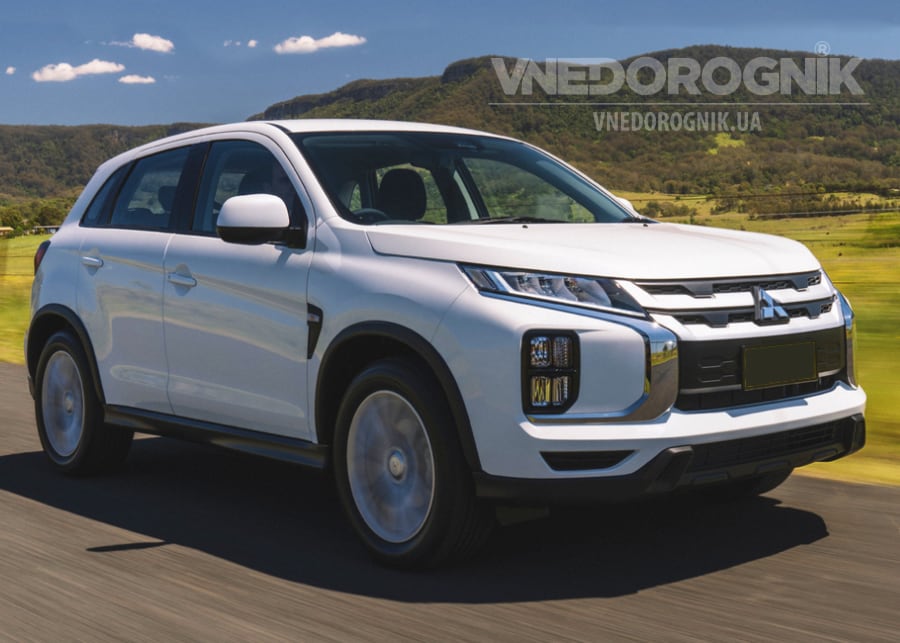
Модель ASX - це найменший кросовер-позашляховик японського бренду, що був представлений у 2010 році. Модель досі перебуває у виробництві, а друге покоління очікується десь у 2023 році. Оскільки перше покоління було настільки старим, модель пережила не один фейсліфтинг, а чотири за 12 років.
ASX може бути хорошим маленьким автомобілем, але він досить жахливий на бездоріжжі. Більшість моделей мають лише передньопривідну трансмісію та оснащуються малопотужними 4-циліндровими двигунами. Оскільки ASX має спільну платформу з Citroën C4 AirCross, деякі комплектації якого оснащуються підключаємим повним приводом, в той час як ASX залишається передньопривідним.
Nissan Kicks
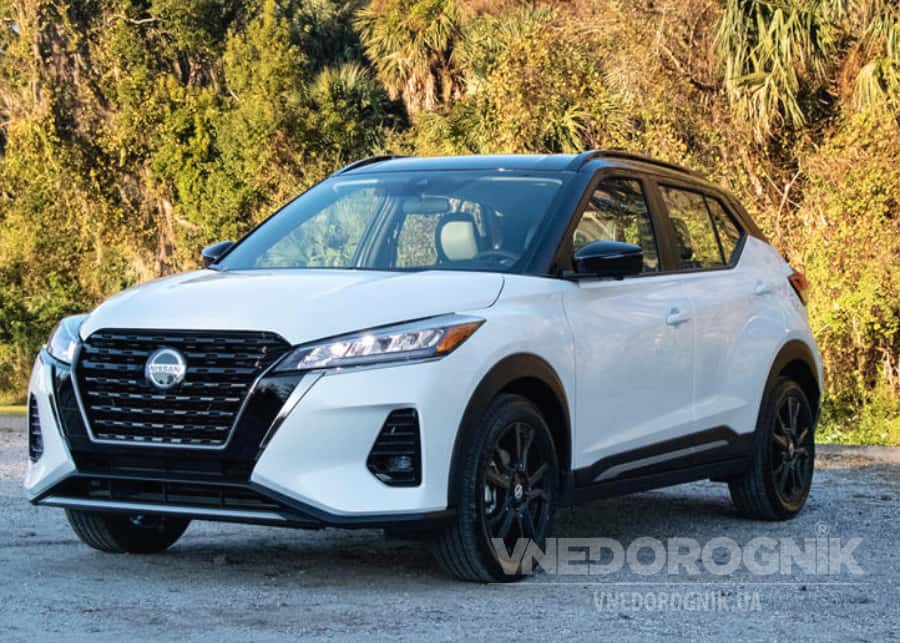
Nissan Kicks - відносно нове доповнення в сегменті компактних кросоверів, що з'явилося на сцені в 2016 році. Модель була представлена на північноамериканському ринку в 2018 році й отримала фейсліфтинг у 2021 році. Kicks побудований на тій самій платформі маленького хетчбека, що й Versa та Micra, що передбачає передній привід як єдиний варіант трансмісії.
Kicks доступний із трьома варіантами двигунів залежно від комплектації, включаючи гібридний. Звичайні комплектації включають 1,5 і 1,6-літрові рядні четвірки, а гібридна версія містить 1,2-літровий i3, який використовується в ролі генератора для батарей і електромотора, що приводить у рух колеса. Тому Kicks призначений для міської їзди вузькими вулицями Європи.
Hyundai Kona
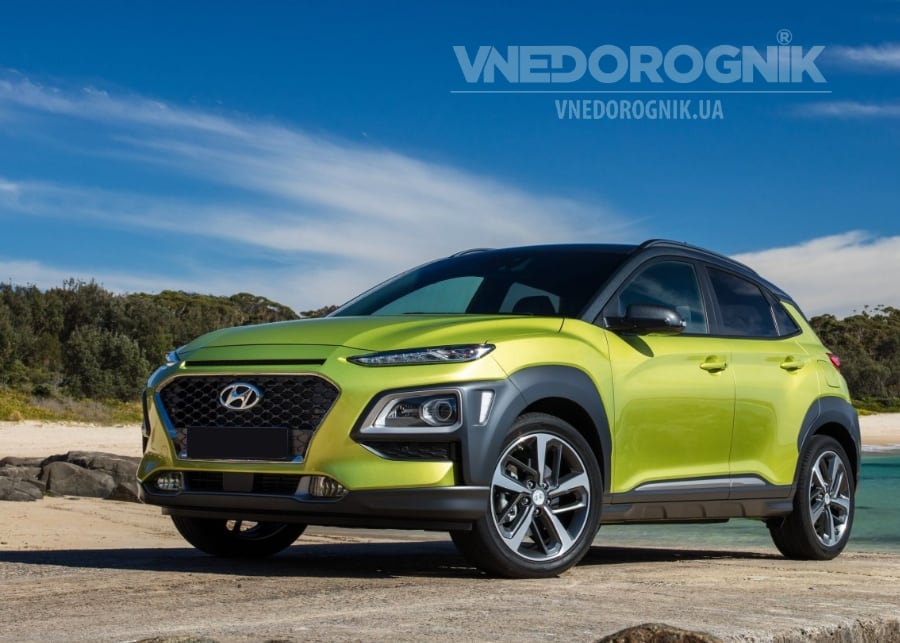
Kona - цікава модель з невеликою кризою ідентичності. Хоча вона і позиціонується як позашляховик, за своїми можливостями Кона перебуває десь в діапазоні між хетчбеком і кросовером. Оригінальна модель, презентована у 2017 році, теж виглядала не найкращим чином, демонструючи надмірно стилізований кузов.
Фейсліфтинг у 2020 році згладив усі недоліки та значно покращив дизайн, підкресливши нову « мову дизайну» Hyundai. Kona, хоч і є доволі хорошим автомобілем, не зовсім підходить для ґрунтових доріг. Звісно, він доступний із повним приводом, але дорожній просвіт і можливості підходять для асфальтованих доріг і доволі рівних сілських вулиць.
Ford Puma
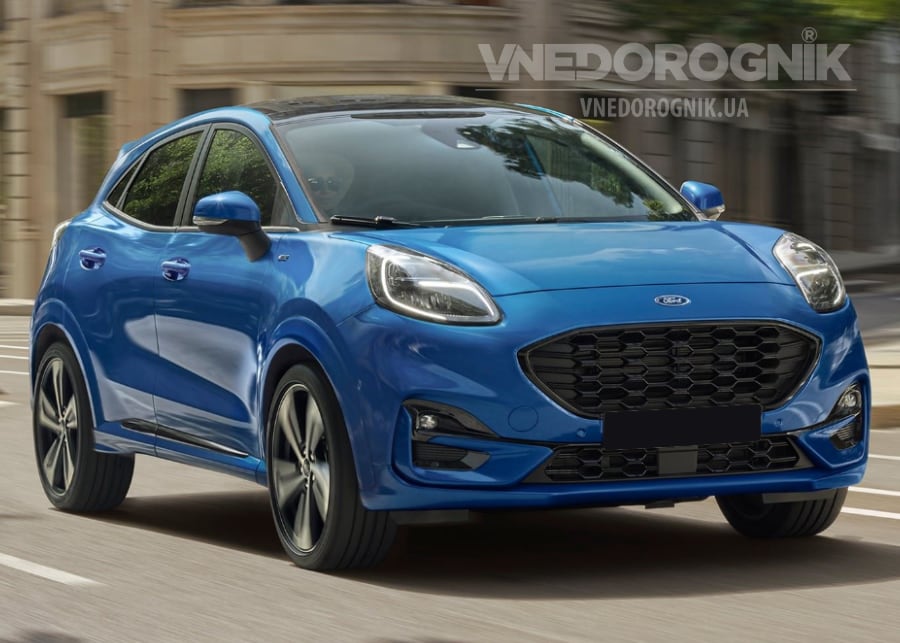
Ім'я Ford Puma було відроджено у 2019 модельному році у вигляді кросовера на базі спортивного купе Fiesta. Нова Puma має більшість спільних компонентів із Фієстою, включно з 1,5-літровим рядним двигуном Dragon 3, що використовується у Fiesta ST.
Puma хоч і є доволі високою машиною, все ж не призначена для поїздок лісами. Вона доступна лише з переднім приводом і доволі великими для кросовера колесами. Цей автомобіль, створений для того, щоб високо сидіти в заторі та забезпечувати хорошу оглядовість з усіх боків.
Kia Seltos
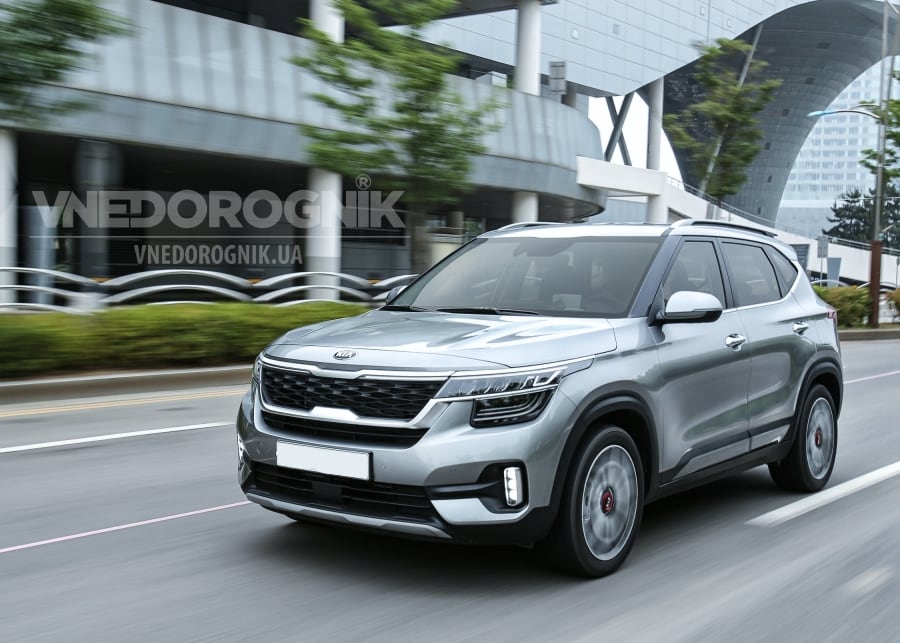
Seltos - це трохи більш спортивна версія Hyundai Creta, тільки з набагато кращим дизайном. Він оснащується здебільшого тими самими двигунами, що й Creta, тобто серією 4 циліндрових четвірок із турбонаддувом. Європейський та австралійський ринки також отримають турбодизельні варіанти.
Seltos постачається з повним приводом у нижніх комплектаціях, проте жодна з версій із турбонаддувом не отримує його через трансмісію DCT. Компактний кросовер потужністю 119 к. с. не зовсім схожий на позашляхового звіра, чи не так?
Ford EcoSport
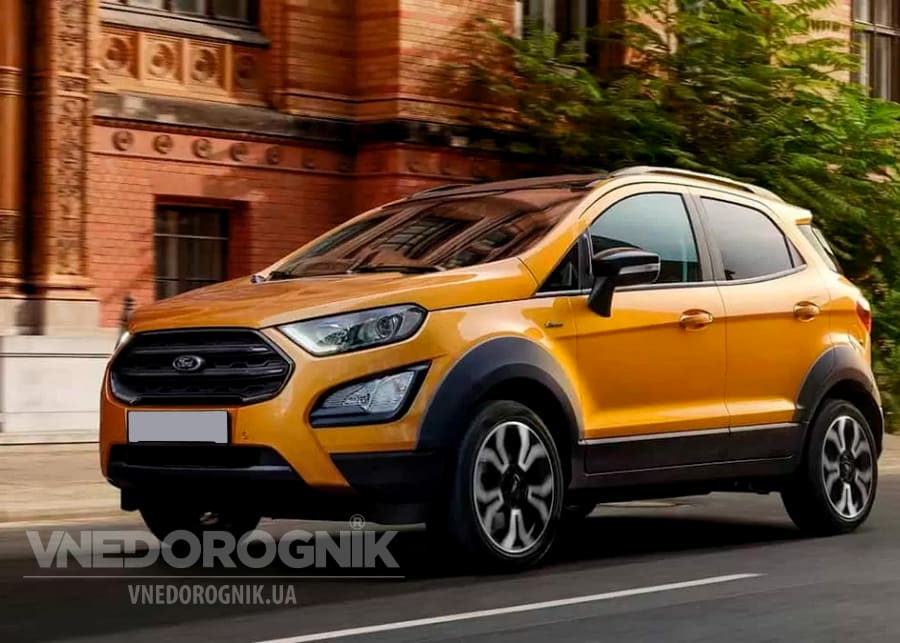
Ford EcoSport - це ще один кросовер на базі Ford Fiesta, який наразі випускається у другому поколінні. EcoSport, спочатку представлений у 2003 році та оновлений у 2012 році, тепер оснащується двигунами, спільними для хетчів Fiesta і Focus.
Актуальна версія Екоспорт представлена на північноамериканському ринку у 2018 році та наразі оснащуватиметься або 1,0-літровим турбованим двигуном EcoBoost inline-3, або 2,0-літровим двигуном inline-4, якщо він оснащений повним приводом. EcoSport є надзвичайно популярним автомобілем, але не зовсім призначений для виконання функціоналу кросовера, хоч і пропонує більше за інших за рахунок повного приводу.
Honda BR-V

Honda розробила цей автомобіль виключно для того, щоб заробити на сегменті MPV/кросоверів. По суті, це припіднята версія Honda Mobilio MPV - приблизно так само, як Toyota вчинила з Avanza та її припіднятим еквівалентом Rush.
BR-V продавався з 2016 по 2020 рік, після чого був знятий з виробництва через зниження продажів, проте в 2021 році для деяких ринків було представлено друге покоління моделі. BR-V оснащений 1,5-літровим рядним 4-циліндровим двигуном, що видає всього 118 к. с. на передні колеса. Це не зовсім схоже на характеристики для позашляховика, чи не так?
Nissan Juke
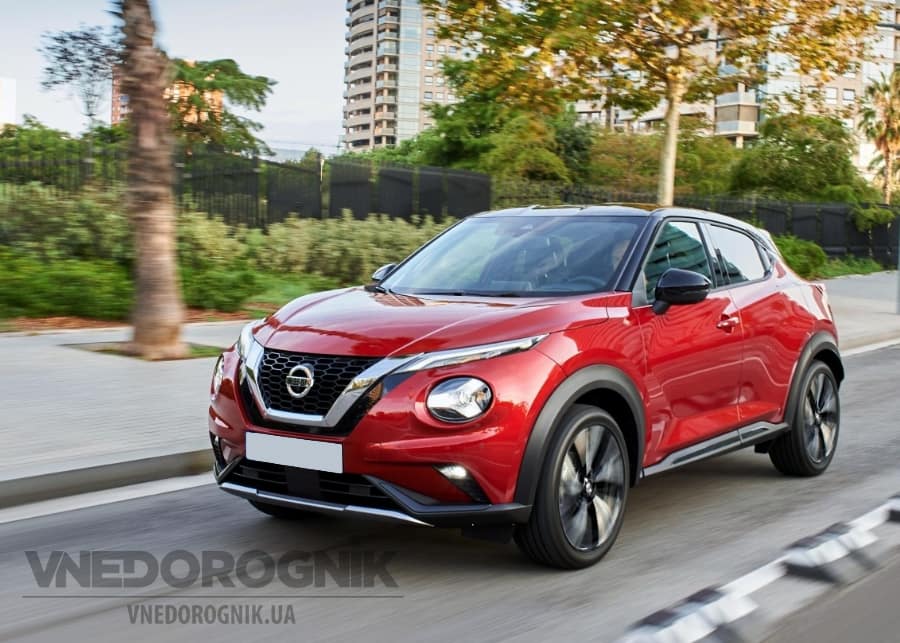
Juke - один із найнеоднозначніших автомобілів за останні десять із гаком років. Переважно через його зовнішній вигляд. Сам автомобіль доволі добре сконструйований і практичний для міста та міського життя. Juke першого покоління оснащувався здебільшого 1,6-літровими атмосферниками, або з турбонаддувом. Топова комплектація навіть постачалася з повним приводом у стандартній комплектації.
Juke другого покоління вирізняється «значно покращеним» дизайном екстер'єру. Він отримав не лише відносно потужніші двигуни, а й систему повного приводу. Нинішній Juke доступний лише з турбованим 1,0-літровим двигуном потужністю всього 115 к. с. Порівняно з оригіналом, це доволі серйозне погіршення, але сучасні економічні норми безжальні для всіх автовиробників.
Suzuki Vitara
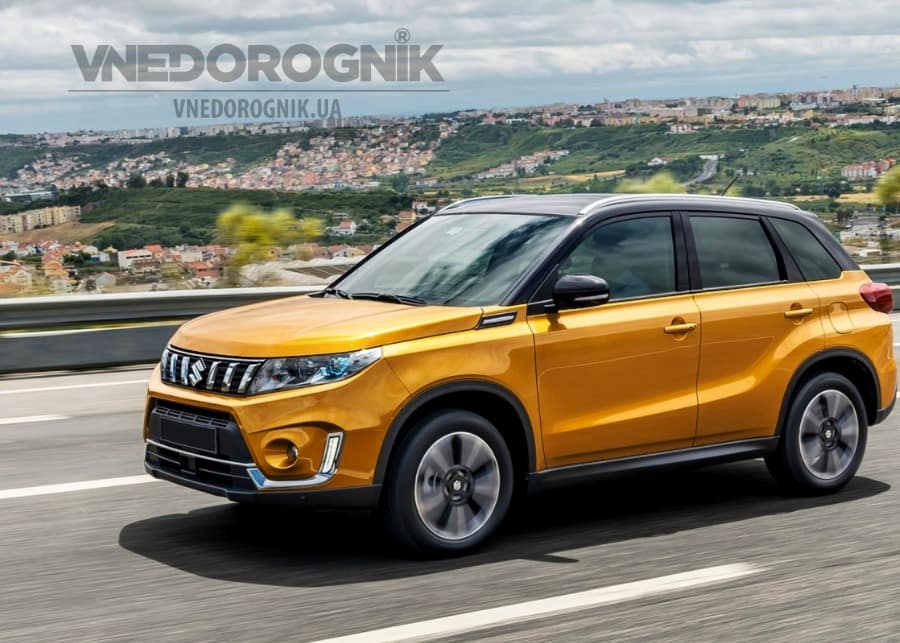
Поточне покоління Suzuki Vitara є одним із найкращих у всьому модельному ряду - за винятком можливостей. Хоча сучасна версія вирізняється чудовими технологіями та економічними двигунами, позашляхові можливості старших моделей просто неможливо ігнорувати.
Підійшли в минуле двигуни V6, їх замінили рядні 3 і 4-циліндрові мотори з турбонаддувом і гібриди. Найкращою моделлю буде турбодизельна версія, доступна тільки в Європі, з гарним крутним моментом і повним приводом.
Toyota Corolla Cross
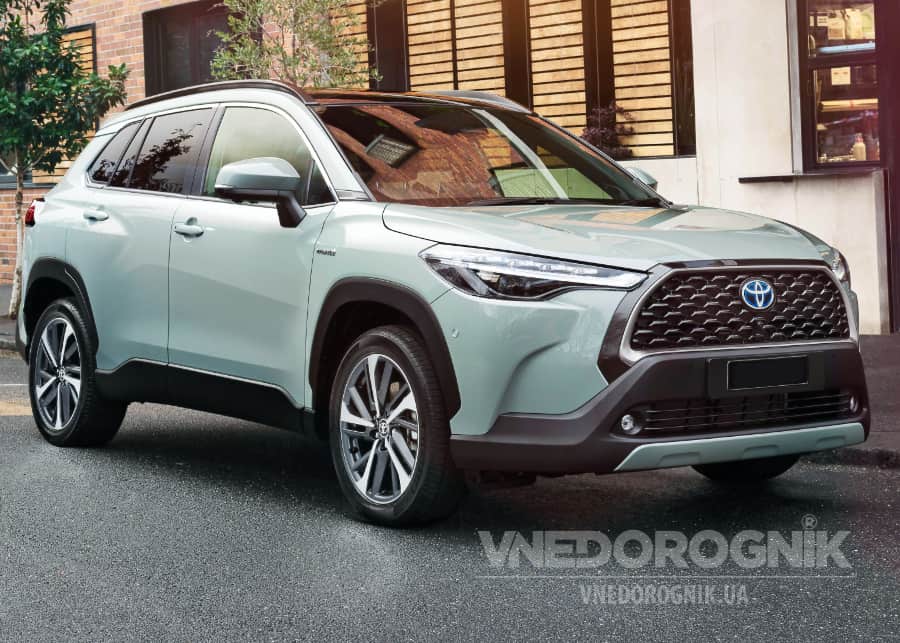
Corolla Cross - це новітнє доповнення до лінійки кросоверів і піднятих хетчбеків японського автогіганта. Заснована на платформі седана Corolla - також спільній із CH-R та Lexus UX, північноамериканська модель має лише два рівні оздоблення.
Стандартна версія йшла з переднім приводом і 2,0-літровим 4-циліндровим рядним двигуном, тоді як топова комплектація оснащена тим же двигуном, пов'язаним з гібридною трансмісією та повним приводом. Потужність топової моделі Corolla Cross складає цілих 190 к.с. Враховуючи, що автомобіль важить більше 1400 кілограмів, цей двигун цілком може виявитися недостатньо потужним і зазнаватиме труднощів при русі ґрунтовими або засніженими дорогами.
Підібрати запчастини до вашого автомобіля





 511
511
 4хв
4хв 


