




 VNEDOROGNIK БЛОГ
 My blog
 Event Calendar
 Gallery
 Tuning Atelier
 Articles
 Videos
 B2B
B2B
 SALES
SALES
 Manufacturers
 Delivery
 Payment
 Return of goods
 Catalogs
 Reviews
 ABOUT US
 Contacts
 Dealers
 Installation and maintenance


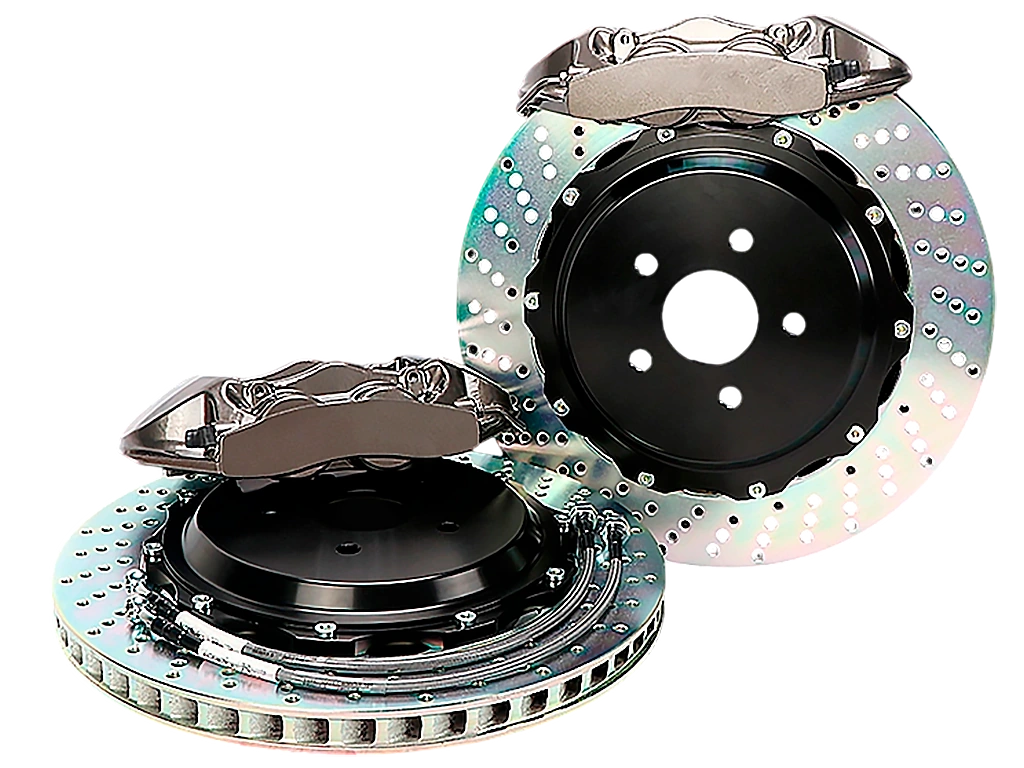

















Since the brake pads and disks can be quite expensive spare parts, it is quite logical to strive from them to get a full return and long service life. If the pads wear out to such an extent that the metal support plate rubs with the other href = "..//../....//..// tormoznye-diski"> Brake disc , then the discs definitely need replacement. In addition, trips with such a malfunction can cause damage to the brake caliper if their pistons are too strongly extended in the process of compression of the brake pads, the friction part of which ends.
we have collected several signs that will help you recognize the symptoms of a variety of problems and understand when the various components of the brake system have worn out and need replacement.
Contents:
-
?
?
-
brakes 1. Grilling noise
Grilling noise when pressing the brake is actually caused by high -frequency vibration of metal disks , drums or support plates of brake pads.Excess corrosion, which is formed over time on the non -contact areas of the outer perimeter of the inhibitory disks and drums, is the main cause because the rust is more loose and less dense in nature, and therefore more prone to resonance.

Another source of such noise is the edge , which is formed along the outer edge of the disk surface, since brake pads do not collide with this area. This edge becomes more pronounced as we wear and takes the shape of a frying pan. Sometimes the edge becomes sufficiently pronounced to cause contact with brake pads that do not have chamfer (rounded angles), which leads to an unpleasant scream. Extremely low outside air temperatures that cause a slight compression of the rotors can enhance this effect, and severe brake heating during intensive use can lead to metal expansion, which also causes contact where it would not be in normal conditions.
2. Metal squeak

It can be heard when worn to the metal brake pads squeeze the disk . Some manufacturers place small metal projections in the lower part of the brake pads. When the pads wear out and become thin, these projections face the rotor (disk), creating a metal glitical sound that warns the driver that time to replace the pads.
at a thickness of 3 mm , you have a little time left. At a thickness of 1 or 2 mm, it is time to appoint a trip to the service or order parts to have them alert to the date, when there is an unpleasant noise from the braking of the metal base of the pads.
Although determining the thickness of the brake pads on the eye is a good way to keep the situation under control, it is important to remember that there are external pads on the side of the rotor, which you can easily see, and the inner pads on the other side of the rotor, which is not visible without removing the wheel or climbing under it.
3. Closure indicator
lights up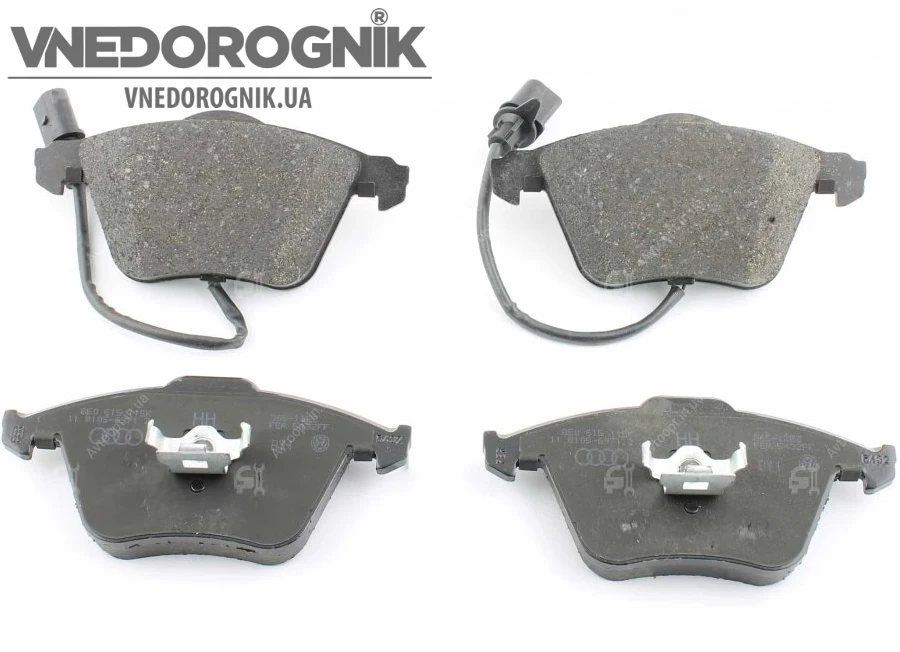
most modern cars (from 2000) are equipped with sensors built into the pad material . When a new brake pad 12 mm thick wears out to a residual resource approximately 3 mm, the metal sensor is usually exposed and comes in contact with the disk. As a result of the metal contact with metal, a speech (sound indication) occurs, and on new cars can work an electronic sensor and flash a warning indicator (electronic indicator).
4. Clicking noise after pressing or releasing brakes

this indicates incorrect displacement of the brake pads . There are no dangers of their fall from the car, but since the pads are under pressure between the caliper and the brake disc, the built -in "anti -the -wise" clamps fix the pads in place.
Over time, the steel from which these plates are made can be brittle and break, allowing the brake pad to move freely in your nest, creating vibration and clicking sounds during braking. If the brake pads are wiped enough to happen, they will most likely need a quick replacement, because when operating these elements, these elements the brake system will be uneven.
?
In most cases, tremor (vibration) is the result that the disks are deformed just as the old vinyl plate deforms. At each rotation of the wheel, the deformed part of the brake disk pushes the pads from side to side. This vibration is transmitted from the brake caliper directly through the hinges of wheels, axes, suspension submucosa and through the car body itself.
Note : A quick way to make sure that vibration comes from the front disks - if the steering wheel also vibrates in a unison with brakes. Vibration, which is only felt on the seat, usually indicates that the rear disks are deformed .
Disk vibration can be caused by corrosion that is formed on the surface when the car is in a humid environment for a long time and is not used.
Another cause of vibration is formation of thermal spots or glaze on the surface of the disk after the compounds of iron in the rotor change their composition due to strong and repeated heating.
To get rid of vibration , edges or stains, discs can be removed from the car and sanded on both sides on a special lathe. Since the grinding process involves the removal of a considerable thickness throughout the rotor surface, it is important to know what the minimum thickness of the brake disk is installed by the car manufacturer
. It is a point in which the disk still contains enough metal to absorb and dissipate heat without deformation or destruction. If, after re -grinding, the thickness is smaller than the minimum, it must be replaced - mainly because it will soon deform.6. The car pulls one way while braking
This happens when the brakes for a number of reasons are pressed to one side of the car stronger than the other:
- This is most often caused by that the caliper (or wheel cylinders for eardrum brakes) have been corrosion and stopped moving properly to put pressure on the brake pads.
- This phenomenon can also be caused by the leakage of the brake fluid on the surface of the disk or drum. Since the brake fluid is not intended for lubrication, it forms a sticky surface, which creates more friction and causes the caliper on one side of the car to brake more than the other.
- This effect can also be caused by brake valves that regulate the pressure of the brake fluid in the system, but the likelihood of this is lower. In this case, they should be cleaned and replaced.
7. The brake pedal is pressed too easily

If the brake pedal falls into the floor, then compression of the brake fluid is not created properly through the leak somewhere in the system. If the visible leakage of the brake fluid cannot be detected on any of the wheels or along the brake lines, then the problem in the main cylinder under the hood is most likely.
The main cylinder contains pistons that push the fluid through Brakes to the brakes of all four wheels. Most often, internal seals become unusable, and the movement of fluid inside the main cylinder decreases without visible leaks.
If the brake pedal is pressed with great difficulty , then a faulty brake amplifier. Any of these scenarios require immediate assistance and the car should be towed for repair!

If you decide that it is time to replace braking equipment, vnedorogonik offers a full range calipers, disks, brake pads and brake kits that can be easily installed instead of available.