


-
Екстерʼєр
-
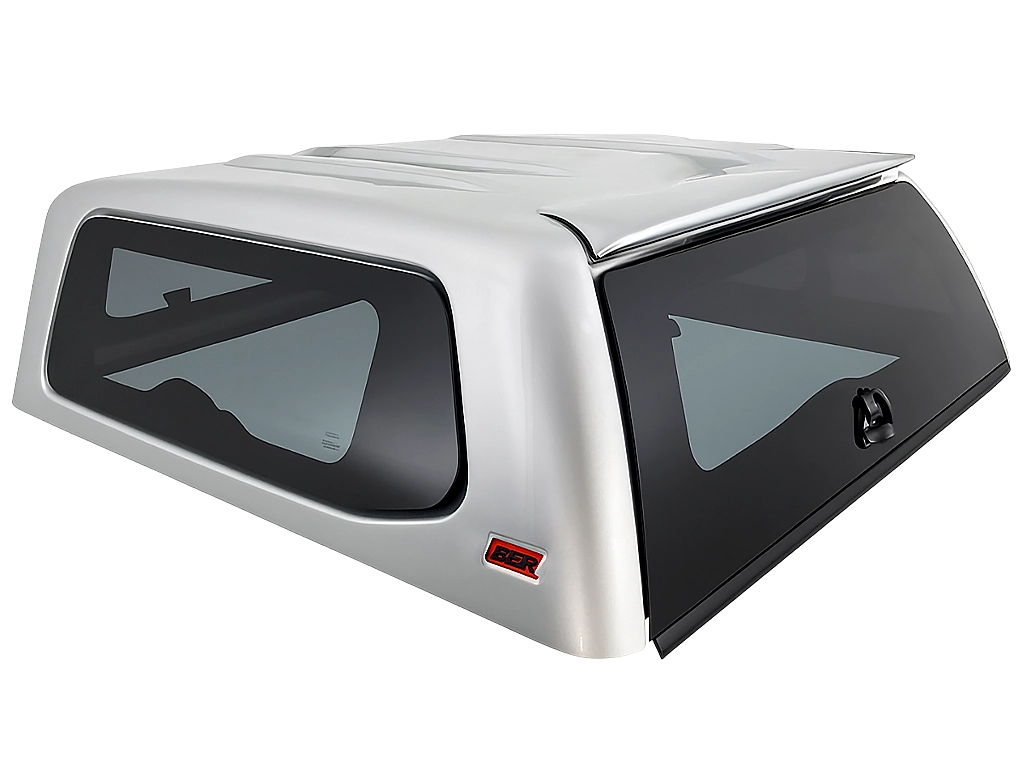
Кунги для пікапа
-
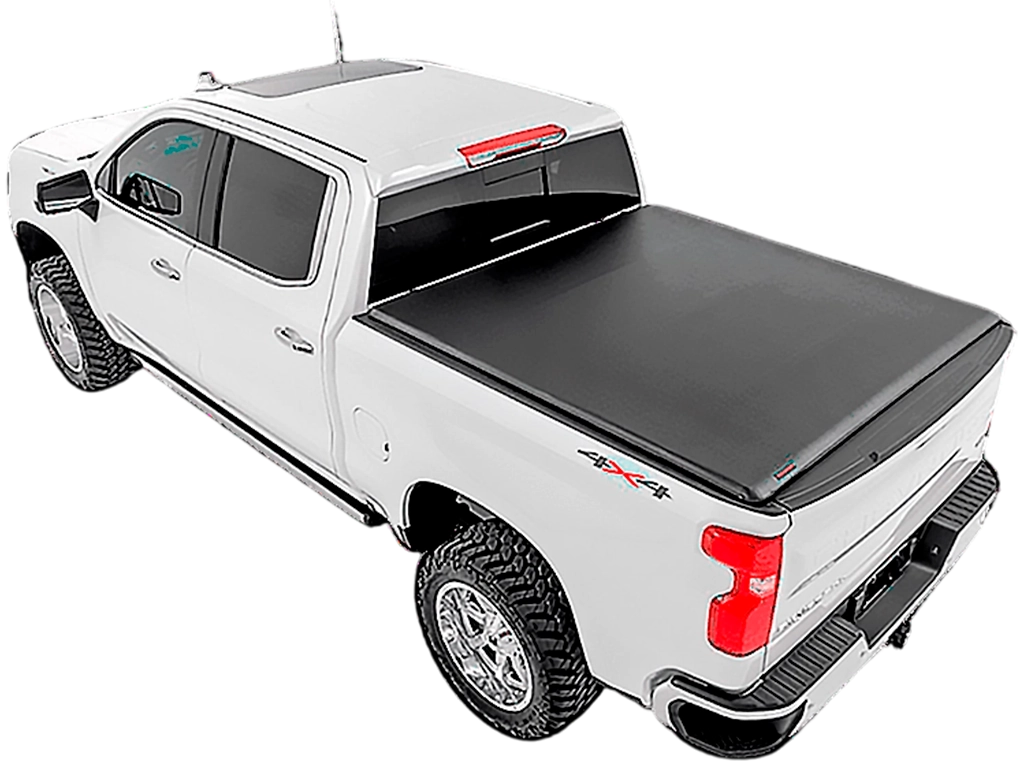
Ролети на пікап
-
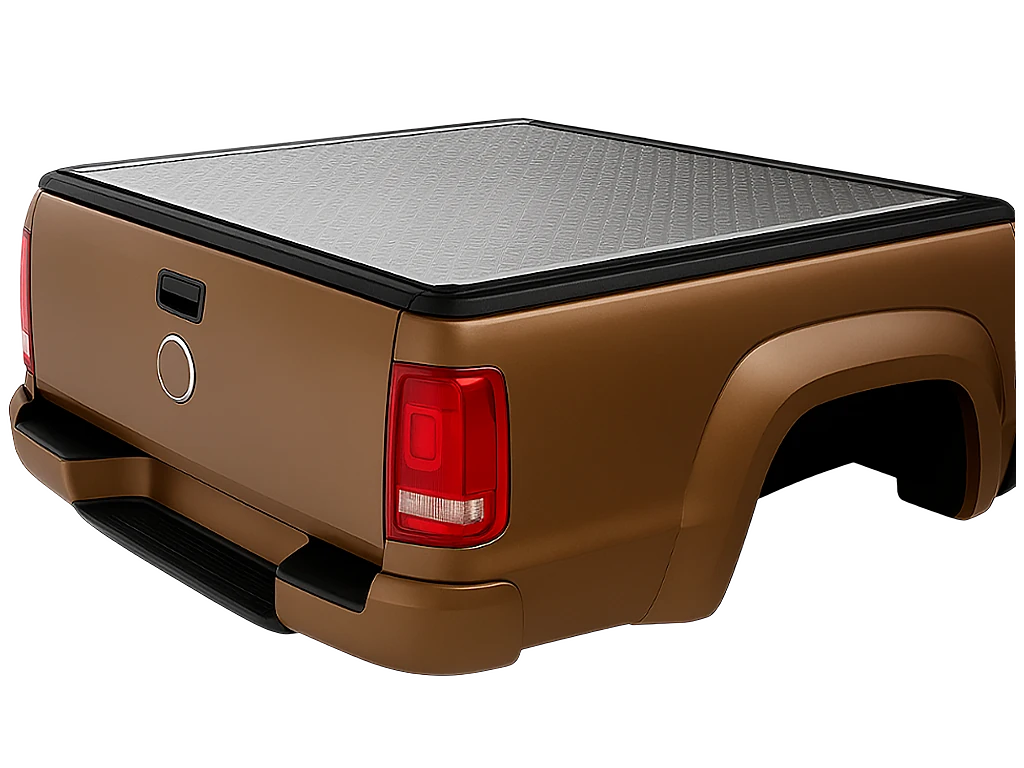
Кришки кузова на пікап
-
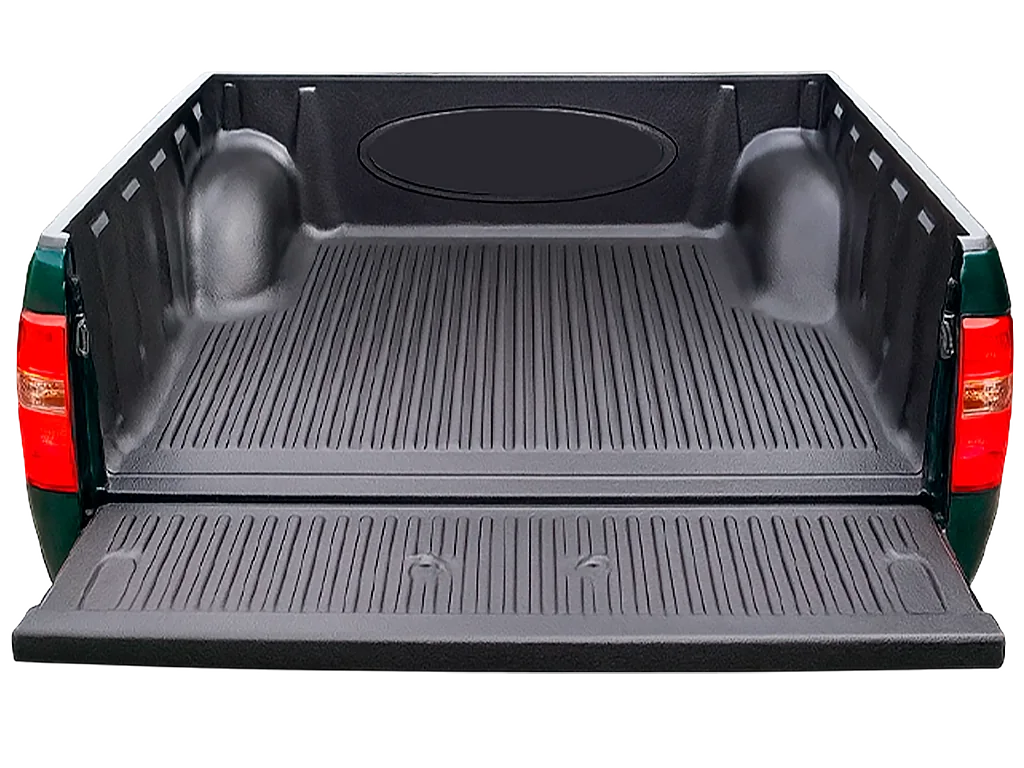
Вкладиші в кузов пікапу
-
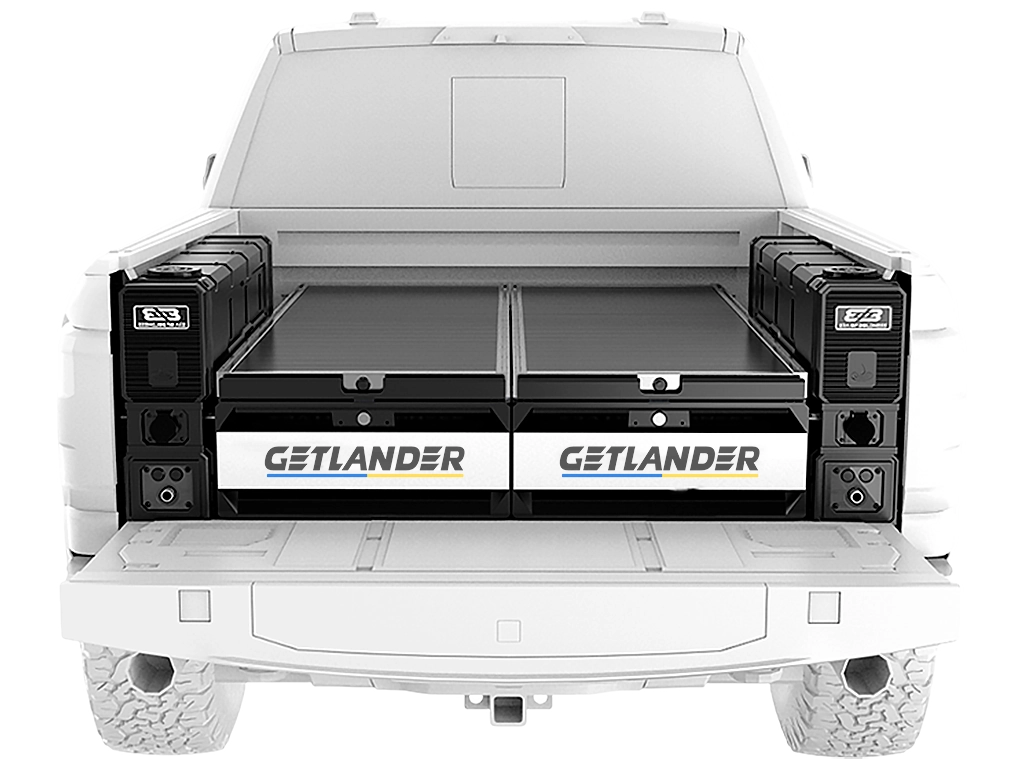
Багажні модулі
-
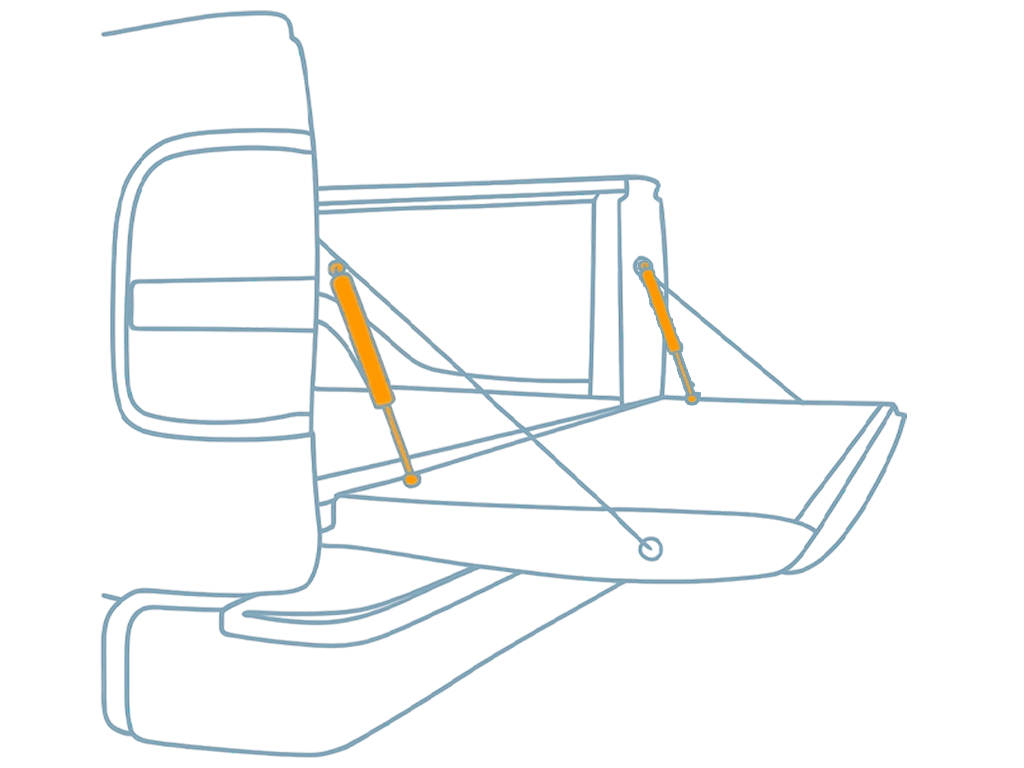
Амортизатори заднього борту EZ-DOWN
-
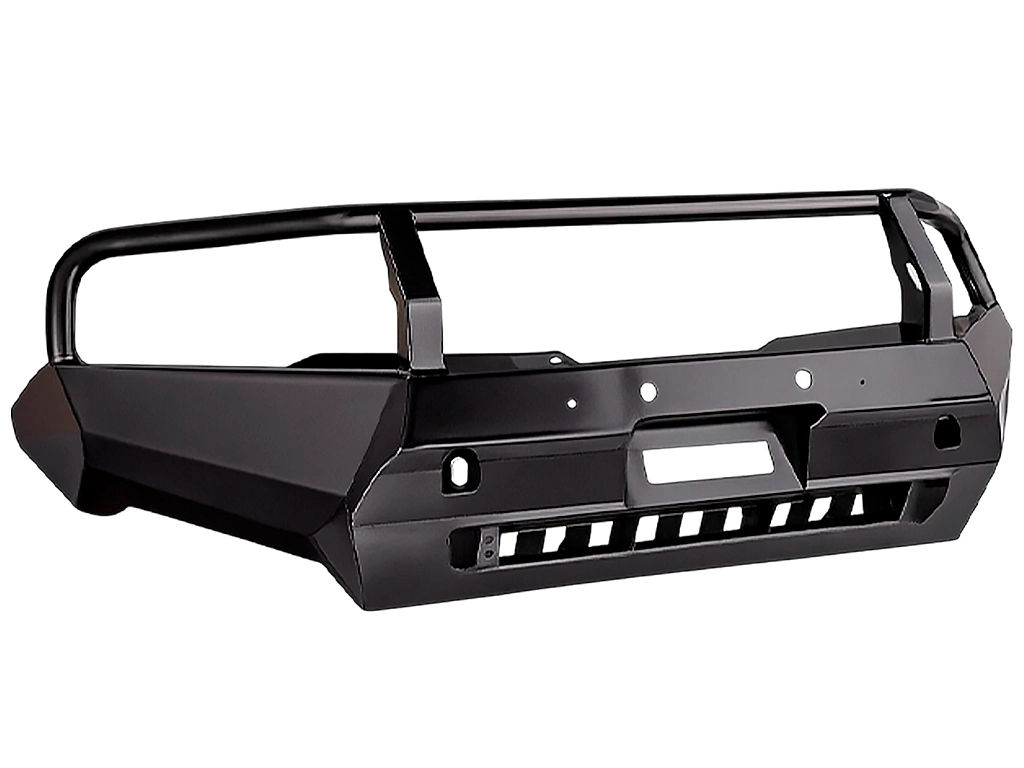
Силові бампери
-
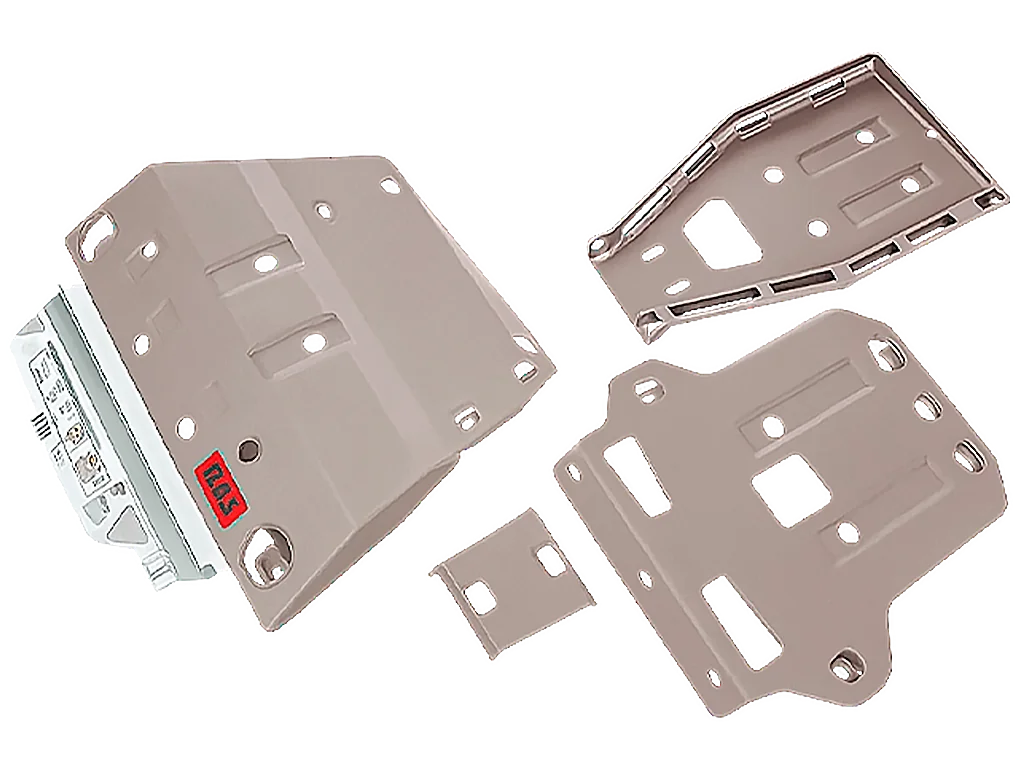
Захист днища
-
Фаркопи
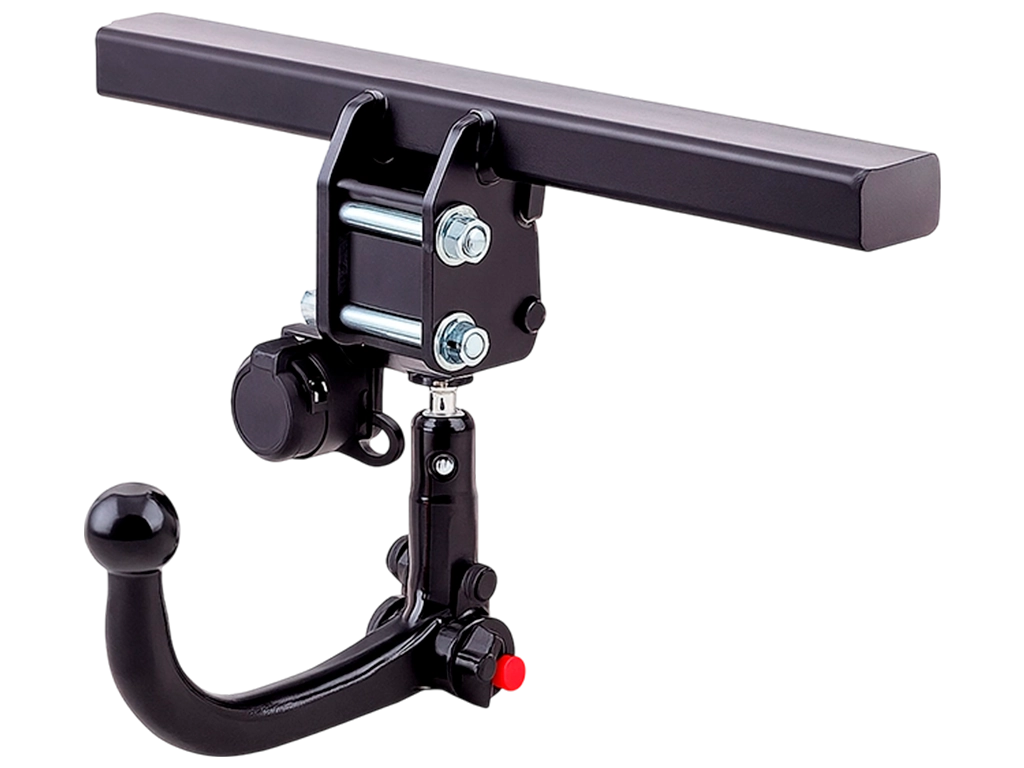
-
Пороги для авто
-
Кенгурятник і дуги

-
Розширювачі та захист арок

-
Хром накладка
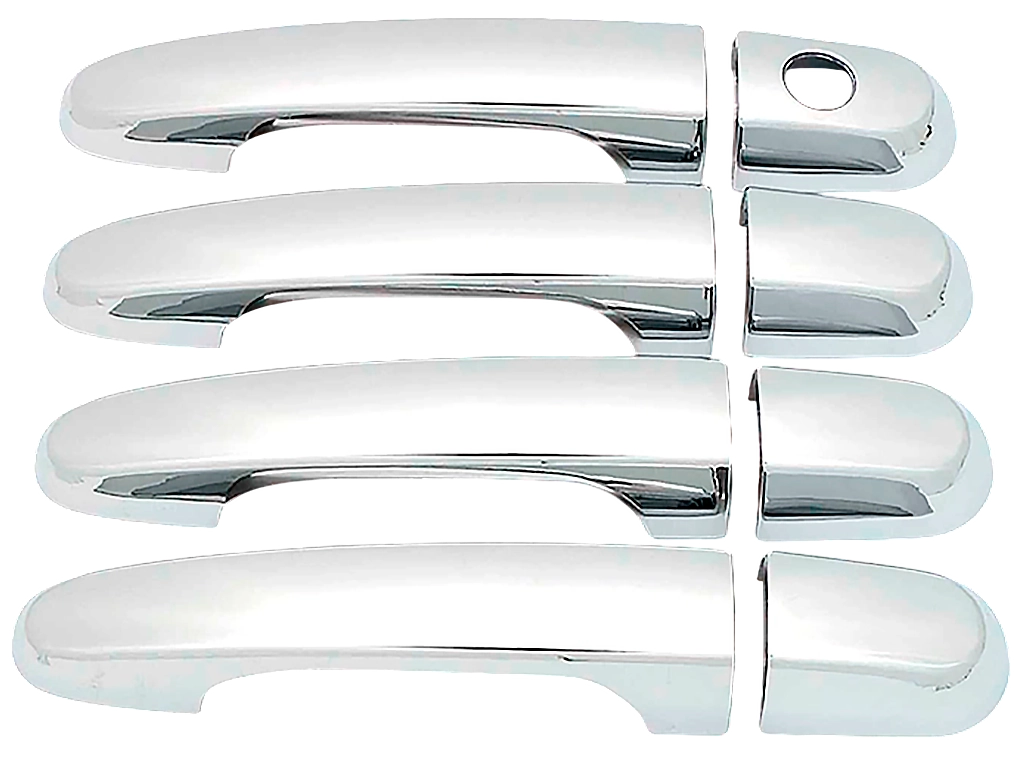
-
Бризговики
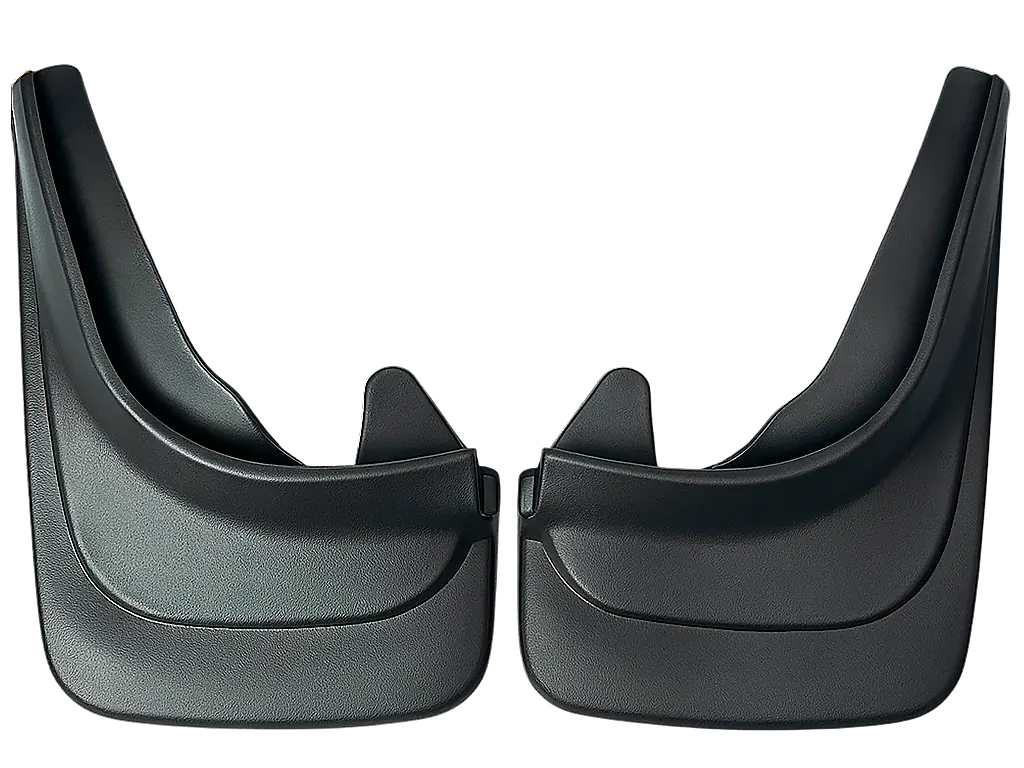
-
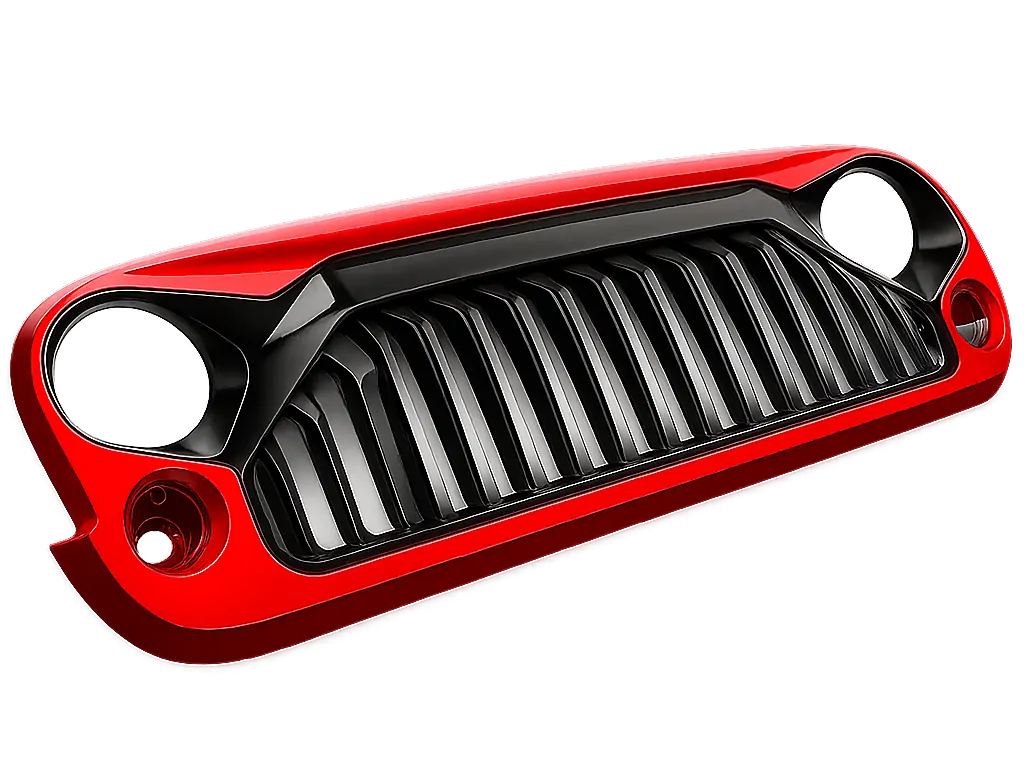
Стилізація авто
-
Дефлектори

-
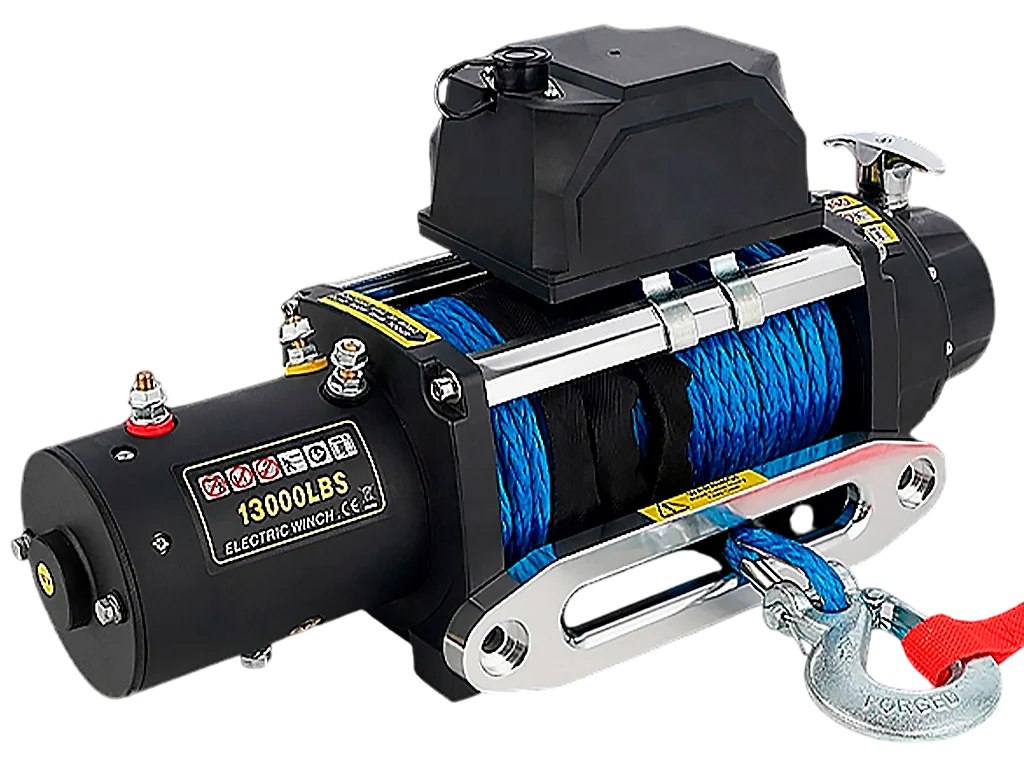
Лебідки
-
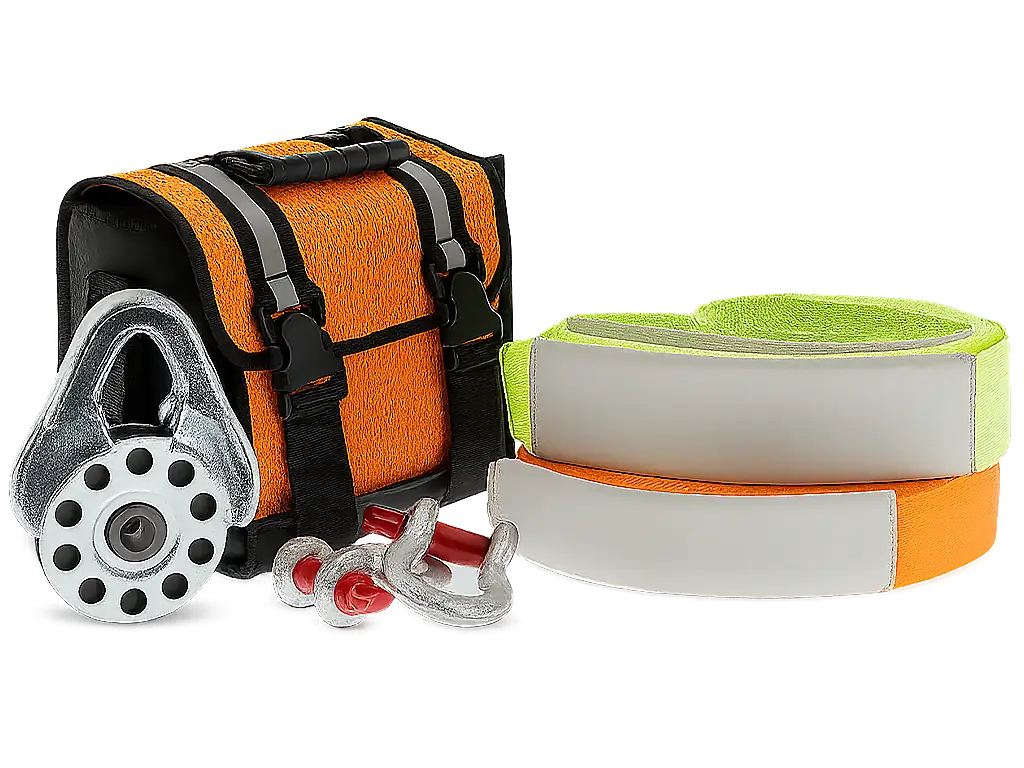
Такелаж
-
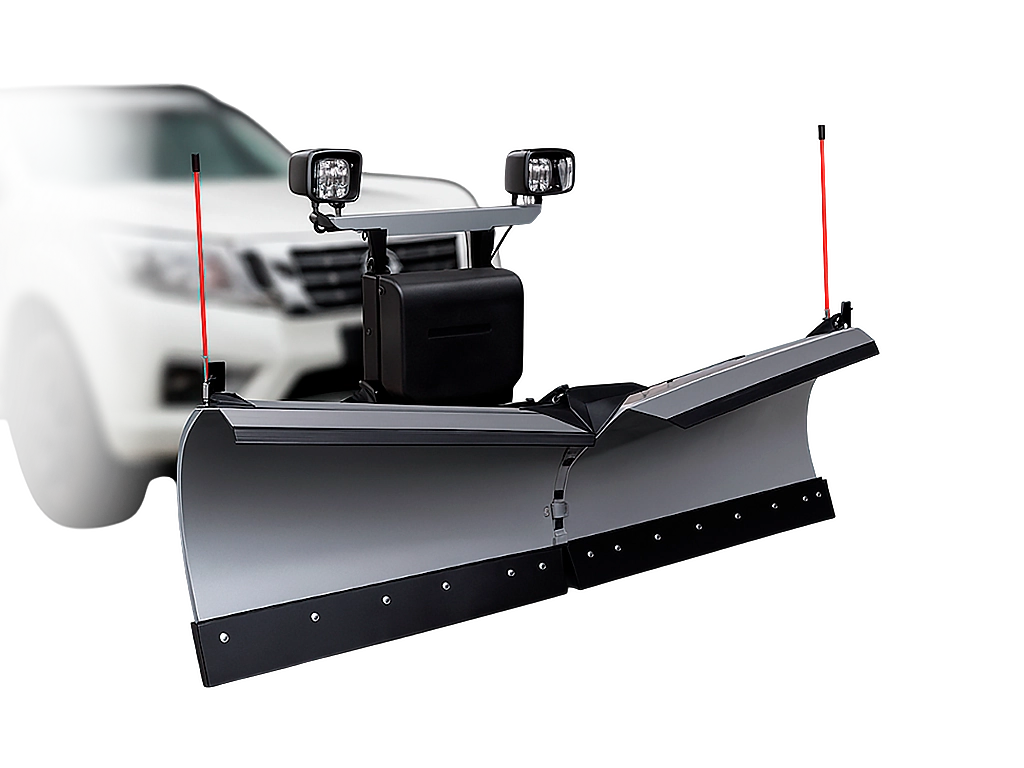
Відвали
-
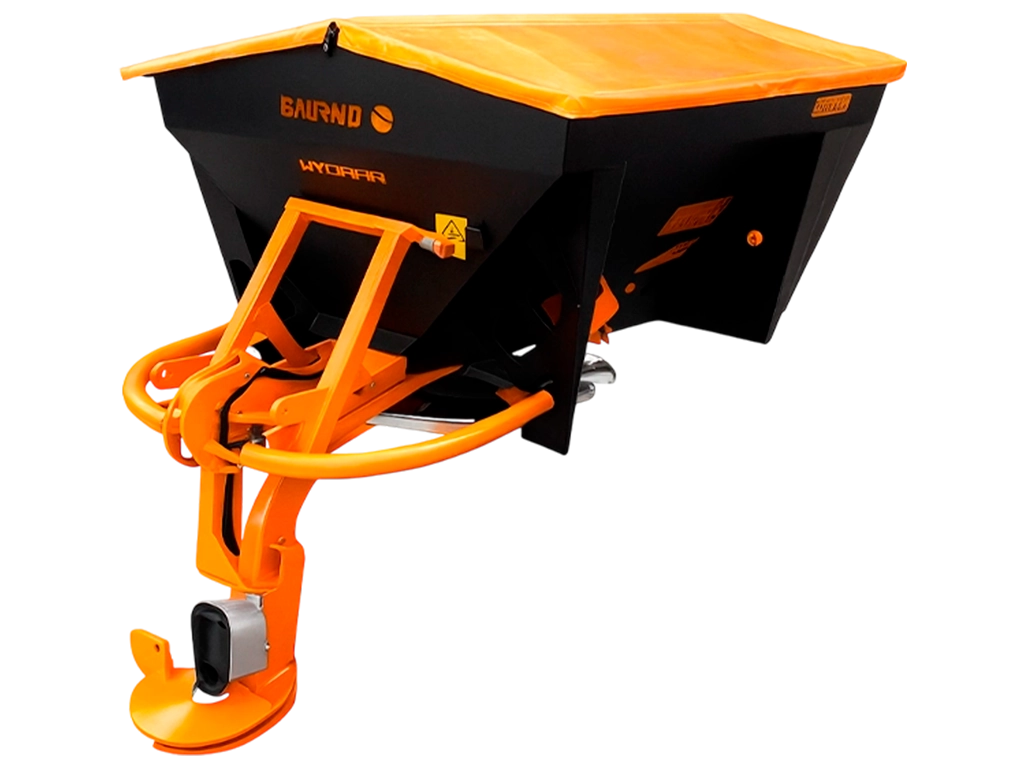
Розкидачі дорожньої суміші
-
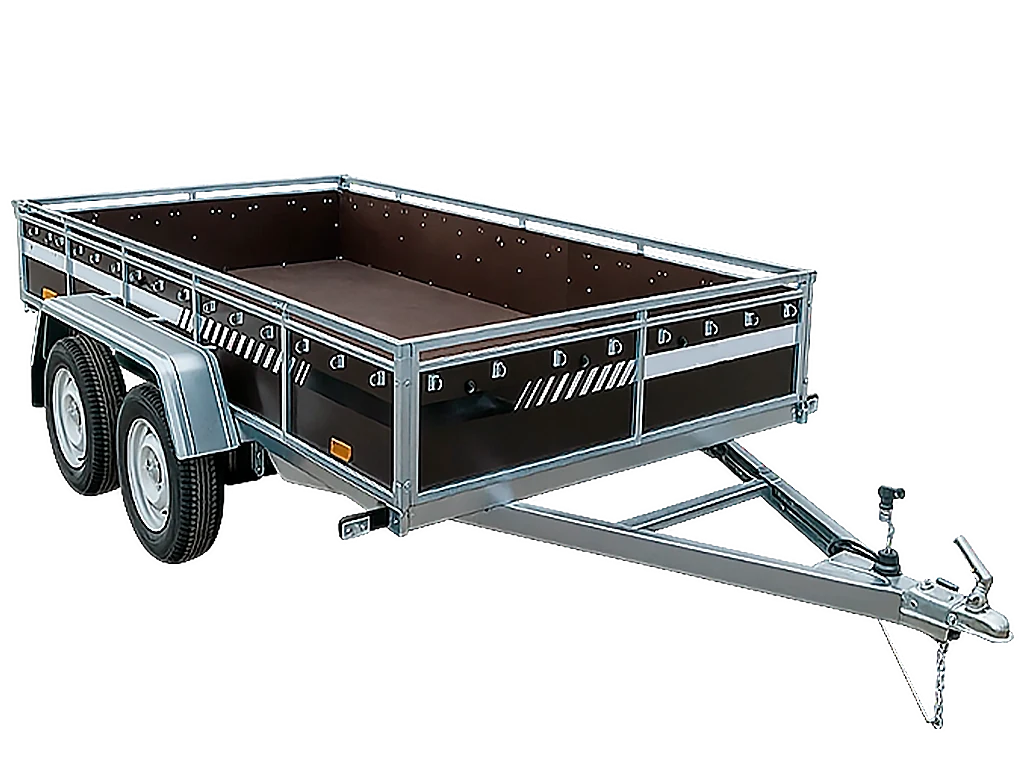
Причіп
-
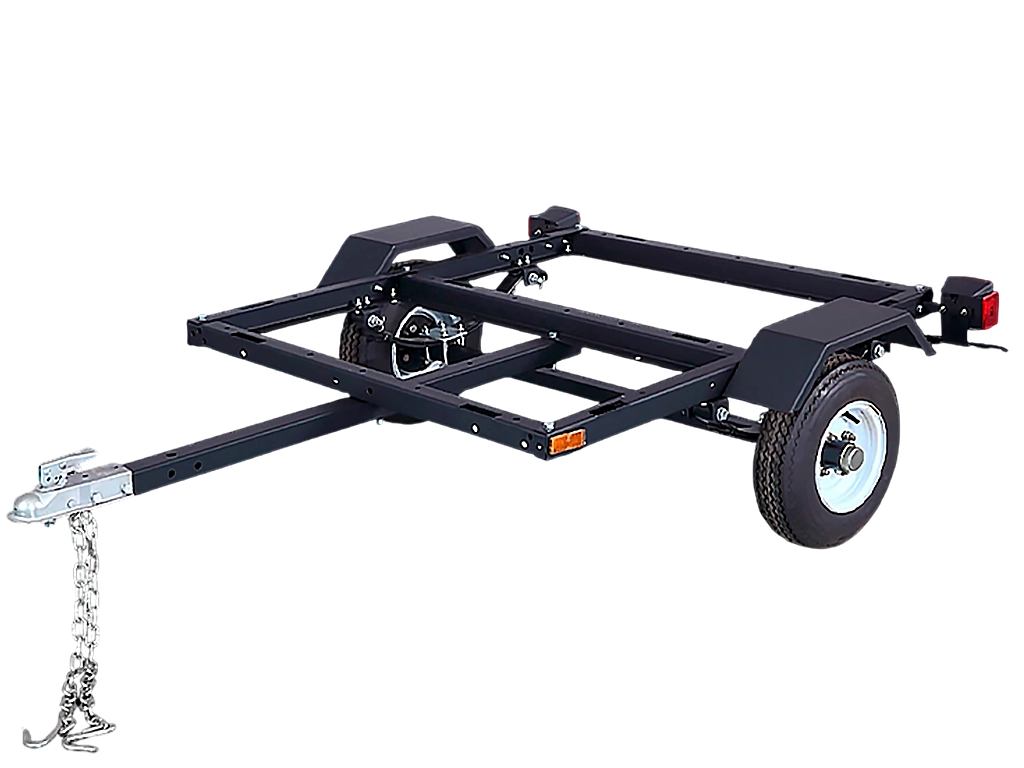
Комплектуючі і запчастини для причепів
-
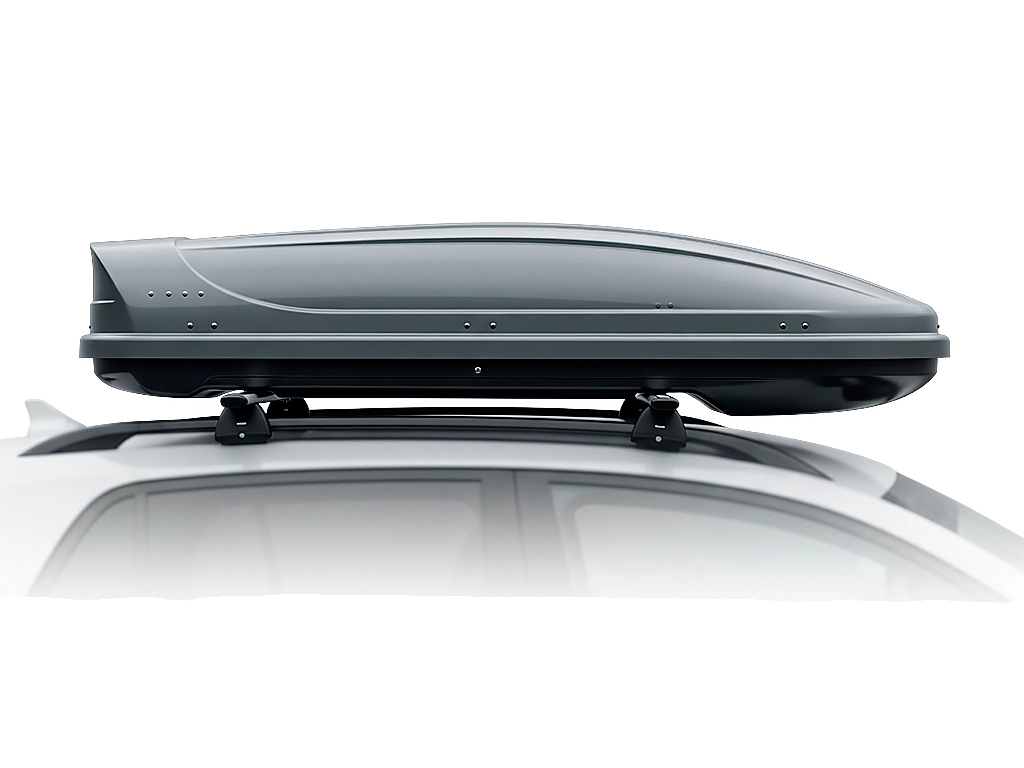
Бокси і кошики на дах
-
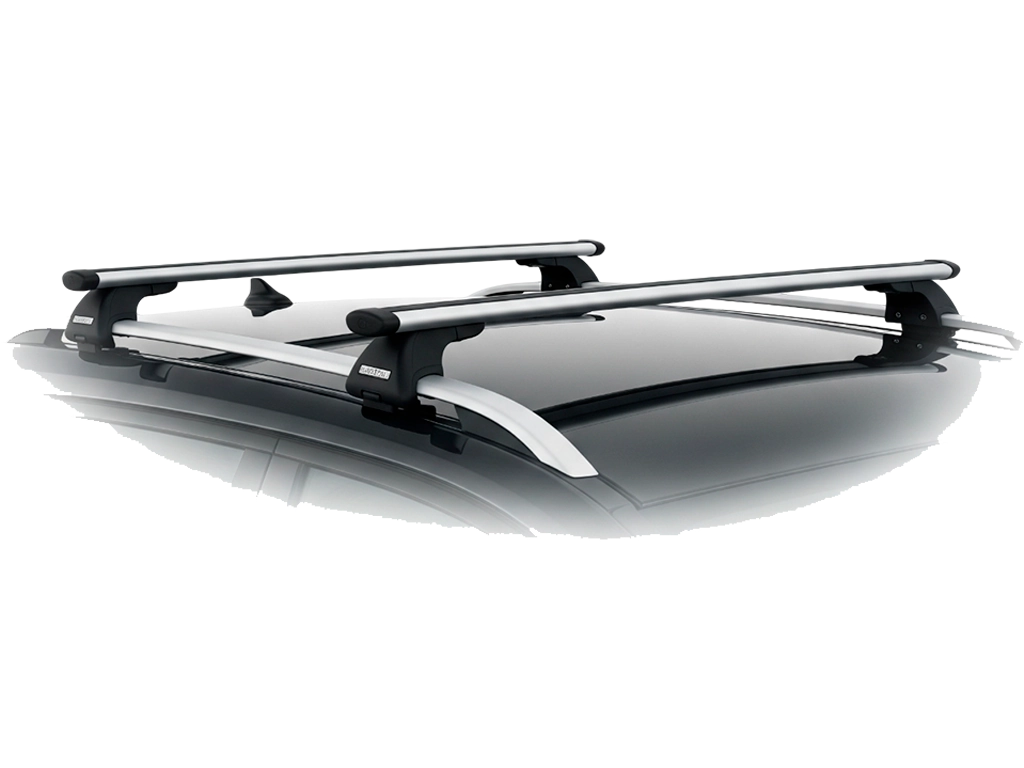
Багажники
-
Шноркеля

-
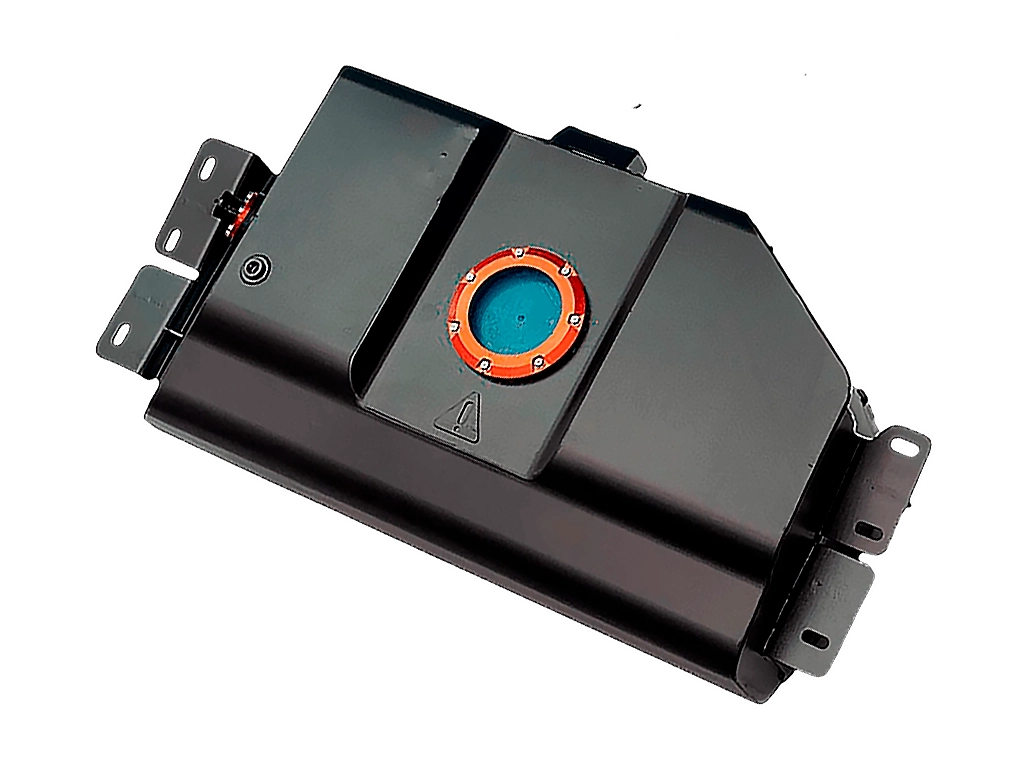
Паливні баки
-
Автонамети

-
Шини для позашляховиків

-
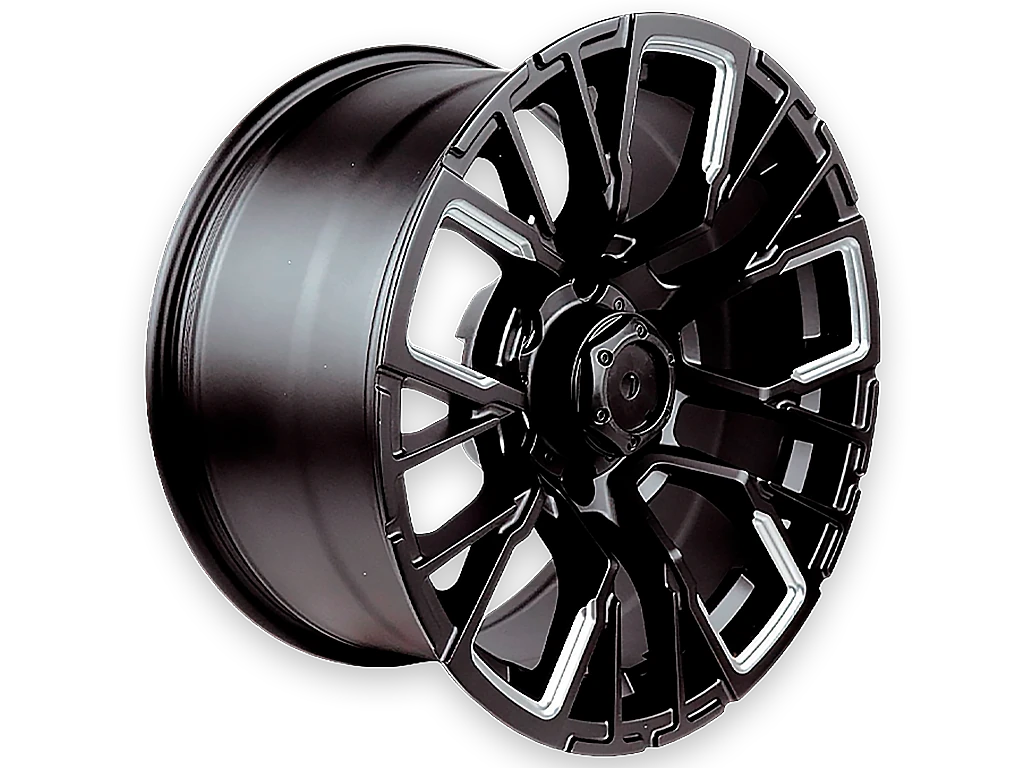
Диски для позашляховиків
-
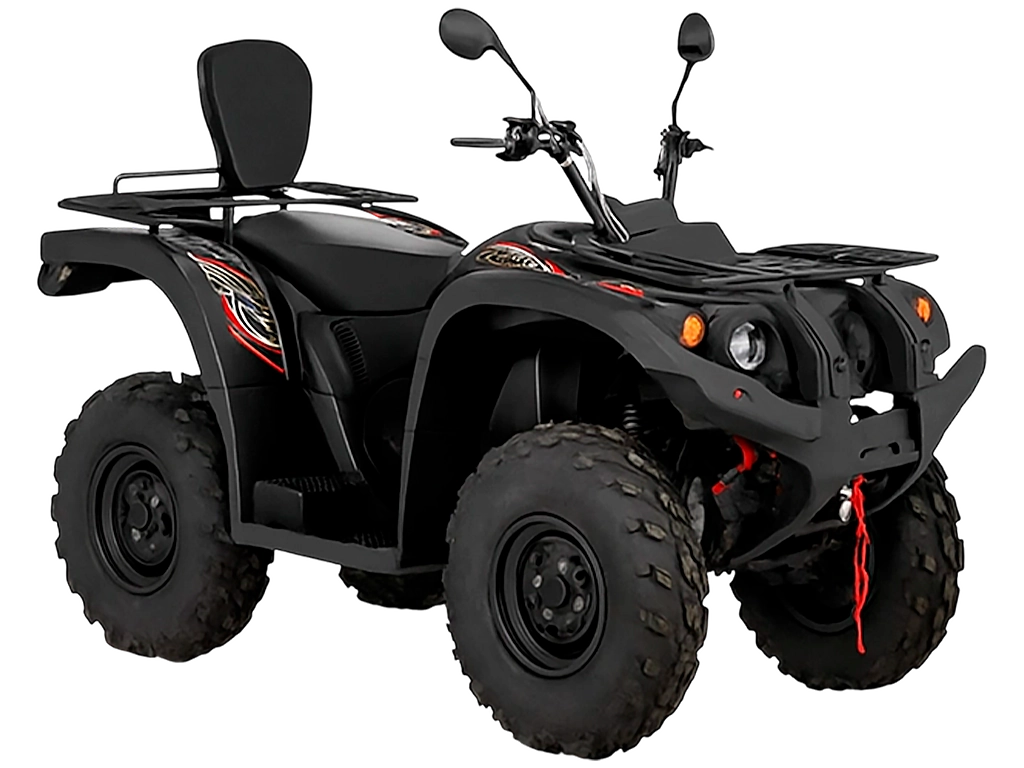
Запчастини для квадроциклів
-
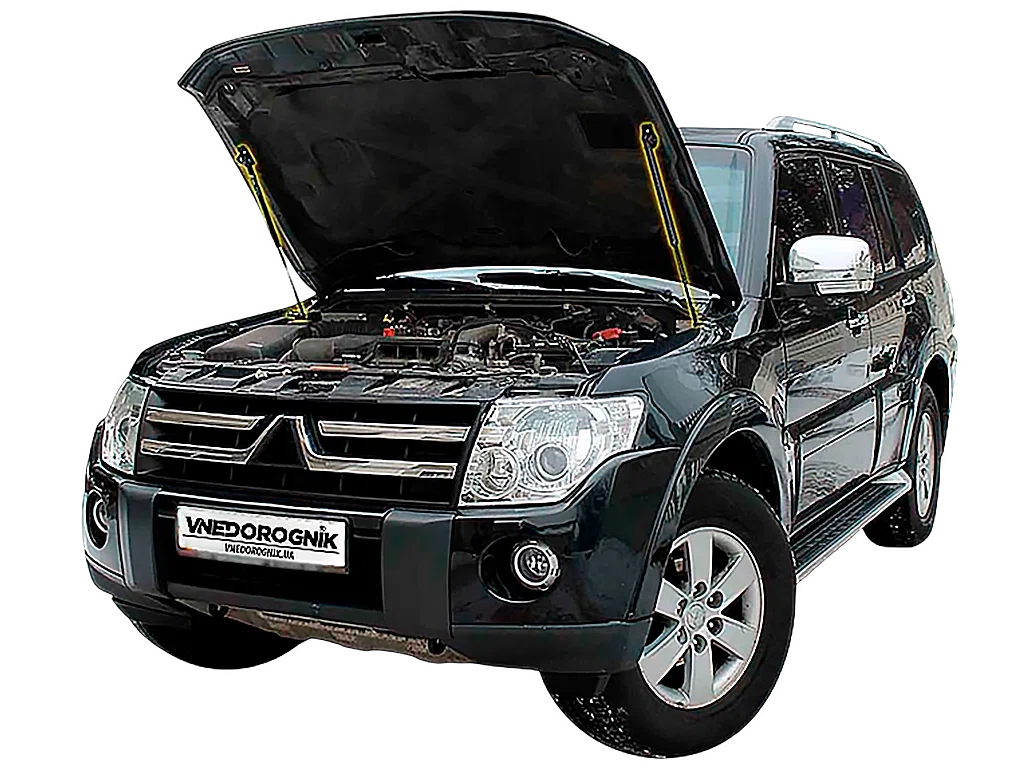
Амортизатор капота
-
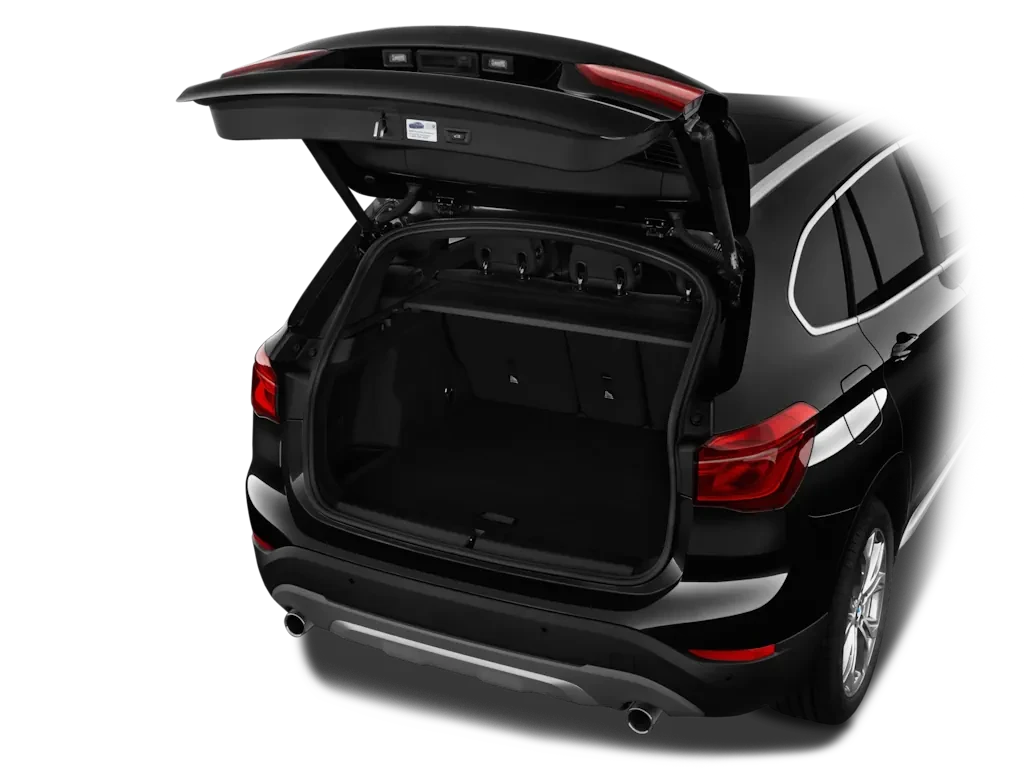
Амортизатори багажника
-
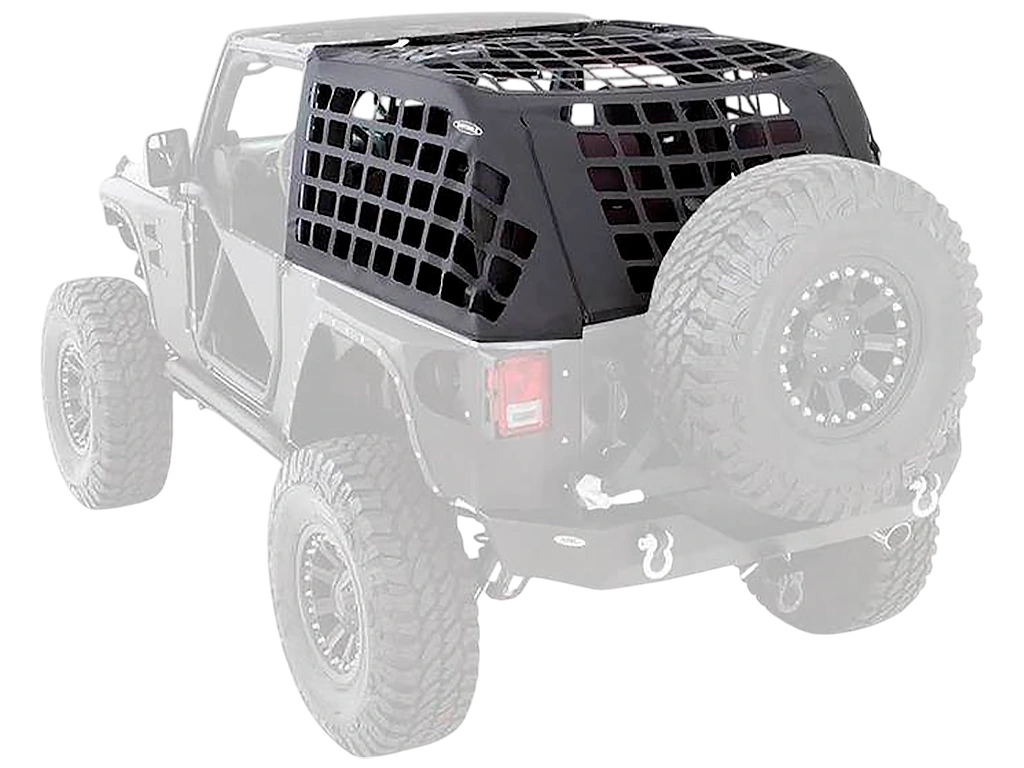
Мякий дах, тенти, стійки
-
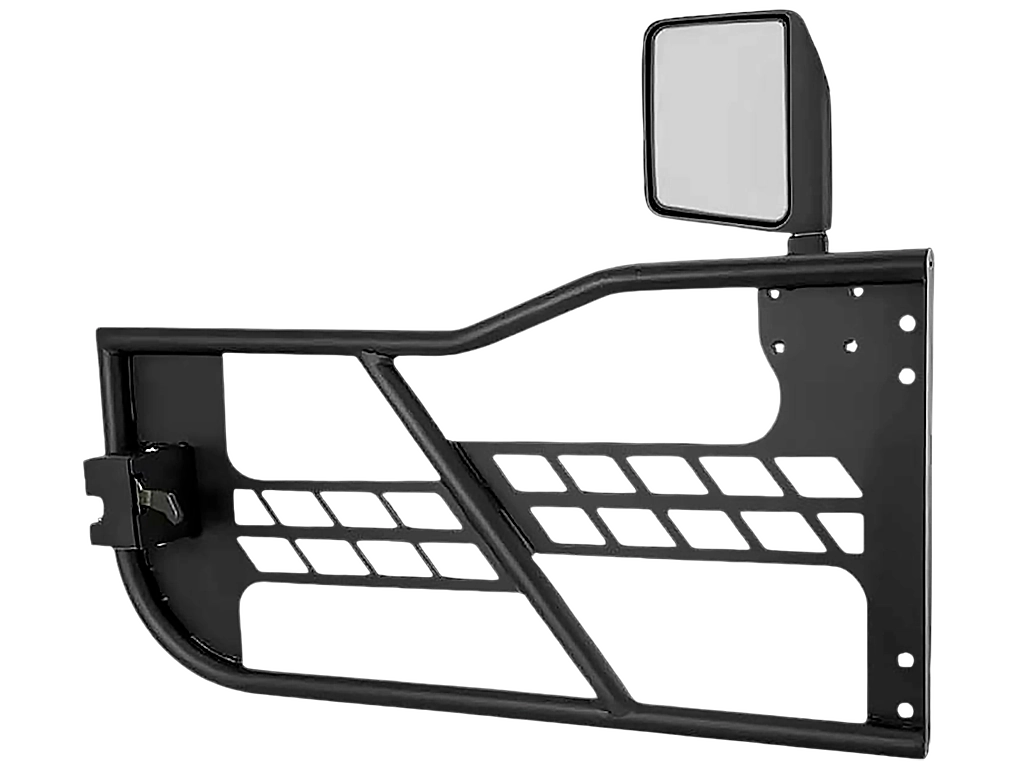
Двері і дзеркала
-
-
Посилені з/ч
-
Підвіска
-
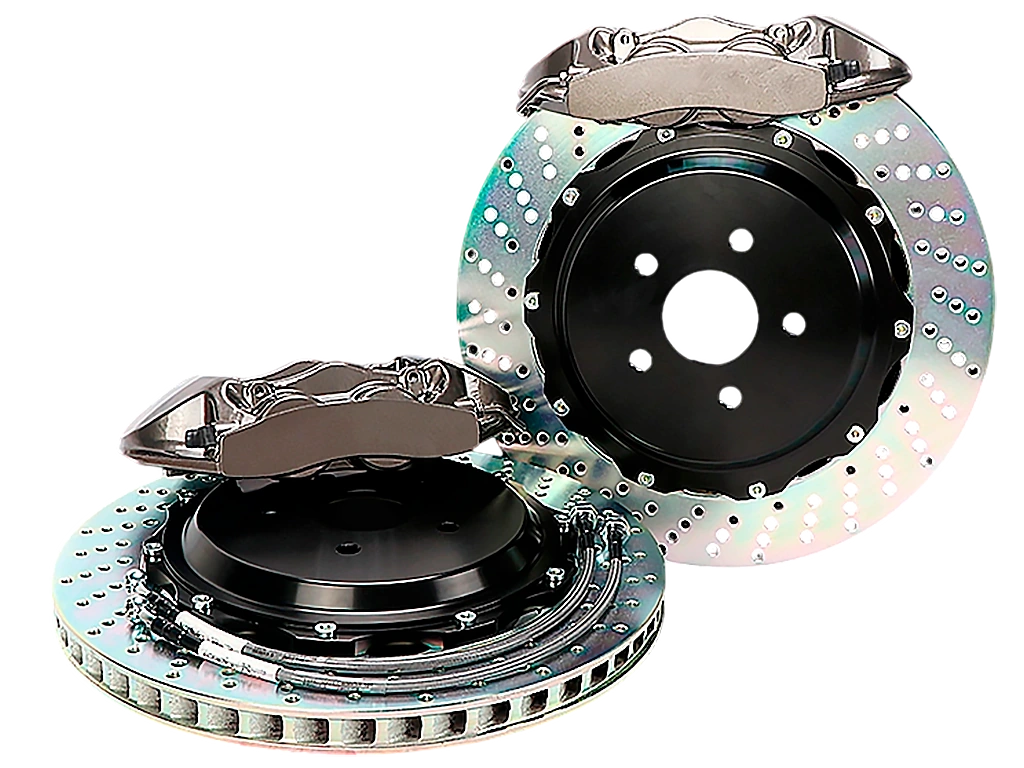
Гальмівні системи
-
Проставка карданного валу

-
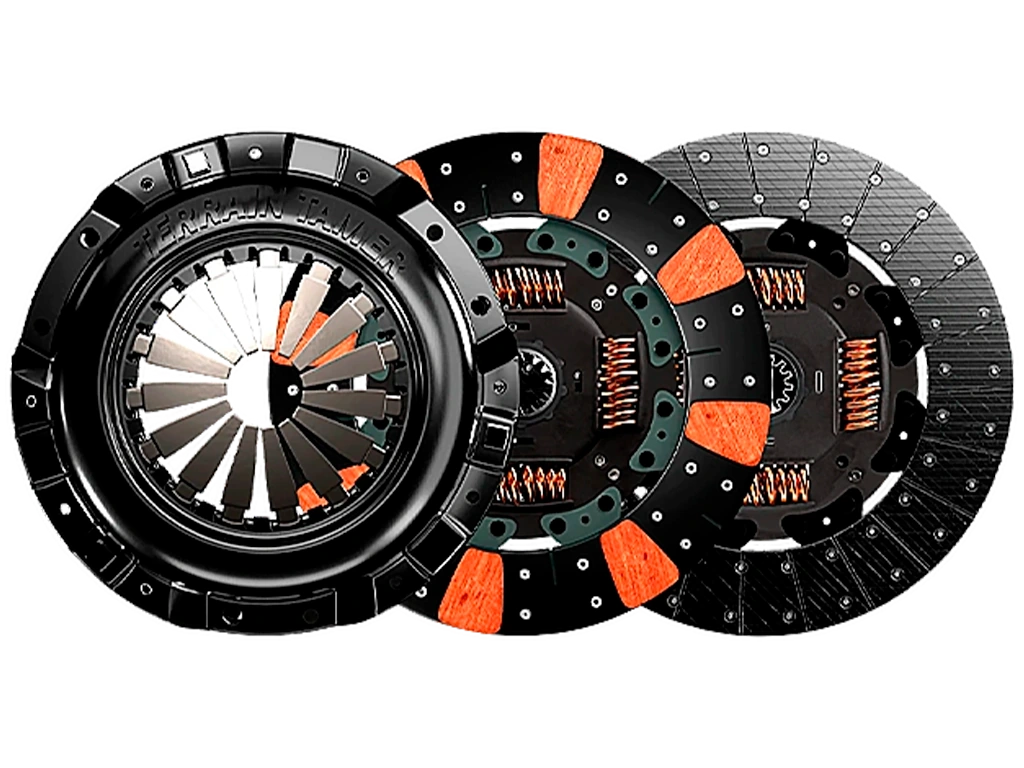
Посилене зчеплення
-
Пневмоподвеска

-
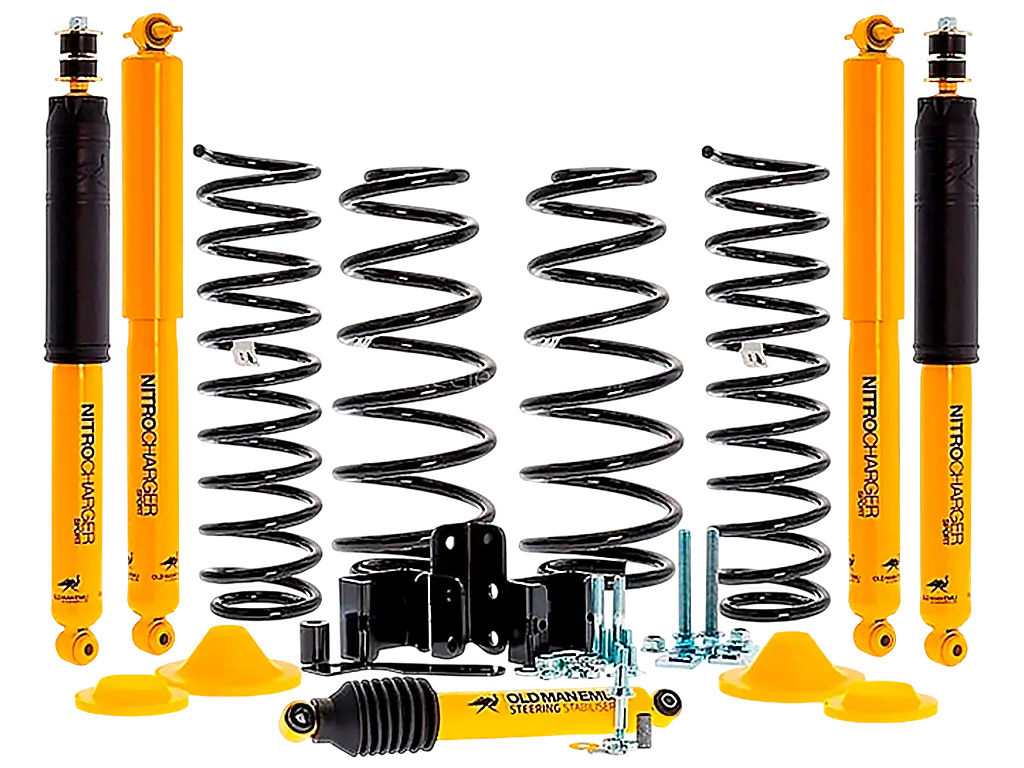
Комплекти підвіски
-
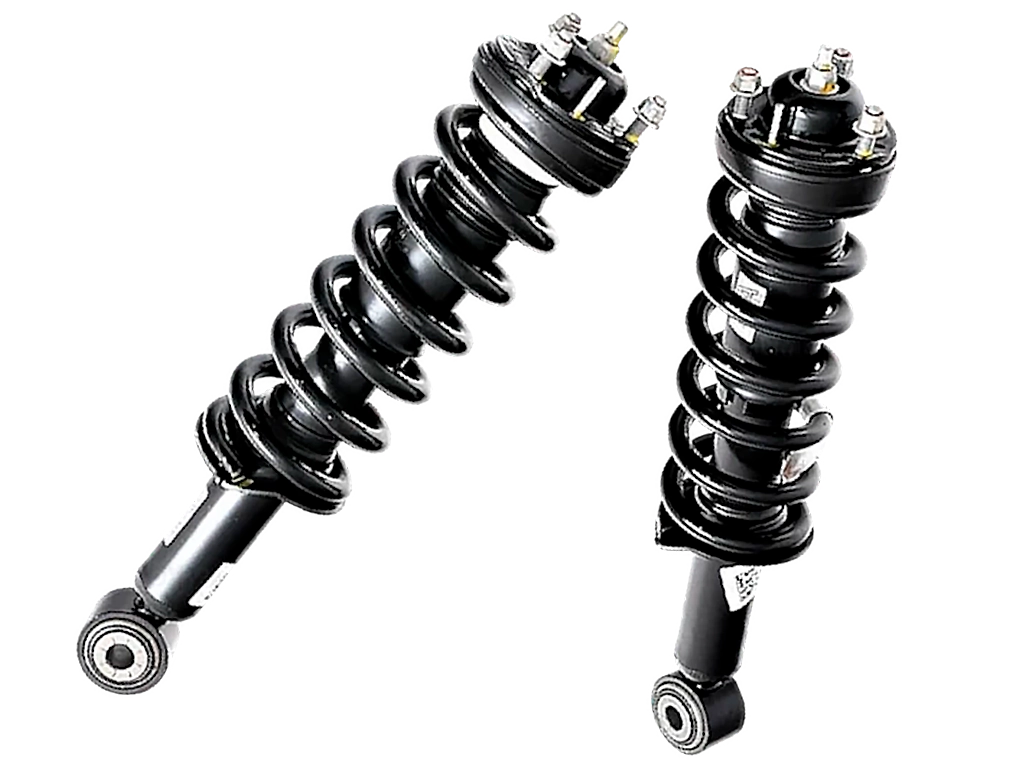
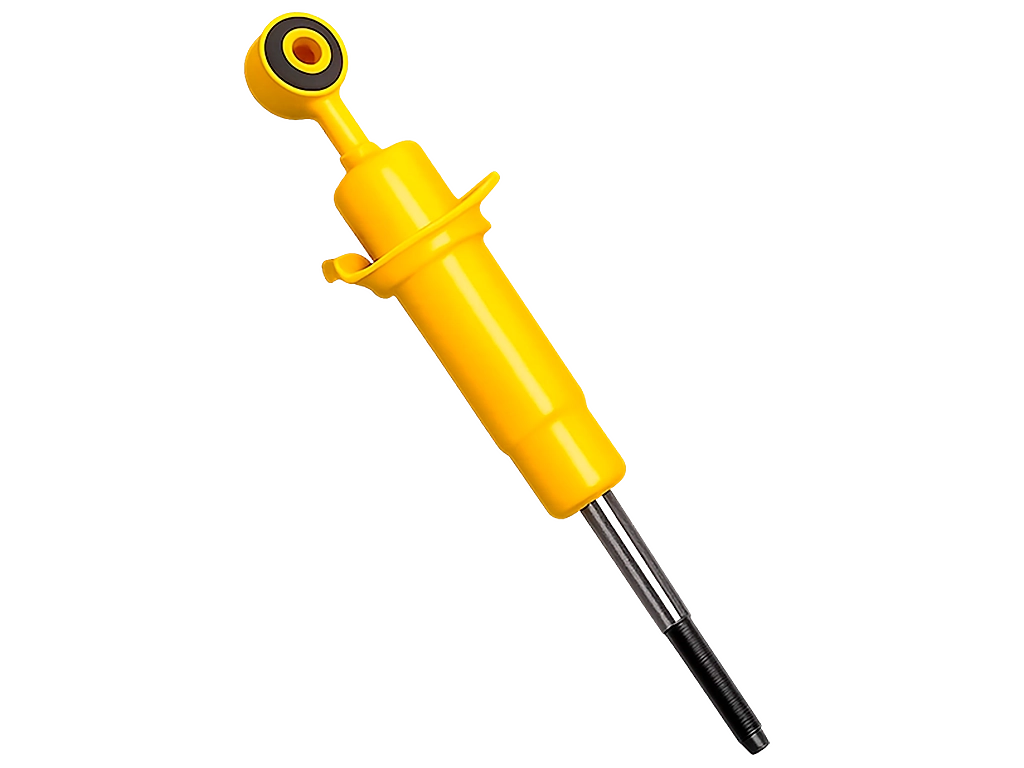
Амортизатори
-
Стійки амортизатора
-
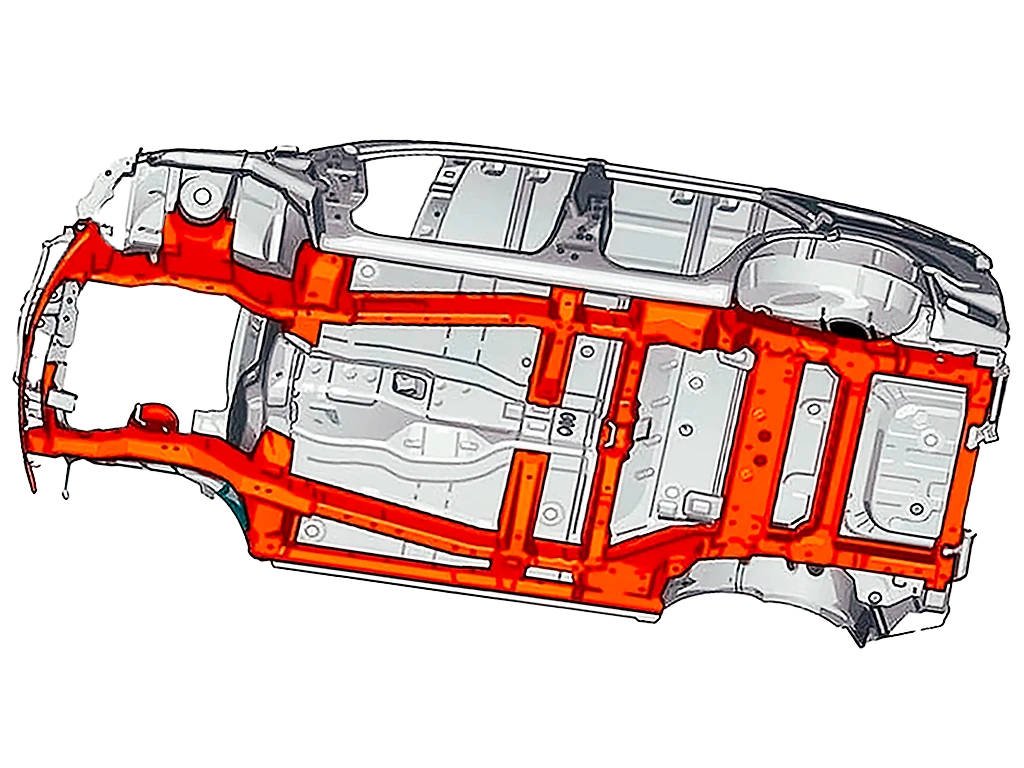
Лонжерони
-
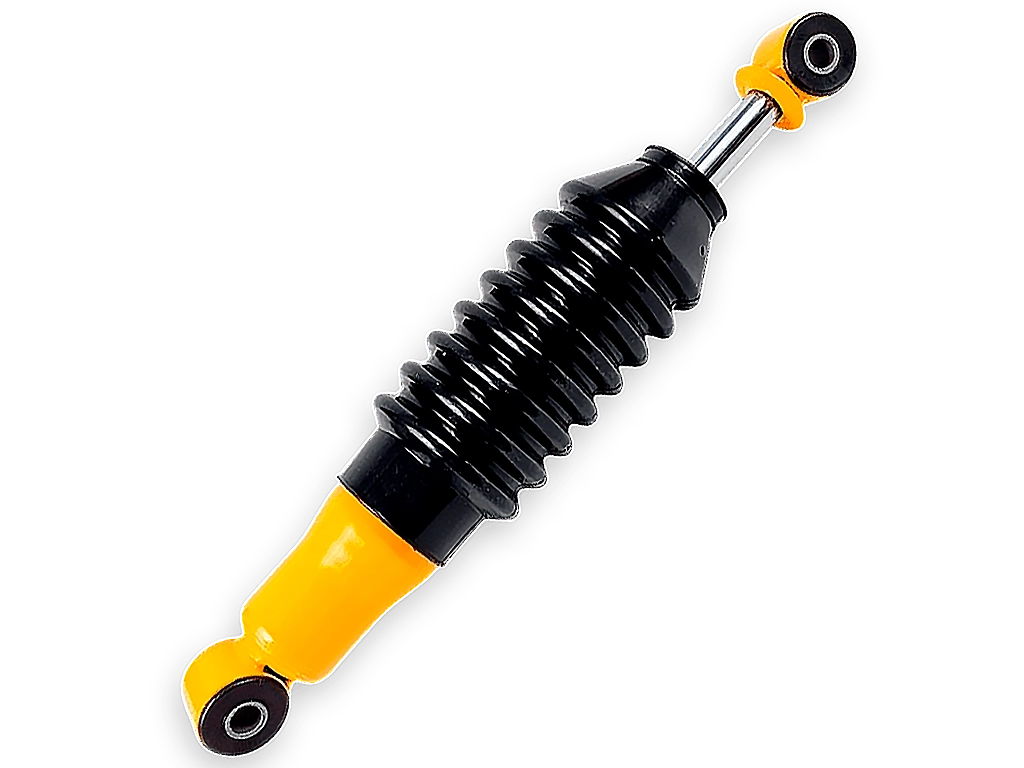
Демпфер
-
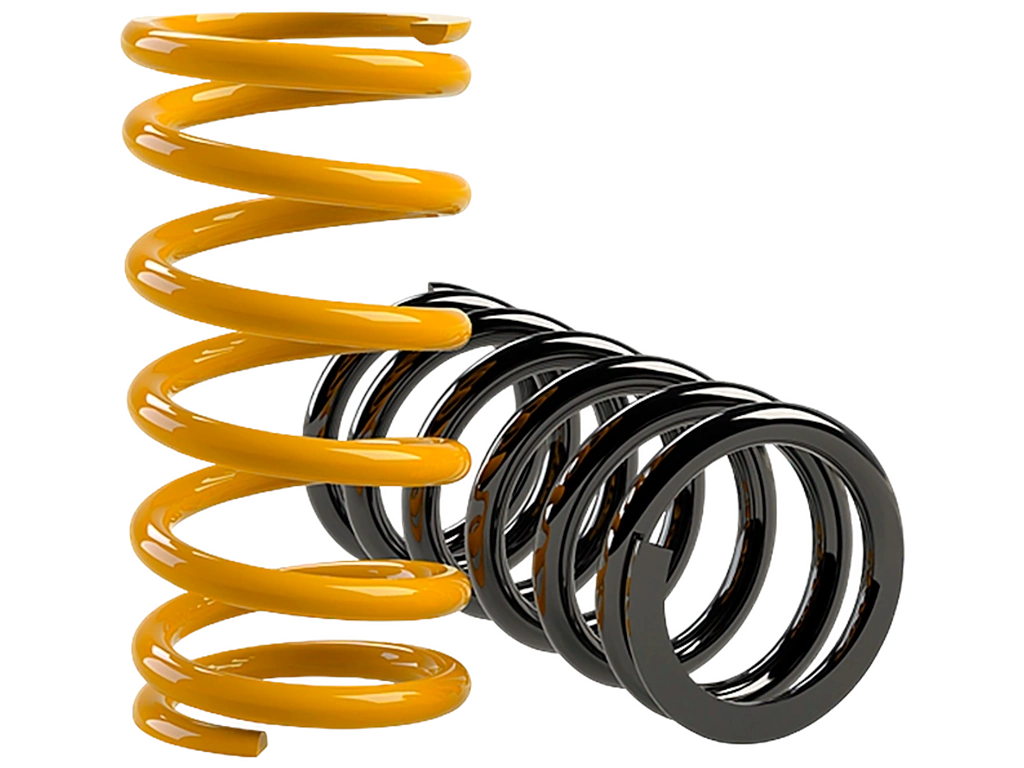
Пружини підвіски
-
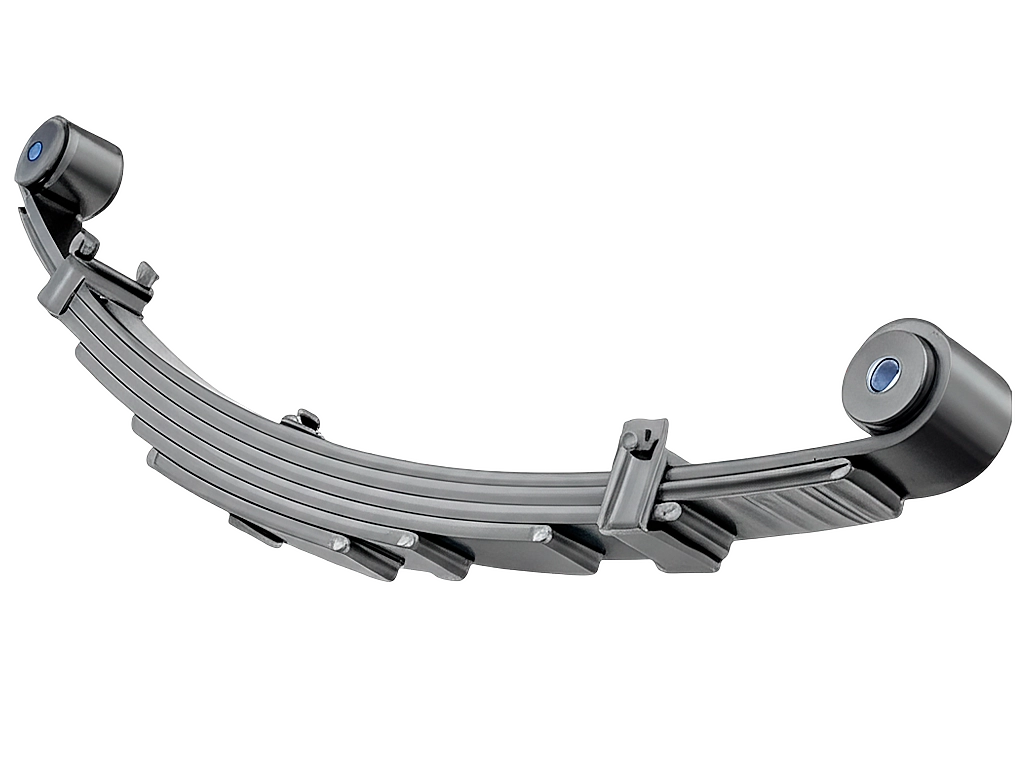
Ресори
-
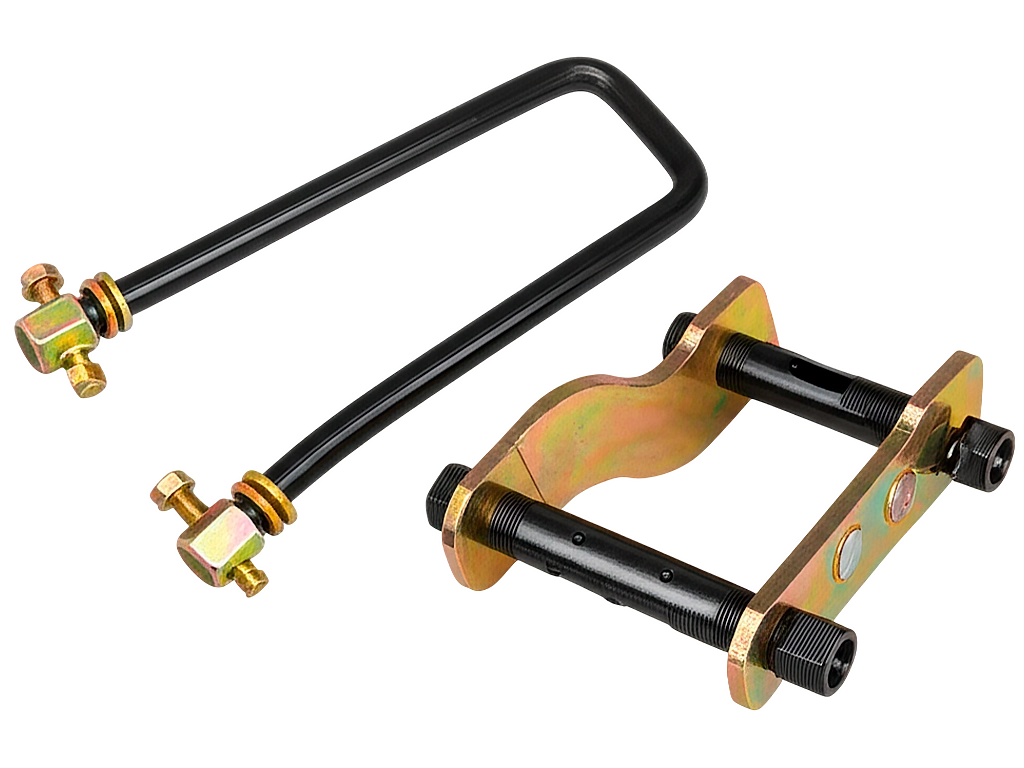
Сережки та кріплення ресор
-
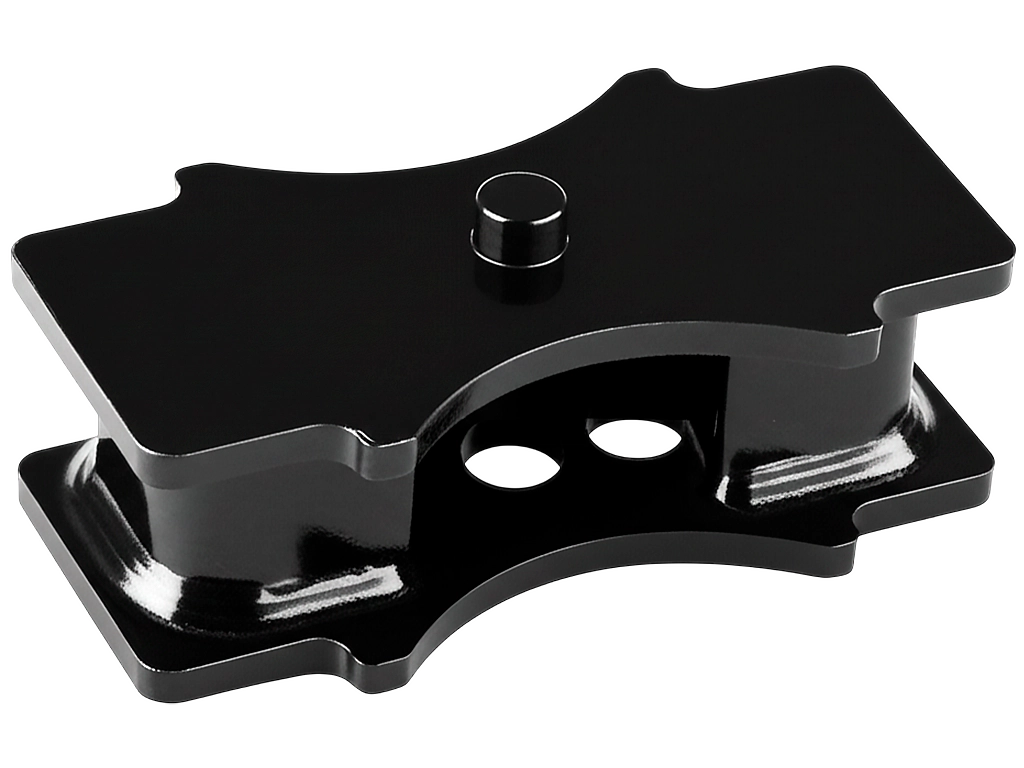
Проставки під ресори
-
Проставки під пружини

-
Сайлентблоки та інше

-
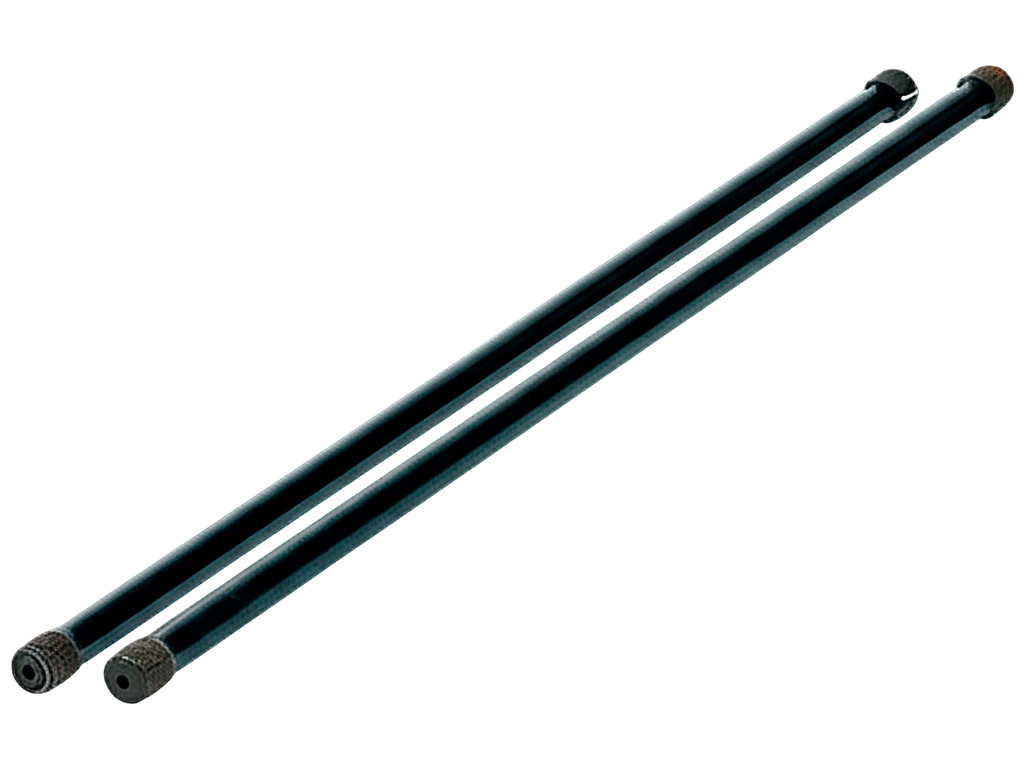
Торсіони
-
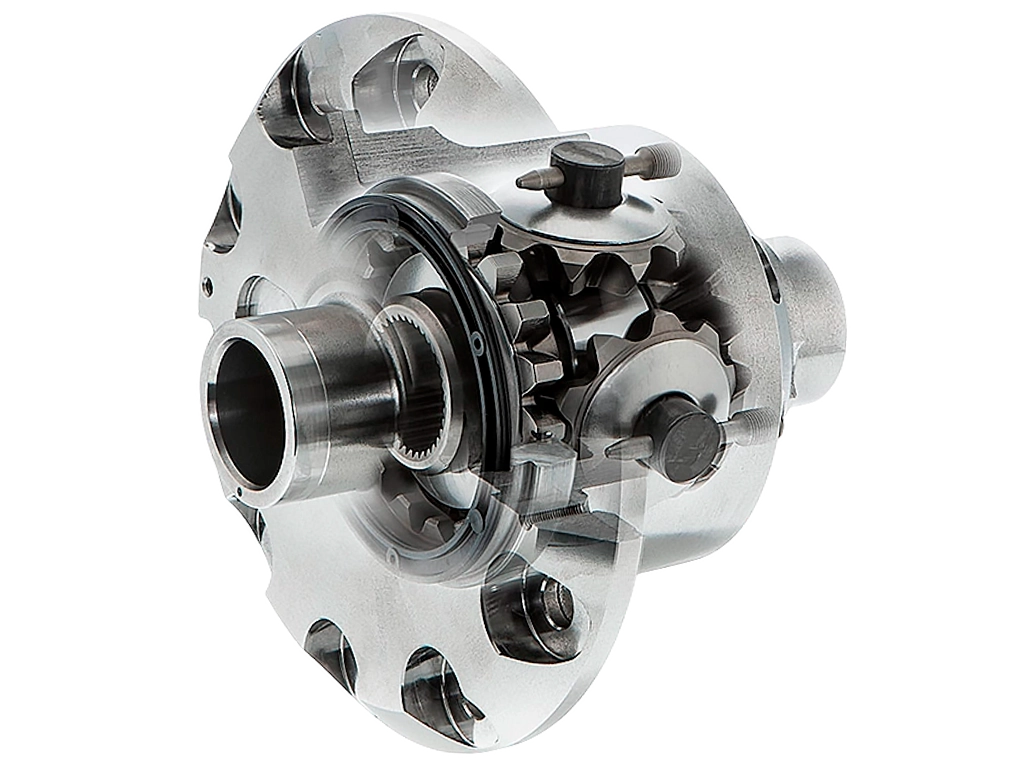
Диференціал
-
Диференціал Красикова (ДАК)
-
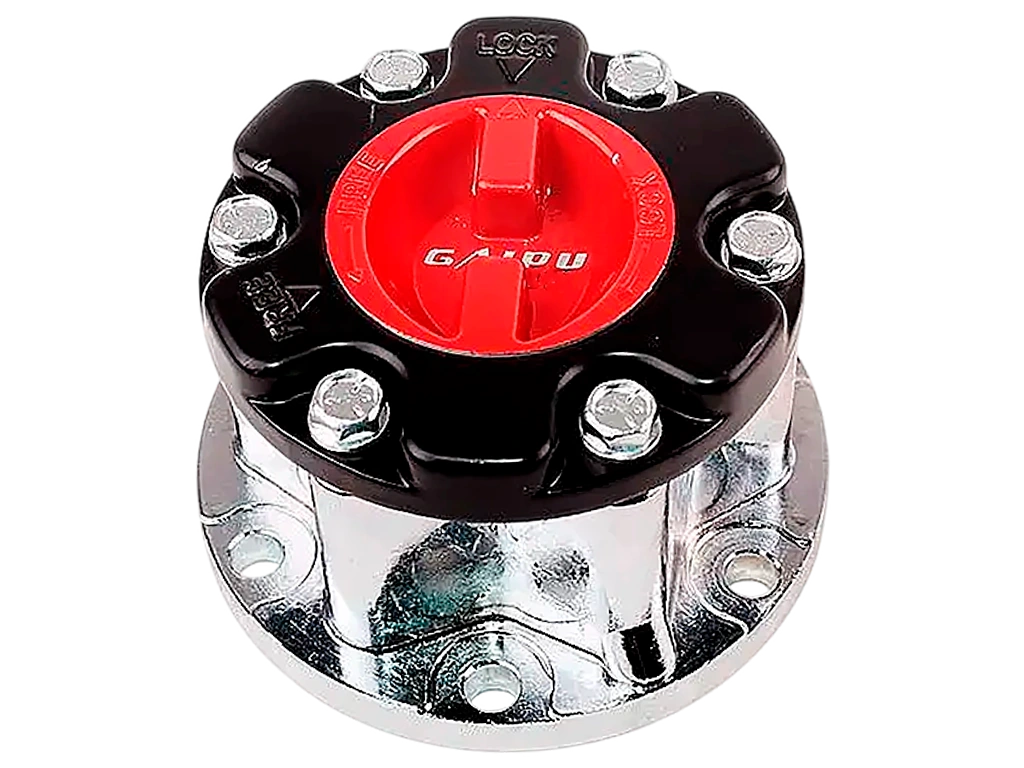
Колісні муфти (Хаби)
-
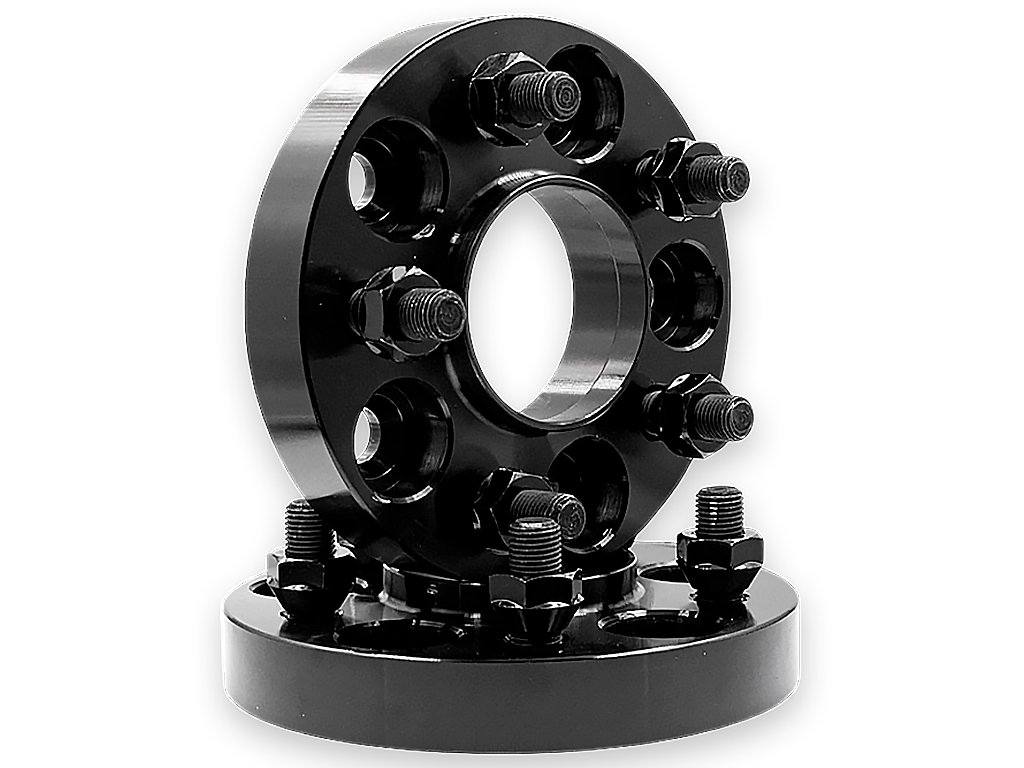
Колісні проставки
-
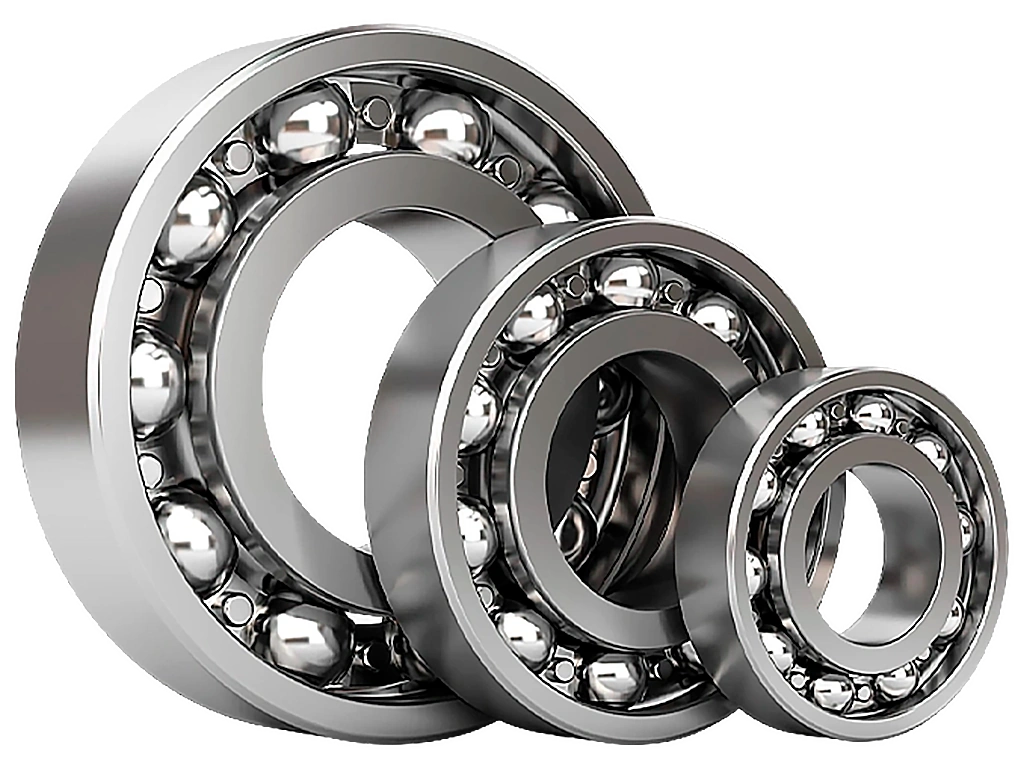
Підшипники для авто
-
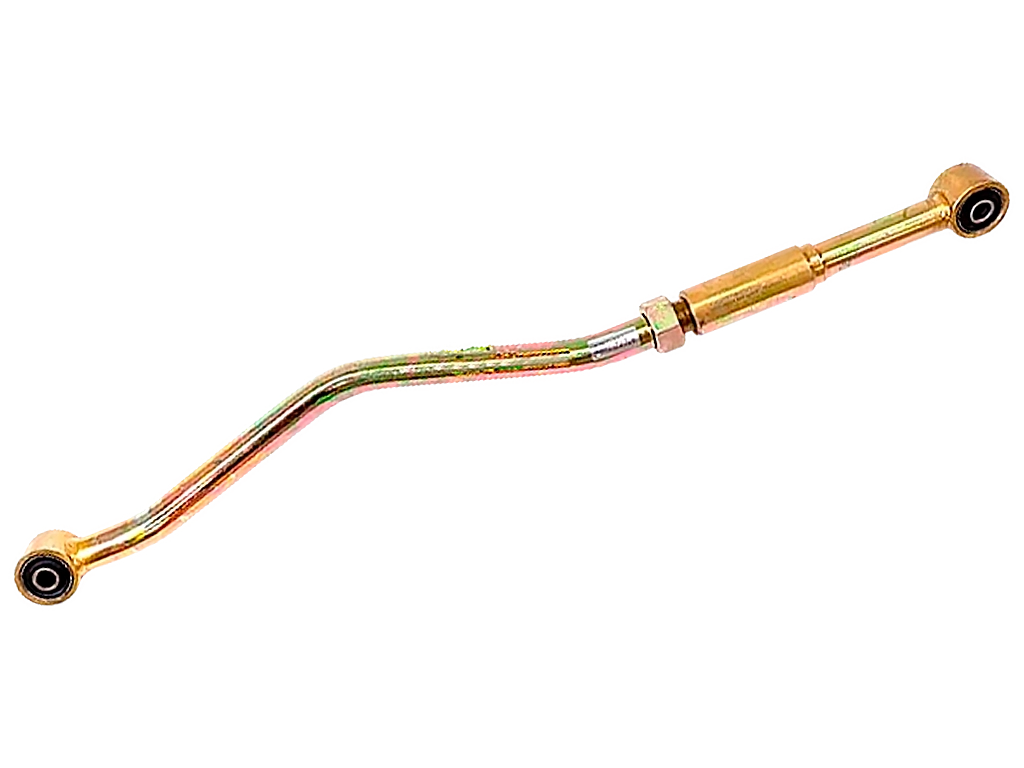
Тяга Панара
-
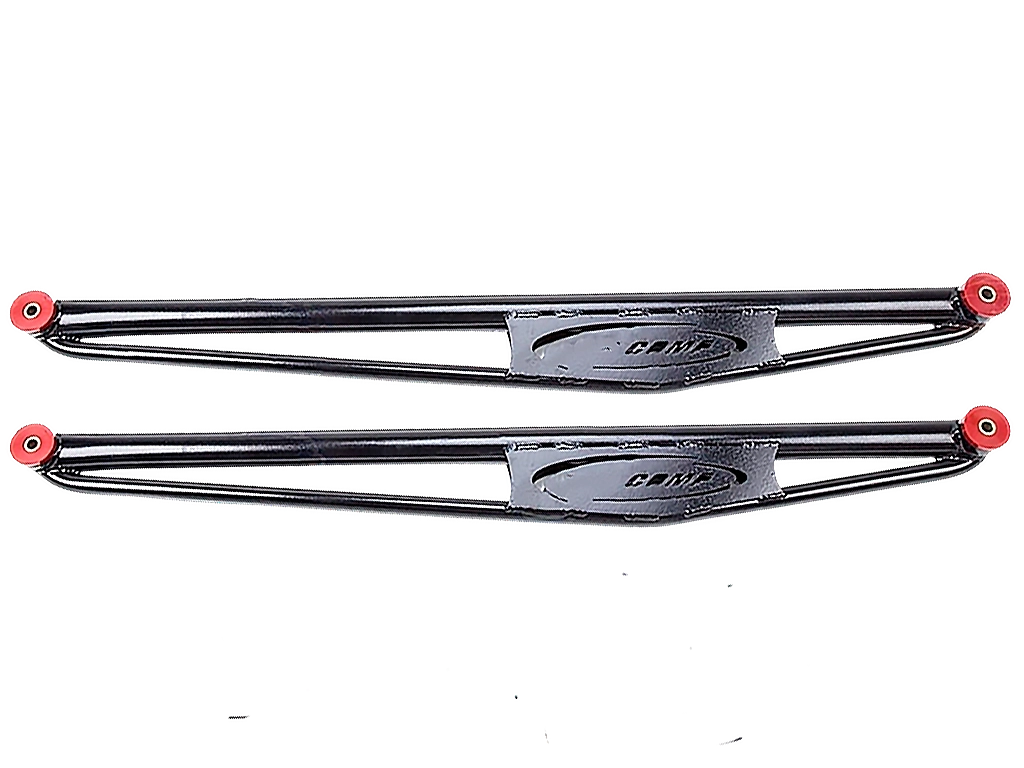
Бокові тяги
-
Рульове управління
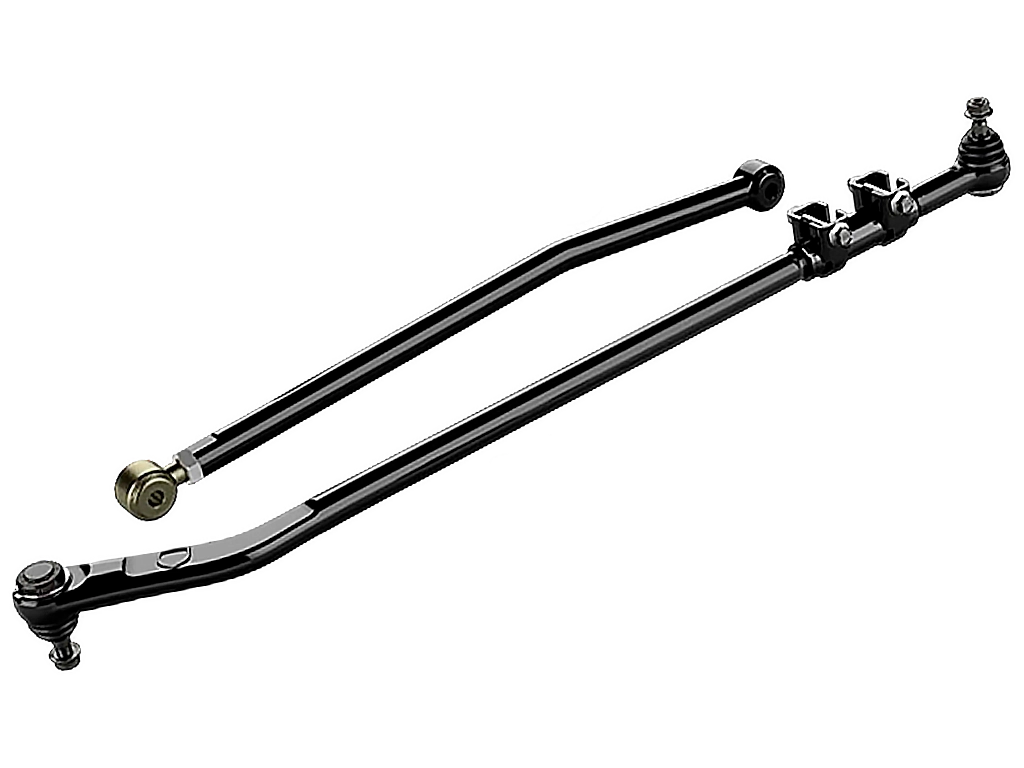
-
Важелі керування
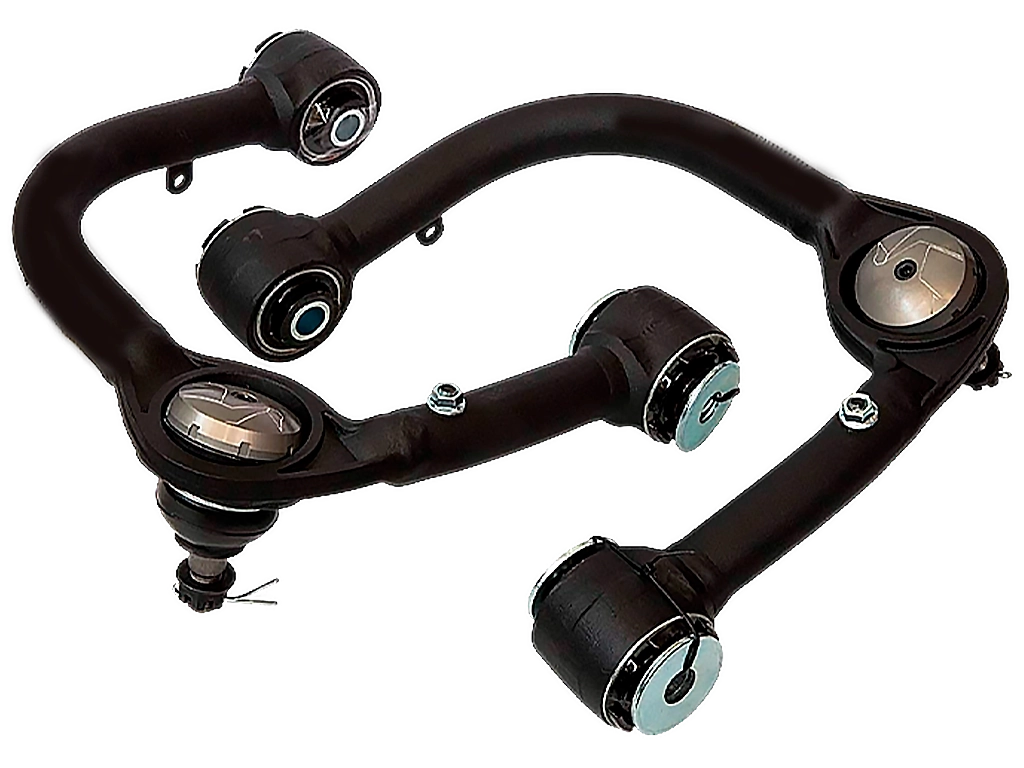
-
Стабілізатори поперечної стійкості / деталі кріплення
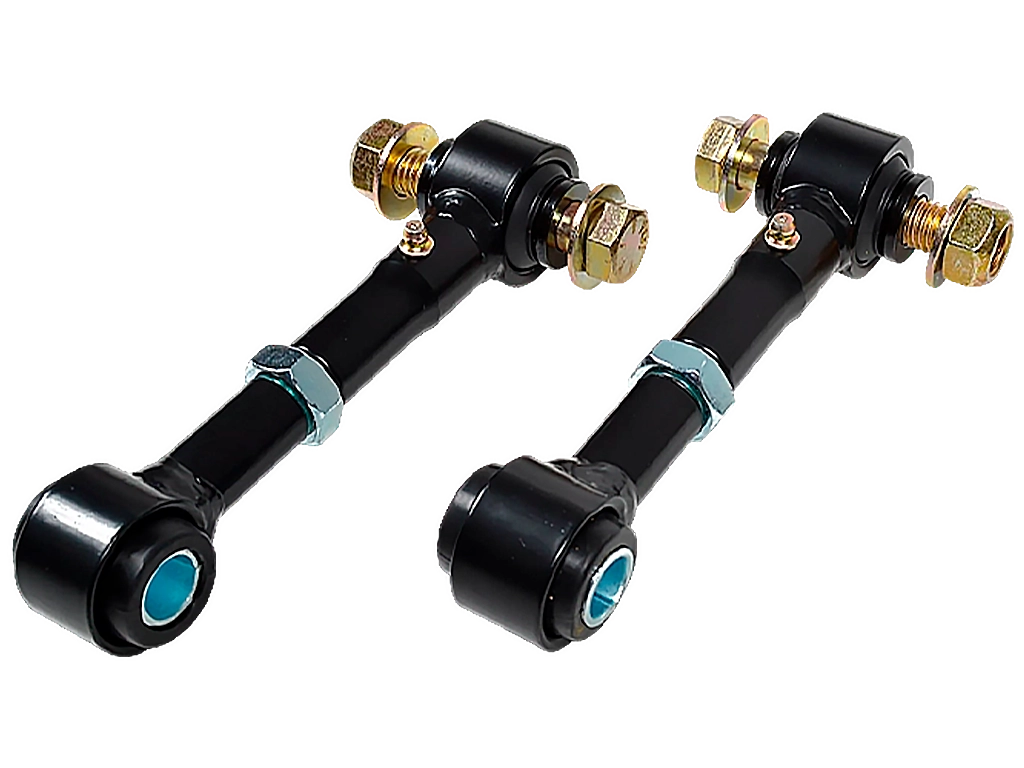
-
Приводні вали
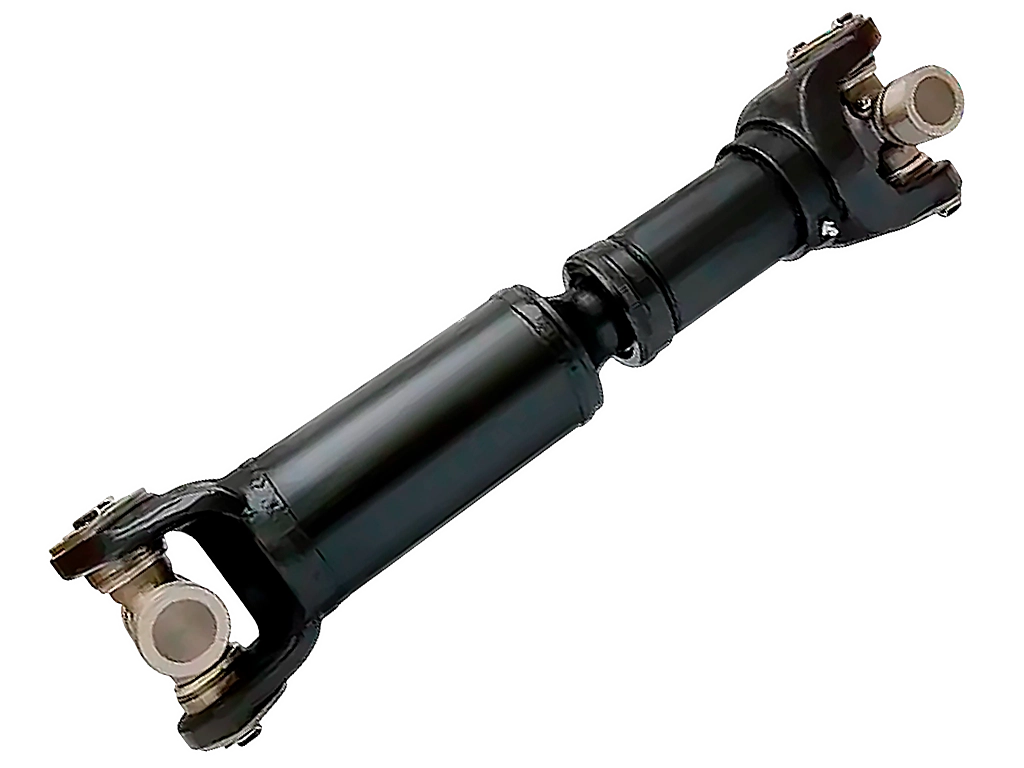
-
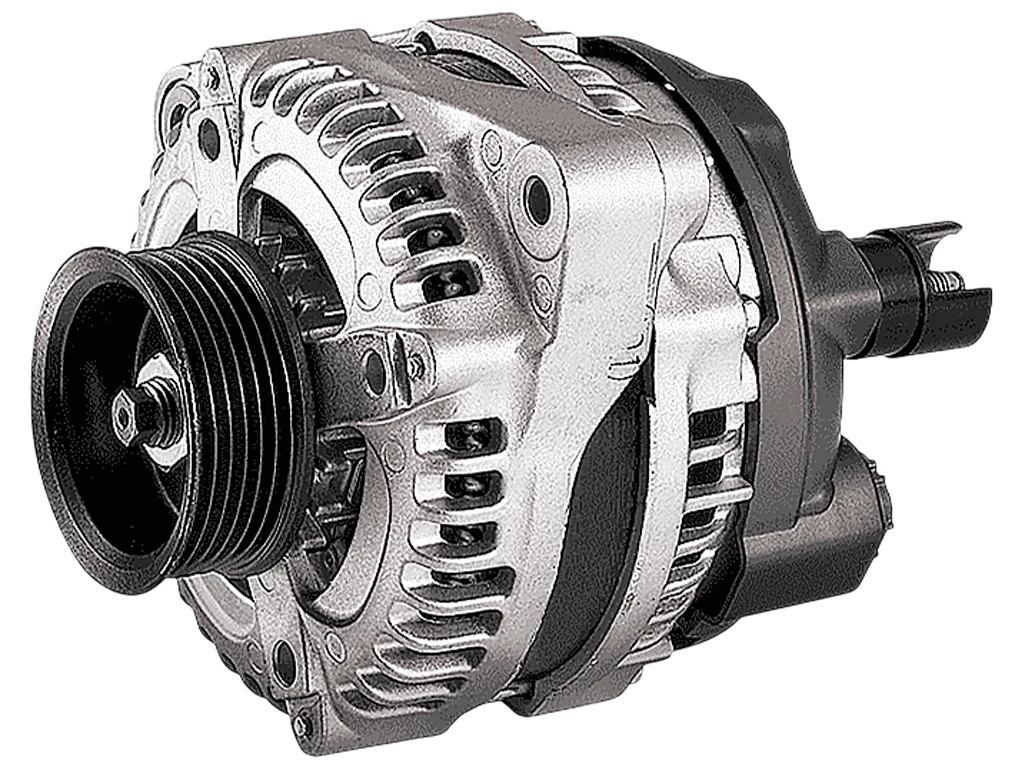
Генератори
-
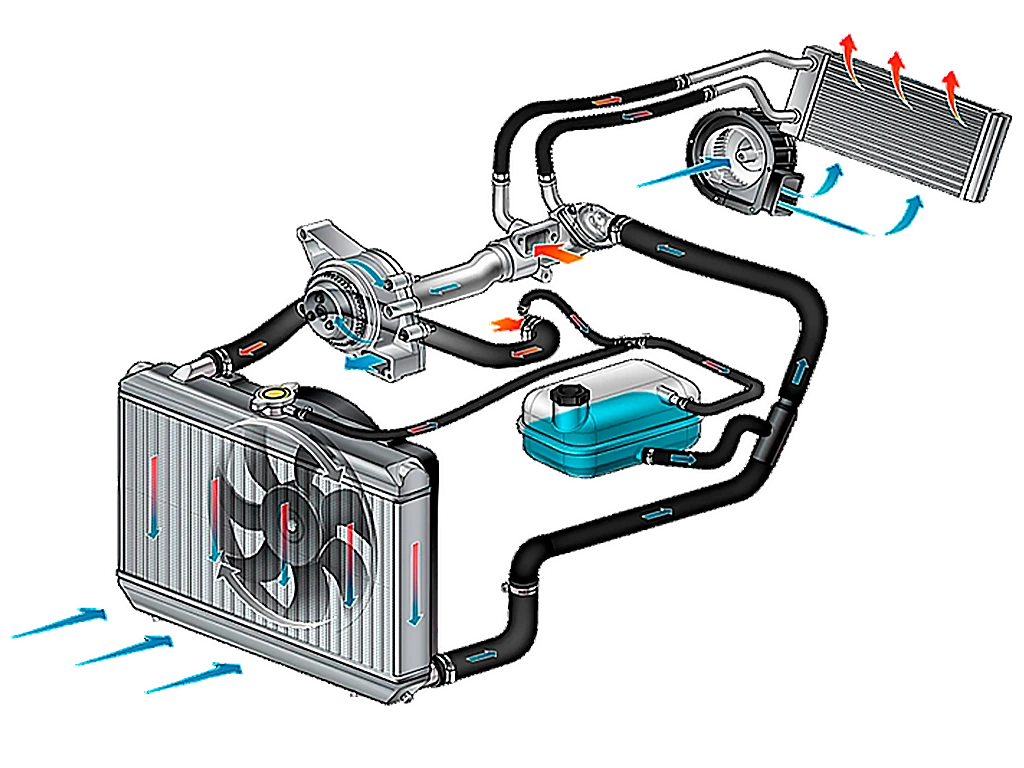
Система охолодження двигуна
-
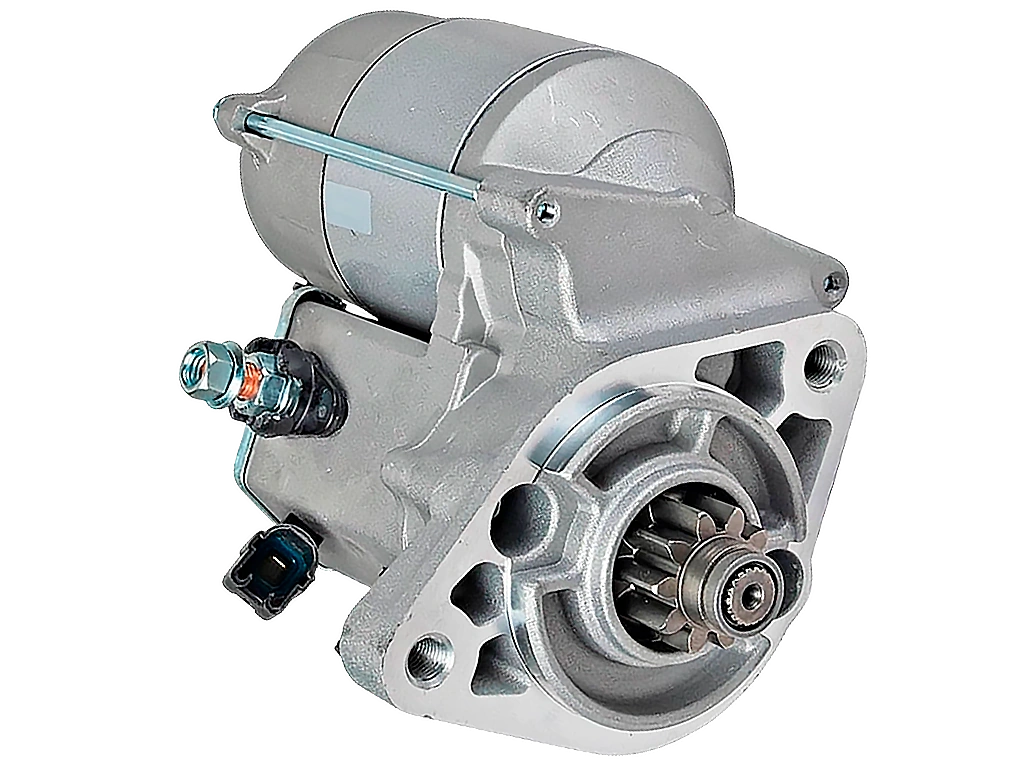
Стартери
-
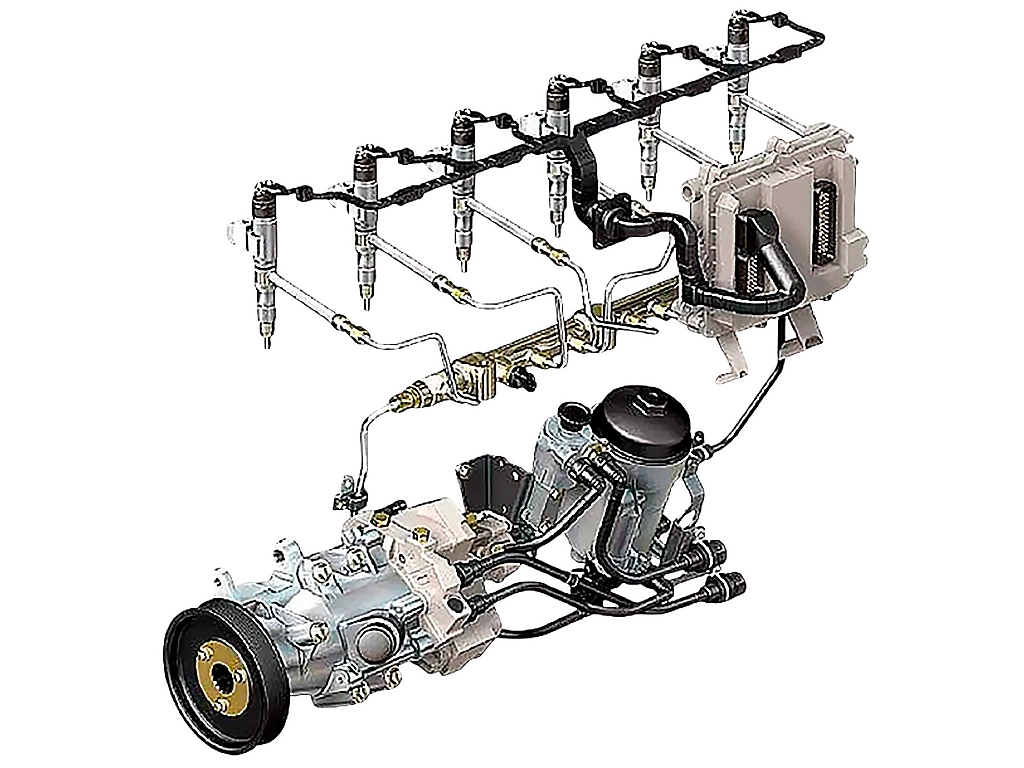
Паливна система
-
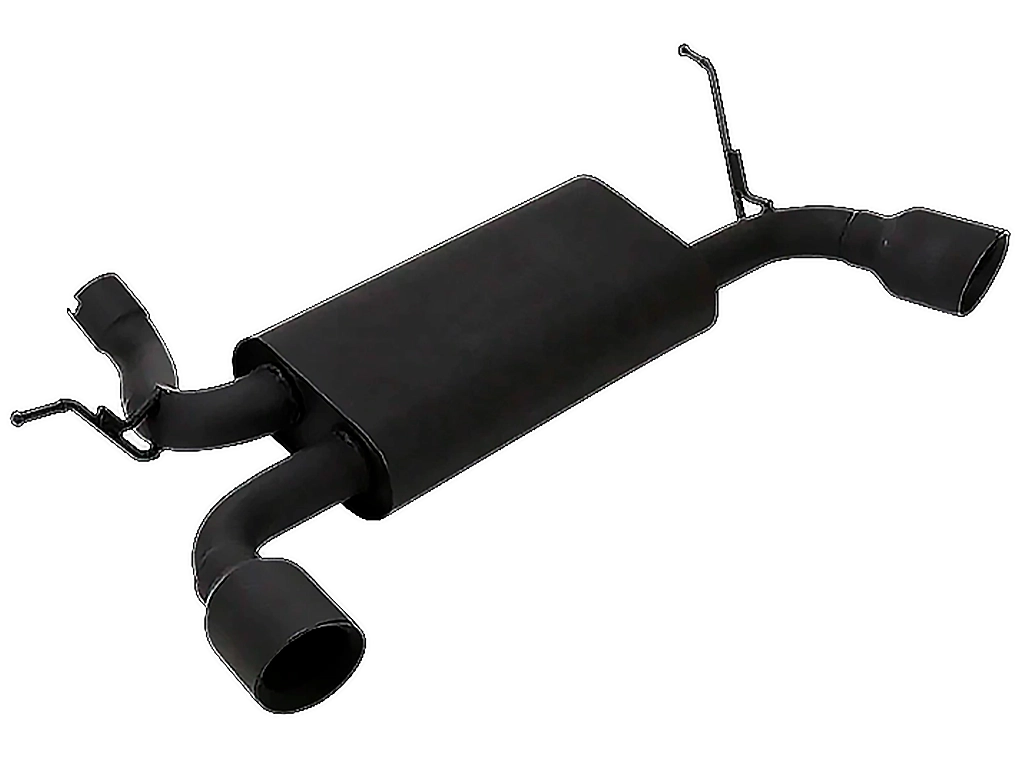
Система впуску й випуску
-
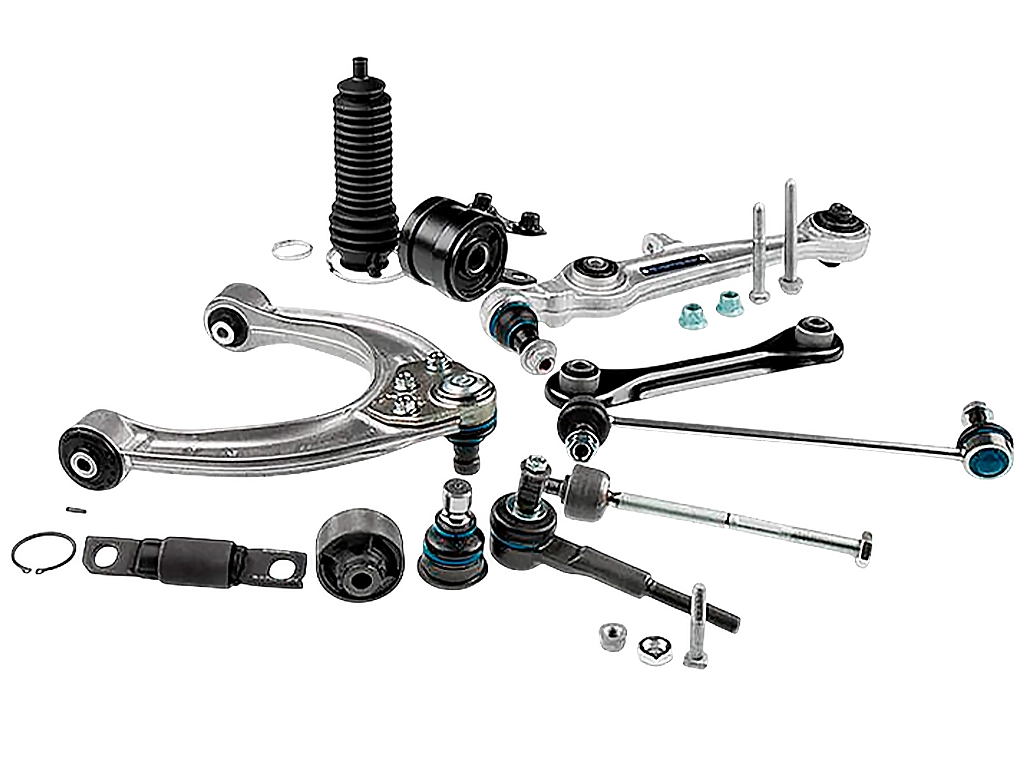
Інші запчастини підвіски
-
- Оптика
- Інтерʼєр
- Аксесуари
-
Електроніка
-
Зарядні станції

-
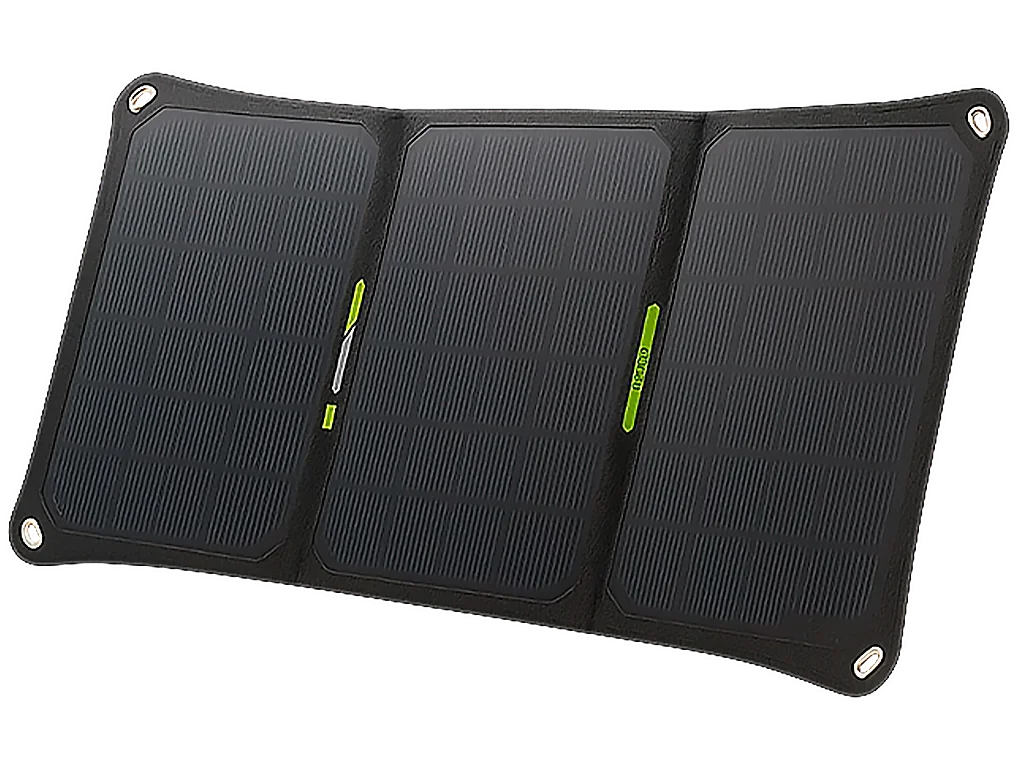
Сонячні панелі
-
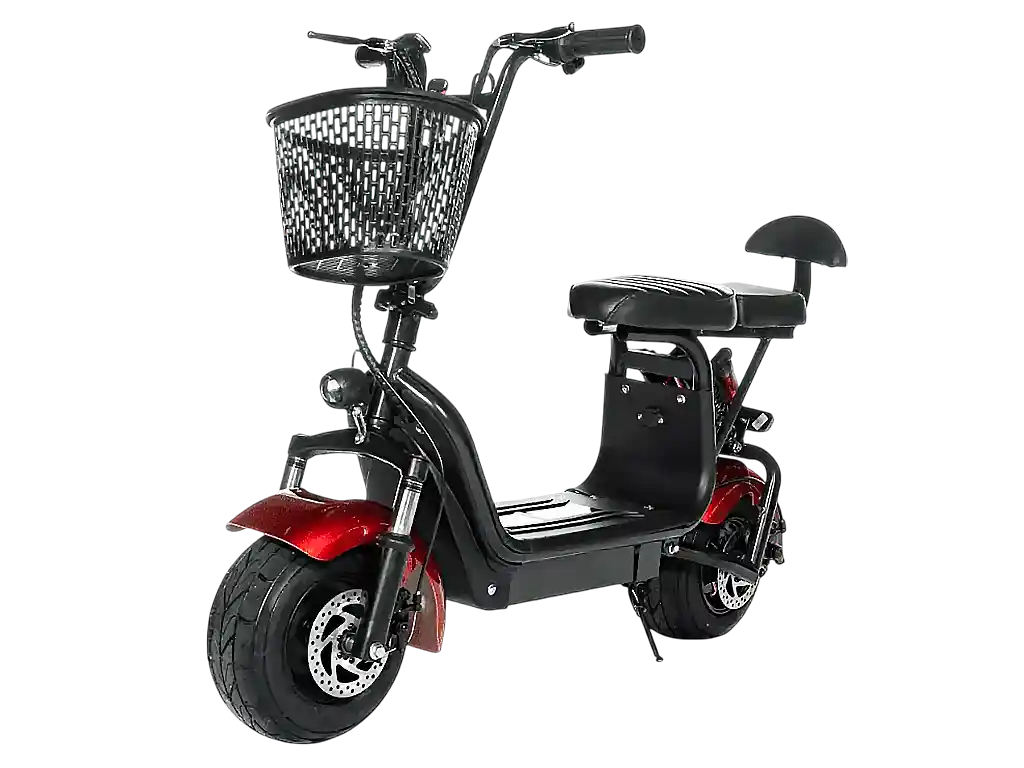
Електричні види транспорту
-
Камери заднього виду

-
AJAX

-
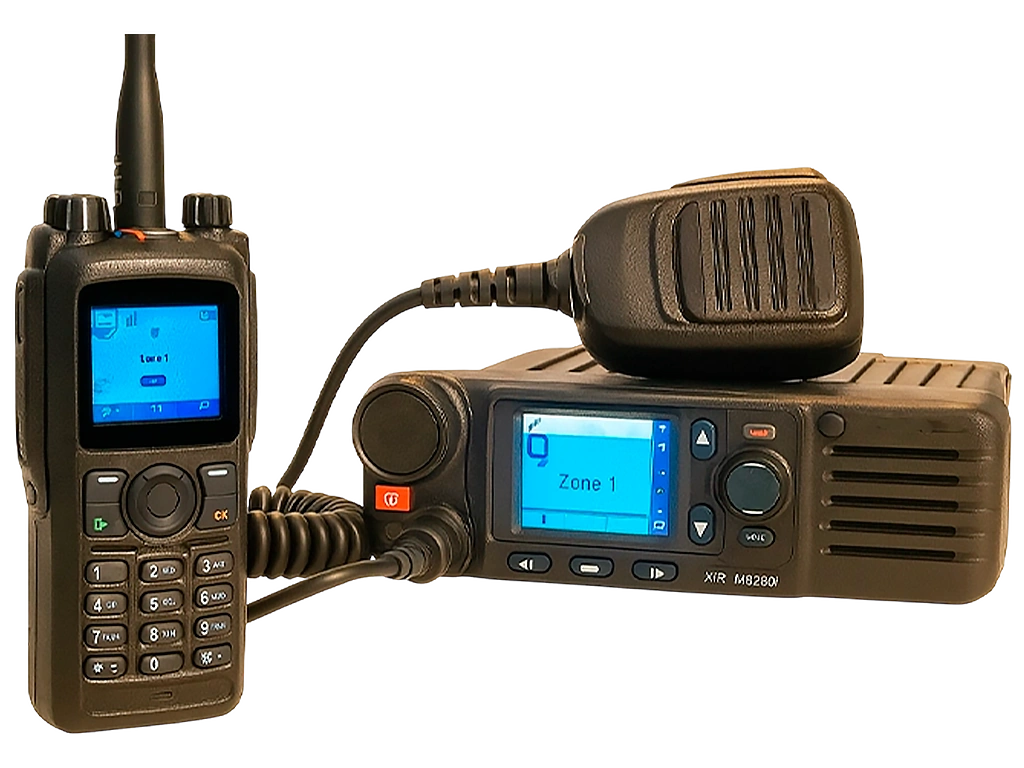
Рації та радіостанції
-
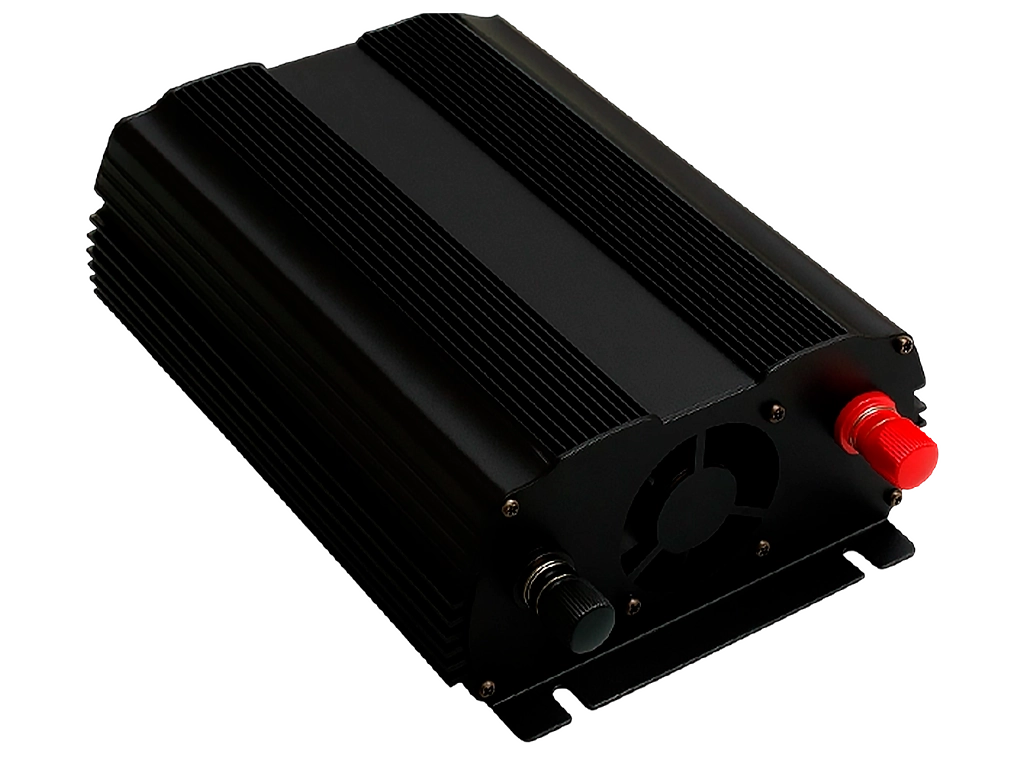
Інвертор автомобільний (перетворювач)
-
Повербанк (Power Bank)

-
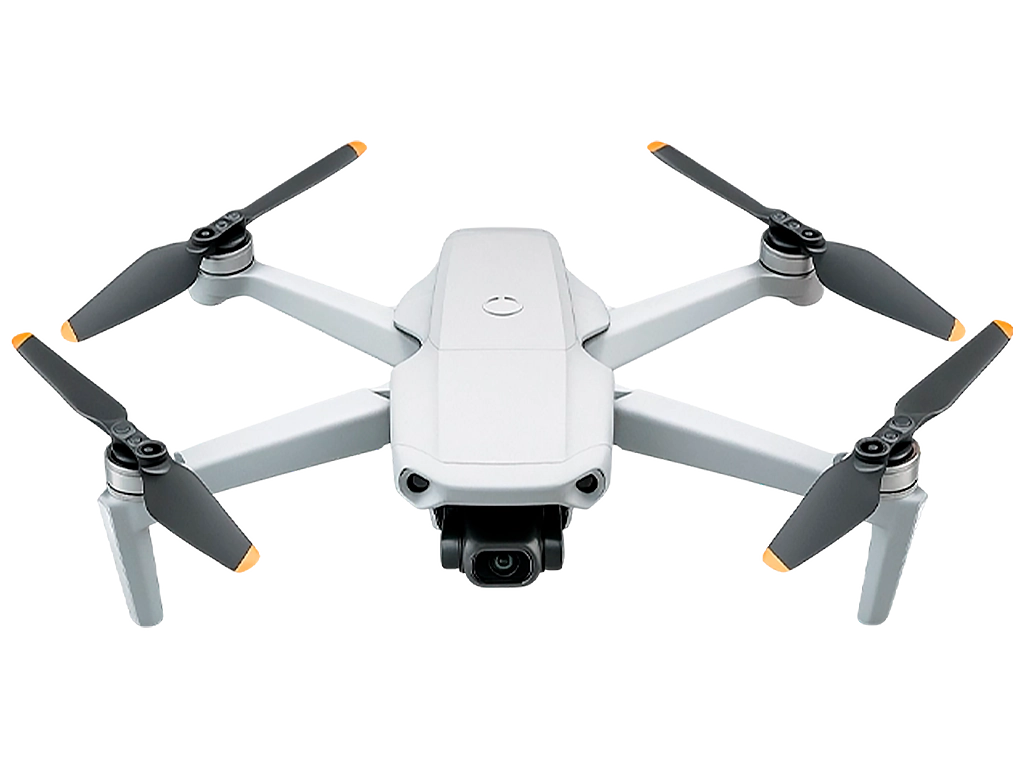
Квадрокоптери
-
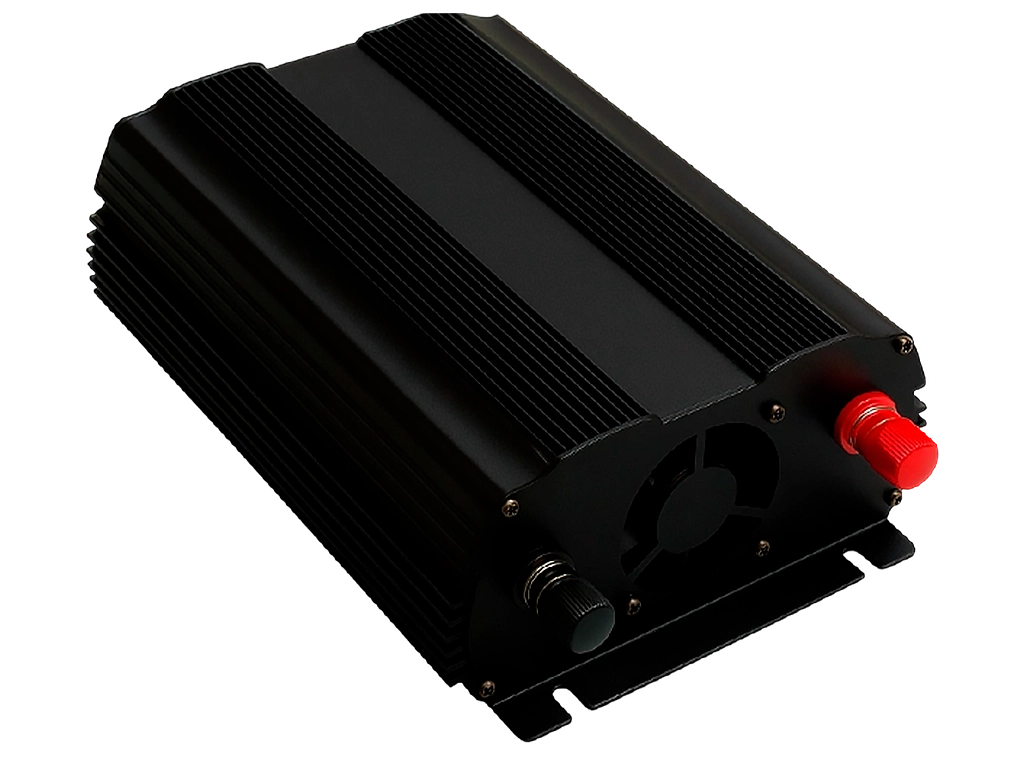
Інвертори (перетворювачі напруги)
-
Штатний головний пристрій

-
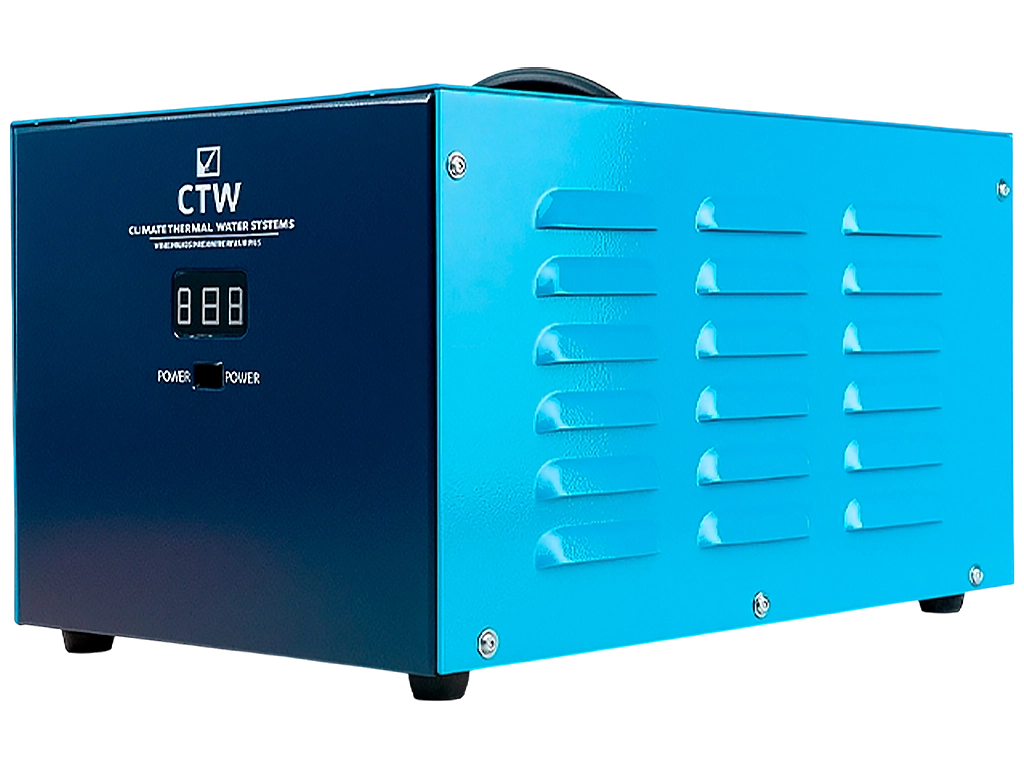
Стабілізатори напруги
-
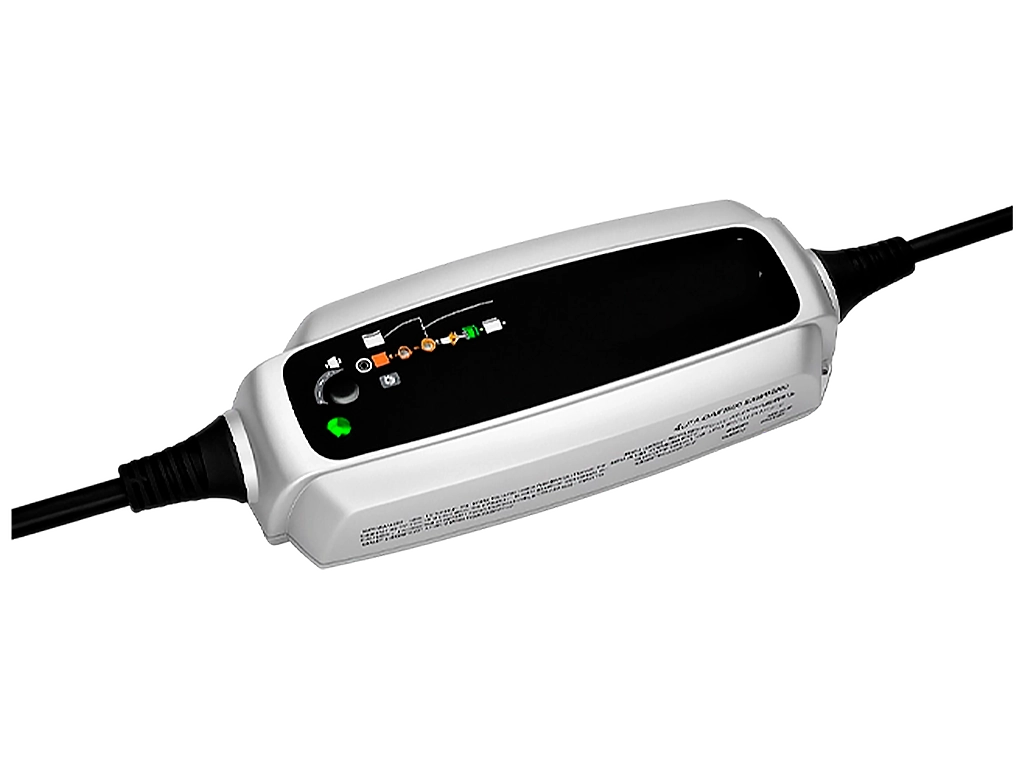
Автомобільні зарядні пристрої
-
Парктроніки

-
Екшн-камери

-
Монітори в авто

-
Квадрокоптер
-
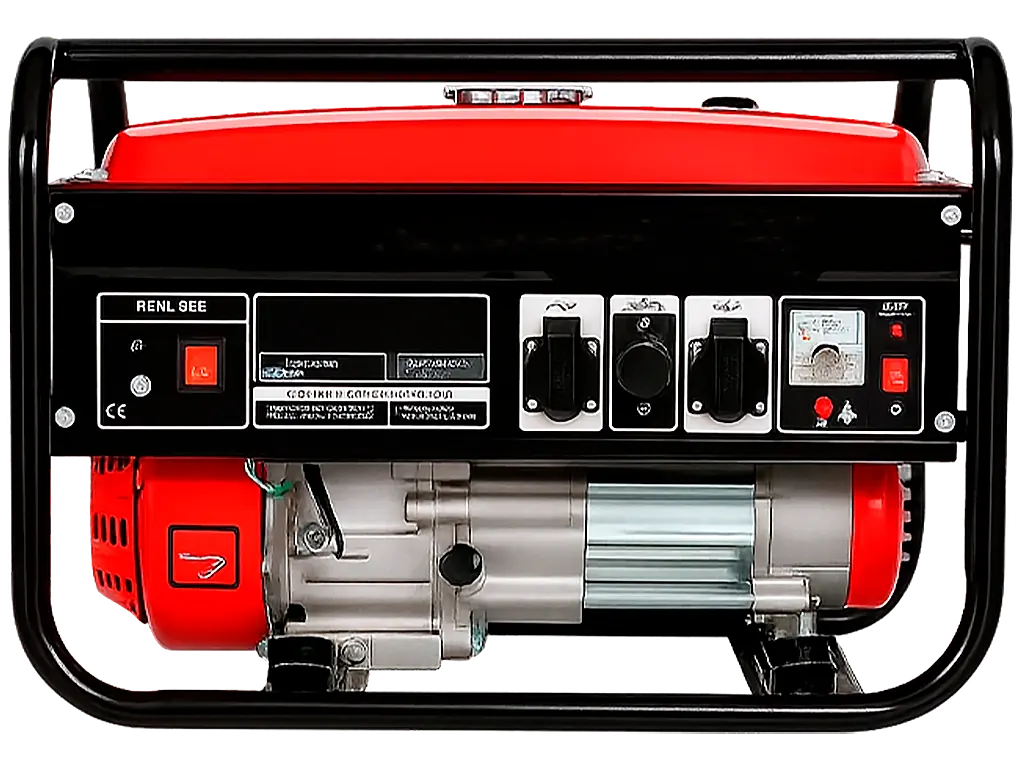
Генератор
-
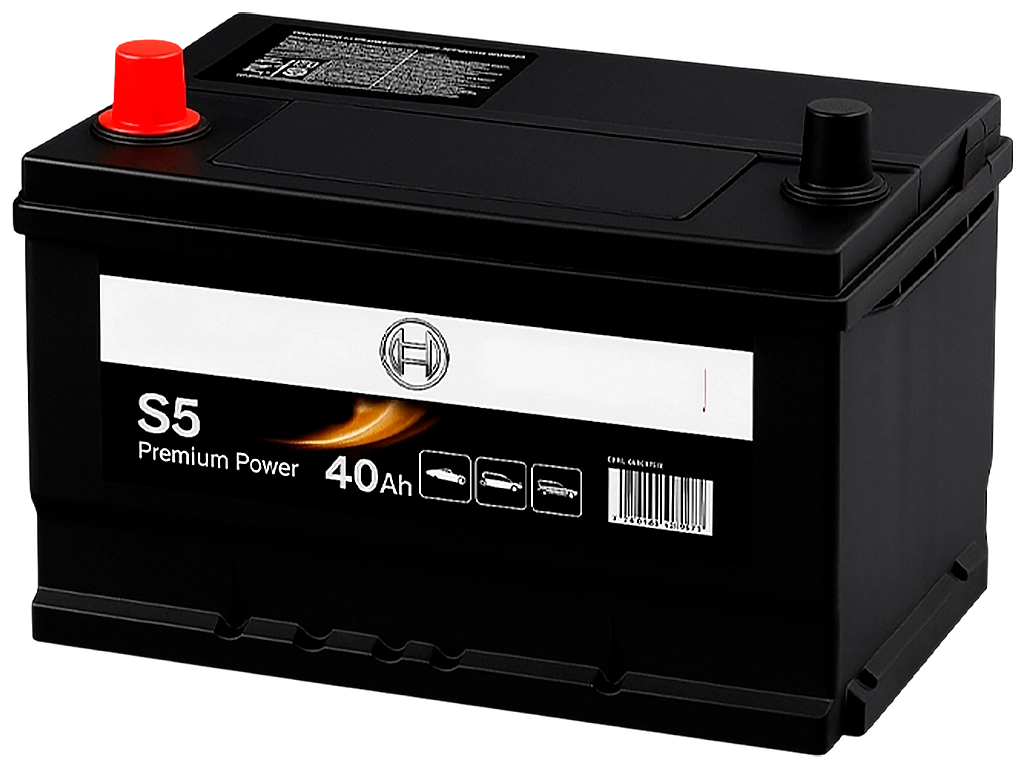
Акумулятори
-
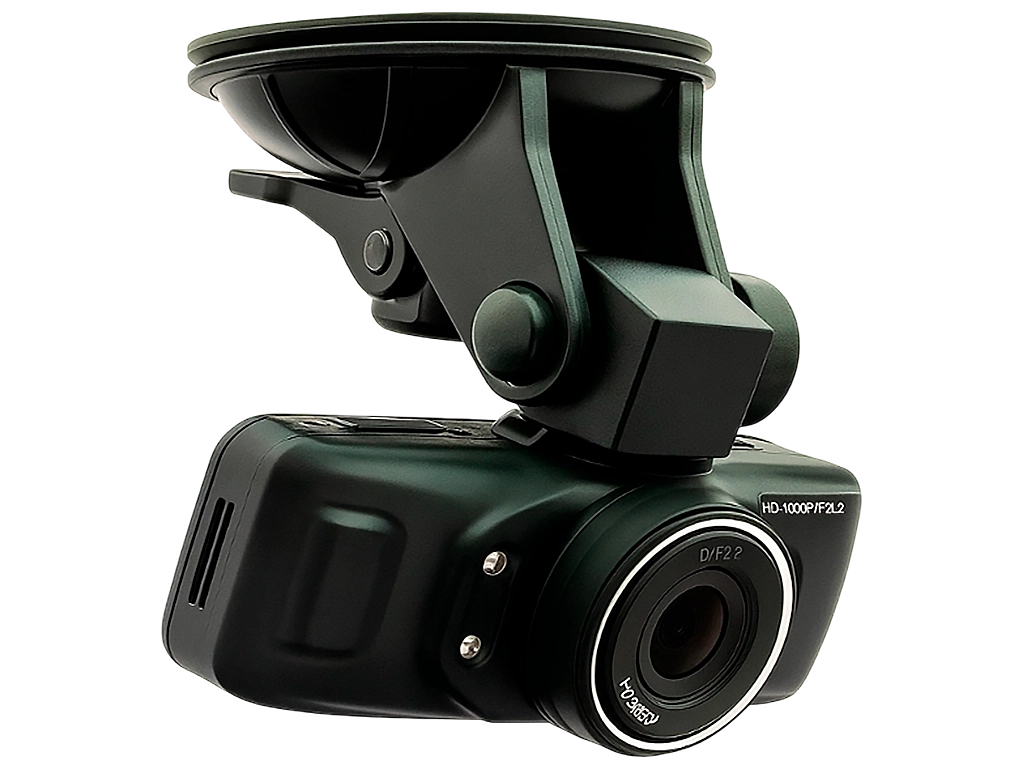
Реєстратори
-
Джерела безперебійного живлення (ДБЖ)

-
Мультимедійні системи

-
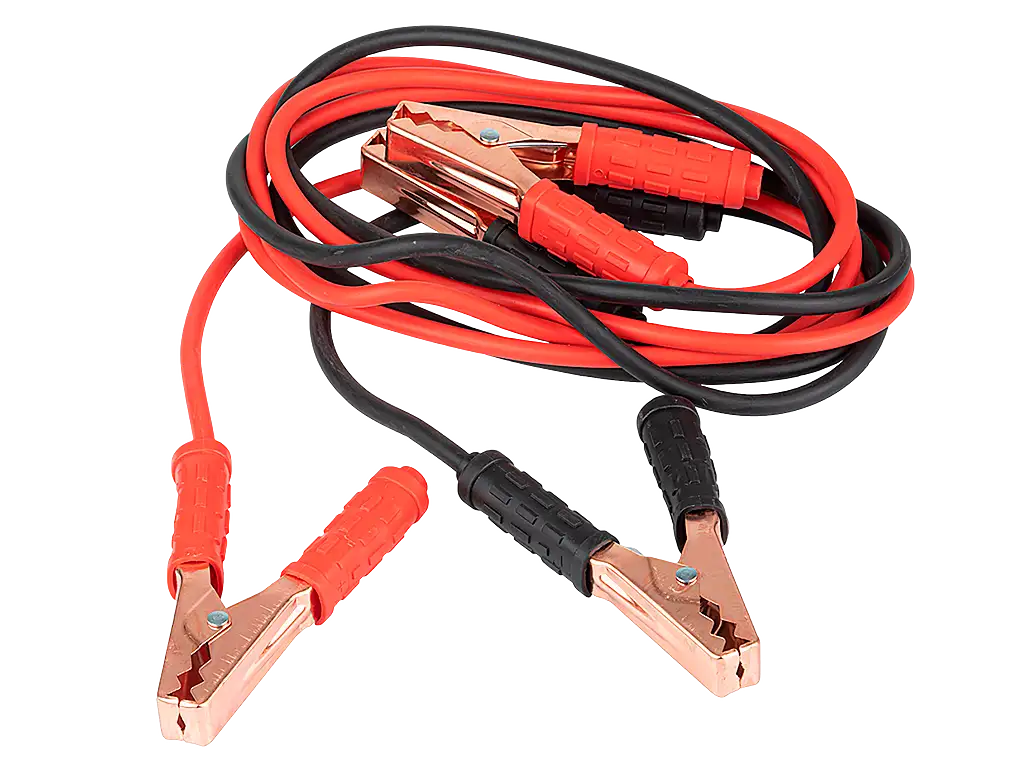
Пускові дроти
-
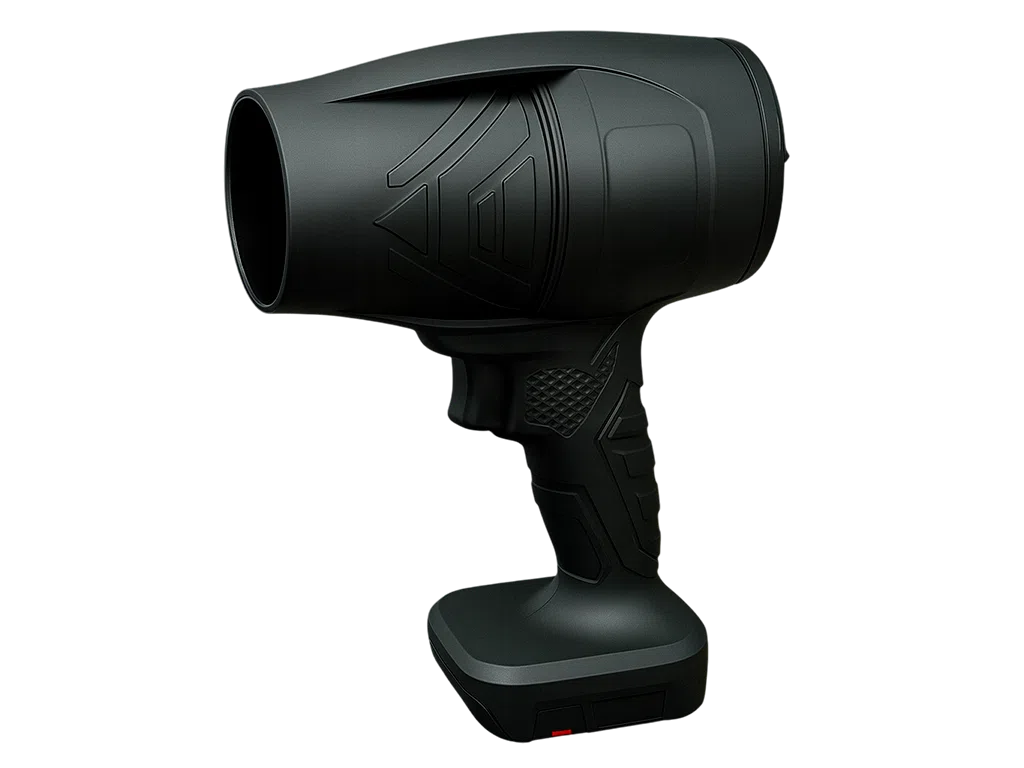
Турбовентилятори
-
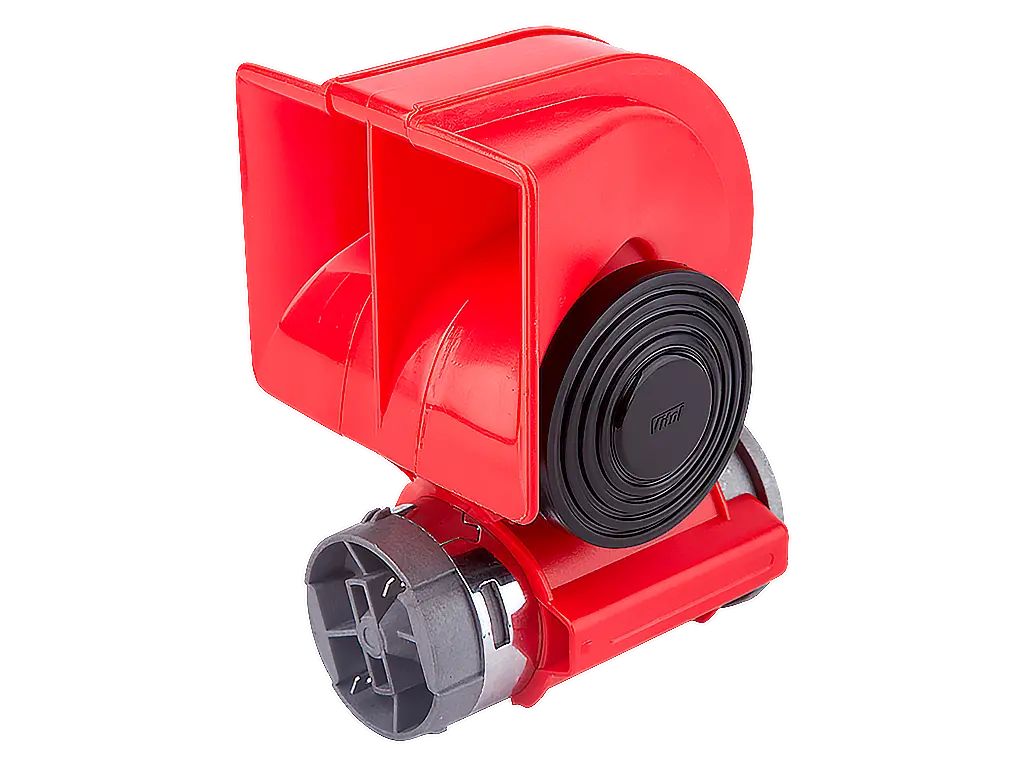
Сигнали
-
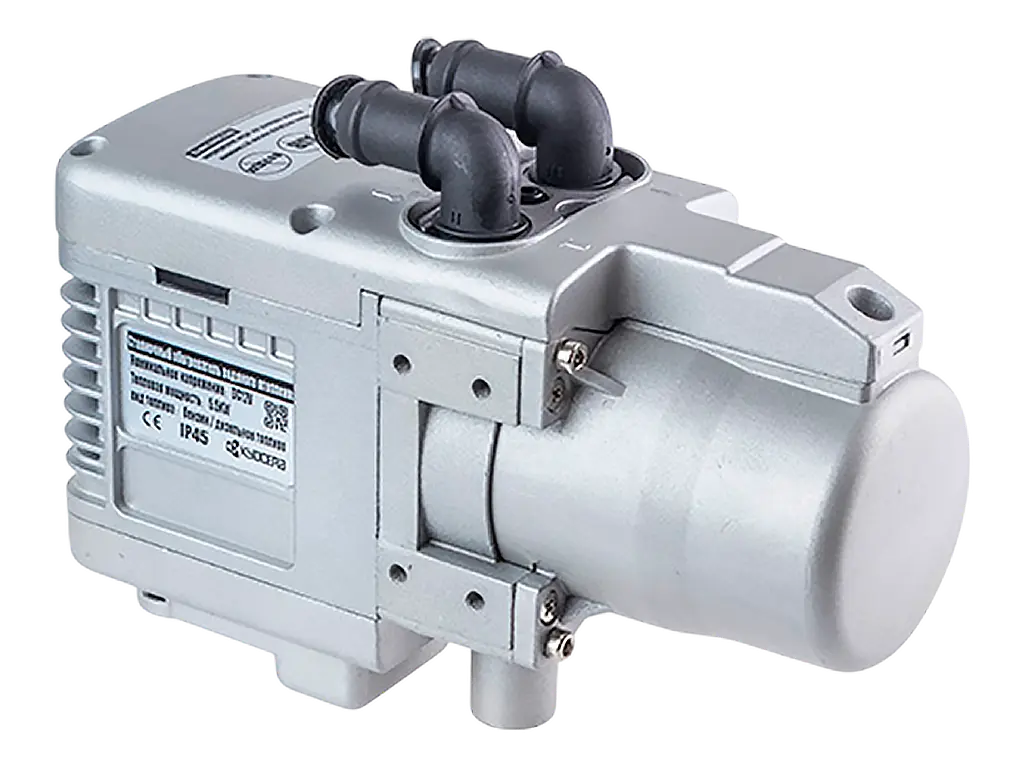
Передпускові підігрівачі двигуна
-
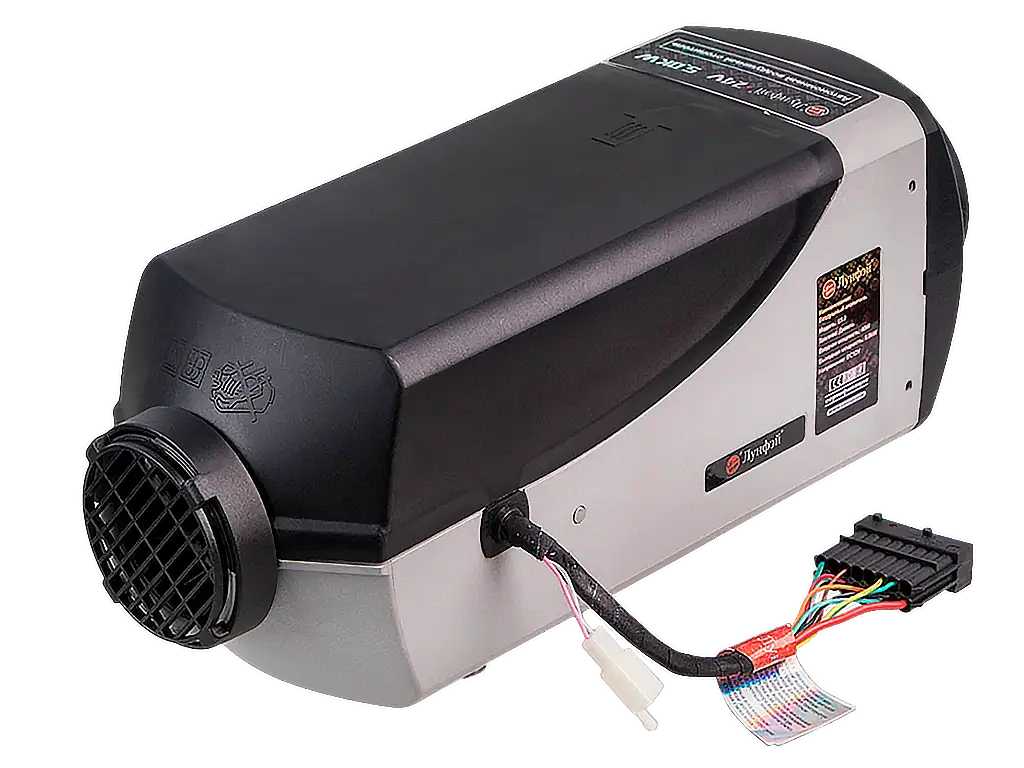
Автономні обігрівачі
-
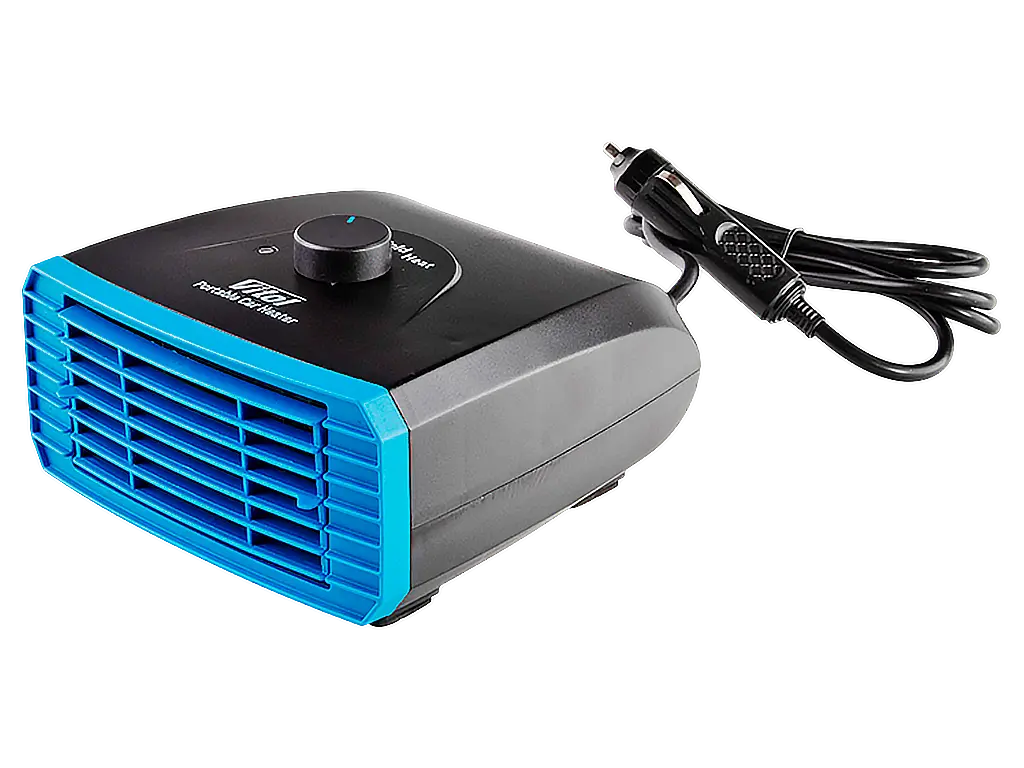
Вентилятори, тепловентилятори
-
Автомобільні сигналізації
-
-
Туризм
-
Для військових

-
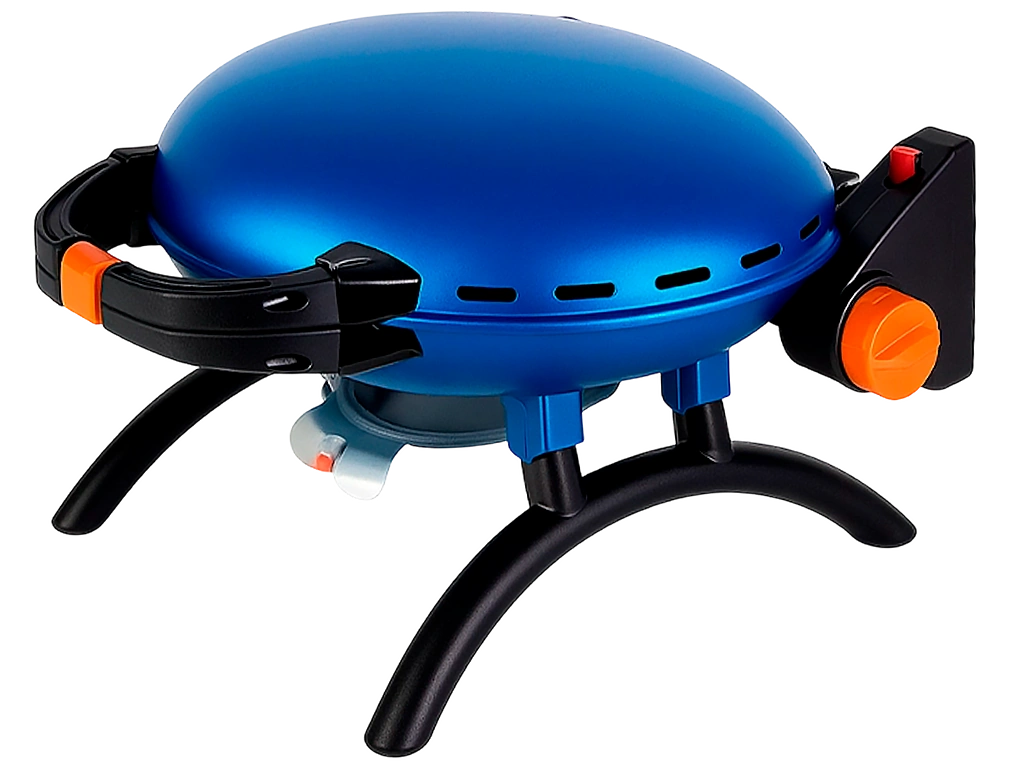
Грилі
-
Набори для пікніка

-
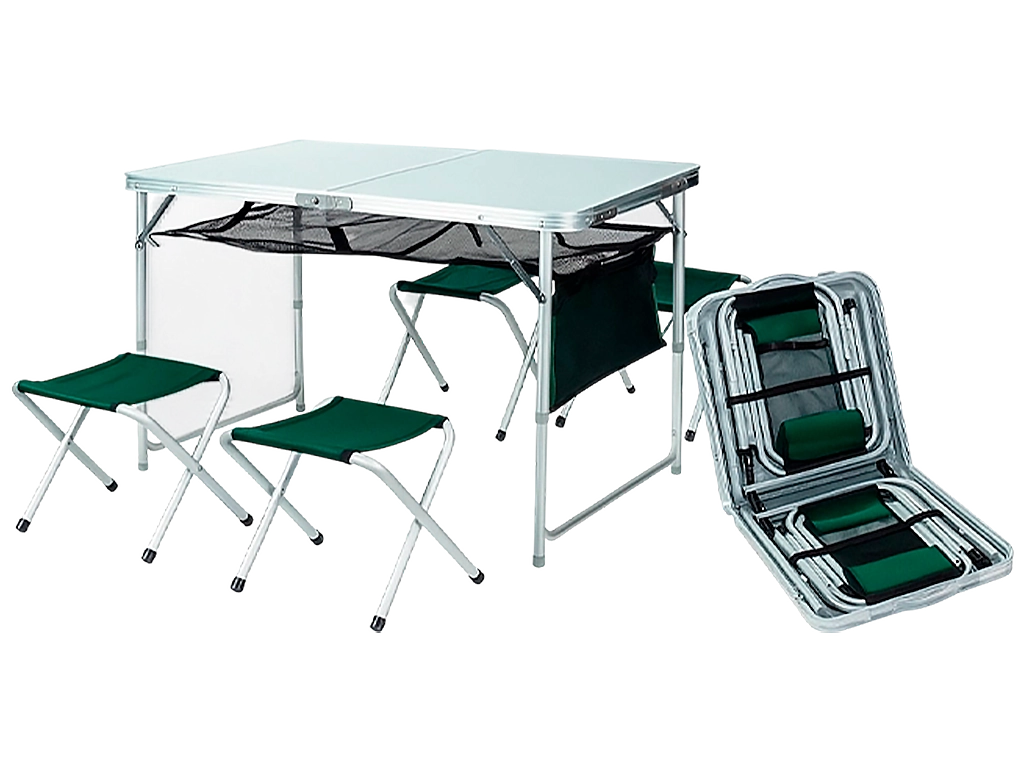
Меблі для відпочинку
-
Альпінізм та скелелазіння
-
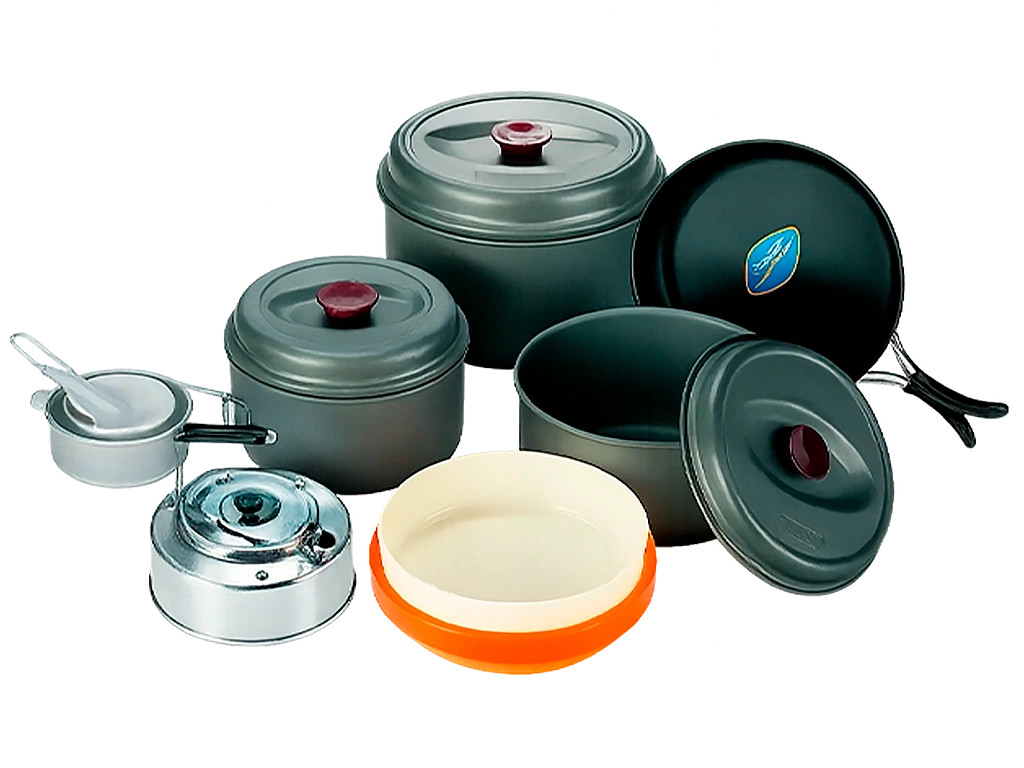
Туристичний посуд
-
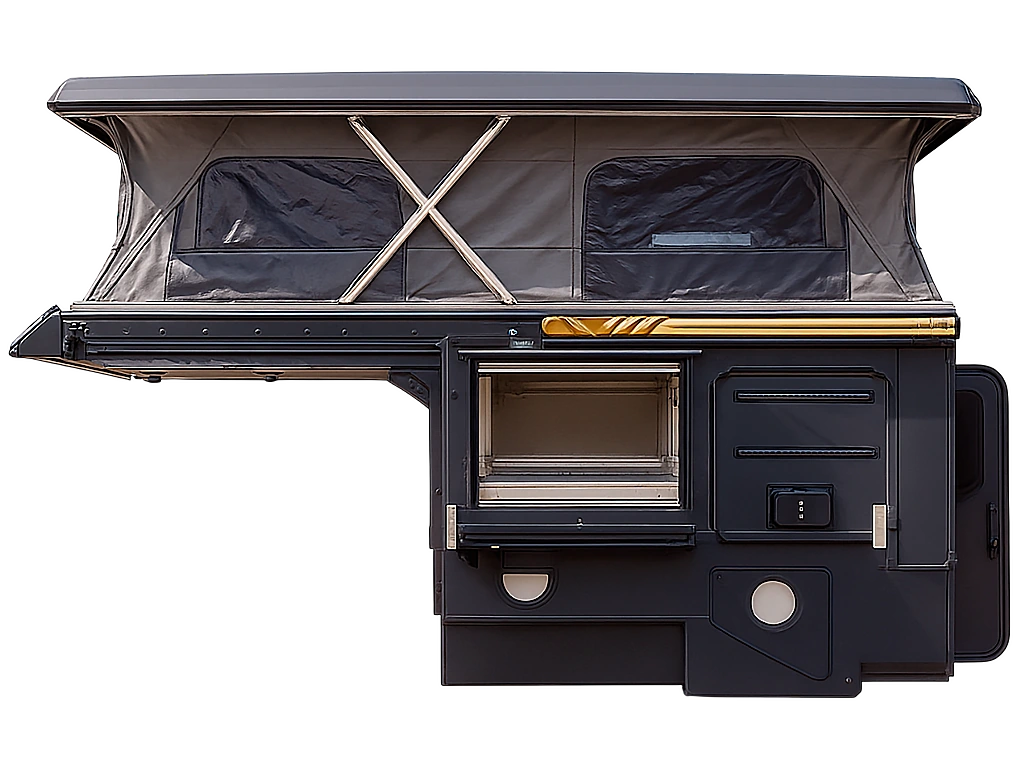
Кунг-кемпер
-
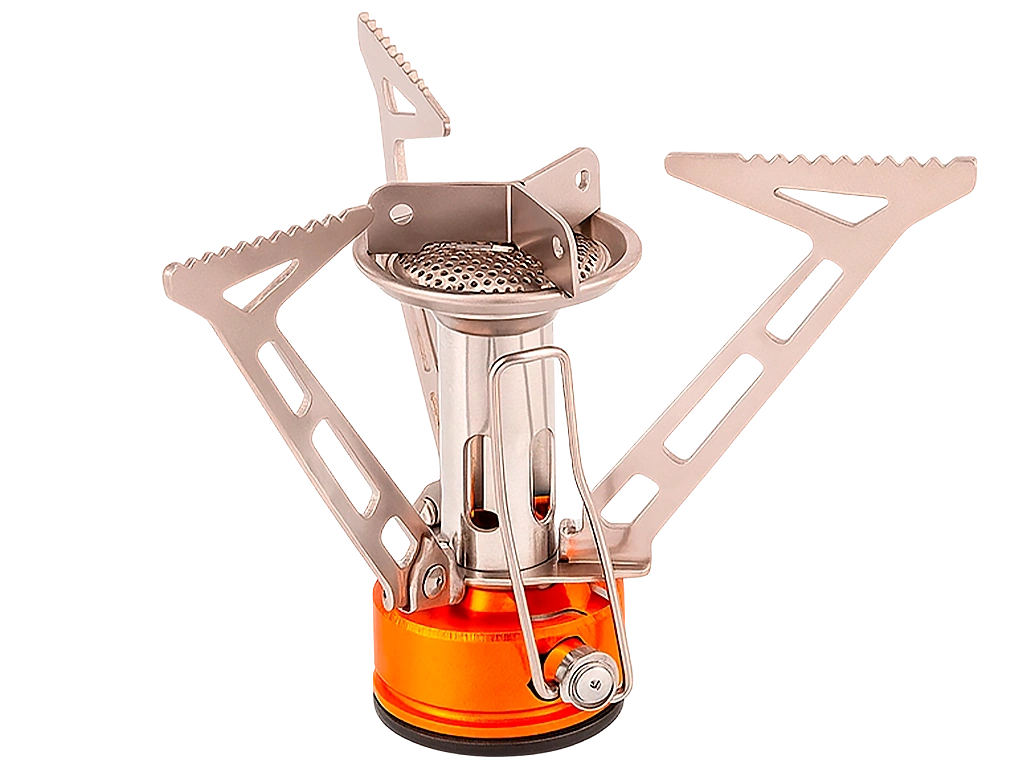
Газове обладнання
-
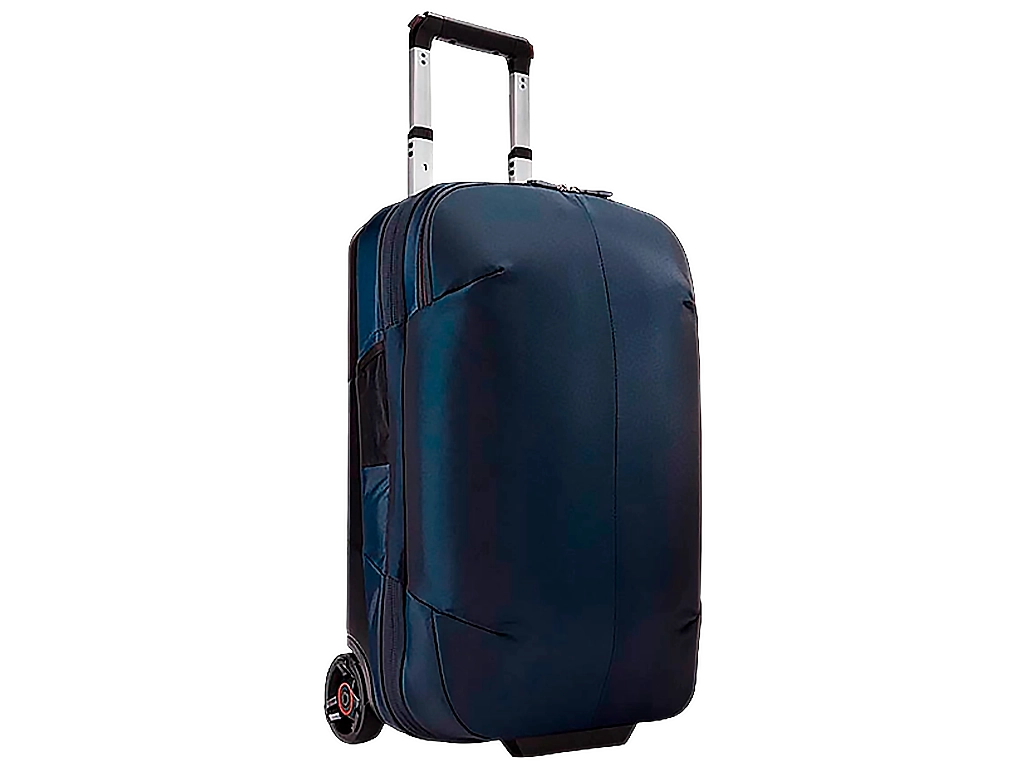
Сумки та валізи
-
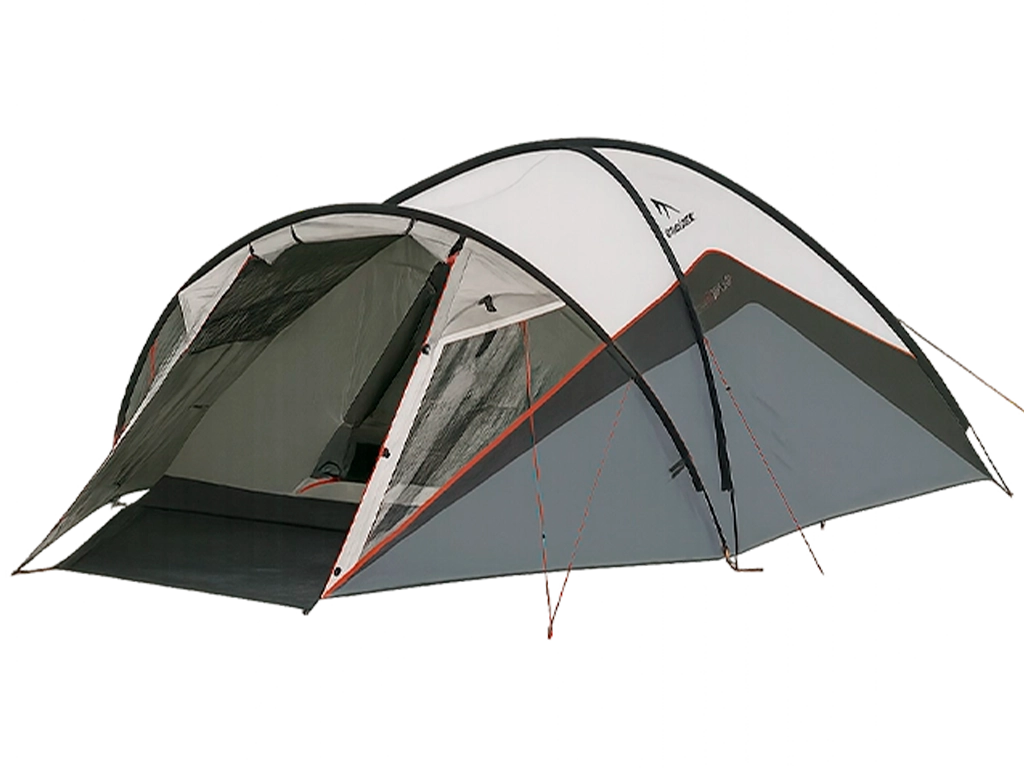
Намети
-
Тенти та шатри

-
Спальники

-
Коврики

-
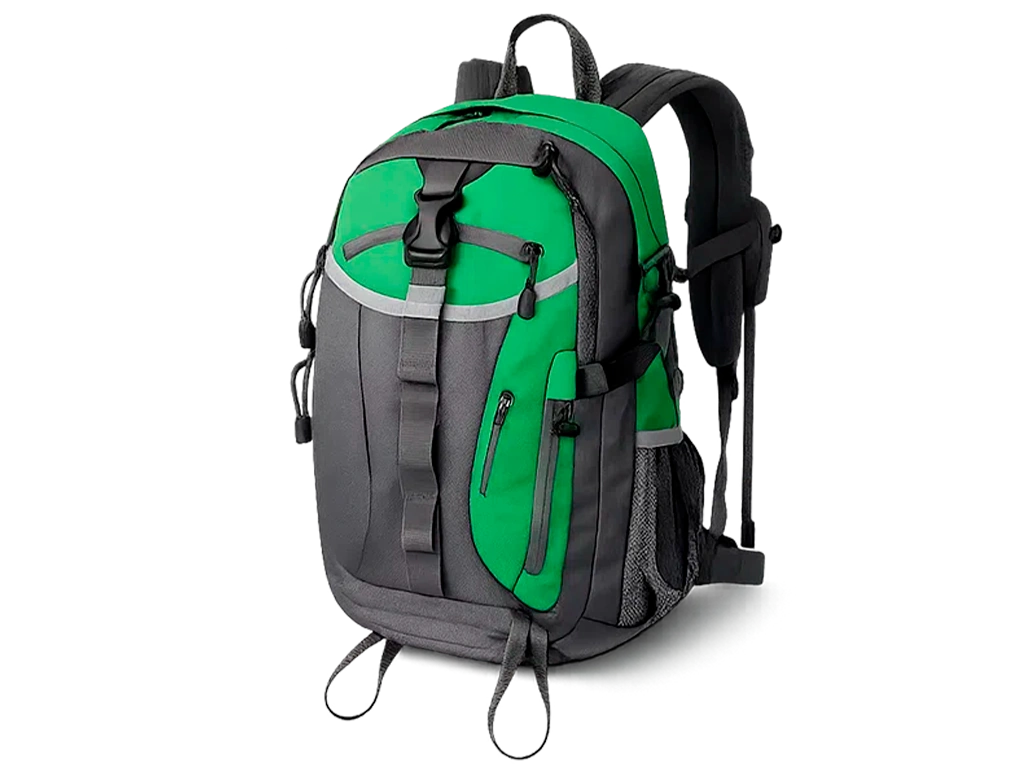
Рюкзаки
-
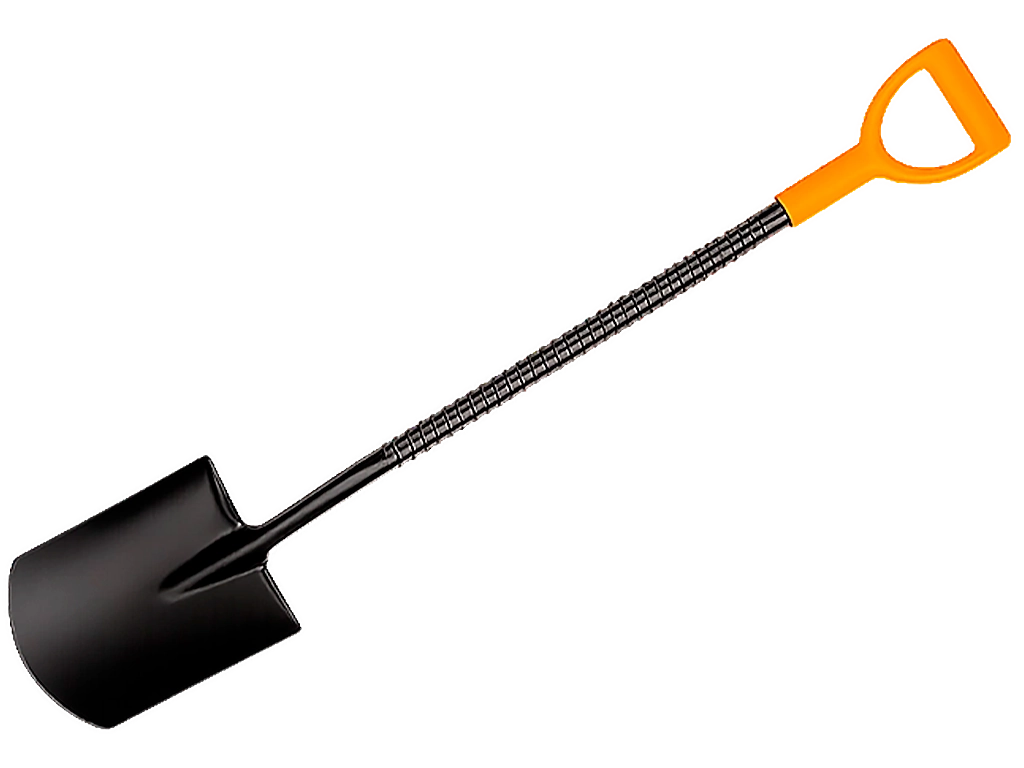
Лопати
-
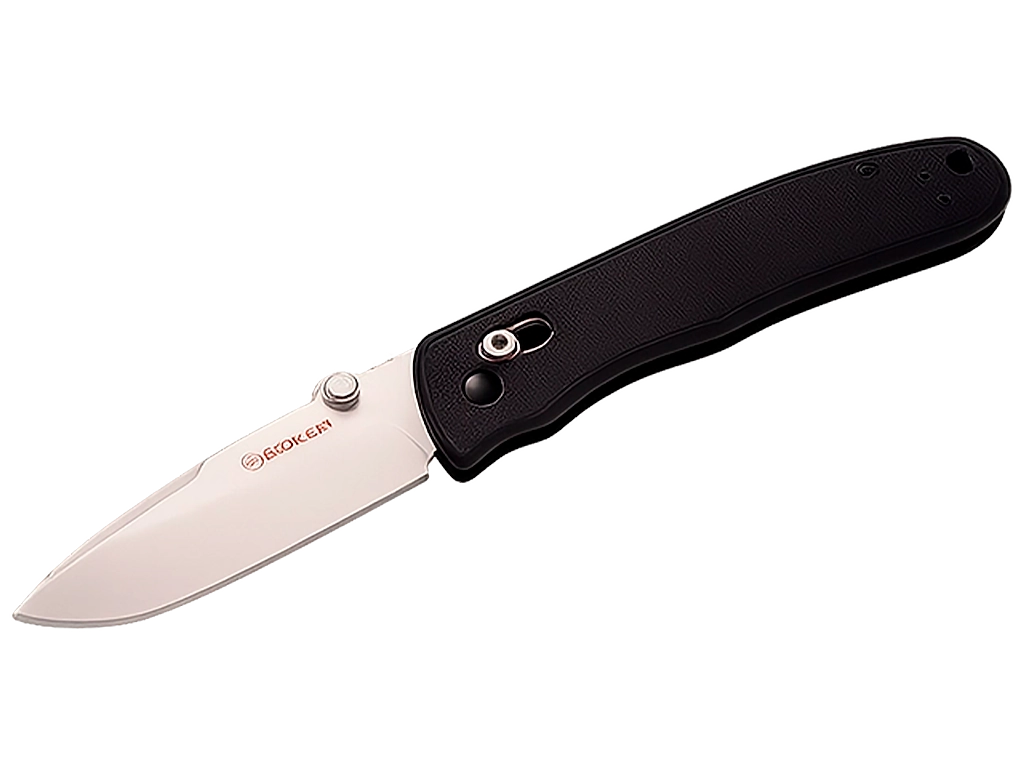
Ножи
-
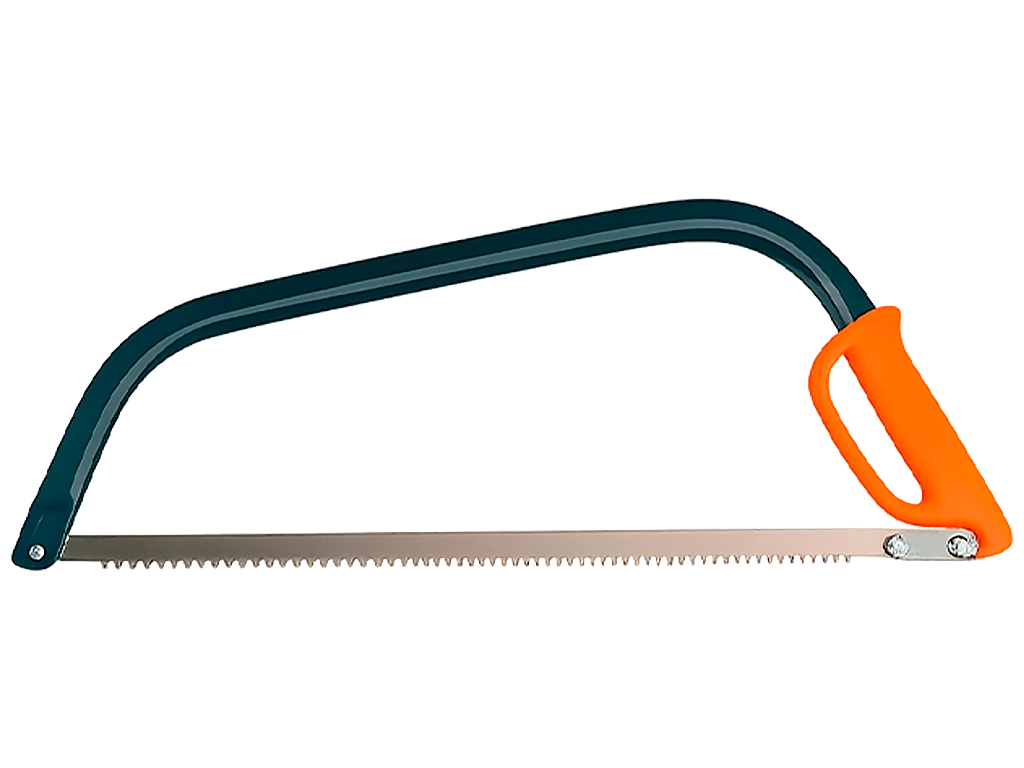
Ножівки
-
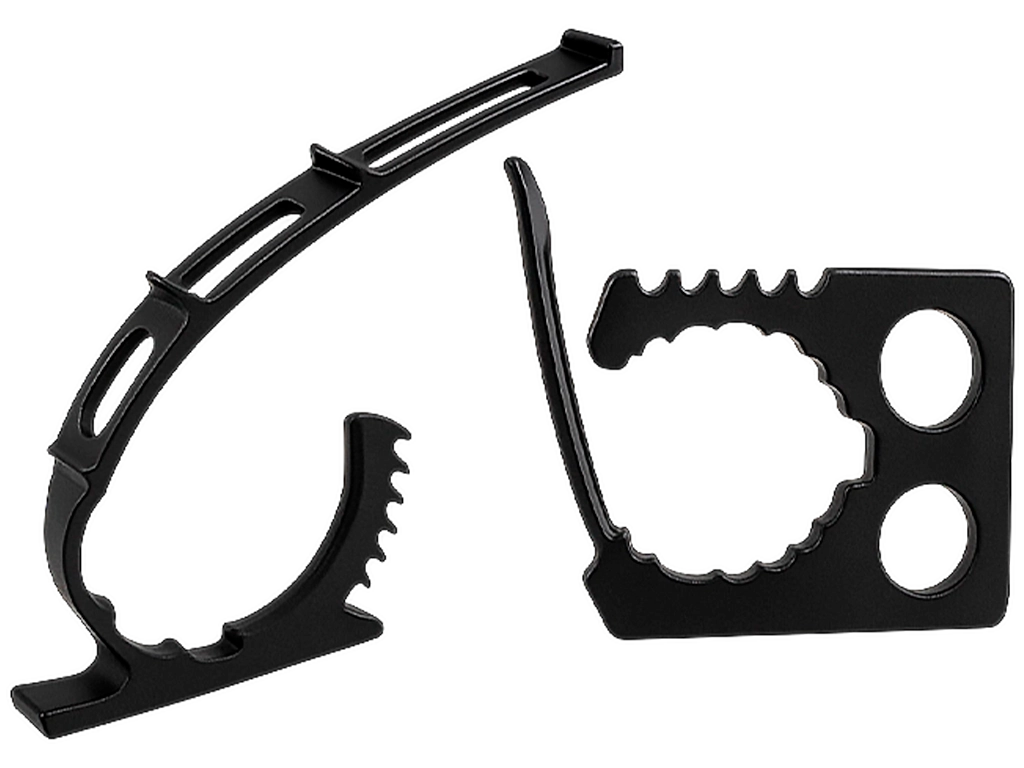
Кріплення Quick Fist
-
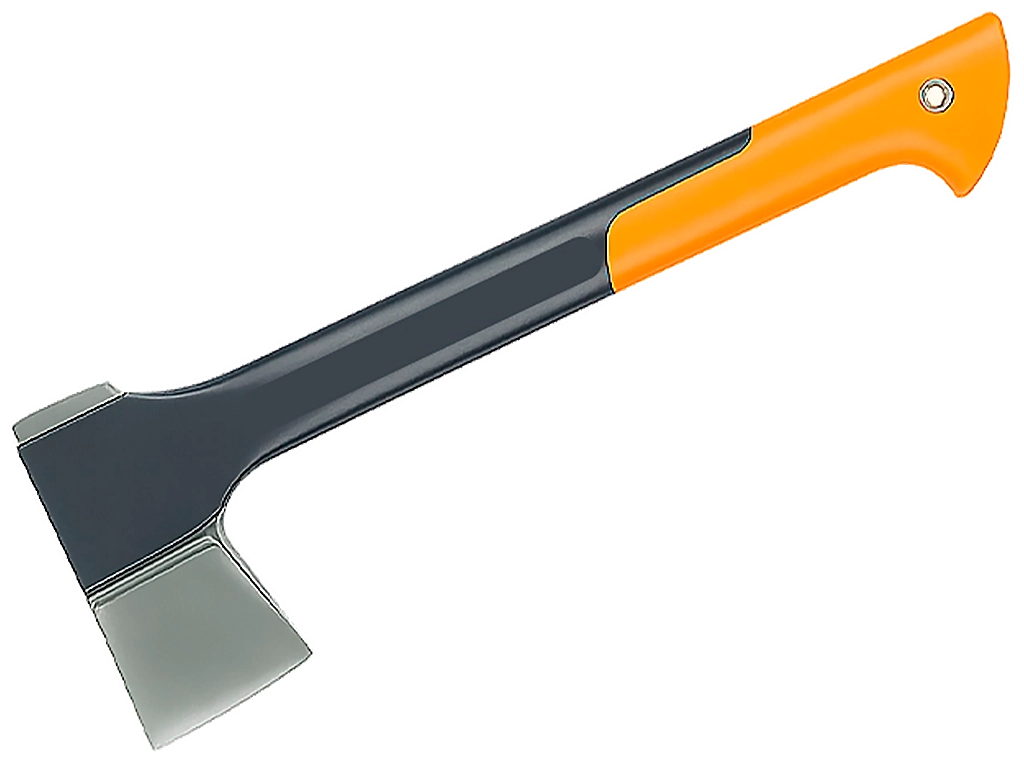
Сокири
-
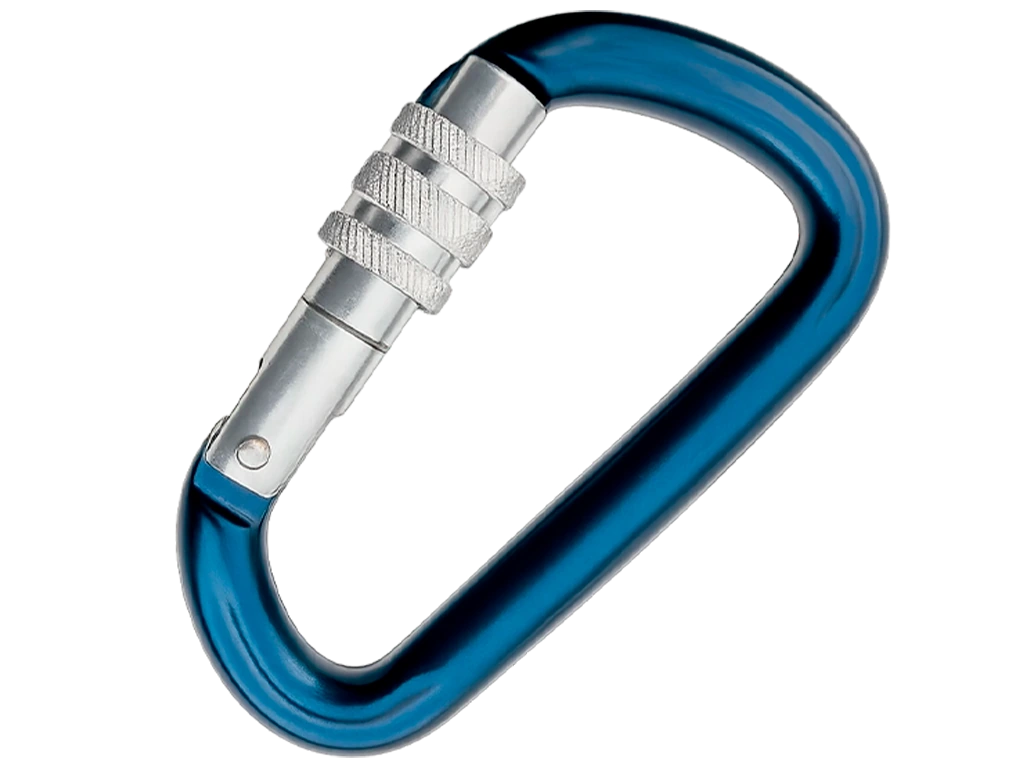
Спорядження
-
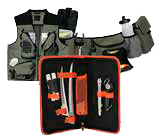
Риболовля та полювання
-
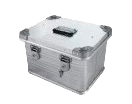
Алюмінієві ящики і кейси
-
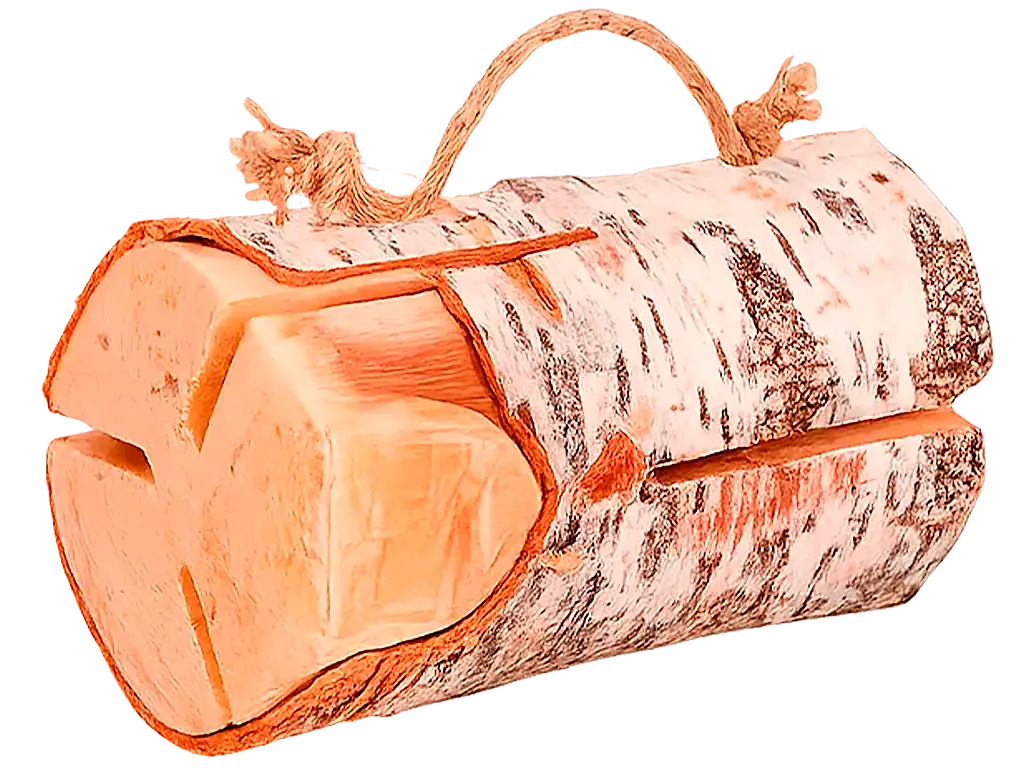
Паливо для пікніка
-
Гойдалки садові та гамаки

-
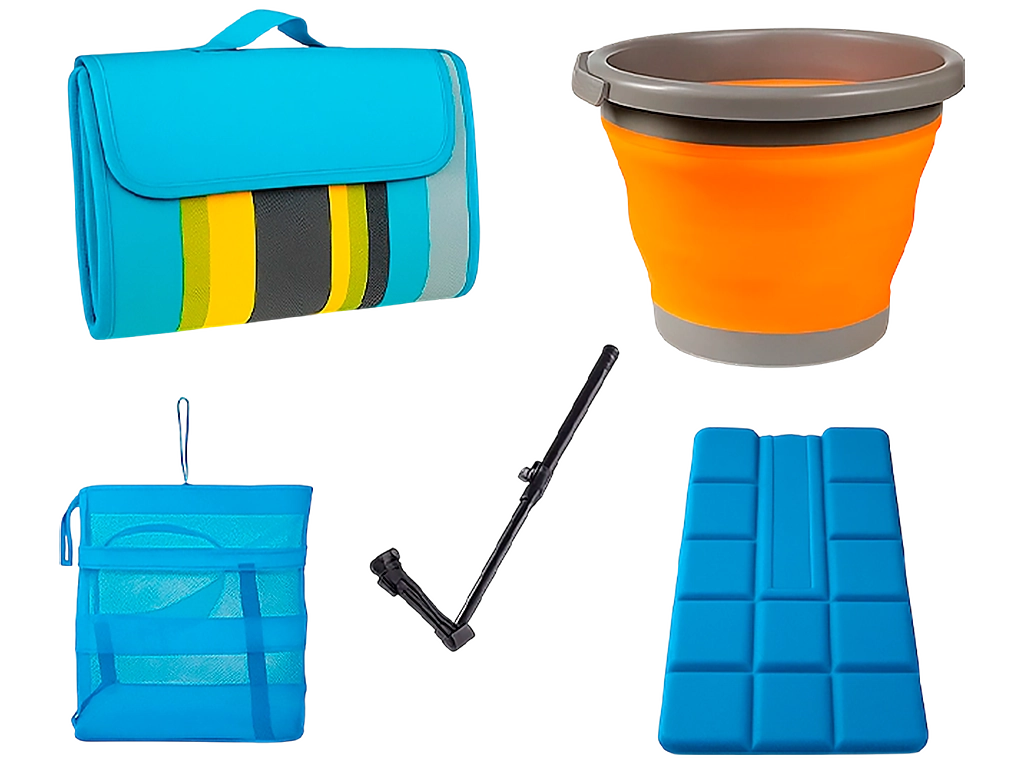
Аксесуари для туризму
-
Одяг та аксесуари

-
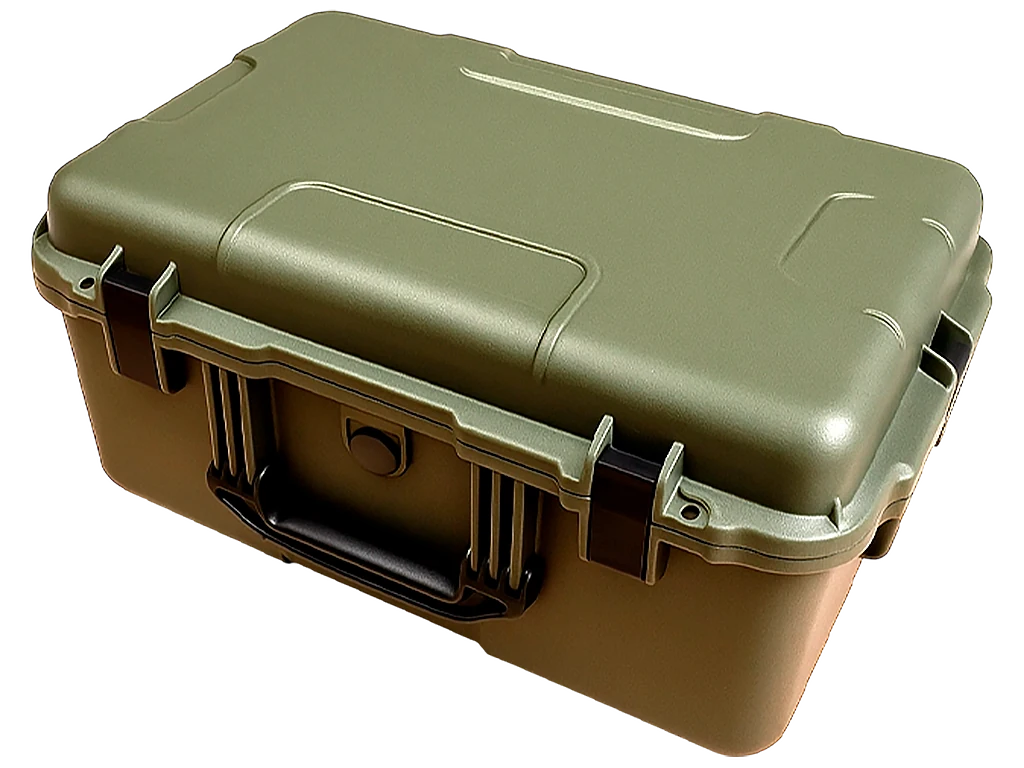
Кейси
-



 Назад
Назад 