





 VNEDOROGNIK БЛОГ
 My blog
 Event Calendar
 Gallery
 Tuning Atelier
 Articles
 Videos
 B2B
B2B
 SALES
SALES
 Manufacturers
 Delivery
 Payment
 Return of goods
 Catalogs
 Reviews
 ABOUT US
 Contacts
 Dealers
 Installation and maintenance



















































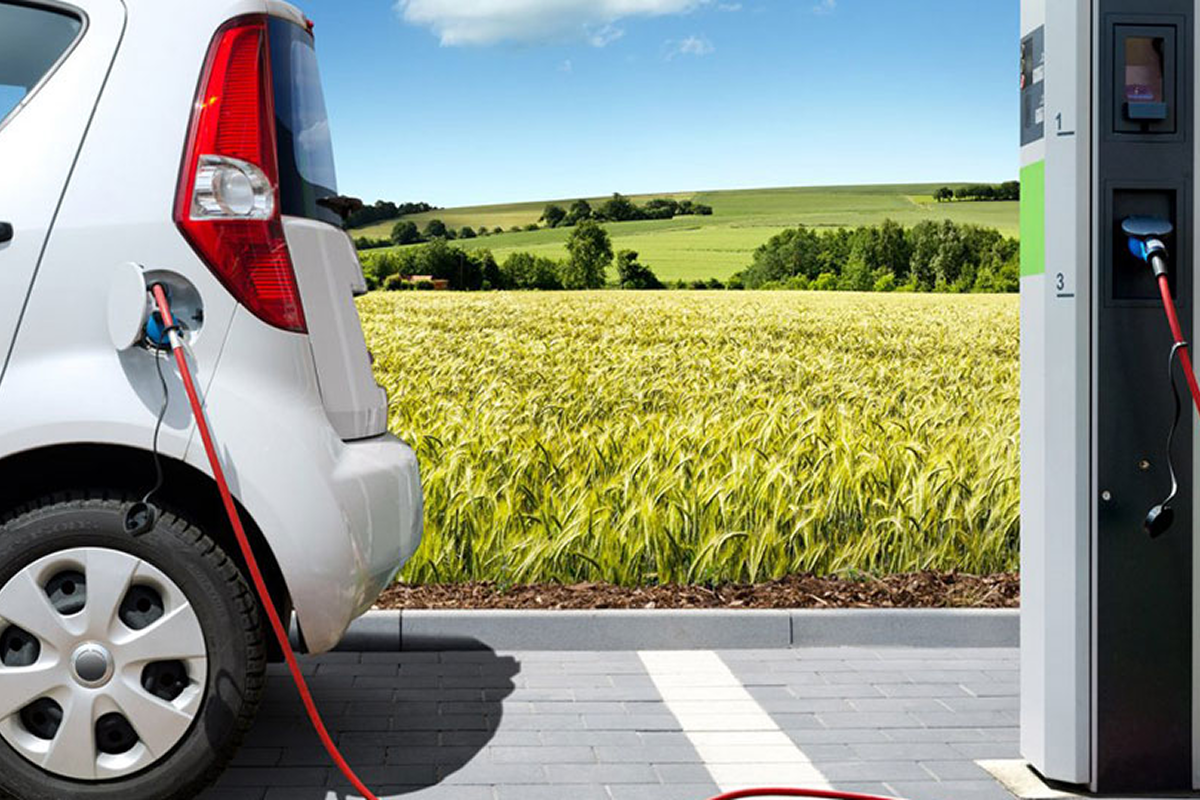
Buying an electric vehicle is a step into the future, but the reality of local power grids can sometimes bring us back to a harsh present. Voltage spikes, evening power "sags," or sudden surges can do more than just stop a charging session—they can damage the expensive inverter or onboard charger of your Tesla, Nissan Leaf, or Audi e-tron.
Let’s break down how to choose a voltage stabilizer for EV charging so that your "iron horse" is always ready to roll and you can sleep soundly.
Why Does an EV Need a "Bodyguard"?
Modern electric cars are essentially giant computers on wheels. Most factory charging cables have built-in protection, but it operates on an "all or nothing" principle: if the voltage goes outside the limits (for example, below 180V or above 250V), the charging simply shuts off.
You expect to wake up to a full "tank" but find your car "hungry." Worse still, constant micro-surges gradually burn out the electronics. That’s why a high-quality stabilizer isn't a luxury—it's a necessary add-on for your outlet.
Key Selection Criteria
1. Power Rating (The Most Important Point!)
A standard home charger consumes about 3.6 kW (16A). Faster single-phase stations can pull 7.4 kW (32A).
- Golden Rule: The stabilizer's power rating should be 30% higher than the charger's power consumption.
- If the charger is 3.5 kW — get a 5 kW stabilizer.
- If it’s 7 kW — you need a 9–10 kW unit.
The extra headroom is necessary so the stabilizer doesn't work at its limit and won't shut down during input voltage drops.
2. Type of Stabilizer
Not all stabilizers are equally beneficial for an EV:
- Relay-based: Cheap but slow. When switching stages, a micro-pause occurs, which the car's sensitive electronics may perceive as an error.
- Servo-driven: These regulate voltage smoothly but have moving parts that wear out and respond too slowly to sharp spikes.
- Triac/Thyristor (Optimal Choice): Fast, silent, and reliable. They react instantly to grid changes. This is the "sweet spot" for a private home.
- Inverter (Double Conversion): The best technology available. They convert AC to DC and then back to perfect AC with a pure sine wave. Expensive, but ideal for premium electric cars.
Installation and Operation Secrets
Before choosing a stabilizer for EV charging, check your wiring. There is no point in installing a powerful device if a thin, overheating wire leads to the outlet.
- Grounding: This is critical! Most EVs (especially Tesla and Renault Zoe) simply won't start charging if the stabilizer or outlet lacks high-quality grounding.
- Placement: Stabilizers generate heat. Do not enclose them in tight cabinets. Choose a well-ventilated room or garage.
- Bypass Mode: Useful if the stabilizer fails—you can direct the current straight to the car while the device is being repaired.
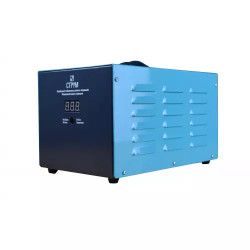
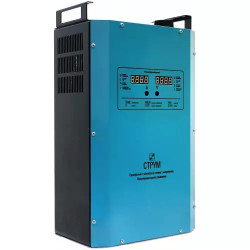
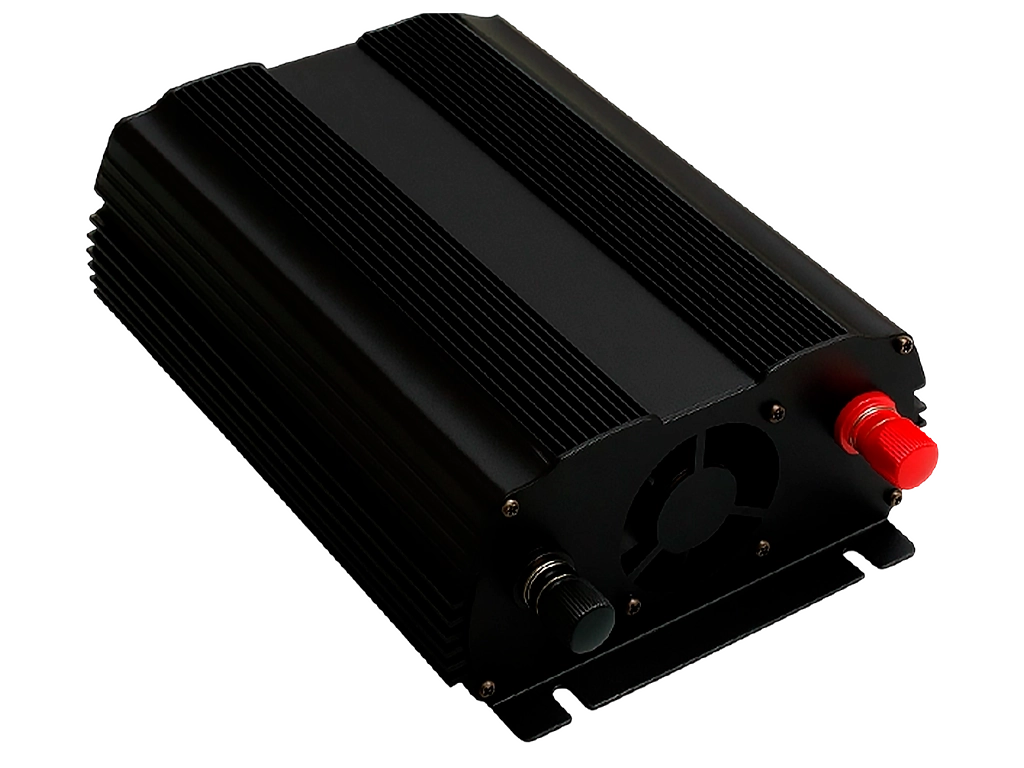
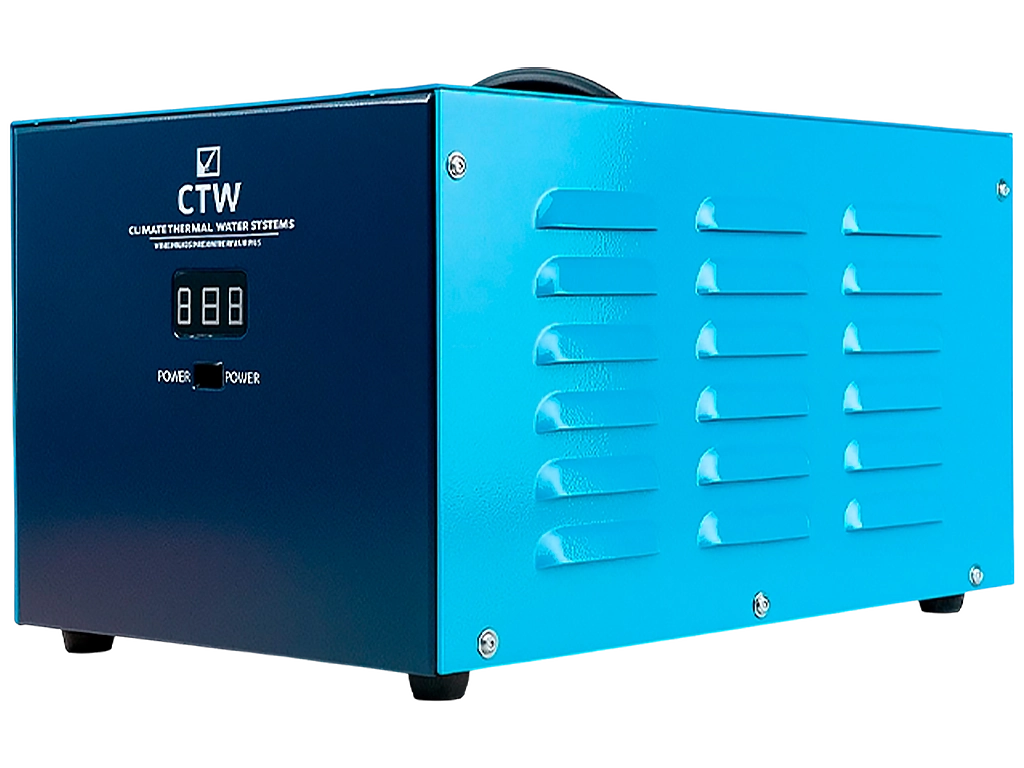
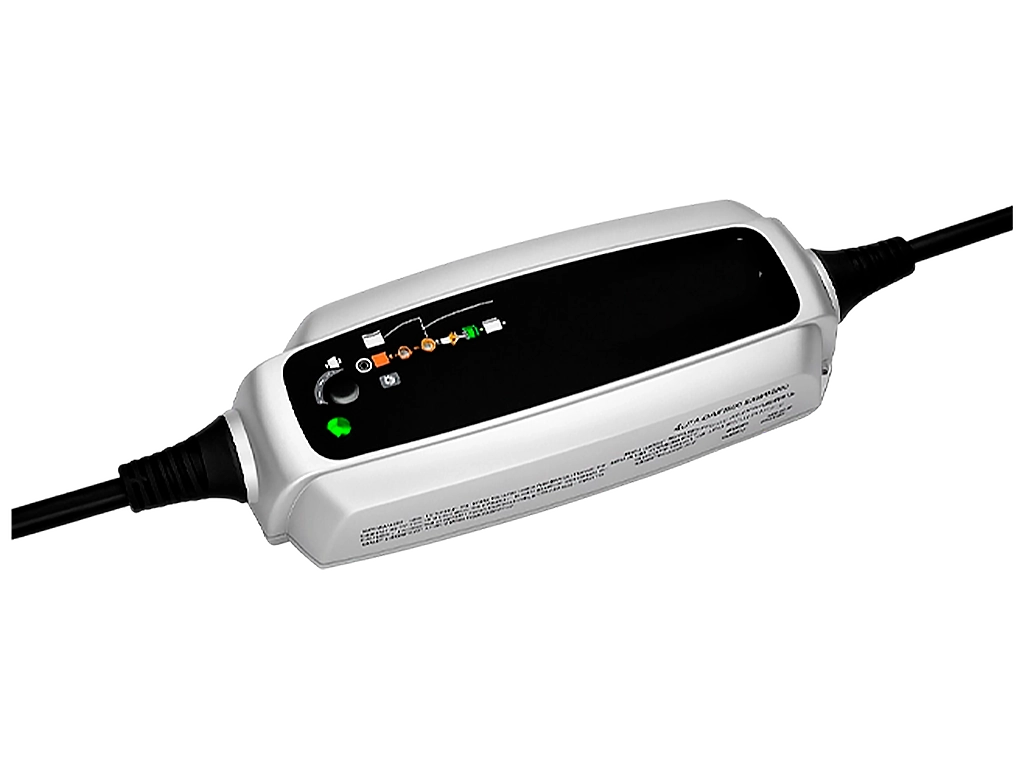
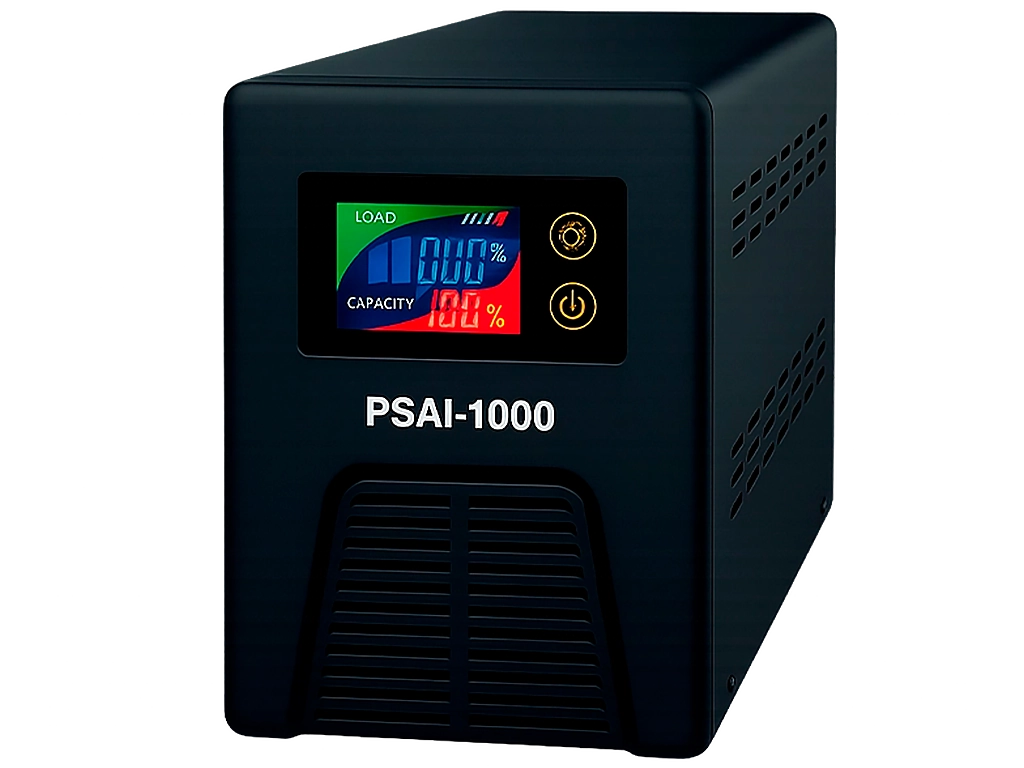
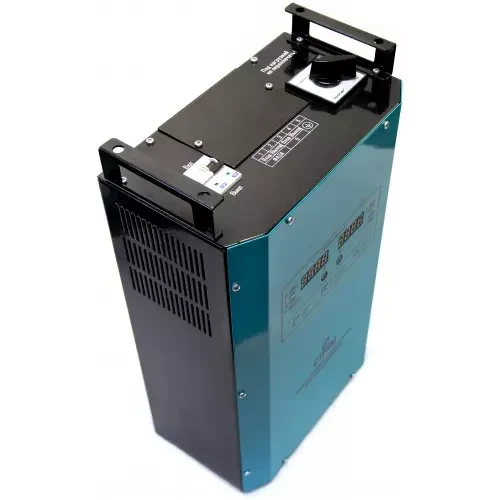
Popular stabilizers
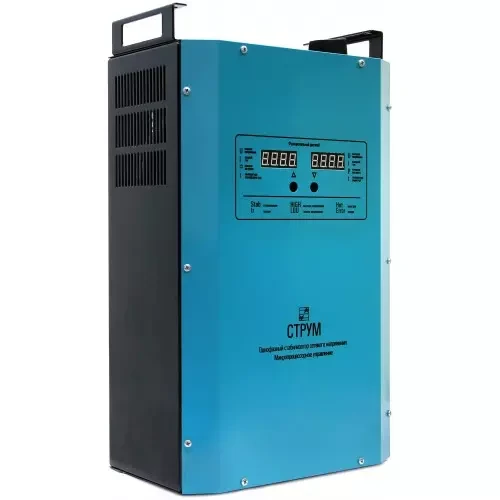
A Tip from Vnedorognik.ua
If you travel often and charge in random locations (hotels, guest houses), consider portable compact models. However, for permanent home use, we recommend stationary wall-mounted solutions.
Don’t skimp on a "fuse" for a car that costs dozens of times more than the price of a stabilizer. Choose triac or inverter models with a good power reserve—and your electric vehicle will thank you with a long battery life.
Need help choosing equipment for your SUV or EV? Check out the Vnedorognik.ua catalog—we have everything for confident journeys!


min-380x380.webp "Voltage stabilizer current PART-300 Currents price reviews")