




 VNEDOROGNIK БЛОГ
 My blog
 Event Calendar
 Gallery
 Tuning Atelier
 Articles
 Videos
 B2B
B2B
 SALES
SALES
 Manufacturers
 Delivery
 Payment
 Return of goods
 Catalogs
 Reviews
 ABOUT US
 Contacts
 Dealers
 Installation and maintenance

















In the internal combustion engine for normal operation, clean air and clean fuel must be available. The fuel you pour into the tank is not always clean, and any contamination that gets from gasoline or diesel into the engine can cause serious problems for the health and operation of your engine. In particular, in diesel engines, paraffin can harden in low -quality fuel due to temperature changes and form a precipitate at the bottom of the tank.

The fuel filter is present in any car with an internal combustion engine to ensure maximum cleanliness of fuel, preventing problems that can cause unexpected or accelerated wear of the fuel system and combustion chambers. This is important for all cars, but especially diesel engines. In many cars, the fuel filter is a part that needs to be replaced regularly according to the maintenance schedule of your car.
In this article you will learn that it is a fuel filter, how it works, how often it needs to be changed and how to determine when it is time to install a fresh, clean filter.
Why do you need a fuel filter?
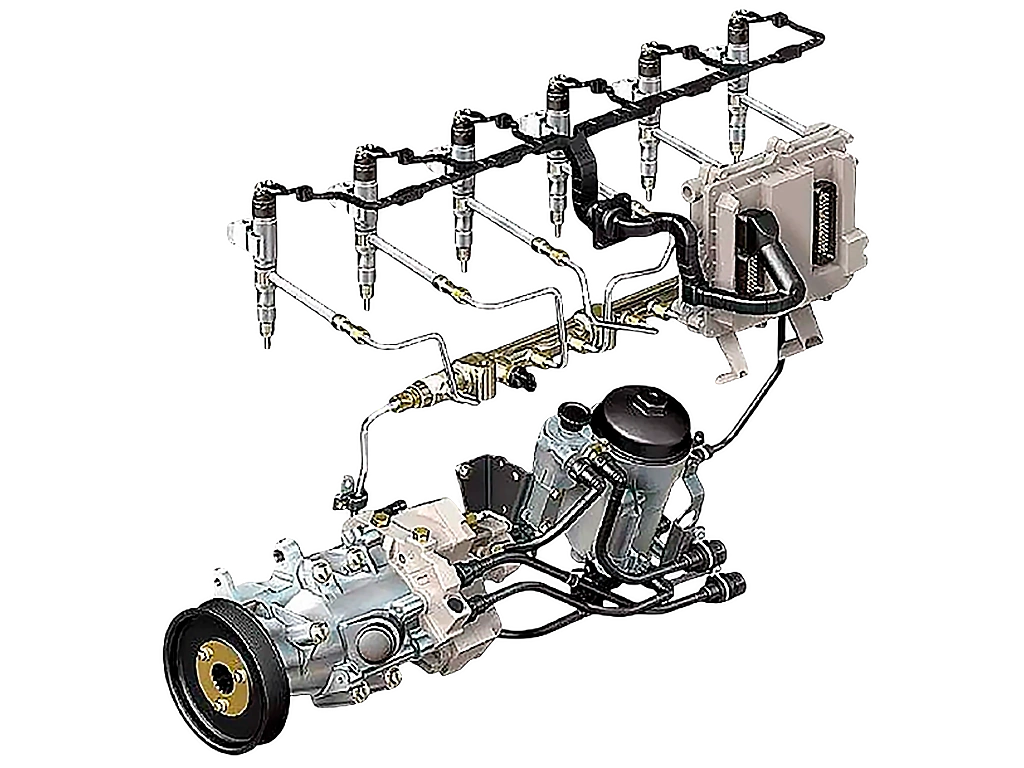
The fuel filter consists of two parts: the filter element and the body. The design can be radically different: common variable fuel filter elements, row filters and screwed filters. In the housing there is a filter element, has microscopic openings through which only clean filtered fuel passes. It also captures and holds particles such as rust, dirt or any other contaminants that cannot pass through the filter element. This helps to prevent the garbage into the engine cylinders through the nozzles. Only particles can pass through the filter, so as not to cause problems such as clogging of fuel nozzles.

Fuel filters come in different designs for different cars and engines. Some structures have inlet and exhaust chambers separated by a filter element in a sealed body. Others may have a different design depending on the specific features of the fuel supply system in the engine.
How does a fuel filter work?
When your car is filled with fuel, any deposits or contamination mixed with it pass through the fuel nozzle before getting to the final destination-the cylinders of the engine of your car-where they burn in the process of combustion in the form of exhaust gases.
However, if these contaminants are large particles, especially abrasives, they can lead to serious damage to the most important components of your car, including valves, pistons, cylinders walls and more. This will damage the parts over time due to wear. It can also affect the efficiency of fuel use, as fuel nozzles can be clogged, creating uneven spraying, which is less effective for capacity production. Your engine can also work poorly through the scene if the deposit interferes with the normal closure of the valves or scattering fuel nozzles.
How often do the fuel filter change?

When it comes to replacing the fuel filter of the car, the general recommendation is to do so every 20000-30000 km. However, this number can vary depending on several factors, such as the type of car, how often you go to it and where you operate it. In addition, it depends on the type of fuel filter that equips your car. A good practice can be the replacement of the fuel filter with each lubricant replacement.
Environmental factors are influenced by the interval. For example, people who live in areas with extreme weather or smokers should replace the fuel filter more often than those who do not live in such areas.When cooled, fuel, especially diesel, becomes more viscous and flows slower, so it is more difficult for it to go through a partially contaminated filter.
It is also important to note that some cars are equipped with built -in remnants of the need for maintenance that will warn you when it comes to replacement time. After receiving the warning, replace the fuel filter as soon as possible.
Another way to determine when the replacement time can occur is a visual inspection of the old fuel filter. If there are signs of fuel leakage or gasoline odor, it should be replaced.
other factors include:
the age of your car . Older machines often accumulate debris and dirt in the fuel tank, which are mixed and require filtration at a higher speed than in newer cars.
where you go. urban rides often mean a smaller mileage per year, but a similar amount of filtered and burnt fuel. Usually riding on the highway is faster. 30,000 km is the average.
Replacing diesel fuel filter . On cars with diesel engines, many car owners ask "How often to change the fuel filter on diesel?" And so, a car with "heavy" fuel should be replaced by a filter every 15-20 thousand km. In addition, pay attention to the fuel that is refueling into the car (if possible). If it is dirty, it is more often to replace this element to prevent its clogging.
In fuel filters with a transparent body and a variable element, you can see dirt or cluster inside.
Do all fuel filters need replacement?
In some cars, the fuel filter is not maintained. In such cars, a mesh filter is usually installed on the fuel pump, which prevents debris and dirt from entering the tank. Thus, they do not need to be replaced in routine maintenance, such as other cars.
signs that your fuel filter needs replacement

Symptoms of bad fuel filter often coincide with other fuel or ignition problems, so most signs of the problem are not exceptional. However, they can direct you in the right direction and help identify the culprit. Signs of contaminated or clogged fuel filter include:
- Engine misfires accompanied by a check engine light light bulb.
- The uneven move.
- Sleeping with acceleration and reducing power.
- Fold while moving or idle.
- Reduced fuel savings.
- Problems with engine starting.
- A clear smell of fuel in the exhaust pipe or near the fuel filter.
To determine that the fuel filter is defective, start with the inspection of its body for leaks through cracks, weakened fittings or corrosion. Then scan the onboard diagnostic system for errors that indicate poor fuel.
Draw a car test and listen to the engine: does it make unusual sounds.
With the appearance of any of these symptoms, the fuel filter should be replaced. It is inexpensive preventive maintenance, and if the cause of the symptoms in it, it is easy to eliminate. If the reason is not in it, then nothing is bad that the new fuel filter is already installed so that you can continue the diagnosis of the problem.
Replacing the fuel filter

The way of replacing the fuel filter depends on the type of car. In many gasoline engines, the fuel filter is mounted on the chassis between the fuel tank and the engine, and it is possible to remove it from the fuel pipes with the help of a wrench of several usual sizes. Many diesel engines The fuel filter is under the hood and looks like a large oil filter.
The key or belt for an oil filter can weaken it so that it can unscrew and install a new one.
It is best to look for information on the fuel filter service interval and its location in the car guide that was provided when buying. Whatever your fuel filter is installed, put the flowing trap under it, and tighten the new filter according to the specification specified in the service manual.
Conclusion
For many cars, replacing the fuel filter is a routine maintenance that, with regular execution, gives long -term advantages. Failure to take care of it will start to feel symptoms that can jeopardize health and engine work. Its replacement is a fairly simple process, and spare parts usually have a reasonable price.